
Tosya Rice
Tosya rice is a long-established rice grown in the Devrez valley around Tosya in Kastamonu province, where river irrigation, alluvial soils and a cool northern Anatolian climate shape the grain's firm texture and aroma.
Tosya rice is the rice cultivated around the town of Tosya in Kastamonu province, in the inland northern part of Türkiye behind the Black Sea coast. For the district, the grain is far more than a staple crop: it has shaped the local farming calendar, the rural economy and the identity of the Devrez River valley for generations. Tosya rice is prized for a marked aroma, grains that stay separate when cooked, and the ability to absorb liquid and flavour without collapsing into a soft mass.
The Devrez Valley and the Roots of Rice Growing in Tosya
Tosya lies in a basin of Kastamonu province drained by the Devrez Çayı, a river that runs through the district before joining the Kızılırmak system further south. Rice is grown mainly on the flat, level ground along this river and its smaller tributaries, where water can be directed into fields with relatively simple channels. The town itself sits at roughly eight hundred to nine hundred metres of elevation, which places Tosya rice at the northern edge of where paddy cultivation is practical in Türkiye.
Rice has been part of the agricultural life of the valley for centuries, and the crop became so strongly identified with the district that the two are now spoken of together. Generations of families in Tosya and its surrounding villages have organised their year around the flooding, planting and draining of the paddies.
Why the Northern Anatolian Climate Favours This Rice
The conditions that make Tosya suited to rice are a combination rather than a single factor. The district has cold winters and warm, relatively short summers, with a wide difference between daytime and night-time temperatures during the growing season. Cool nights slow the development of the grain and are widely linked by growers to the firmness and aroma of the finished rice.
Water is the decisive element. Snow held on the higher ground to the north, including the slopes of the Ilgaz range, feeds springs and streams that keep the Devrez and its side channels flowing through the summer, when the paddies need constant irrigation. The valley floor is made up of alluvial soils carried and redeposited by the river over time — fine, level and naturally suited to holding a shallow layer of water. Together, the cooler climate, the reliable river flow and the rich valley soil create a growing environment noticeably different from the hotter, lower-lying rice areas of the country.
The Rice Plant and the Growing Cycle in Tosya
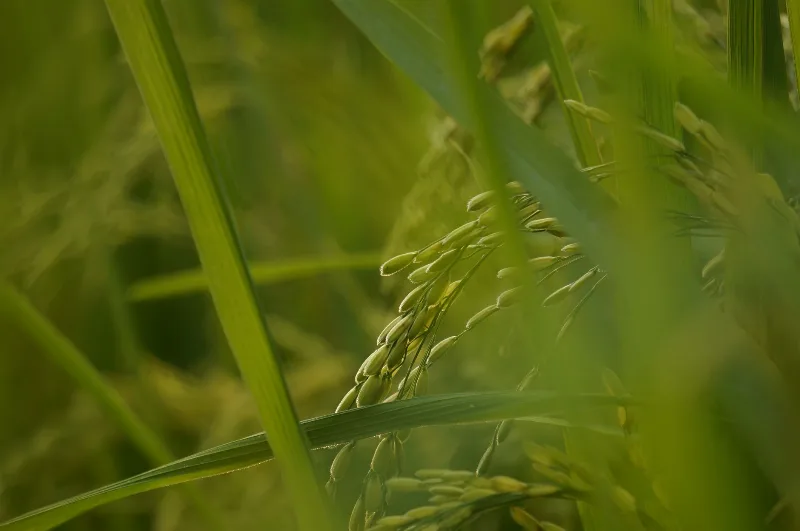
Rice is a semi-aquatic cereal grass, and in Tosya it is grown as an annual crop in flooded or saturated fields. Preparation begins in spring, when the paddy soil is worked and levelled so that water is distributed evenly. Planting takes place once the risk of cold damage has passed, generally in May, either by sowing into prepared fields or by raising young plants and transferring them into the paddies.
Through the summer the fields are kept under a shallow layer of water, which suppresses many weeds and supports the growth of the plant. The rice flowers as the season advances and the grains fill and harden. As maturity approaches, the water is drained so that the ground can dry and the crop can be harvested under better conditions. Cutting usually falls in September, at the end of the northern growing season.
Grain Characteristics
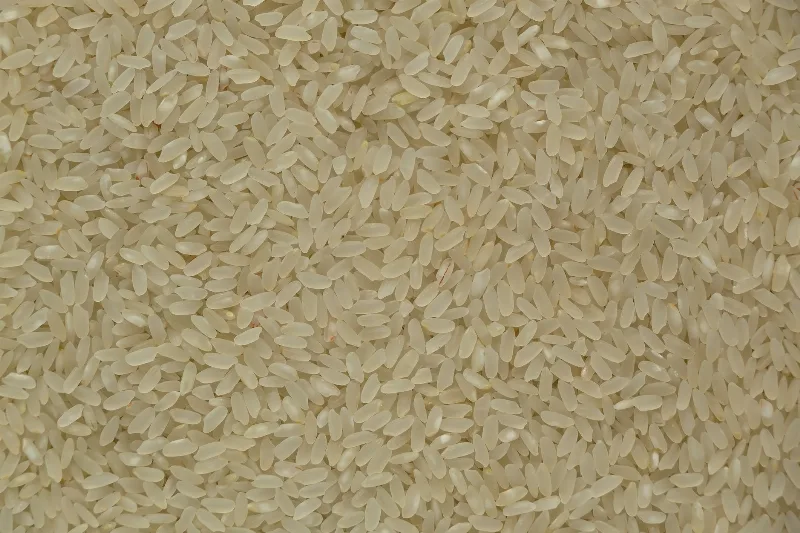
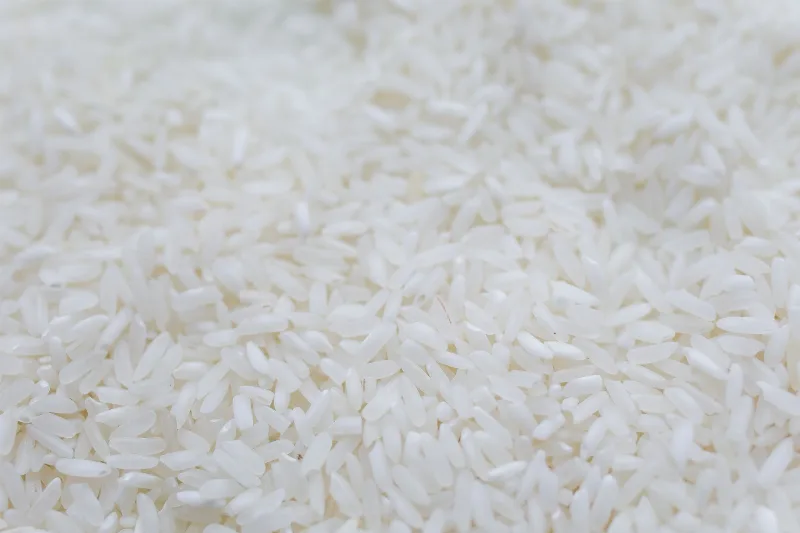
Tosya rice is a medium to long grain that is typically bright and clean after milling. The grains hold their form during cooking and swell rather than break apart, which makes the rice well suited to dishes where separate, distinct grains are expected. Its aroma becomes noticeable as the rice cooks, and the cooked grain has a firm, slightly springy bite rather than a soft, clinging texture.
Harvest, Drying and Milling
Harvesting was once done by hand, with the crop cut, bundled and left to dry in the fields before threshing. Today the work is largely mechanised, but the logic of the process remains the same: the rice is cut when the grain has hardened, then dried so that the moisture content is low enough for safe storage and milling.
After drying, the husk is removed to reveal the grain inside. Milling follows, and the degree of milling determines whether the final product is a lighter, more polished rice or one that retains more of the outer layers. Dried and milled Tosya rice stores well and has long been a household staple in the region, kept in cool, dry conditions.
Rice in the Local Landscape and Kitchen
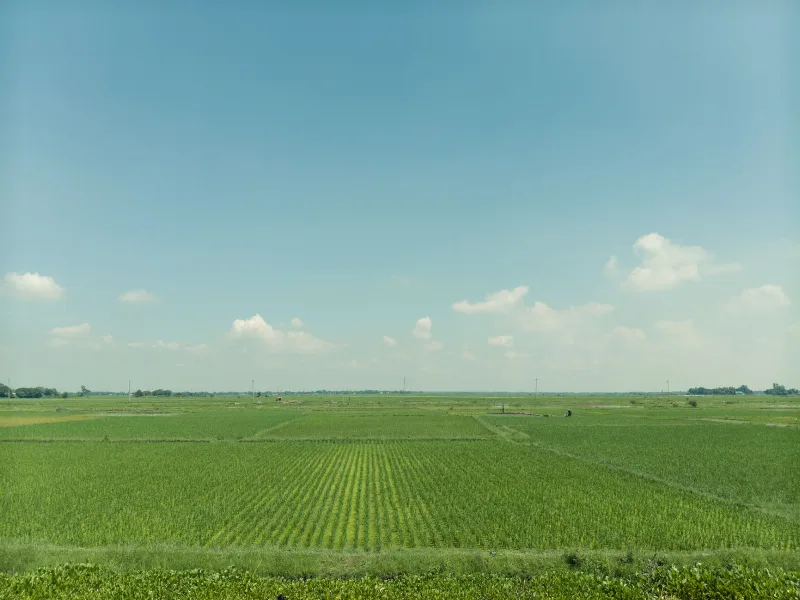
The paddies are a defining feature of the Tosya landscape in summer, forming a flat, reflective grid of fields along the valley bottom that contrasts with the wooded slopes above. Rice growing also supports a wider local culture of milling, storage and trade centred on the town.
In the kitchen, Tosya rice is used in the way good pilaf rice is used across Türkiye: cooked with butter or oil, stock and sometimes small additions such as chickpeas or vermicelli, and served alongside meat, vegetable and legume dishes. Its firmness also makes it suitable for stuffed vegetables and for dishes in which the rice must hold its shape. The grain is treated in local cooking as a quality ingredient in its own right rather than a neutral filler.
Geographical Indication and Regional Identity
Tosya rice has been recognised with geographical indication status in Türkiye, reflecting the long-standing link between the grain and the Devrez valley. That protection is essentially a formal statement of what local growers have long maintained: that the rice takes its character from a specific place, and that the name Tosya and the rice grown there belong together.
Rice is also cultivated in other parts of Türkiye, including the Marmara region, the Black Sea provinces and parts of the interior, but the Tosya basin is distinguished by its northern location, its river-fed paddies and its particular agricultural tradition. For anyone tracing where a grain comes from and why it tastes the way it does, Tosya rice is a clear example of land, water and climate combining to give a crop a recognisable local identity.
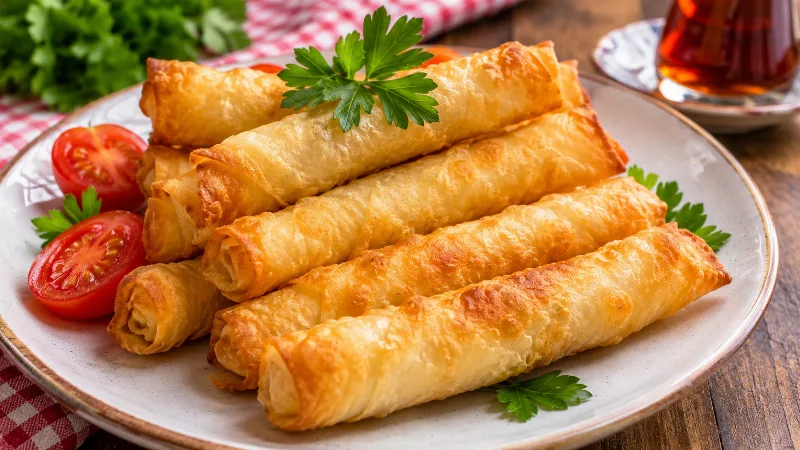
Sigara Böreği
Sigara böreği is a thin Turkish pastry rolled into slim cylinders around a cheese, meat or potato filling and fried until golden. Its name comes from its cigarette-like shape, and it is a familiar sight on breakfast tables, tea-time plates and meze spreads across the country.
Explore →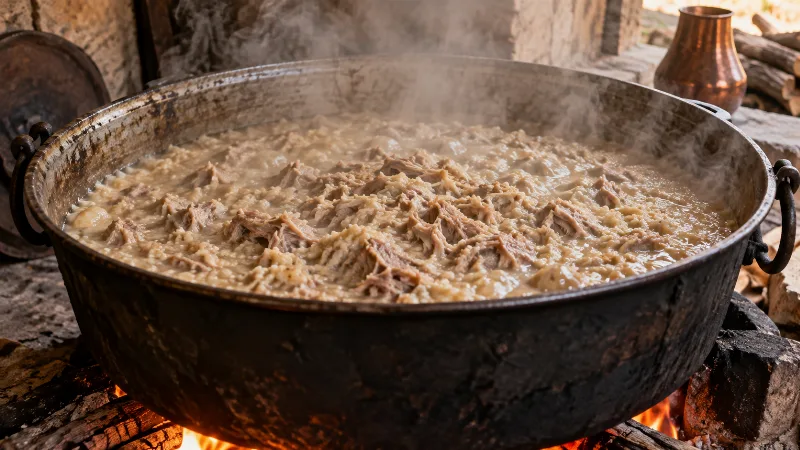
Keşkek
Keşkek is a ceremonial Anatolian dish of whole wheat berries and meat, slow-cooked and then pounded until the two merge into a thick, smooth mass. It belongs to Central Anatolia and the Aegean region, where it is still prepared in large cauldrons for weddings and religious holidays.
Explore →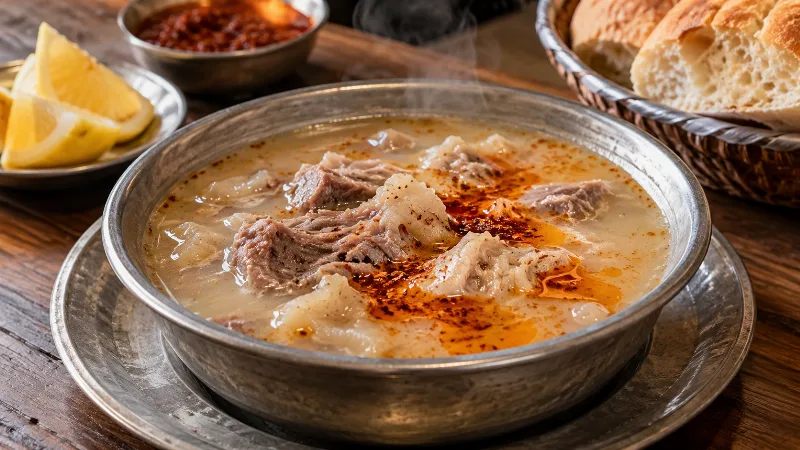
Kelle Paça Çorbası
Kelle Paça Çorbası is a traditional Turkish soup made from sheep's head and feet, known for its thick, gelatinous texture and restorative qualities. It is especially popular in Eastern and Southeastern Anatolia and is commonly eaten for breakfast or as a late-night meal.
Explore →Related content
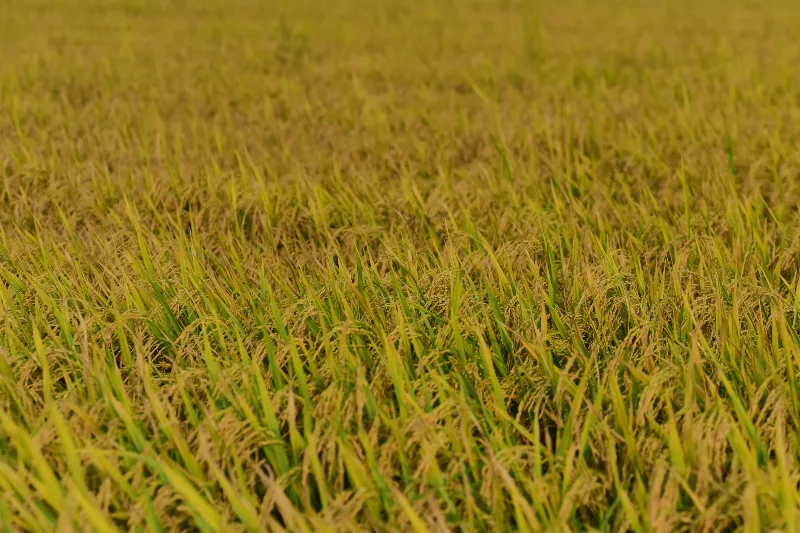
Rice Harvest in Tosya, Kastamonu
Every autumn the rice paddies around Tosya in Kastamonu are drained and cut, turning the Devrez valley from green to gold. The harvest normally falls in September and October, and it is the point in the year when the valley's rice fields are at their most visible and most active.
Osmancık Rice
Osmancık rice is a regional rice variety from the Osmancık district of Çorum in northern Türkiye, where the Kızılırmak River supports local paddies. It is known for its aroma and taste, especially in pilafs.
İpsala Rice
Grown on the river-fed alluvial plain around İpsala in Edirne province, İpsala rice reflects the landscape of Thrace: flooded paddies, warm summers and a long local milling tradition.
Karacadağ Rice
Karacadağ rice is a rice grown in the Karacadağ area of Şanlıurfa province in southeastern Türkiye, where a hot regional climate and irrigation water drawn from the Karacadağ massif shape its distinctive taste and firm grain.
Trakya Baldo Rice
Baldo rice is a large-grain variety grown on the flood plains of Thrace in northwestern Türkiye, where river-fed paddies around Edirne produce grain prized for pilaf. Its long, glassy kernels and the region's water-rich alluvial soils are closely linked.
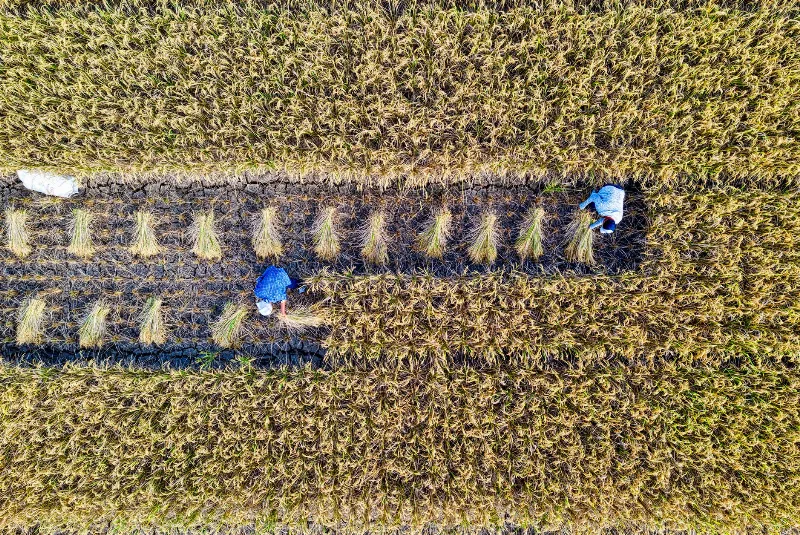
Rice Harvest in Osmancık, Çorum
Each September the rice paddies around Osmancık in Çorum Province turn golden and are harvested, a seasonal transformation tied to the Kızılırmak valley's climate and irrigation.