
Rice Harvest in Osmancık, Çorum
Each September the rice paddies around Osmancık in Çorum Province turn golden and are harvested, a seasonal transformation tied to the Kızılırmak valley's climate and irrigation.
The rice harvest in Osmancık, a district of Çorum Province in Turkey's Central Black Sea region, takes place mainly in September. As the growing season finishes, the rice paddies that line the Kızılırmak valley shift from green to golden yellow, and farmers begin cutting and threshing the crop. This period is distinctive because it is the moment when the year's rice is actually gathered, and the flat, irrigated fields briefly become a patchwork of ripe grain, stubble and drying paddies before the land is prepared for the next cycle.
Osmancık sits near the Kızılırmak (the Red River), whose water and the surrounding alluvial soils shape the local agriculture. Rice has long been associated with this district, and the harvest is a working agricultural season rather than a staged attraction. Anyone searching for when the rice season happens here should understand that timing is driven by weather, planting schedules and water availability, so the exact days shift from year to year.
Where the Rice Harvest Happens
The main rice-growing areas are in and around Osmancık itself, along the valley floor where irrigation is practical. Fields tend to be level and enclosed by low bunds that hold water during the growing season. Nearby settlements in the same valley share similar conditions, so the harvest landscape can extend across parts of the district rather than being confined to a single plot.
The setting is agricultural and open. Visitors generally see working farmland, irrigation channels and rural roads rather than a formal visitor site. Because the paddies follow the river valley, the geography of the harvest is closely linked to where water can be moved onto the land.
What Causes the Seasonal Change
Rice is grown in flooded or constantly moist paddies. Through spring and summer the plants are green and the fields are often under water. As the grain matures, the plants stop growing vegetatively, the panicles fill and ripen, and the colour of the crop changes from green to gold. That colour shift is the visible signal that harvest is approaching.
Temperature is a major factor. Rice needs a warm growing season, and the heat of summer supports development. When temperatures begin to ease toward autumn, maturation proceeds and the crop dries down. Irrigation is also central: water is managed carefully during the season and typically reduced or stopped as harvest nears so the fields can be worked.
When the Osmancık Rice Harvest Usually Takes Place
The harvest is generally associated with September. In some years it may begin in late August or continue into early October, depending on how the season developed. Planting time, the weather through summer, and water supply all influence the exact window. A cooler or wetter summer can push ripening later, while a warm, steady season may bring it forward.
Because of this, the harvest should be described as a seasonal window rather than a fixed date. The visible golden phase typically lasts a matter of weeks, with cutting, drying and threshing happening in sequence. Once fields are cleared, the golden landscape disappears quickly, so the most recognisable period is relatively short.
Weather Conditions During the Season
Late summer and early autumn in this part of Çorum Province are often warm by day with cooler nights, a pattern that helps grain dry. Rain is a practical concern: wet weather during harvest can complicate cutting and drying. Dry, settled conditions are preferred, and farmers often work around the forecast.
Morning dew can be present as nights cool, and heat can still be strong earlier in the day. These conditions affect when work is done and how the crop is handled, but they vary from one year to the next.
What the Landscape Looks Like
Before harvest, the paddies present a broad, flat expanse of ripening grain, ranging from pale green to deep gold as maturity advances. The contrast between the irrigated fields, the surrounding drier terrain and the nearby Kızılırmak valley gives the area a distinct late-summer appearance.
During harvest, the scene changes daily. Some fields stand uncut and golden, others show stubble, and still others hold cut grain or drying material. The result is a working mosaic rather than a uniform view. After harvesting, the land looks bare and subdued, with the golden colour gone.
What Visitors Can Realistically Observe
Visitors can expect to see agricultural activity from a respectful distance: fields being cut, grain being gathered, and machinery or equipment in use. The appeal is the seasonal transformation of an ordinary farming landscape rather than a curated attraction. Photography is best planned around early morning or late afternoon light, and access should respect private land and working conditions.
It is reasonable to observe the colour change, the scale of the paddies and the rhythm of the harvest. It is not reasonable to expect guided tours, fixed schedules or guaranteed close access to machinery and workers.
How Timing Changes from Year to Year
Because rice is a crop, the harvest responds to real growing conditions. Spring planting dates, summer temperatures, irrigation timing and early-autumn rain all affect when the grain ripens. Some years the golden phase is early and brief; other years it stretches later into the season.
For anyone planning around the harvest, the practical approach is to think in terms of September and to allow flexibility. Checking local conditions closer to the time is more reliable than relying on a single date.
Nearby Seasonal Context
Osmancık lies within Çorum Province, and the Kızılırmak valley defines much of the local geography. The river system that supports the paddies also shapes the broader landscape, linking the rice fields to the wider valley environment. Neighbouring agricultural areas in the district share similar seasonal patterns, so the harvest is best understood as part of the valley's farming calendar rather than an isolated event.
Altogether, the rice harvest in Osmancık is a genuine seasonal phenomenon: a warm-season crop that turns the paddies gold before being gathered, generally in September, with the exact timing set by weather and water in any given year.
EXPLORE BY THEME
All themes →


Related content
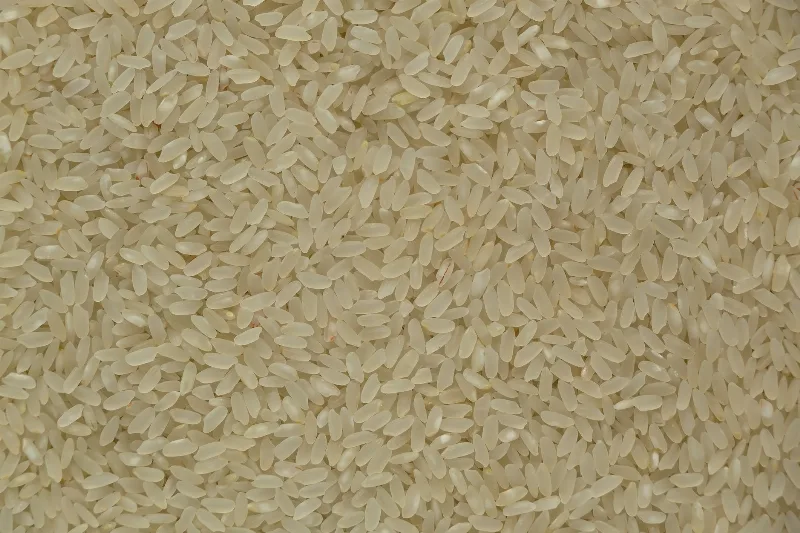
Osmancık Rice
Osmancık rice is a regional rice variety from the Osmancık district of Çorum in northern Türkiye, where the Kızılırmak River supports local paddies. It is known for its aroma and taste, especially in pilafs.
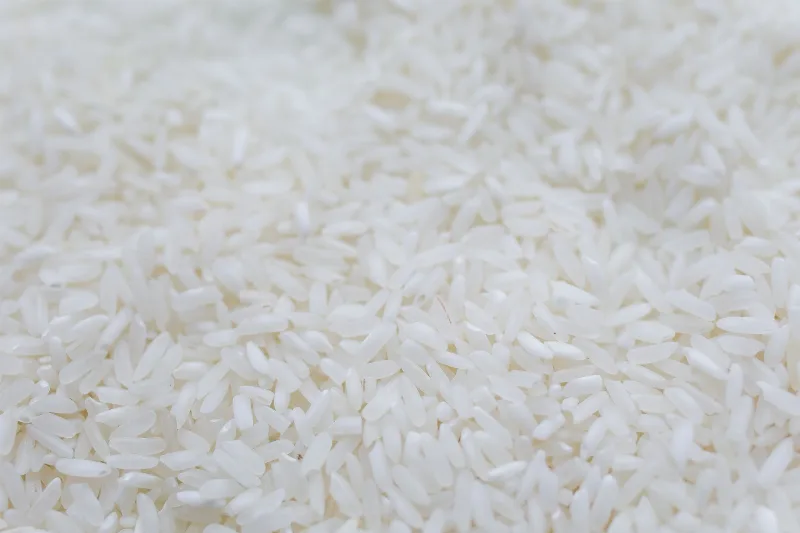
Trakya Baldo Rice
Baldo rice is a large-grain variety grown on the flood plains of Thrace in northwestern Türkiye, where river-fed paddies around Edirne produce grain prized for pilaf. Its long, glassy kernels and the region's water-rich alluvial soils are closely linked.
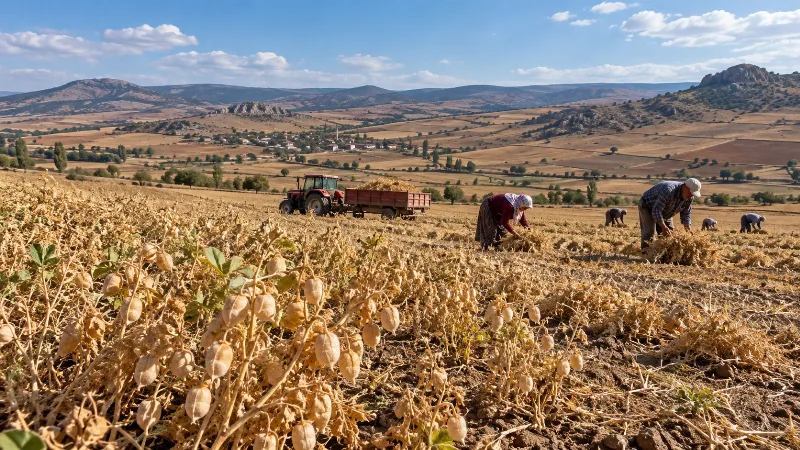
Çorum Chickpeas
Çorum chickpeas are the chickpeas grown across the dry inland plateaus of Çorum province in northern Türkiye, where a transitional continental climate suits the crop and where the same local harvest feeds the region's well-known leblebi tradition.
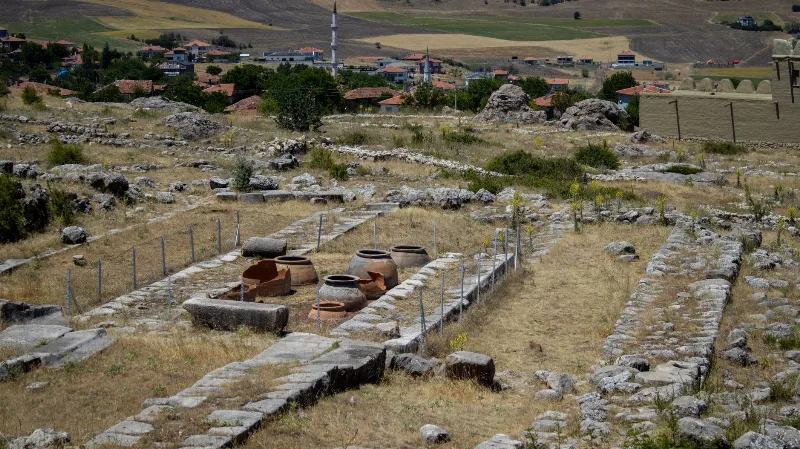
The Ancient Hittite Capital of Hattusa
Hattusa, the Hittite capital in Çorum, preserves monumental gates, temples and royal buildings from one of the ancient Near East's great powers.
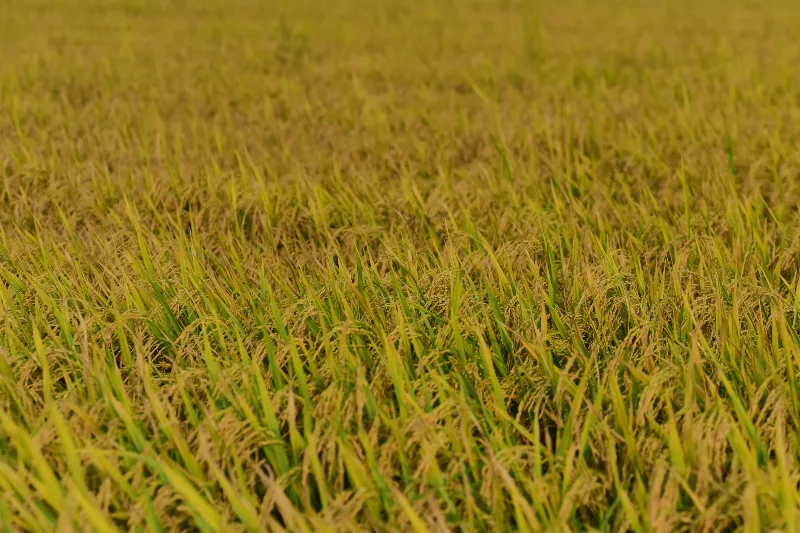
Rice Harvest in Tosya, Kastamonu
Every autumn the rice paddies around Tosya in Kastamonu are drained and cut, turning the Devrez valley from green to gold. The harvest normally falls in September and October, and it is the point in the year when the valley's rice fields are at their most visible and most active.
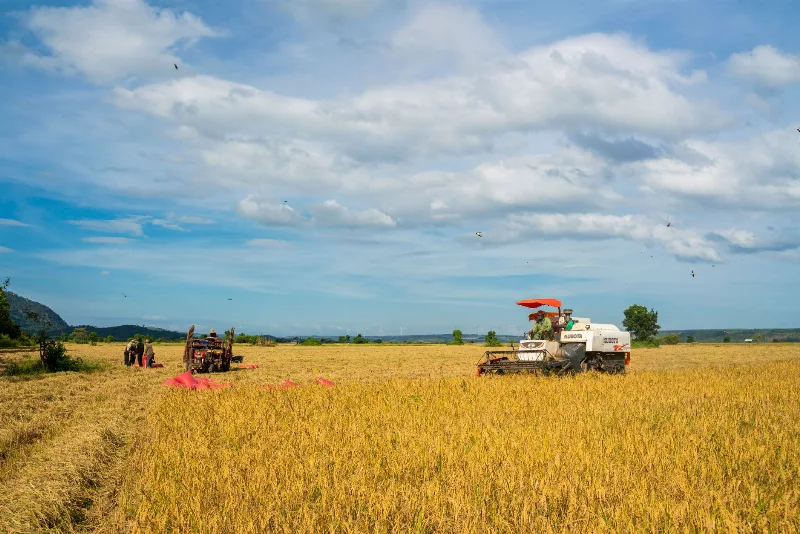
Rice Harvest in Edirne
Each autumn the flat rice plains around İpsala in Edirne Province turn from flooded green paddies into golden fields as Turkey's largest rice-growing area moves into harvest. The timing of this shift depends heavily on summer heat and early-autumn rainfall.