
Karacadağ Rice
Karacadağ rice is a rice grown in the Karacadağ area of Şanlıurfa province in southeastern Türkiye, where a hot regional climate and irrigation water drawn from the Karacadağ massif shape its distinctive taste and firm grain.
Karacadağ rice is a type of rice cultivated in the Karacadağ area of Şanlıurfa province, in southeastern Türkiye. Its name comes directly from the mountain massif that rises above the surrounding countryside, and the grain is closely identified with the villages and fields that lie on and around this volcanic plateau. The area's hot climate, together with irrigation water that originates in the Karacadağ mountains, is what gives the rice its characteristic taste and its high quality. For anyone searching for this grain, the essential point is simple: the product cannot be separated from the place, because the land and the water are part of what defines it.
Where Karacadağ Rice Is Grown
The rice belongs to Şanlıurfa, a province in Türkiye's southeastern region, and more specifically to the Karacadağ district and the agricultural land that surrounds the massif. Karacadağ itself is a broad volcanic mountain, and the settlements scattered across its slopes and the plains at its foot are the heart of the growing area. This is not a coastal or a humid rice zone. It sits in one of the hotter, drier parts of the country, where rice can only be cultivated with reliable irrigation. The fields therefore cluster where water is available, forming a distinctive green patchwork against an otherwise arid landscape.
The association between the grain and the mountain is strong enough that the two names are used together. Siverek, a district of Şanlıurfa on the western side of the massif, and the surrounding rural communities are part of the same agricultural world in which the rice is grown. Neighbouring areas of the wider region also cultivate rice, but Karacadağ has its own identity within that tradition.
Why the Karacadağ Landscape Suits Rice
Rice is a water-demanding crop, and its presence in a hot, dry province may at first seem unlikely. The explanation lies in the geography of the massif. Karacadağ is volcanic in origin, and the springs and streams that emerge from its slopes and from the surrounding higher ground provide the water that makes paddy cultivation possible. Irrigation from these sources allows fields to be flooded in a region where rainfall alone would never be enough.
Temperature is the second factor. The long, hot growing season of Şanlıurfa gives the plants the warmth they need to mature, while the coolness that comes with elevation on parts of the massif moderates conditions in a way that suits the crop. The result is a growing environment that is warm for much of the year, supplied with mountain water, and anchored in volcanic terrain. This combination, rather than any single element, is what people mean when they link the rice to Karacadağ.
The Plant and the Growing Cycle
Like other rice, Karacadağ rice comes from an annual grass that is established in flooded or irrigated fields. The cycle follows the rhythm of the regional climate. Fields are prepared and the crop is planted in the warm part of the year, when temperatures are high enough for germination and early growth. Through the summer the plants develop in standing water, drawing on the irrigation that is the lifeline of the crop. As the season advances, the grain fills and the plants ripen, turning from green to the golden colour of mature rice ready to be cut.
Because the region is hot, the pace of growth is relatively rapid, and the harvest falls in the warmer months of late summer and early autumn, when the grain has dried sufficiently in the field. Rice cultivation here is a careful balancing act: enough water at the right stages, enough heat to finish the crop, and a dry period at the end that allows harvesting without damage.
What Distinguishes the Grain
The most frequently mentioned quality of Karacadağ rice is its taste, which is described as distinctive and clearly different from ordinary mass-market rice. The grain is also valued for the firmness and consistency of its cooked texture, which is linked to the conditions under which it grows. The hot climate and the mineral-rich mountain water are the two features most often cited as the reasons for this character. Where rice from cooler, wetter regions may be softer, the Karacadağ grain keeps a firmer bite, which makes it suited to dishes where the rice should hold its shape.
The colour, aroma and behaviour of the grain during cooking are tied to the same local conditions. It is a rice with a strong sense of origin, which is precisely why it is named after the mountain rather than sold as a generic regional product.
After the Harvest
Once the crop is cut, the grain is dried and then milled before it reaches the kitchen. Drying is a necessary step in this climate, and it also protects the quality of the grain during storage. Milled Karacadağ rice is a staple in households across Şanlıurfa and the wider southeast, where it is used in everyday cooking as an accompaniment to stews, meat dishes and vegetable preparations. It also appears in festive and special-occasion cooking, where a well-cooked, firm grain is considered a mark of quality. It is used in pilaf-style dishes, in stuffed vegetables, and in the many rice-based preparations of southeastern Turkish cooking, but the point of interest here is the grain itself rather than any single dish made with it.
The Rice in the Local Agricultural Landscape
Rice is the crop that reveals where water is in this dry region. The bright green paddies stand out sharply against the stony, sun-baked terrain around them, and they act as a visible map of the springs and irrigation channels that flow from the Karacadağ massif. For the farming communities around the mountain, rice is more than a grain: it is a crop that connects their fields directly to the water sources above them, and it gives the area a distinct agricultural identity within Şanlıurfa.
The grain also links the district to the broader food culture of southeastern Türkiye, where rice has long been a central part of the table. Because the growing area is localised, the rice remains tied to the settlements of the Karacadağ area rather than being spread across the whole province, which helps preserve its reputation as a place-specific product. Buyers and cooks who look for it are looking for the mountain, the water and the hot climate as much as for the grain itself.
Other rice-growing areas exist elsewhere in Türkiye, each with its own conditions and character. Karacadağ rice occupies its own niche among them, defined not by scale but by the particular marriage of volcanic geography, mountain-fed irrigation and the intense warmth of Şanlıurfa. Understanding the grain means understanding that landscape, because the two are inseparable.
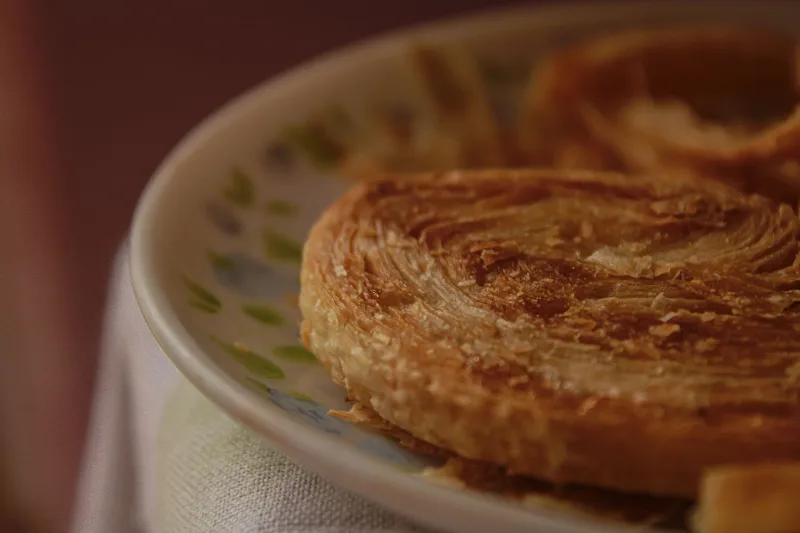
Boyoz
Boyoz is a round, flaky pastry from İzmir, made from a coiled flour-and-oil dough and traditionally eaten at breakfast with a boiled egg and tea.
Explore →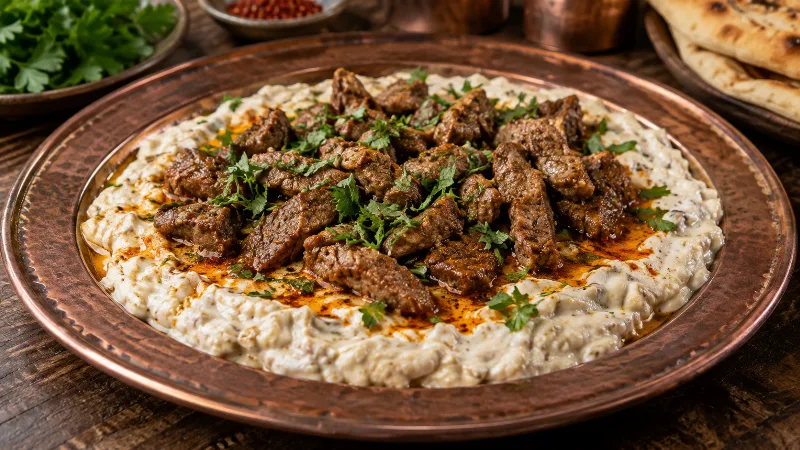
Ali Nazik
Ali Nazik is a Gaziantep specialty in which grilled lamb is served over a smoky roasted eggplant puree mixed with garlicky yogurt and finished with melted butter and red pepper flakes.
Explore →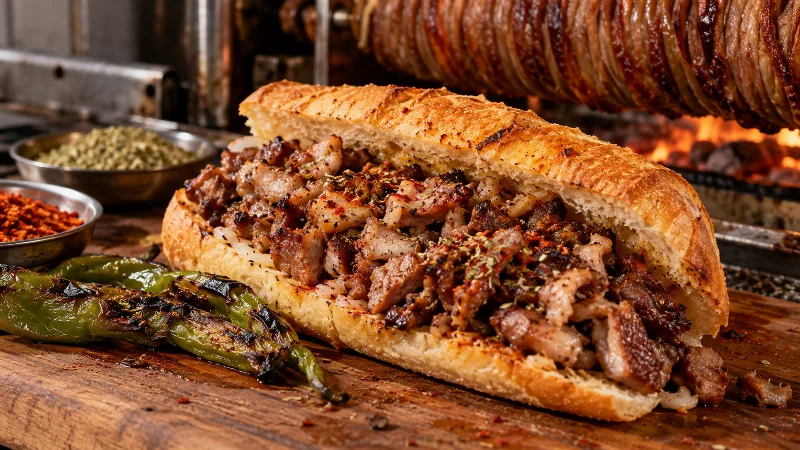
Kokoreç
Kokoreç is a Turkish street food of lamb intestines wound around a skewer, grilled over charcoal and chopped with hot pepper and oregano. It is most often eaten stuffed into half a loaf of bread, and its two best-known styles come from Istanbul and İzmir.
Explore →Related content
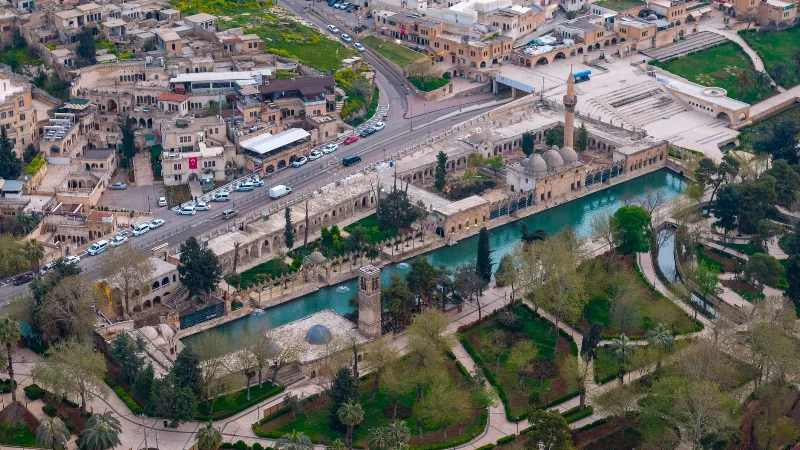
Şanlıurfa
Şanlıurfa, commonly called Urfa, is a large city in southeastern Türkiye and the capital of its province. It is known both as a place tied to the tradition of the Prophet Abraham and as the gateway to Göbekli Tepe, one of the oldest monumental sites ever found.
Diyarbakır
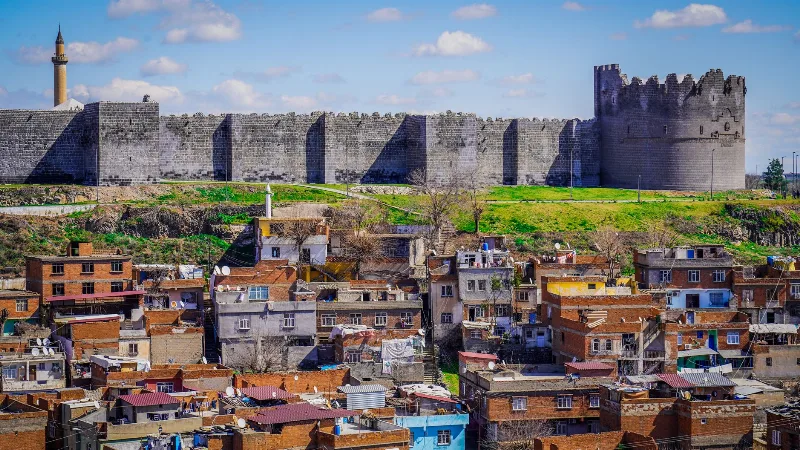
Diyarbakır is a major city in southeastern Türkiye, set on the upper Tigris River and encircled by one of the world's longest surviving circuits of ancient walls. Its black basalt architecture and Kurdish cultural identity distinguish it within the region.
Kelle Paça Çorbası
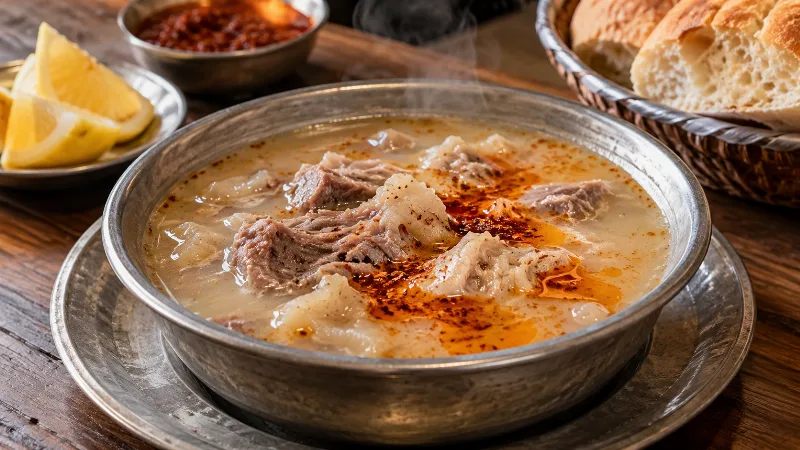
Kelle Paça Çorbası is a traditional Turkish soup made from sheep's head and feet, known for its thick, gelatinous texture and restorative qualities. It is especially popular in Eastern and Southeastern Anatolia and is commonly eaten for breakfast or as a late-night meal.
2-Day Şanlıurfa and Göbeklitepe Route
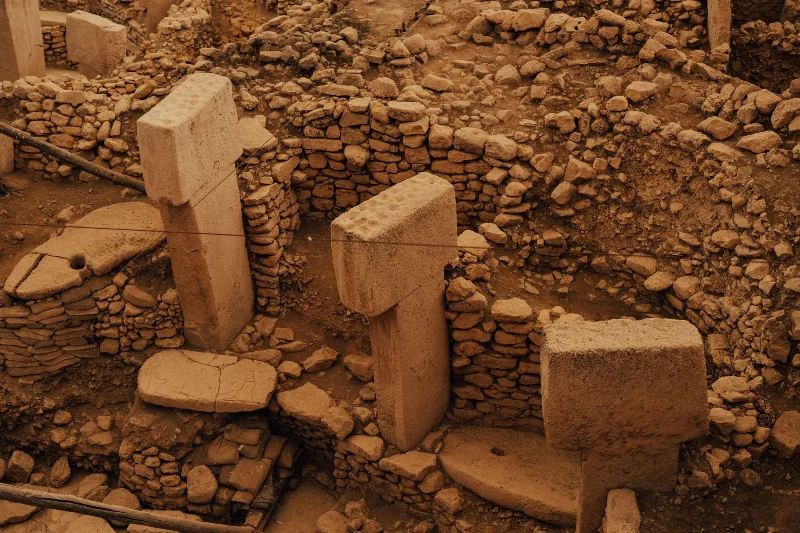
A two-day route through Şanlıurfa's sacred historic quarter, the world's oldest known temple at Göbeklitepe and the beehive houses of the Harran plain, starting and finishing in Şanlıurfa city.
Şanlıurfa's Historical and Cultural Richness
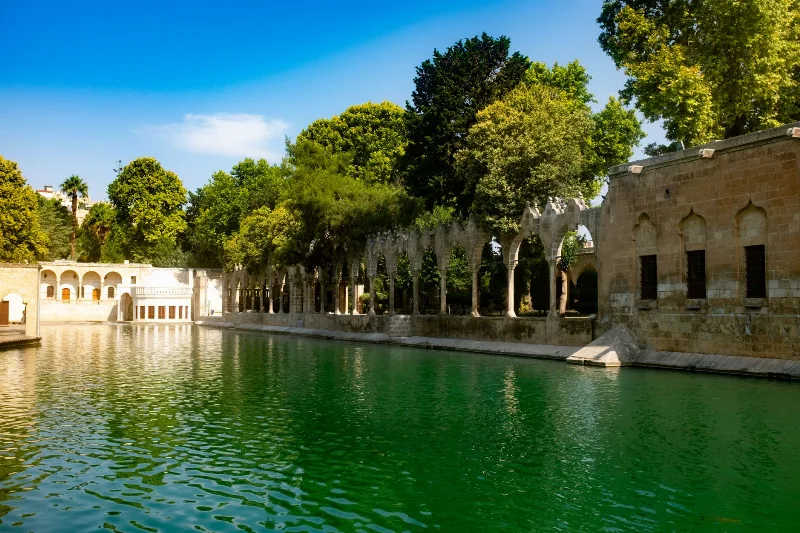
Şanlıurfa in southeastern Türkiye blends Neolithic archaeology, sacred pools, ancient Harran and a lively food and music tradition into one remarkably layered destination.
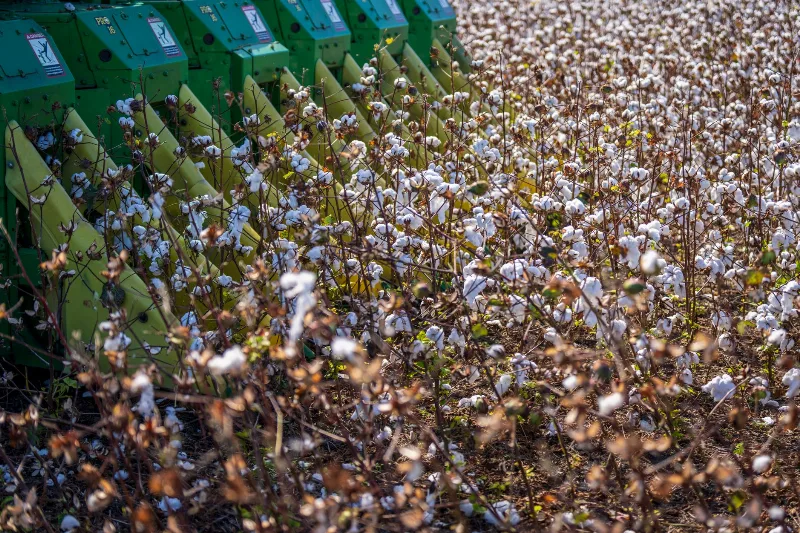
Cotton Harvest in Şanlıurfa
Each autumn, the cotton fields around Şanlıurfa transform into a sea of white as the harvest begins. Discover the timing, the agricultural process, and what to expect during this seasonal event.