
Ali Nazik
Ali Nazik is a Gaziantep specialty in which grilled lamb is served over a smoky roasted eggplant puree mixed with garlicky yogurt and finished with melted butter and red pepper flakes.
Ali Nazik is a dish from Gaziantep, in southeastern Türkiye, built on a contrast between two components: a soft bed of smoke-roasted eggplant mixed with yogurt and garlic, and pieces of lamb placed on top, usually finished with melted butter and red pepper flakes. It is sometimes listed as Ali Nazik kebab, because the meat is generally cooked as kebab. The dish belongs to the broad Anatolian family of eggplant-and-meat preparations, but its identity comes from the base, which is a yogurt puree rather than a flour-thickened sauce.
The Name and the Stories Told About It
In Turkish, nazik means delicate, courteous or gentle, and the dish's name is normally read as a person's name: Ali Nazik, “gentle Ali.” Popular accounts in Gaziantep connect it to the early sixteenth century and to the Ottoman sultan Yavuz Sultan Selim, who crossed southeastern Anatolia on his campaign towards Egypt in 1516–1517. In the most common version of the story, the governor of the city — then known as Ayntab — was a man called Ali Paşa, and a dish of roasted eggplant with lamb was prepared either for the sultan's visit or for the governor himself. The details shift from one telling to the next: in some versions the sultan praises the food, in others it is Ali Paşa who remarks on how delicate it is.
No contemporary document records any of this, so the story is better understood as folk etymology than as documented history. The name may simply have attached itself to the dish over time, in much the same way that Hünkar Beğendi, “the sultan liked it,” carries a story inside its name. What is clear is that both dishes belong to an Ottoman-era habit of naming eggplant preparations after the people said to have enjoyed them.
The Eggplant and Yogurt Base
The base is what most distinguishes Ali Nazik from other lamb dishes. Whole eggplants are roasted directly over charcoal, over a gas flame or in a wood oven until the skin blackens and blisters and the flesh inside collapses. They are then peeled, often while still hot, and the soft flesh is chopped or mashed. Cooks in Gaziantep generally prefer smaller, thin-skinned eggplants with fewer seeds for this job, since the flesh needs to be sweet and dense rather than watery. The roasting is not a shortcut; the smoke absorbed by the skin is part of the final flavour, and it is the reason the dish tastes quite different from one made with boiled or fried eggplant.
The mashed eggplant is then mixed with yogurt and crushed garlic and seasoned with salt. Strained, full-fat yogurt is the usual choice in the region because it holds the mixture together without making it runny. Some cooks stir in a little butter or olive oil at this stage, and some add the yogurt only just before serving so that it stays fresh and slightly sharp. Salt is adjusted carefully, since the yogurt and the meat each carry their own seasoning.
The Lamb on Top
The meat is lamb, and in the classic form it is grilled rather than stewed. Cubes of leg or shoulder are threaded onto skewers, seasoned lightly — usually with little more than salt and perhaps black pepper — and cooked over charcoal until the outside is browned and the inside stays juicy. Chops, ribs or larger pieces can be used instead of skewers. In some Gaziantep kitchens the topping is roasted lamb pulled from the bone rather than grilled kebab, and in others minced lamb kebab is used. The version with skewered lamb is the one most often meant when the dish is called Ali Nazik kebab.
Texture, Flavour and Appearance
On the plate the dish reads as three textures: a soft, spoonable puree; juicy, lightly chewy grilled meat; and a thin, glossy layer of butter carrying red pepper flakes. The flavour moves from the smokiness of the charred eggplant through the sourness and bite of garlicky yogurt to the richness of the lamb. Because the base is cooling and slightly acidic, it balances the fat of the meat, and the two are usually eaten together in the same spoonful or scooped up with a piece of flatbread.
The appearance is just as recognisable: pale, off-white puree spread in an even layer, darker pieces of meat arranged on top, and a red-orange trickle of butter and pepper flakes running across the surface. When grilled tomato and green pepper are served alongside, the plate gains colour at the edges.
How It Is Traditionally Served
Ali Nazik is a main course, eaten at lunch or dinner and prepared both at home and in the region's kebab kitchens. The eggplant-yogurt mixture is spread across a wide plate or a shallow copper tray, the meat is arranged over it, and the butter is poured on at the last moment, often at the table so that it is still sizzling. Flatbread, rice pilaf, grilled tomatoes and peppers, and onions tossed with sumac are the usual companions. A practical point that cooks pay attention to is temperature: if the yogurt base is ice-cold and the lamb has just come off the grill, the dish loses its balance, so the puree is often kept at room temperature before serving.
Ali Nazik and Hünkar Beğendi: Similar but Not the Same
The two dishes are frequently confused because both place lamb on a bed of eggplant. Hünkar Beğendi is made with a béchamel-style base: the roasted eggplant is folded into a mixture of butter, flour and milk, giving a rich, creamy, faintly sweet puree. Ali Nazik uses yogurt and garlic instead of flour and milk, so its base is tangier, lighter and more strongly seasoned. The meat differs in character as well: Hünkar Beğendi is usually paired with a tomato-based lamb stew, while Ali Nazik is normally paired with grilled kebab. Gaziantep's patlıcan kebabı — eggplant and minced meat cooked together on skewers — is a third and separate dish, with no yogurt element at all.
Regional Variations
Because Ali Nazik spread well beyond Gaziantep, versions differ in several ways. The meat may be grilled cubes, chops, roasted lamb or minced kebab. The eggplant may be roasted over charcoal, on a gas ring or in an oven, and the degree of smokiness varies accordingly. Some kitchens mix a spoonful of butter or a little olive oil into the puree, while others serve the yogurt base slightly warm rather than at room temperature, particularly in colder months. In many cities outside the southeast the dish is treated simply as one kebab among others, and the garnish changes with the kitchen, sometimes including grilled peppers, tomatoes or a spoon of tomato sauce. No single authority fixes the recipe, so it is more accurate to speak of a Gaziantep tradition with local adaptations than of one correct form.
Where It Belongs in Gaziantep Cooking
Gaziantep's cooking is known for its heavy use of lamb, eggplant, yogurt, pepper paste and butter, and Ali Nazik sits exactly where those ingredients meet. Eggplant appears in many forms in the city's cuisine, from stuffed dolma to kebab, and the pairing of roasted eggplant with yogurt is a familiar pattern in southeastern Anatolian home cooking. The dish also reflects the region's habit of serving meat over a vegetable base rather than as a plain grilled portion, so that a single plate carries both the richness of the lamb and the freshness of the yogurt. For anyone reading a Gaziantep menu, Ali Nazik is one of the clearest examples of how the city layers smoke, dairy and grilled meat into one dish.
Related content

Gaziantep
Gaziantep is a major city in southeastern Türkiye and the administrative centre of its province, widely recognised as the country's gastronomic capital and known for its citadel, bazaars and the Zeugma Mosaic Museum.
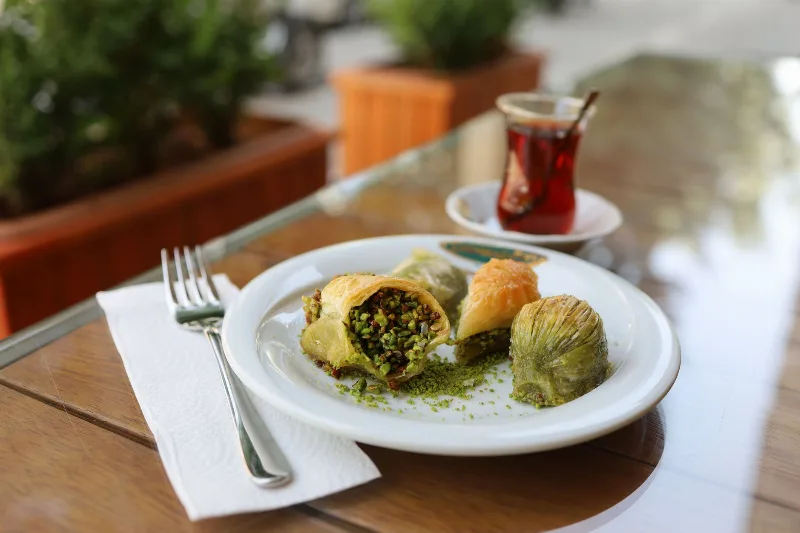
Culinary Delights of Gaziantep
Gaziantep in southeastern Türkiye is known for a regional cuisine built on pistachios, pepper paste, bulgur and slow-cooked dishes that reflect centuries of trade and local tradition.
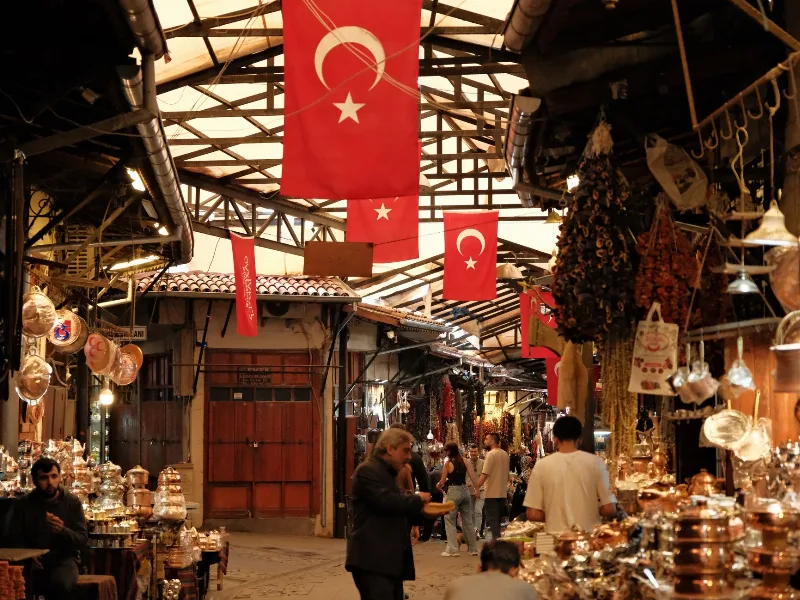
Savoring the Flavors of Gaziantep's Cuisine
Discover the rich culinary traditions of Gaziantep, a city known for its diverse and flavorful dishes that showcase the gastronomic richness of Türkiye.
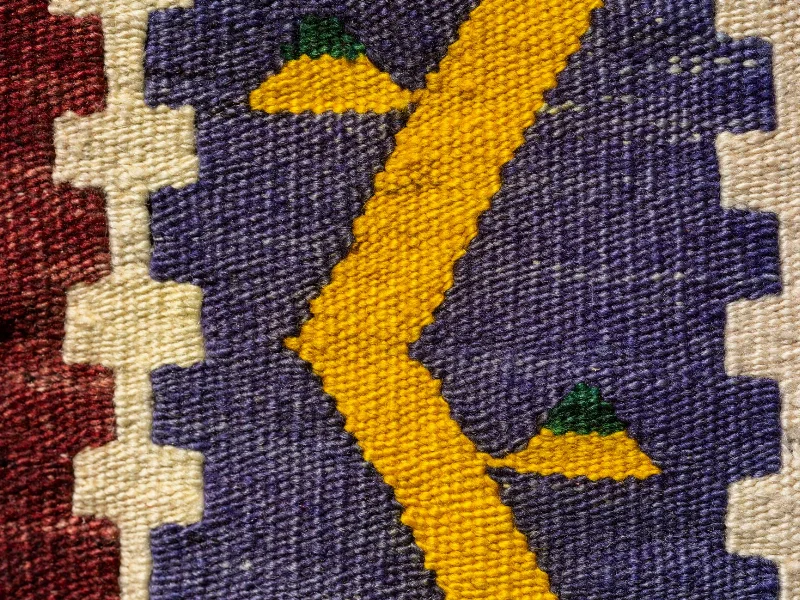
Traditional Crafts of a Turkish Bazaar
Türkiye's bazaars are living archives of craft, where copper, çini ceramics, kilims and ebru marbling are still shaped by hand. This page explores the trades, materials and traditions behind them.
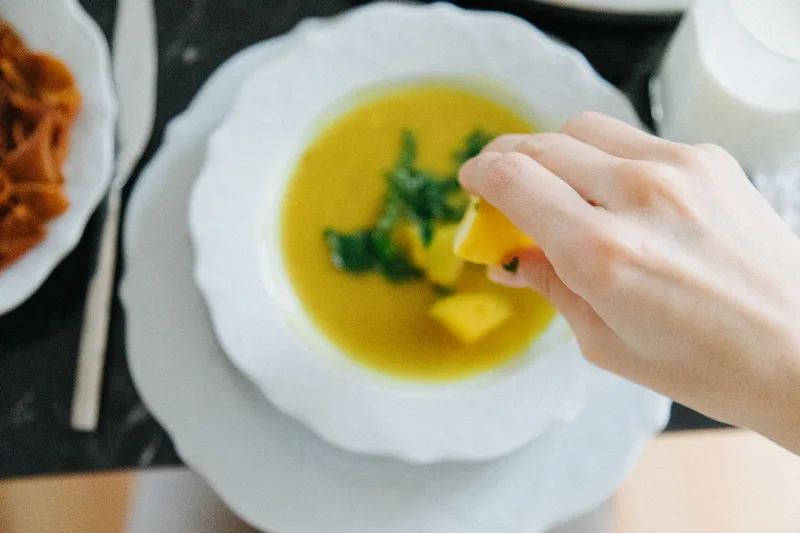
Ezogelin Çorbası
A thick Turkish lentil soup of red lentils, bulgur and rice, flavoured with dried mint and tomato paste and named after the folk figure Ezo Gelin.
Cultural Heritage of Anatolia
Anatolia's cultural heritage spans millennia, blending ancient civilizations, architectural marvels, and living traditions across Türkiye.