
Siirt Pistachios
Siirt pistachios are a distinctive variety of pistachio grown in Siirt province, southeastern Türkiye. The region's hot, dry climate and rocky soils give these nuts their character and tie them closely to the local agricultural landscape.
Siirt pistachios are a regional variety of pistachio (Pistacia vera) cultivated mainly in Siirt province in southeastern Türkiye. The province's hot, dry summers and rocky, well-drained soils provide the conditions that pistachio trees need to thrive, and the nut has been grown in the area for generations. The combination of a demanding climate and a long agricultural tradition has made Siirt one of the recognized pistachio-growing areas of Türkiye, with a local identity distinct from other pistachio regions.
The Pistachio Orchards of Siirt
Siirt lies in the Southeastern Anatolia region, a part of Türkiye characterized by a continental climate with very hot, dry summers and cold, often snowy winters. Pistachio trees are well adapted to such extremes. They are deep-rooted and drought-tolerant, and they perform best in areas where summer rainfall is low and the soil drains freely. The rocky slopes and stony soils found in parts of Siirt province are particularly suitable because they prevent waterlogging and encourage the trees to develop strong root systems.
The orchards are typically established on hillsides and terraced land where other crops would struggle. Pistachio trees are slow-growing and long-lived, and many orchards in Siirt are tended by families who have worked the same land for decades. The trees are grafted onto rootstocks that are suited to local conditions, a practice that helps them cope with the dry environment and resist soil-borne problems.
Why the Climate and Soil Shape the Flavor
Pistachios are a crop of warm, arid regions. During the growing season, the trees need plenty of sunshine and heat to ripen the nuts properly. Siirt's long, hot summers provide exactly that. At the same time, the cool winters give the trees the chilling period they require to break dormancy and produce new growth in spring. The sharp contrast between day and night temperatures in summer is also thought to influence the development of the kernel, contributing to the nut's characteristic flavor.
The rocky soils of Siirt are another key factor. Pistachio trees are sensitive to excessive moisture around their roots, and well-drained, stony ground helps avoid fungal diseases and root rot. The soil's low water-holding capacity means that rainfall percolates quickly, which is ideal for this drought-loving species. In many orchards, the natural slope of the land also aids drainage and exposes the trees to good air circulation.
From Flowering to Harvest
Pistachio trees are dioecious, meaning that male and female flowers are borne on separate trees. In spring, the male trees release pollen that is carried by the wind to the female trees. Only the female trees produce nuts. The developing fruits, which are botanically drupes, begin as small green clusters. As summer progresses, the outer hull thickens and the hard shell inside gradually forms. When the nuts are mature, the shell splits — a sign that harvest is approaching.
In Siirt, harvest typically takes place in late summer, generally from late August into September. The exact timing depends on the weather and the elevation of the orchard. Harvesting is still largely done by hand: workers shake the branches or use long poles to knock the nuts onto tarpaulins spread beneath the trees. This method, while labor-intensive, allows the nuts to be collected without damaging the trees. After harvesting, the outer hulls are removed, and the nuts are spread out in the sun to dry. Sun-drying is a traditional practice that reduces moisture and helps preserve the nuts for storage and transport.
Characteristics of Siirt Pistachios
Siirt pistachios share the general characteristics of the species: a hard, beige shell that splits at maturity, a thin brownish skin, and a green kernel. They are valued for their nutty, slightly sweet flavor and crisp texture. The size and oil content can vary from year to year depending on rainfall and temperature, but the nuts are generally well-regarded for their flavor. In local markets, they are often sold roasted and salted, but the raw kernels are also used in confectionery and baking.
A Nut in the Local Economy and Culture
Pistachio cultivation is an important source of income for many farming families in Siirt. The trees take several years to begin producing, but once established they can remain productive for many decades, providing a long-term investment for growers. The pistachio harvest creates seasonal employment and supports related activities such as hulling, drying, and sorting. In the province, pistachios are more than a crop; they are part of the agricultural identity of the region and are often mentioned alongside Siirt's other local products.
While Gaziantep is more widely known for pistachios, Siirt has its own growing tradition and its own local variety. The nuts are used in regional sweets and as a topping for desserts, but they are also enjoyed simply as a snack. Visitors to the area may see pistachio orchards on the hillsides, a landscape that reflects the adaptation of agriculture to a dry and rocky environment.
Other Pistachio Areas and the Siirt Identity
Pistachios are also grown in neighboring provinces such as Şanlıurfa and Adıyaman, and in the wider Southeastern Anatolia region. However, the name "Siirt pistachio" is used specifically for nuts from Siirt province, and local growers emphasize the connection between the product and their land. The distinct climate and soil of Siirt are believed to give the nuts a particular character, although comparative scientific studies are limited. For travelers and food enthusiasts, Siirt pistachios offer a taste of a region where agriculture is closely tied to the natural environment.

Beyti Kebabı
Beyti Kebabı is a Turkish kebab of grilled minced meat rolled inside thin lavash bread, dressed with warm tomato sauce and yogurt. It is a modern Istanbul dish rather than an old regional specialty, and it differs from İskender or Adana kebab in both its meat and its serving style.
Explore →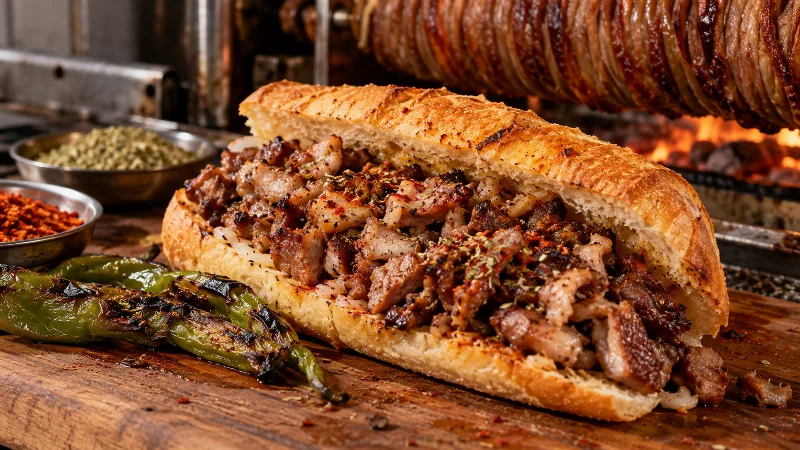
Kokoreç
Kokoreç is a Turkish street food of lamb intestines wound around a skewer, grilled over charcoal and chopped with hot pepper and oregano. It is most often eaten stuffed into half a loaf of bread, and its two best-known styles come from Istanbul and İzmir.
Explore →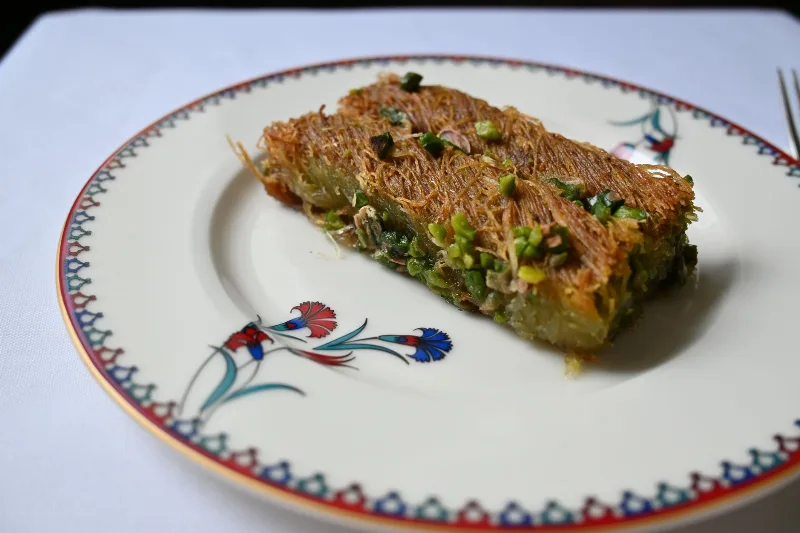
Künefe
Künefe is a hot, syrup-soaked dessert made from finely shredded kadayıf pastry wrapped around a mild, stretchy cheese, most closely associated with Hatay and the city of Antakya in southern Türkiye.
Explore →Related content
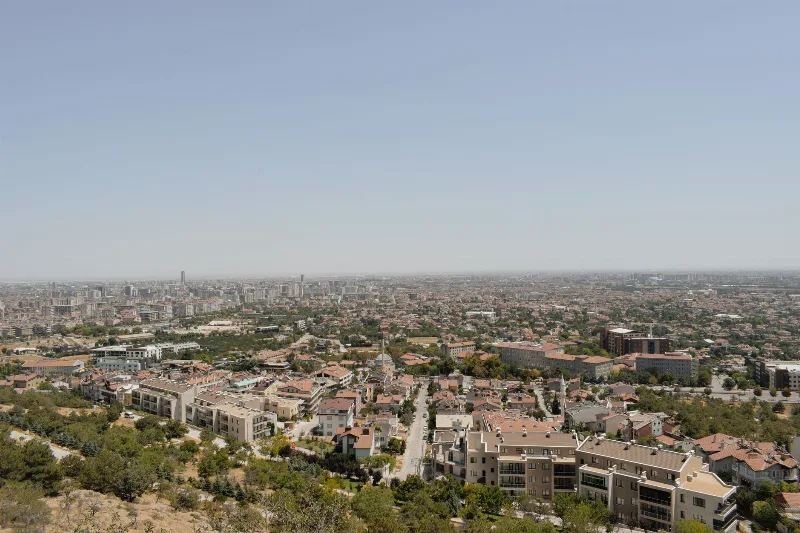
Gaziantep
Gaziantep is a major city in southeastern Türkiye and the administrative centre of its province, widely recognised as the country's gastronomic capital and known for its citadel, bazaars and the Zeugma Mosaic Museum.
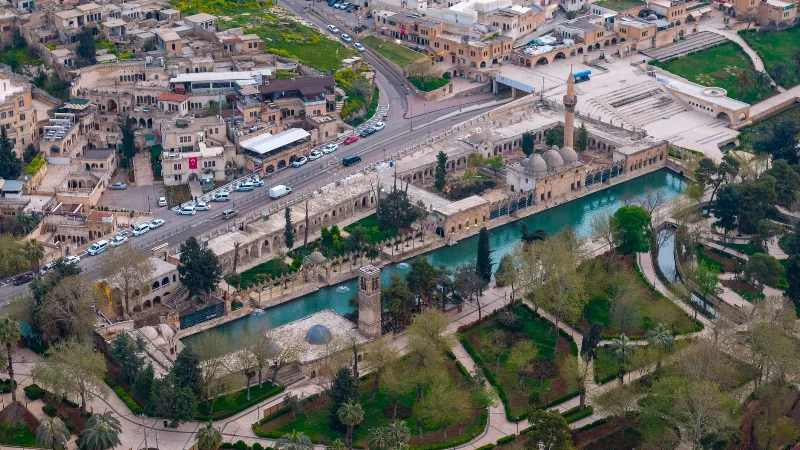
Şanlıurfa
Şanlıurfa, commonly called Urfa, is a large city in southeastern Türkiye and the capital of its province. It is known both as a place tied to the tradition of the Prophet Abraham and as the gateway to Göbekli Tepe, one of the oldest monumental sites ever found.
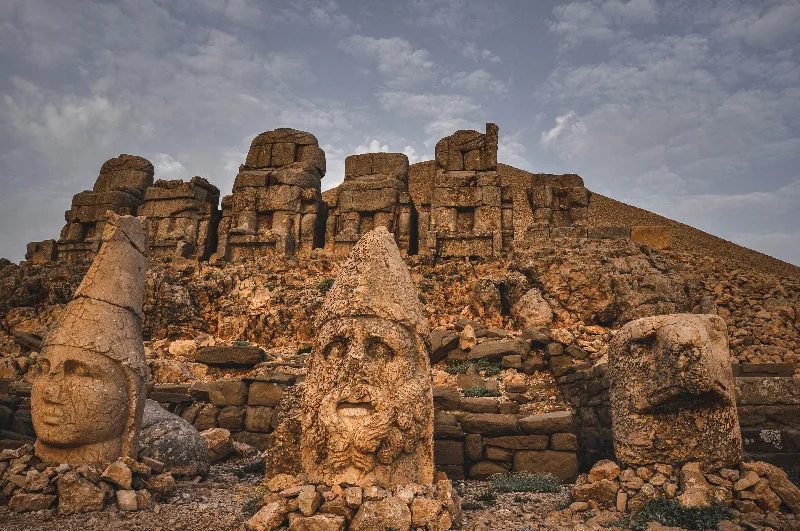
Adıyaman
Explore Adıyaman, southeastern Türkiye: history, standout sights, landscapes, local food and practical travel advice for an unforgettable journey in Türkiye.
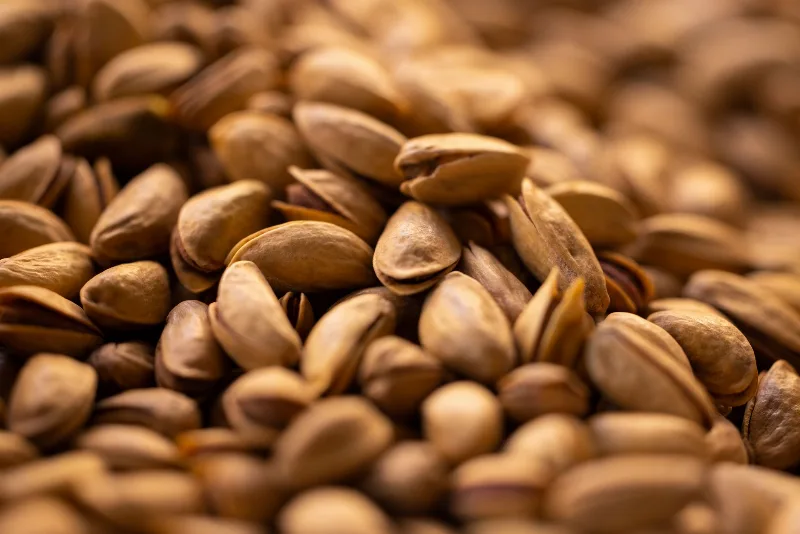
Antep Pistachios
Antep pistachios are the pistachios of Gaziantep and its surrounding plateau in southeastern Türkiye, a nut shaped by hot, dry summers and stony, limestone-rich ground.
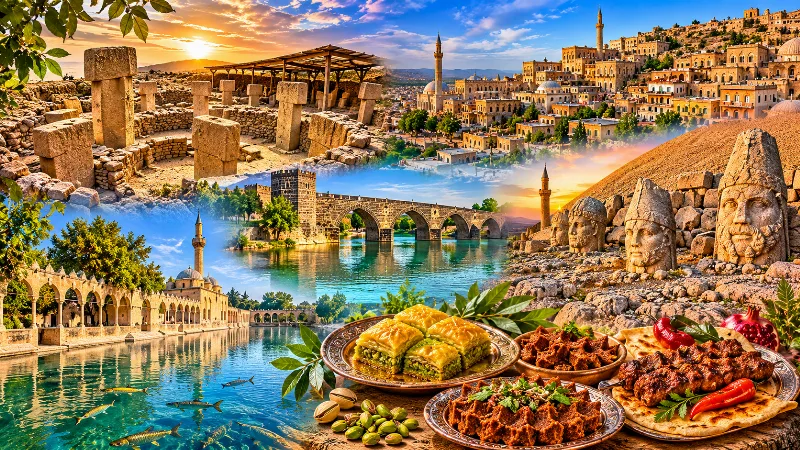
Southeastern Anatolia Region
Southeastern Anatolia is known for its ancient cities, extraordinary archaeological heritage, traditional stone architecture and rich culinary culture. From the historic streets of Mardin to the monumental landscapes of Şanlıurfa and the Euphrates River, the region reflects thousands of years of civilization.
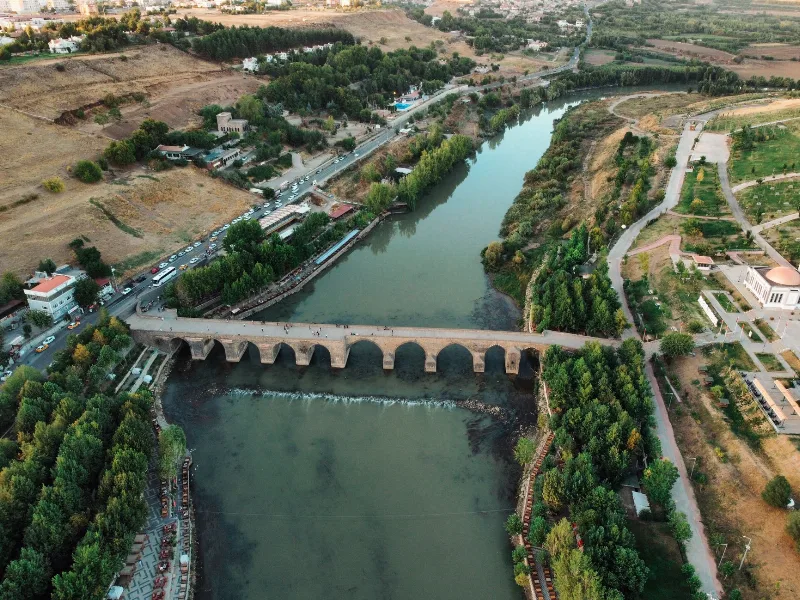
5-Day Tigris and Euphrates Route
A five-day, east-to-west journey across Southeastern Anatolia from Diyarbakır to Gaziantep, following the Tigris and Euphrates through Mardin, Şanlıurfa, Göbeklitepe and Harran.