
Köprülü Canyon
Köprülü Canyon is a deep river canyon in Antalya Province, carved by the Köprüçay River. It is part of a national park and is known for its steep walls, Mediterranean vegetation, and seasonal river conditions.
Köprülü Canyon is a deep river canyon in Antalya Province, southwestern Turkey, carved by the Köprüçay River (also called the Köprü River). It lies mainly within Köprülü Canyon National Park, in the Manavgat district, inland from the Mediterranean coast and roughly northeast of the city of Antalya. The canyon is cut into the limestone and other sedimentary rocks of the Taurus Mountains, with steep walls and a permanent river flowing through its floor. It is one of Turkey's best-known canyons and is closely associated with whitewater rafting on the Köprüçay.
Where Is Köprülü Canyon?
Köprülü Canyon is located in the Antalya Province of southern Turkey, primarily within the Manavgat district. The nearest significant settlement is Beşkonak, a village at the edge of the national park. The canyon follows the course of the Köprüçay River, which rises in the Taurus Mountains and eventually reaches the Mediterranean Sea near Serik. The national park protects a long section of the canyon and the surrounding forested mountains. The name Köprülü means with bridge in Turkish, referring to the historic bridges that cross the river, including Roman-era stone bridges that are part of the area's cultural landscape. The canyon is not a single narrow gorge from end to end; it includes wider sections, narrower passages, and stretches where the river runs between high rocky walls.
How the Canyon Was Formed
The Köprüçay River has been eroding the landscape for a very long time. The surrounding Taurus Mountains are largely made of limestone, a rock that dissolves slowly in water. Over thousands of years, the river has cut downward through the rock, creating a deep canyon with steep sides. The process continues today, especially during periods of high water. The canyon walls expose layers of rock that show the geological history of the region. In some places, the river has carved narrow channels and small rapids; in others, the valley opens up, allowing more sunlight to reach the riverbanks. This combination of erosion, limestone terrain, and a persistent river is what gives Köprülü Canyon its distinctive shape.
Landscape and Natural Features
The canyon is characterized by high, rocky cliffs, a flowing river, and Mediterranean vegetation. The slopes are covered with pine forests, maquis shrubland, and scattered trees such as plane trees and oleanders along the water. The river itself is usually clear and cool, fed by springs and snowmelt from the mountains. The water level changes throughout the year, which affects the appearance of the rapids and the width of the river. The national park supports a range of wildlife, including wild boar, foxes, and various birds. Larger mammals such as wild goats may live in the more remote parts of the Taurus Mountains, but they are not commonly seen. The canyon's microclimate can be cooler and more humid than the surrounding coast, especially in summer.
Seasons and Weather
Spring is a time of high water in the canyon. Snow from the Taurus Mountains melts, and the Köprüçay River carries more water, making the rapids stronger. The weather is generally mild, and the vegetation is green. Summer is hot and dry. Temperatures can be high, but the canyon floor and the river provide some shade and cooler air. The river level is lower, but it still flows. This is the busiest season for visitors. Autumn brings milder temperatures and moderate water levels. The landscape remains largely evergreen, though some deciduous trees may show color. Winter can be cool and rainy. The river may rise again after rain, and some side roads or paths may be affected by wet conditions. Snow is possible at higher elevations in the national park, but the canyon floor is usually milder.
What Visitors Can See
The main natural attraction is the canyon itself: the deep valley, the steep rock walls, and the river. Visitors can see the contrast between the dry, rocky upper slopes and the green vegetation along the water. The river has sections with rapids and calmer pools, and the sound of water is constant in many parts of the canyon. The historic bridges are also visible in some areas, adding a human element to the natural scene. The surrounding national park offers views of forested mountains and the wider Taurus range. Because the canyon is a protected area, the environment is relatively undisturbed in many places.
How to Reach the Area
Köprülü Canyon is generally reached by road from Antalya or from the coastal towns of Serik and Manavgat. The main access route leads to Beşkonak, from where roads follow parts of the canyon and the Köprüçay River. The drive from Antalya takes a few hours, depending on traffic and the exact destination. Public transportation to the canyon itself is limited, so most visitors arrive by private vehicle or as part of organized activities. The roads can be winding and narrow in places, and drivers should be prepared for mountain conditions.
Practical Considerations
The terrain in and around the canyon is rocky and uneven. Visitors should wear sturdy footwear and be prepared for steep sections if they walk near the river or on the slopes. The river can be powerful, especially in spring, and water conditions change quickly. Rafting is a known activity on the Köprüçay, but it requires proper equipment and guidance. The canyon is within a national park, so conservation rules apply; visitors should avoid leaving waste and should not disturb wildlife or plants. Summer heat can be intense, so water and sun protection are important. There are limited services in the immediate canyon area, so supplies should be obtained in larger towns before arriving.
Conservation and Protected Status
Köprülü Canyon National Park was established in 1973, making it one of Turkey's older national parks. Its purpose is to protect the canyon, the Köprüçay River, and the surrounding forest and wildlife. The national park status helps limit development and keeps the landscape relatively natural. The river and canyon are also important for scientific study and for recreation such as rafting. Visitors should respect the protected status and follow any local regulations.
Nearby Natural Places
The canyon is part of the larger Taurus Mountains, a major mountain range that runs along southern Turkey. The Köprüçay River continues beyond the canyon toward the Mediterranean coast. Other natural areas in the wider Antalya region include the Manavgat River and its waterfall, and the karst landscapes of the Taurus Mountains. These places share a Mediterranean climate and similar vegetation, but each has its own character. Köprülü Canyon stands out for its deep river-cut gorge and the combination of forest, rock, and water.
Beaches & bays
See the coast →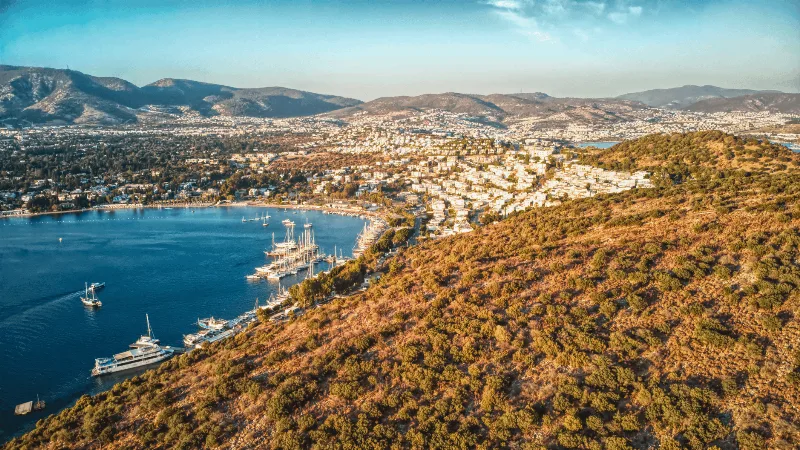
Related content
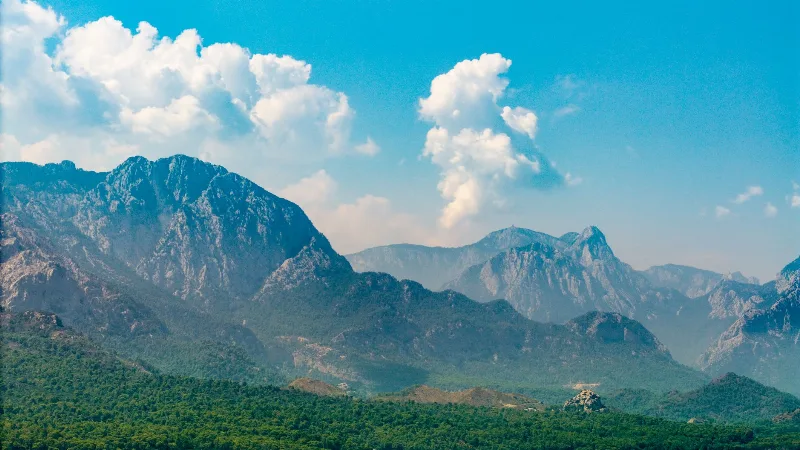
Antalya
Antalya offers a unique blend of vibrant history and stunning natural beauty, making it a must-visit destination in Türkiye.
Köprülü Canyon Roman Bridge and Rafting in Antalya
Köprülü Canyon brings together a Roman bridge, the rushing Köprüçay River and pine-covered cliffs in the Taurus Mountains. Rafting, ancient ruins and quiet highland villages lie within easy reach of one another.
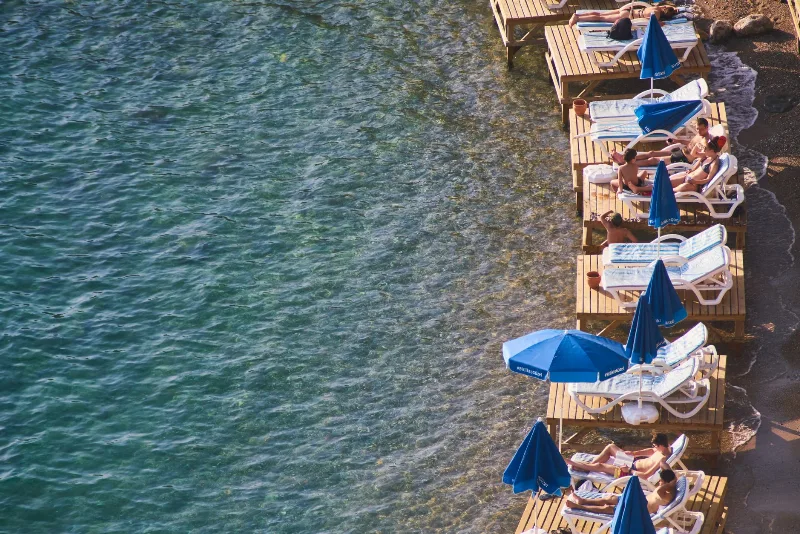
Antalya's Mediterranean Coast
Antalya's Mediterranean coast, located in Türkiye, offers stunning beaches and rich historical sites, making it a captivating destination.
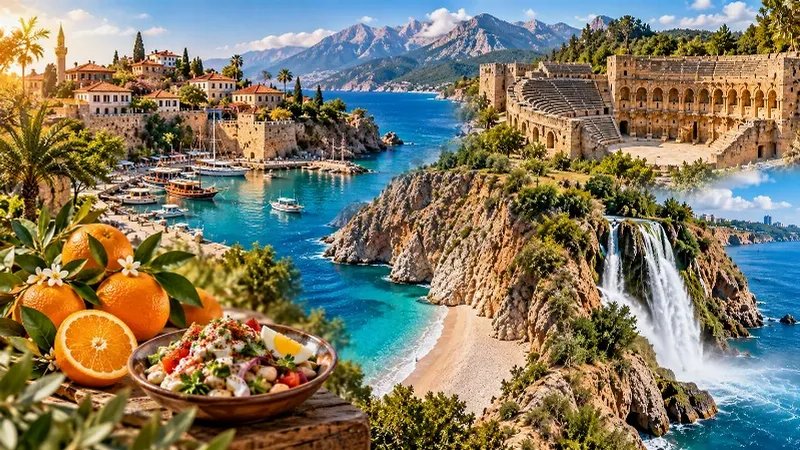
Mediterranean Region
Türkiye's Mediterranean Region combines turquoise coastlines, dramatic mountains, ancient cities and fertile landscapes. From Antalya's beautiful beaches to the historic settlements of the eastern Mediterranean, the region offers a rich blend of natural scenery, cultural heritage and traditional local life.
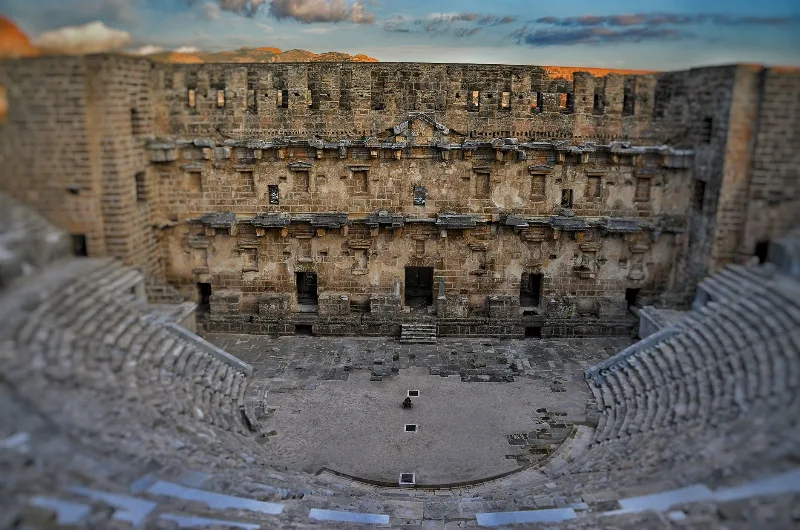
Aspendos and its Roman Theatre
Aspendos in Antalya Province preserves a strikingly complete Roman theatre, where tiered seating, a towering stage wall and a nearby aqueduct reveal how Roman Pamphylia was built and lived.
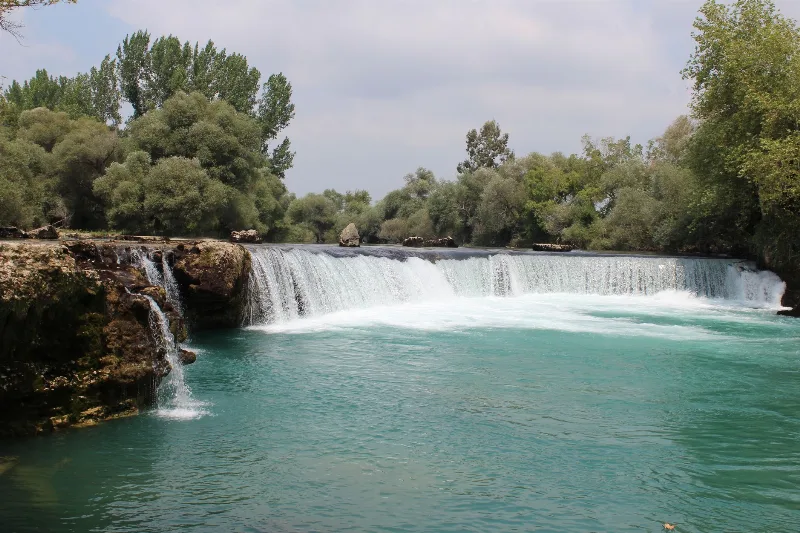
Manavgat Waterfall
Manavgat Waterfall is a broad, low cascade on the spring-fed Manavgat River in Antalya Province, close to the town of Manavgat and the Mediterranean coast. Its defining feature is width and steady water volume rather than height.