
Göksu Delta
The Göksu Delta is a coastal wetland complex in Mersin Province where the Göksu River meets the Mediterranean, made up of lagoons, marshes, mudflats and sand dunes. It is known for its waterbird populations and for sea turtles nesting on its beaches.
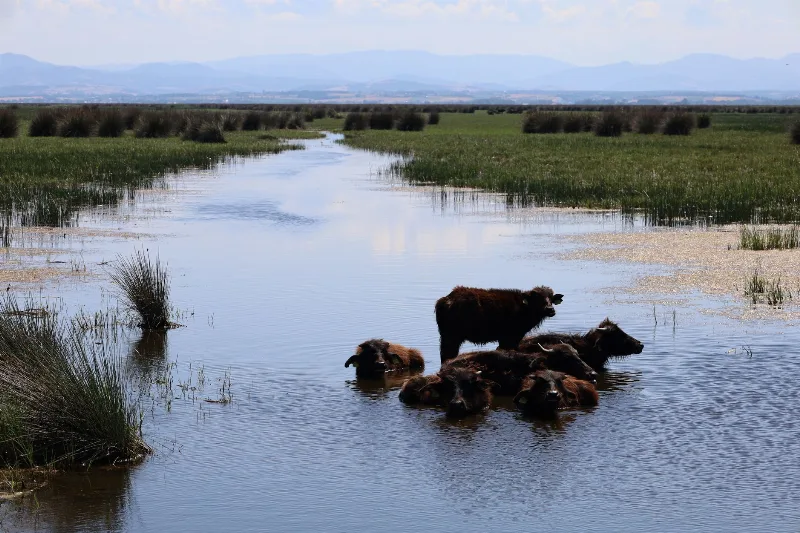
The Göksu Delta lies on the Mediterranean coast of Mersin Province in southern Türkiye, in the Silifke district, at the point where the Göksu River reaches the sea. It is a river-mouth wetland complex rather than a single habitat: shallow lagoons, reedbeds, salt and freshwater marshes, mudflats and low sand dunes sit side by side on a flat alluvial plain between the river channel and the coast. Its identity comes from that combination — a large, still-functioning delta on a stretch of the Turkish Mediterranean where most river mouths have been heavily altered — and from its position on an eastern Mediterranean bird migration corridor.
Where the delta sits on the Mersin coast
The delta occupies the coastal plain around the Göksu mouth, roughly between the town of Silifke, which lies a short distance inland, and the small coastal settlement of Taşucu. The plain is almost entirely flat and low-lying, standing only slightly above sea level, and it is backed to the north and west by the rising ground of the Taurus foothills. Because the land is so level, the boundary between water, marsh and dry ground shifts considerably with the seasons and with the river's flow.
The wetland covers an area on the order of fifteen thousand hectares when the lagoons, marshes, dunes and the intervening strips of land are counted together. That scale matters to a visitor: the delta is not something that can be taken in from one point. Different parts of it look and behave quite differently, and the character of the coast changes from open beach to dune ridge to shallow, reed-fringed water within a few hundred metres.
A delta built by the Göksu River
The Göksu is a heavily sediment-laden river that drains a large catchment in the Taurus mountains before crossing the coastal plain. The material it carries has been deposited at its mouth over a long period, building the delta outward and creating the maze of old channels, shallow basins and bars that now form the wetland. The river was known in antiquity as the Calycadnus, and the stretch near Silifke was called the Saleph — the watercourse in which the Holy Roman Emperor Frederick Barbarossa died in 1190 while on the Third Crusade.
Because the river still delivers sediment and freshwater, the delta is dynamic rather than static. Channels silt, lagoon mouths open and close, and the balance between fresh and salt water varies from one lagoon to another and from one year to the next.
Lagoons, salt flats and sand dunes
Two shallow lagoons dominate the open water of the delta, Akgöl and Paradeniz, separated from the sea by dune ridges and narrow strips of beach. They are not identical: one is fed more directly by the river and stays fresher, while the other is more strongly influenced by the sea and becomes brackish or saline, particularly in the dry months. Around them lie reedbeds of common reed, rush-dominated marsh, and low, salt-tolerant vegetation on flats that dry out and whiten in summer.
The dunes form a distinct belt along the shoreline. They are low and gently sloping rather than dramatic, held in place by dune grasses and low scrub, and they grade landward into more stable, vegetated sand. This dune belt is thin, and in places the lagoon water lies just behind it, so the transition from open sea to sheltered wetland happens over a very short distance.
Birds of the Göksu Delta
The delta's reputation rests largely on its birds. Its shallow, productive water and its position on migration routes make it a stopping and wintering place for large numbers of waterbirds, and it has been recorded as a breeding site for a range of species that depend on reedbeds, islands and open shallows. Herons, egrets, cormorants, gulls and terns are part of the everyday scene, and in the colder months the open water and flooded flats attract wintering wildfowl, including flamingos, along with ducks, coots and grebes.
Spring and autumn are the most varied periods, when passage migrants join the resident and breeding birds. Midsummer is comparatively quiet for waterbirds, and the birds that remain are concentrated on whatever water persists.
Sea turtles and the beach strip
The beaches along the delta are among the eastern Mediterranean nesting sites of loggerhead and green sea turtles. Females come ashore in the warmer months to lay, and the nests are buried in the sand of the same dune belt that shelters the lagoons. This makes the coastal strip an area where the natural values of the site extend from the water inland to the dunes, rather than being confined to the wetland itself.
How the delta changes through the year
In winter the delta is at its wettest. Rainfall and higher river flow spread water across the flats, the marshes fill, and the site holds its largest concentrations of birds. Spring brings green growth on the dunes and in the marsh, active nesting, and a wave of migrating birds moving north. Summer is hot, bright and dry: water levels fall, exposed mud and salt flats expand, the vegetation browns, and the dunes become the most conspicuous feature of the landscape. Autumn reverses the process, with water returning and migrants passing through again.
Reaching and viewing the wetland
The delta is reached from Silifke and from the coastal road that runs through the plain towards Taşucu. The terrain is flat throughout, and there is no high ground within the delta itself from which to gain an overall view; the landscape is read at close range, along the edges of the lagoons, the dune line and the beach. Much of the wetland is soft, waterlogged ground that does not bear weight, and a large part of the site is set aside for breeding birds and nesting turtles, so access is generally limited to the margins and the accessible parts of the coastal strip.
Conditions to plan around are straightforward but easy to underestimate. There is very little shade, summer heat and glare are strong, and mosquitoes are numerous in the warm months. Standing water in the marshes is not suitable for drinking, and the open flats offer no shelter if the weather turns.
Protection status and practical considerations
The Göksu Delta has been recognised as a wetland of international importance under the Ramsar Convention since 1994 and is also designated as a specially protected environmental area. That status shapes what a visitor can do: the value of the site lies in its undisturbed marsh, dune and lagoon habitats, and disturbance — particularly at nesting colonies and on turtle beaches — is the main concern. Staying on existing tracks and the firm parts of the shore, keeping noise low and avoiding the dune vegetation are the practical ways to limit impact.
Natural places around the delta
The delta sits in a stretch of coast with other natural features within easy reach. To the west, the shoreline towards Narlıkuyu is known for its large collapse sinkholes, Cennet and Cehennem, which are geological formations rather than karst caves of the usual kind. Further west along the same coast lie the beaches around Kızkalesi and the limestone valleys behind them. Inland, the Göksu itself continues up through its valley towards Mut, and the Taurus slopes above Silifke offer a very different landscape of steep ground, dry forest and rocky terrain compared with the flat, watery plain at the river mouth.
Beaches & bays
See the coast →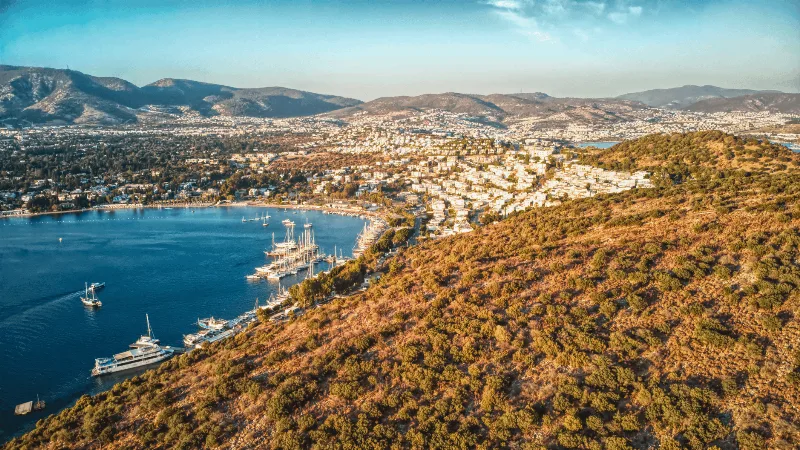
Related content
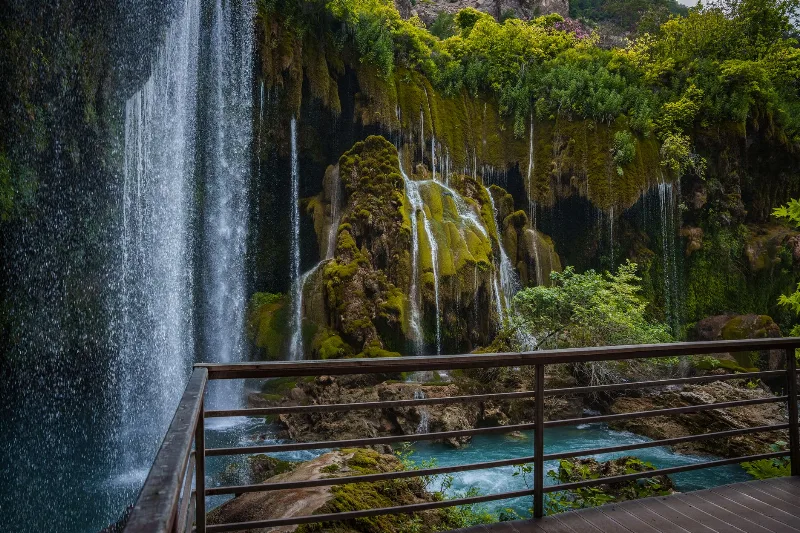
Yerköprü Waterfall
Yerköprü Waterfall in Mersin Province is a natural waterfall where the Göksu River emerges from a cave, creating a turquoise pool. Its karst setting and seasonal flow variations make it a distinctive natural site in southern Turkey.
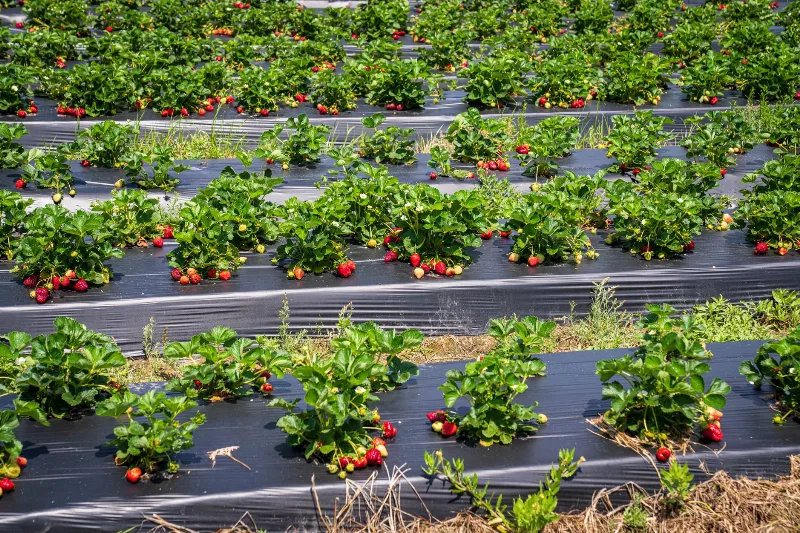
Strawberry Harvest in Silifke, Mersin
Silifke's strawberry harvest is one of Türkiye's earliest, normally running from around February to April on the coastal plain where the Göksu River meets the Mediterranean. The mild winter there pushes the fruit to ripeness weeks ahead of most other growing regions.
Ceyhan River Cotton Fields in Adana
The Ceyhan River crosses the Çukurova plain east of Adana, where irrigated cotton fields shape one of Türkiye's most distinctive agricultural landscapes.
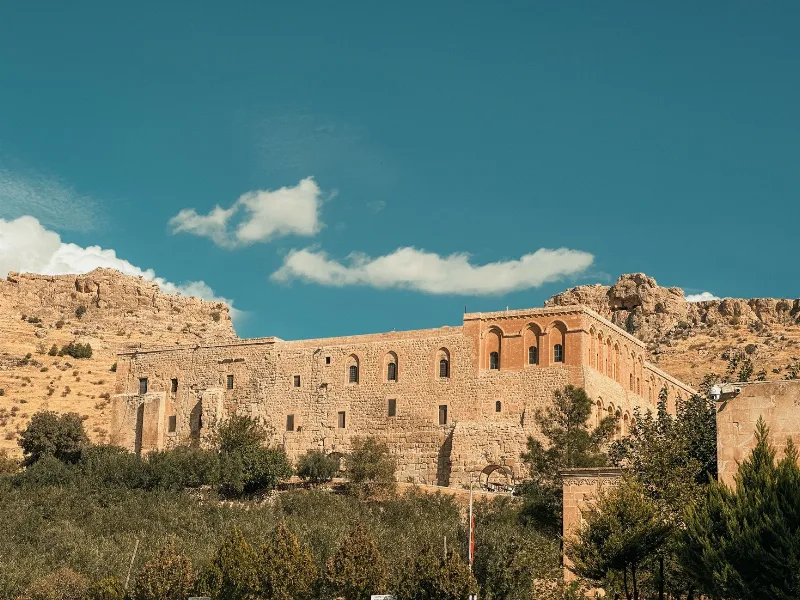
Alahan Monastery
Alahan Monastery is a 5th-century early Christian complex in the Taurus Mountains of Mersin Province, Türkiye, whose basilicas, baptistery, colonnade and rock-cut tombs preserve the plan of a late antique monastery.
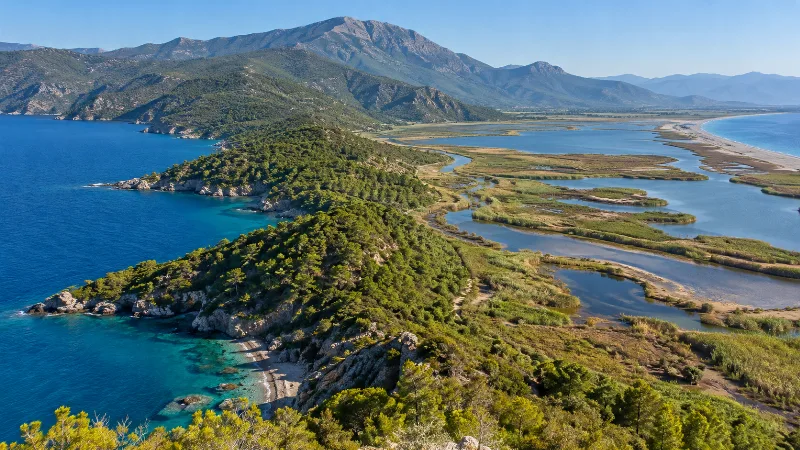
Dilek Peninsula–Büyük Menderes Delta National Park
Dilek Peninsula–Büyük Menderes Delta National Park in Aydın pairs a forested Aegean mountain ridge with a broad river delta of lagoons and reedbeds. The two halves form one of the western coast's most varied protected landscapes.
Kızılırmak Delta
The Kızılırmak Delta is a large coastal wetland where Türkiye's longest river meets the Black Sea in Samsun Province. It is a Ramsar site known for its shallow lagoons, reed beds, dunes and dense birdlife.