Tokat
Tokat is a historic inland city in north-central Türkiye, occupying a valley between wooded mountains and agricultural plains. Its provincial capital is known for traditional houses, monuments and long-standing trading traditions. The wider province contains older towns, river landscapes and significant archaeological sites, linking the inland Black Sea region with central Anatolia.
Tokat is a historic inland city in north-central Türkiye, occupying a valley between wooded mountains and agricultural plains. Its provincial capital is known for traditional houses, monuments and long-standing trading traditions. The wider province contains older towns, river landscapes and significant archaeological sites, linking the inland Black Sea region with central Anatolia.
Geography and Landscape
The Yeşilırmak river system shapes Tokat Province through valleys and fertile fields. Elevation varies between cultivated lowlands and forested mountain slopes. Orchards, vineyards and crop-growing areas surround several district centres. This transition from sheltered valleys to higher terrain creates a varied landscape, with settlement often concentrated in accessible valleys and along transport routes.
Much of Tokat's historical character lies in the connections between the central city and towns such as Niksar and Zile. The surrounding valleys and mountains explain why their local environments can feel quite different.
History and Heritage
Tokat developed through ancient, Byzantine, Seljuk and Ottoman periods, leaving a layered architectural record. Its position on regional routes supported trade and craft production. Historic inns, mosques and traditional houses remain part of the city's built environment. The province also includes ancient Comana Pontica near the capital, illustrating the region's importance long before the Ottoman period.
For a fuller understanding of Tokat, it helps to separate the provincial capital from the wider administrative area. The main urban centre contains everyday commercial and civic life, while individual districts preserve their own landmarks, settlement patterns and rural traditions. The location of a site within the province matters: a landscape, archaeological monument or coastal settlement may require travel well beyond the capital. Reading a provincial map alongside local district names makes the variety of the area clearer.
Places to Visit
Tokat Castle overlooks the historic centre, while Gök Medrese and other older structures demonstrate the city's architectural heritage. The Taşhan caravanserai is another recognisable urban landmark. The town of Niksar is known for its historic setting and monuments, and Zile has its own ancient associations. Different district centres present different aspects of the province's long history.
Local Culture and Cuisine
Tokat's food traditions include Tokat kebabı, local vine leaves and produce from its fertile valleys. Copperworking and other crafts have been associated with the city's commercial life. Regional markets connect the capital with rural districts, where agriculture remains an important livelihood. Historic streets and everyday food culture together convey the province's blend of urban and countryside traditions.
Climate and Seasons
The lower valleys can be warm in summer, while higher areas have cooler and wetter conditions. Winters bring cold weather and occasional snow, especially at elevation. Spring is associated with orchards and greenery in cultivated areas, and autumn with harvest activity. Because Tokat spans several landscape zones, conditions can vary between the provincial capital, Niksar and higher mountain roads.
Getting There and Around
Tokat is linked by regional highways with Amasya, Sivas and Samsun. Tokat Airport serves the province, subject to current flights. The historic centre includes walkable streets, though the castle stands above the lower urban area. Niksar, Zile and other district attractions require additional road travel, and a province-wide itinerary benefits from grouping destinations by geographic area.
Discover Food in Türkiye
All food →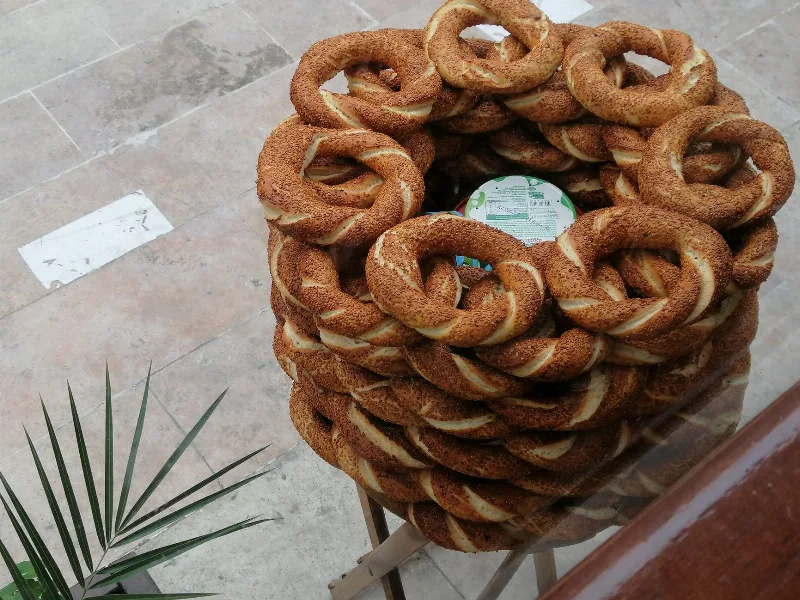
Simit
Simit is a ring-shaped Turkish bread covered in sesame seeds, strongly associated with Istanbul and sold as everyday street food. It is eaten fresh, most often with tea, and has a crisp crust around a chewy crumb.
Explore →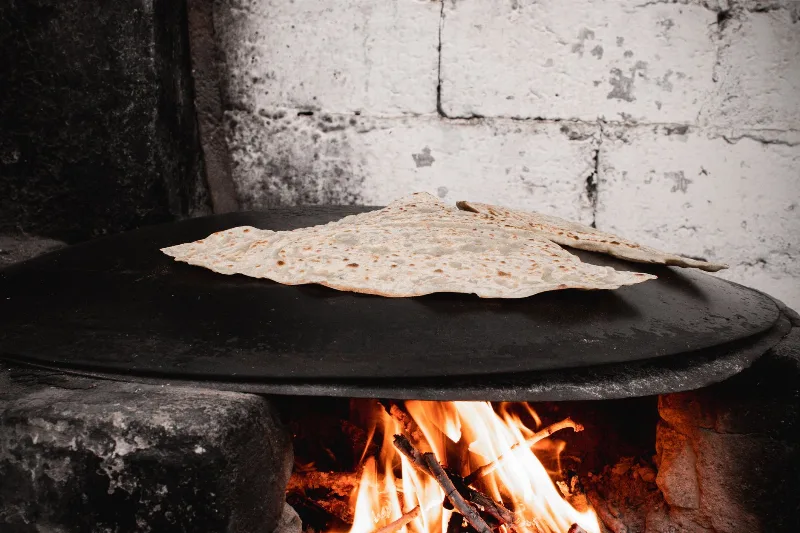
Bazlama
Bazlama is a soft, thick Turkish flatbread made from a leavened dough and cooked on a hot griddle. It is a staple of village baking across Anatolia, eaten warm with butter or used to wrap other foods.
Explore →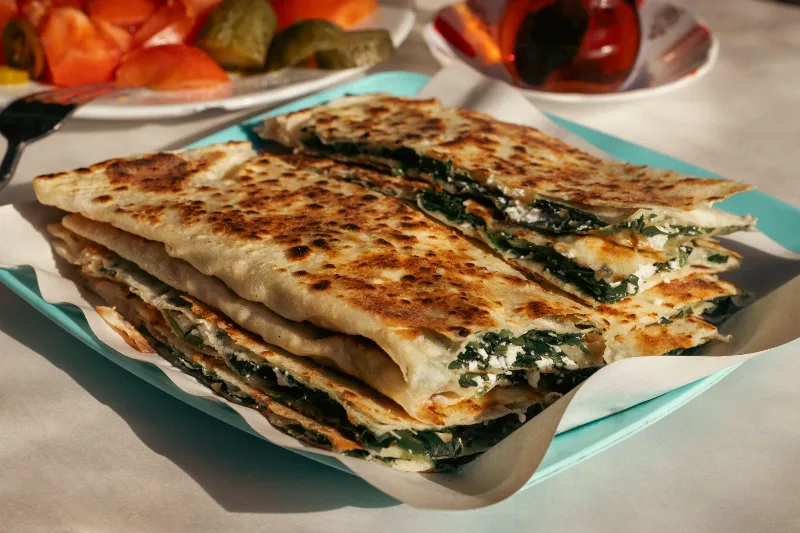
Gözleme
Gözleme is a thin, hand-rolled Anatolian flatbread folded around savory fillings such as cheese, spinach, or minced meat and cooked on a sac griddle. The article covers its regional variations, cooking method, texture, and traditional serving style.
Explore →Related content
Sivas
Sivas is a large inland province in central-eastern Türkiye, with a high-altitude capital known for Seljuk monuments and its place in modern Turkish history. Broad plains, mountains and historic towns extend across one of the country's largest provincial areas. The city is a major regional centre, while the wider province contains important.
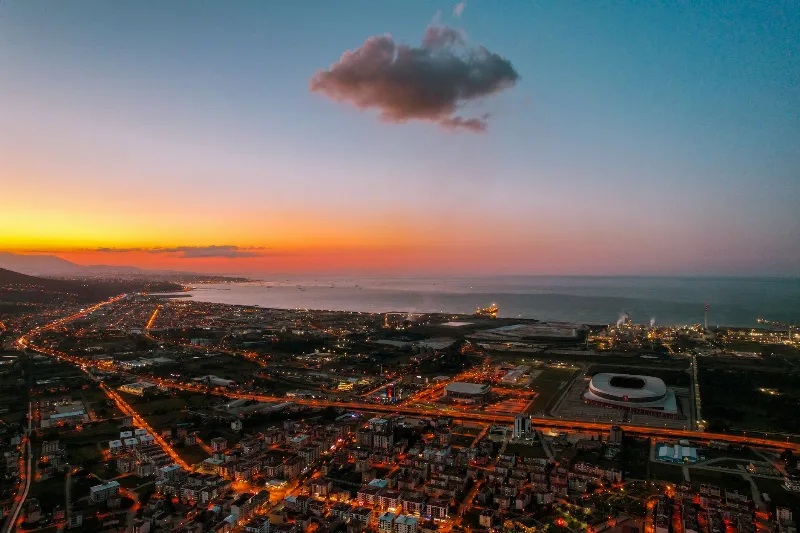
Samsun
Samsun is a large Black Sea port city in northern Türkiye and the historic starting point of the Turkish War of Independence in 1919. It is a major metropolitan centre set between wide river deltas, coastal plains and the mountains of the Black Sea hinterland.
Divriği Great Mosque Stone Carvings in Sivas
In the eastern Sivas district of Divriği, a thirteenth-century mosque and hospital complex carries some of Anatolia's most intricate stone carving, recognised today as a UNESCO World Heritage Site.
Keşkek
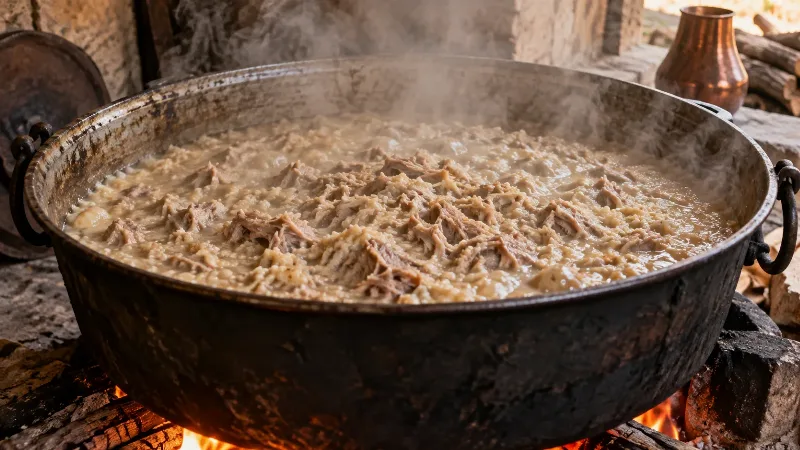
Keşkek is a traditional Anatolian dish made by cooking hulled whole wheat together with meat and pounding the softened mixture into a thick, dense mass. It is best known as a communal celebration food, especially at weddings.
Bafra Plain Tobacco and Rice Fields in Samsun
The Bafra Plain in Samsun is a fertile delta built by the Kızılırmak, known for its thin-leaved tobacco, flooded rice paddies and bird-rich coastal wetlands.
6-Day Central Black Sea Route
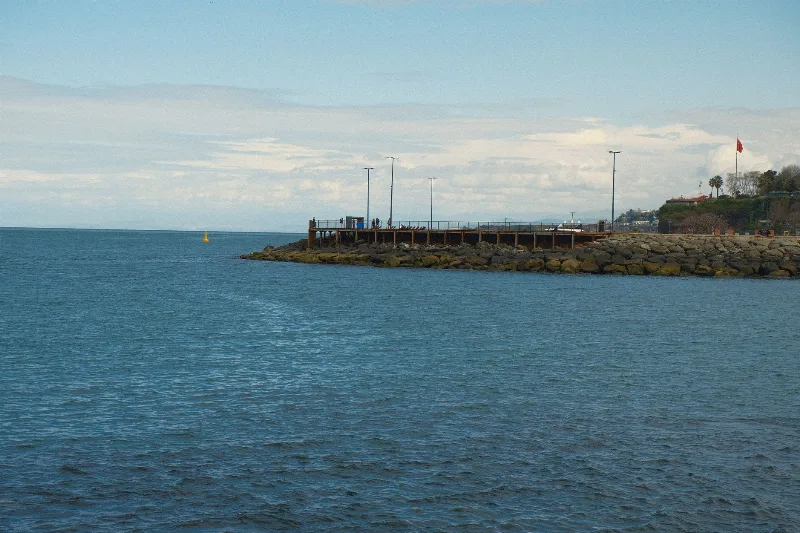
A six-day journey along Turkey's Central Black Sea coast from Samsun to Trabzon, visiting Ordu and Giresun with highland and beach stops.