Sivas
Sivas is a large inland province in central-eastern Türkiye, with a high-altitude capital known for Seljuk monuments and its place in modern Turkish history. Broad plains, mountains and historic towns extend across one of the country's largest provincial areas. The city is a major regional centre, while the wider province contains important.
Sivas is a large inland province in central-eastern Türkiye, with a high-altitude capital known for Seljuk monuments and its place in modern Turkish history. Broad plains, mountains and historic towns extend across one of the country's largest provincial areas. The city is a major regional centre, while the wider province contains important heritage sites and varied rural landscapes.
Geography and Landscape
The provincial capital stands on the elevated Anatolian plateau, where winters are severe and distances between towns can be substantial. The province includes river valleys, pastureland and mountain ranges, with climatic and geographical differences from district to district. The Kızılırmak originates in the broader Sivas region. Open landscapes and high elevations give much of the countryside a distinctive continental character.
Because Sivas is geographically extensive, its major monuments and natural places are not close together. A guide to the province needs to distinguish the central urban heritage from important district destinations such as Divriği.
History and Heritage
Sivas was an important centre in medieval Anatolia, and its Seljuk architectural monuments remain defining landmarks. The Sivas Congress of 1919 was a significant event in the Turkish War of Independence. The province also includes Divriği, whose Great Mosque and Hospital complex is inscribed on the UNESCO World Heritage List. Together these sites reflect different periods of artistic and political history.
For a fuller understanding of Sivas, it helps to separate the provincial capital from the wider administrative area. The main urban centre contains everyday commercial and civic life, while individual districts preserve their own landmarks, settlement patterns and rural traditions. The location of a site within the province matters: a landscape, archaeological monument or coastal settlement may require travel well beyond the capital. Reading a provincial map alongside local district names makes the variety of the area clearer.
Places to Visit
The Buruciye, Çifte Minareli and Şifaiye medreses are among the most recognisable historical structures in central Sivas. The Sivas Congress Museum explains the city's modern historical role. In the wider province, Divriği Great Mosque and Hospital is a major architectural destination, while Kangal and other districts offer separate local landscapes. Distances make some excursions full-day or multi-stage journeys.
Local Culture and Cuisine
Sivas is known for regional foods such as madımak dishes and locally prepared pastries, as well as a long tradition of folk music and poetry. Livestock raising and grain farming have historically supported rural life. The province's cultural identity combines central Anatolian and eastern highland influences. Traditional markets and historic civic buildings remain part of the everyday environment of the provincial capital.
Climate and Seasons
Winters are long and often snowy, with temperatures regularly dropping below freezing. Summers can be warm and relatively dry, although nights are cooler than in many lowland cities. Spring arrives later at high elevations, and autumn can be brief before winter conditions return. Weather and travel conditions in remote districts may differ significantly from those in central Sivas.
Getting There and Around
Sivas is connected by road and rail to Ankara, Kayseri, Erzincan and other inland destinations. An airport also serves the provincial capital, subject to current schedules. Central monuments can be visited within the urban area, but Divriği and other distant districts require substantial separate travel. The size of the province makes route planning especially important for visitors combining cultural and natural sites.
Discover Food in Türkiye
All food →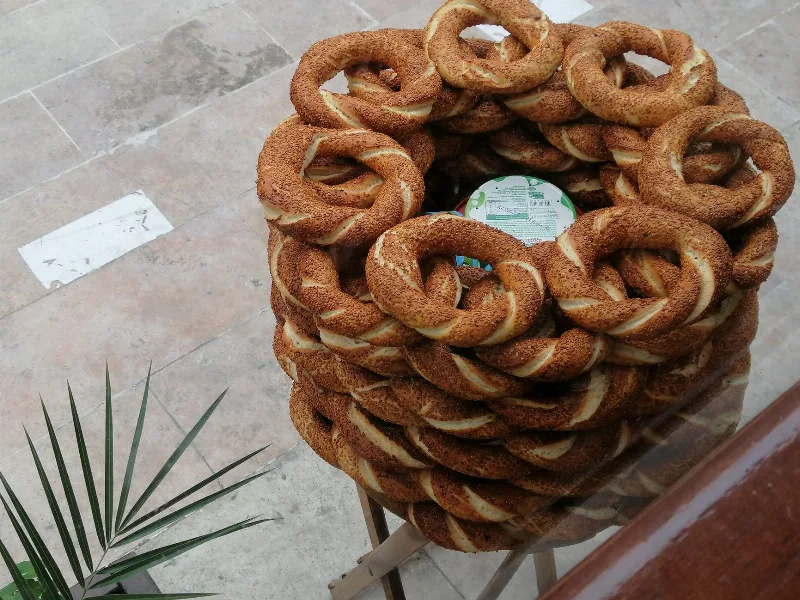
Simit
Simit is a ring-shaped Turkish bread covered in sesame seeds, strongly associated with Istanbul and sold as everyday street food. It is eaten fresh, most often with tea, and has a crisp crust around a chewy crumb.
Explore →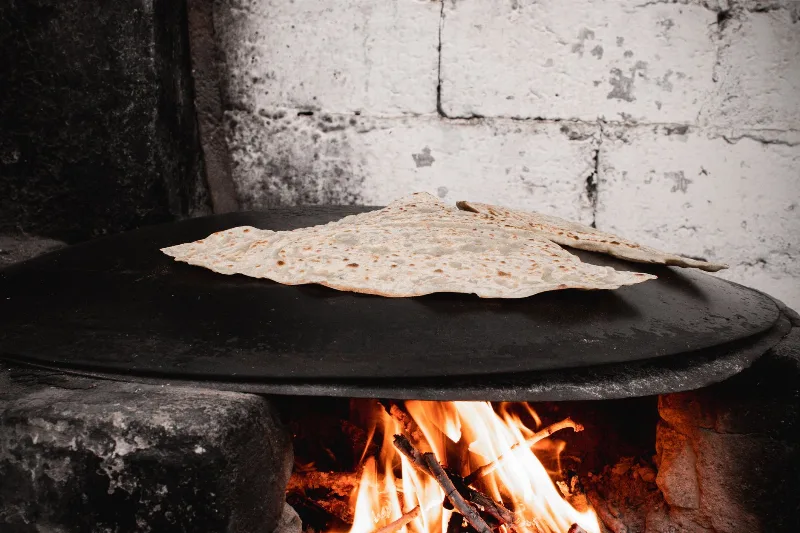
Bazlama
Bazlama is a soft, thick Turkish flatbread made from a leavened dough and cooked on a hot griddle. It is a staple of village baking across Anatolia, eaten warm with butter or used to wrap other foods.
Explore →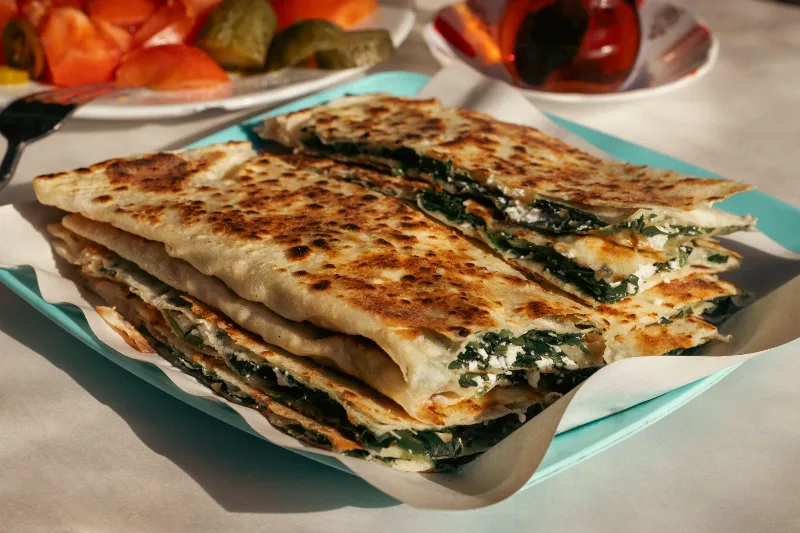
Gözleme
Gözleme is a thin, hand-rolled Anatolian flatbread folded around savory fillings such as cheese, spinach, or minced meat and cooked on a sac griddle. The article covers its regional variations, cooking method, texture, and traditional serving style.
Explore →Related content
Ankara
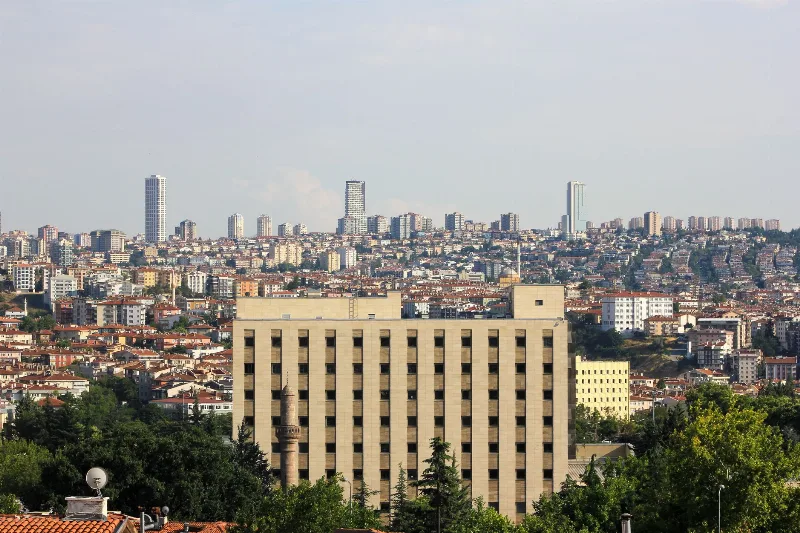
Ankara is the capital of Türkiye and the country's second-largest city, set on the high plateau of Central Anatolia and defined by its republican institutions, its long pre-Ottoman history and the mausoleum of Mustafa Kemal Atatürk.
Kayseri
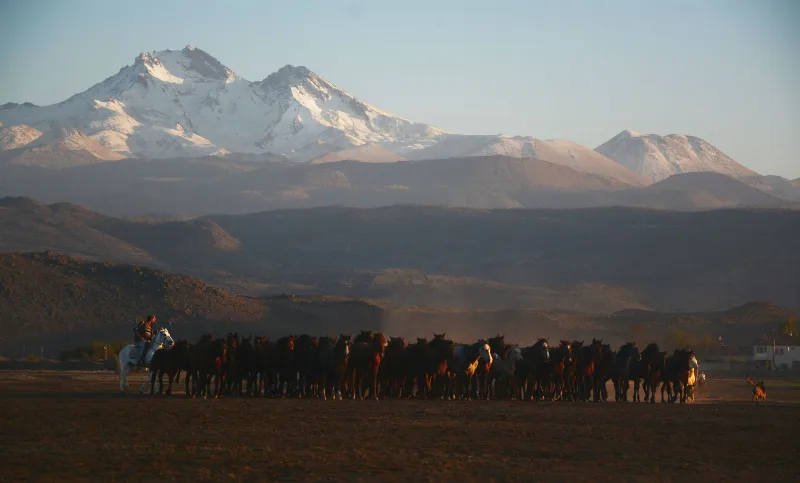
Kayseri is a major inland city in Central Anatolia, set on a plain at the foot of Mount Erciyes, and known for its Seljuk architecture, its manufacturing economy and a food culture built on pastırma and mantı.
Erzincan
Erzincan is a province in eastern Türkiye, set within a broad valley framed by mountain ranges. The modern city is a regional centre along an important east-west corridor, while the province includes the historic town of Kemaliye, rugged gorges and agricultural land along the upper Euphrates system. Its character reflects both highland geography.

Central Anatolia Region
Central Anatolia is the historic heartland of Türkiye, known for its wide plains, extraordinary rock formations, ancient civilizations and traditional towns. From the fairy chimneys of Cappadocia to the cultural landmarks of Ankara and Konya, the region reveals the rich history and natural beauty of inner Anatolia.
Yozgat
Yozgat is an inland provincial capital in Central Anatolia, surrounded by high plains and rolling countryside. Its traditional town centre, agricultural hinterland and nearby protected woodland reflect the character of Türkiye's central plateau. The province is less coastal or metropolitan in focus, with its main attractions dispersed among historical towns, natural areas and rural districts.
Kültepe
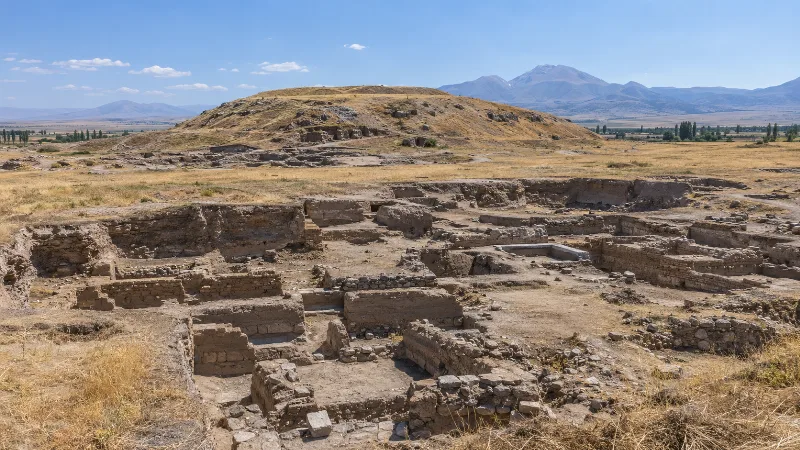
Kültepe, the ancient city of Kanesh, is a Bronze Age mound and lower-city site northeast of Kayseri in central Türkiye. Its Assyrian merchants left behind thousands of cuneiform tablets, the earliest written records discovered in Anatolia.