
Divriği Great Mosque: Stone Carvings of Sivas
In the eastern Sivas district of Divriği, a thirteenth-century mosque and hospital complex carries some of Anatolia's most intricate stone carving, recognised today as a UNESCO World Heritage Site.
On a slope beneath the citadel of Divriği, a town in the eastern part of Sivas province, stands a building complex whose carved doorways are among the most celebrated works of medieval Anatolian stonework. The Divriği Great Mosque and its adjoining hospital, known as the Darüşşifa, were commissioned in the thirteenth century and have been inscribed on the UNESCO World Heritage List since 1985. The town itself spreads through a valley of the Çaltı river, and the mosque sits at its heart, close to the old defensive walls and the rocky outcrop above.
The Mengücek Patronage Behind the Complex
The mosque was built during the rule of the Mengücek principality, a local dynasty that governed this corner of eastern Anatolia after the decline of Seljuk central authority. Inscriptions on the building name Ahmed Shah as the patron and record the year 1228 for the mosque, with the hospital completed a little later. The design is attributed to Hürrem Shah of Ahlat, a craftsman whose name appears on the stonework — an unusual honour that suggests the prestige attached to the carving itself. The complex combined worship with medical care, an arrangement found in several Seljuk-era foundations, and the hospital is thought to have treated both physical and mental illness.
Three Doorways, Three Distinct Compositions
What draws visitors and scholars is the treatment of the three great portals. Each is a deep recess framed by bands of carving, crowned with a muqarnas hood of cascading niches, and each follows its own logic rather than repeating the others. The northern portal belongs to the mosque, the western one to the hospital, and the eastern one, sometimes called the Shah portal, opens onto a raised platform. Because the three façades were not conceived as a matched set, the complex has an asymmetry that many architectural historians regard as deliberate rather than accidental.
Motifs and Techniques in the Carving
The relief work is cut into local stone in a warm grey-beige tone, quarried in the surrounding district. Craftsmen used a mixture of high and low relief so that the surfaces shift in depth, catching the sun at different angles through the day and throwing shadows into the recesses. The repertoire includes interlaced geometric stars, split palmettes, scrolling rumi tendrils, knotted bands, small rosettes and rows of muqarnas cells, arranged in horizontal registers that frame the doorways. Some panels carry plant forms so densely packed that the underlying stone almost disappears; elsewhere the carving thins out to leave broad, quiet surfaces, and this contrast is part of what makes the façades legible rather than merely busy.
Interior Details and the Minaret
Inside, the mosque follows a basilical plan with rows of columns and a domed bay near the mihrab. The mihrab and the minbar carry their own carved decoration, and the dome is pierced with small openings that admit pinpoints of light. The minaret rises from one corner of the building, its brick shaft and stone base contrasting with the more elaborately worked façades below. A short walk through the surrounding streets reveals traditional houses of stone and timber, and the citadel hill offers a view across the valley to the wider landscape of the district.
Visiting a Site of World Heritage Status
Divriği is reached by road and rail from Sivas, a journey that passes through increasingly mountainous country. The complex is a working monument rather than a museum piece, and conservation work has been carried out over the years to protect the porous stone from weathering. For anyone interested in Seljuk architecture, the carving here repays slow attention: the same doorway will look different in morning and afternoon light, and details that seem symmetrical at a glance often turn out to be subtly varied. It is this combination of technical mastery, religious and charitable purpose, and a distinctly individual artistic hand that gives the Divriği Great Mosque its lasting place in the story of Anatolian building.
Related content
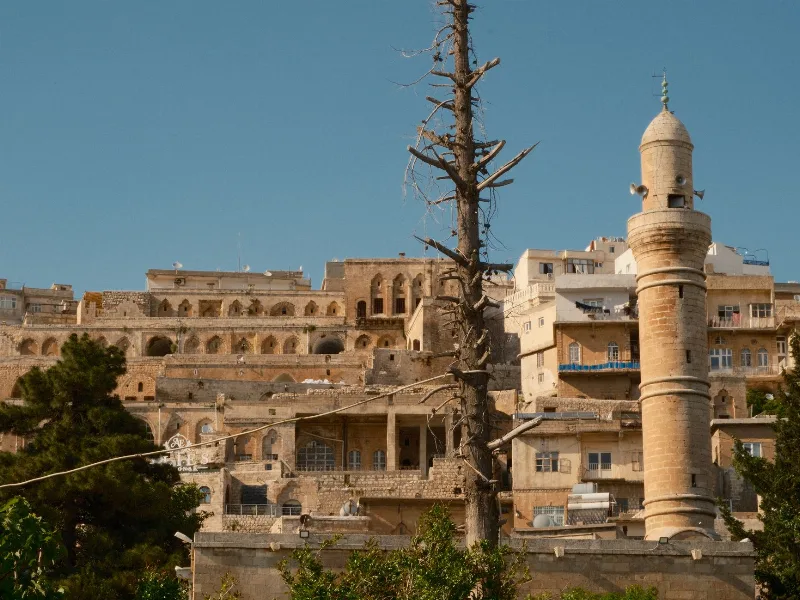
The Architectural Wonders of Mardin
Mardin showcases a blend of ancient architectural styles and natural landscapes, reflecting its rich history and cultural heritage.
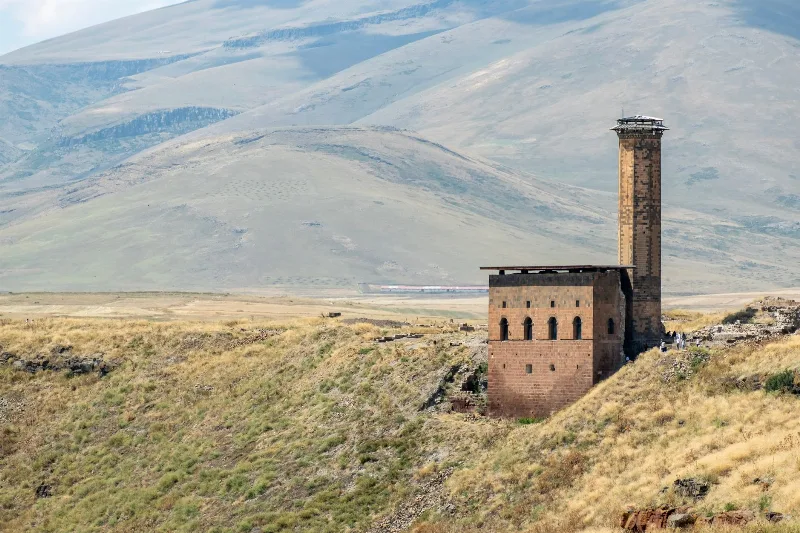
The Ancient City of Ani in Eastern Türkiye
Ani, an abandoned medieval city on the Turkish-Armenian border, offers a fascinating glimpse into a rich past with its well-preserved churches, mosque, and walls. Located near Kars, this ancient site invites travelers to explore its haunting beauty.
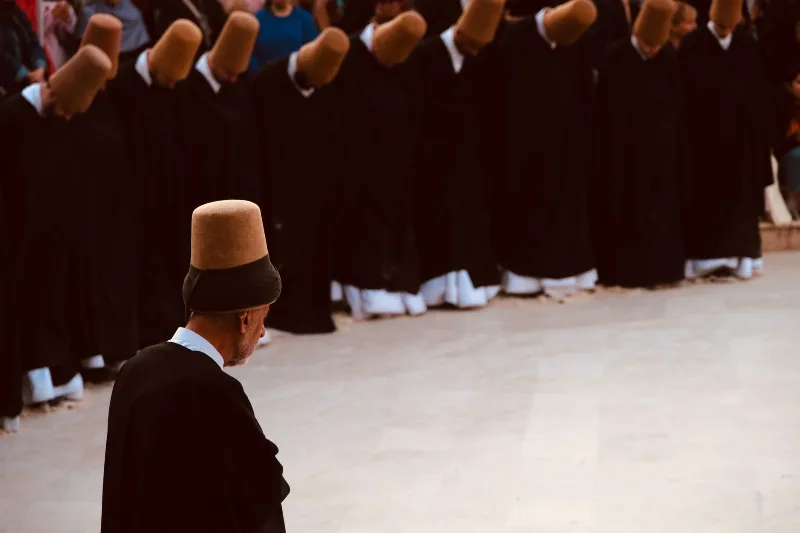
The Cultural Riches of Konya and the Whirling Dervishes
Discover the cultural heritage of Konya, home to the Whirling Dervishes, a city rich in history and spirituality.
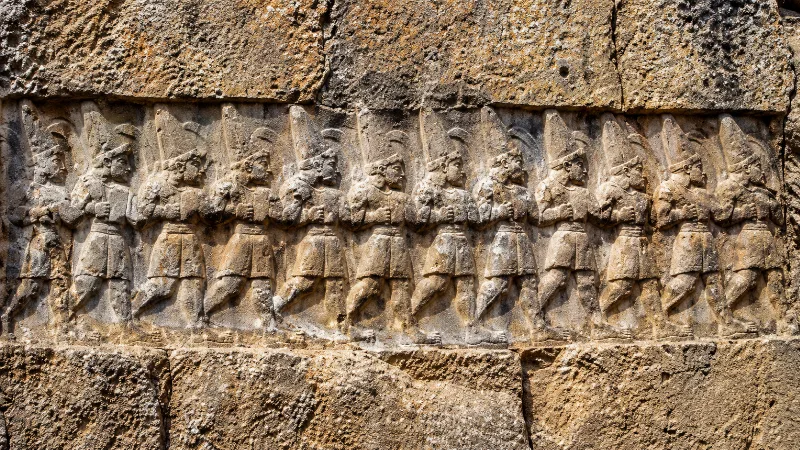
Yazılıkaya
Yazılıkaya is an open-air Hittite rock sanctuary cut into limestone near the ancient capital of Hattusa, decorated with reliefs of gods and kings and now part of a UNESCO World Heritage Site.
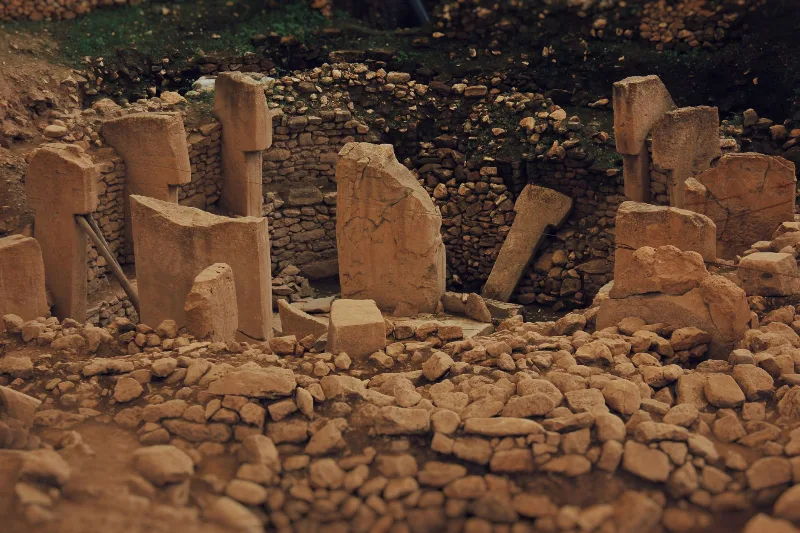
Göbekli Tepe Archaeological Site
Discover Göbekli Tepe, an extraordinary archaeological site in Türkiye revealing ancient civilizations through its monumental structures.
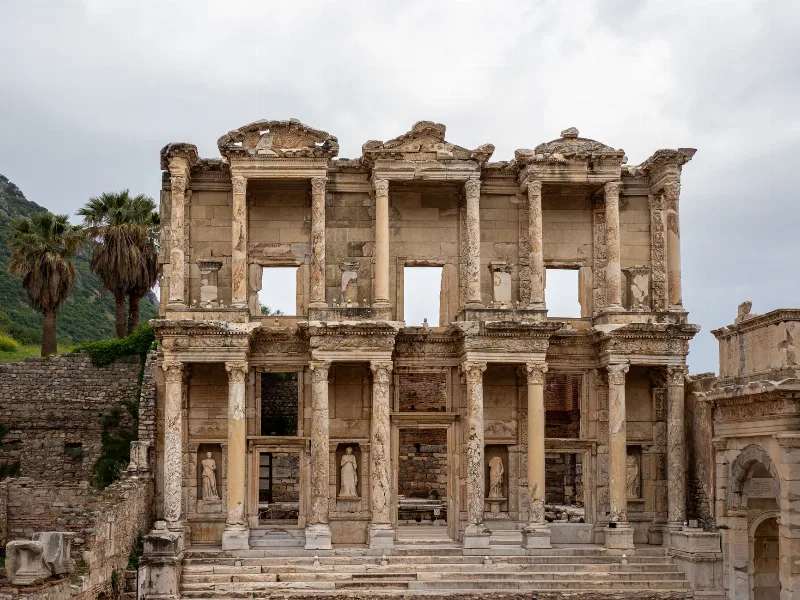
Ephesus
Ephesus is an ancient Greek and Roman city near Selçuk in İzmir Province, Türkiye, whose ruins include the Library of Celsus, the Great Theatre and the remains of the Temple of Artemis.
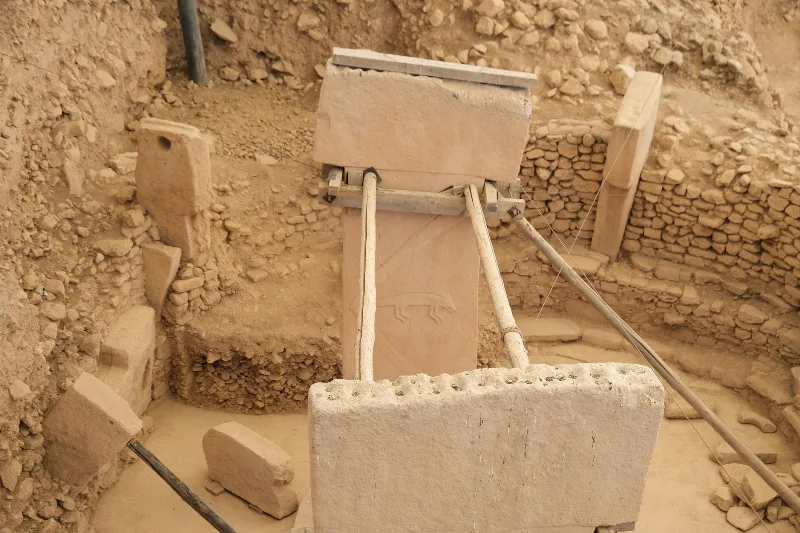
Göbekli Tepe
Göbekli Tepe is the oldest known monumental stone complex, raised by hunter-gatherers near Şanlıurfa in southeastern Türkiye around 9600 BCE. Its carved T-shaped pillars and deliberate burial have reshaped ideas about the Neolithic.
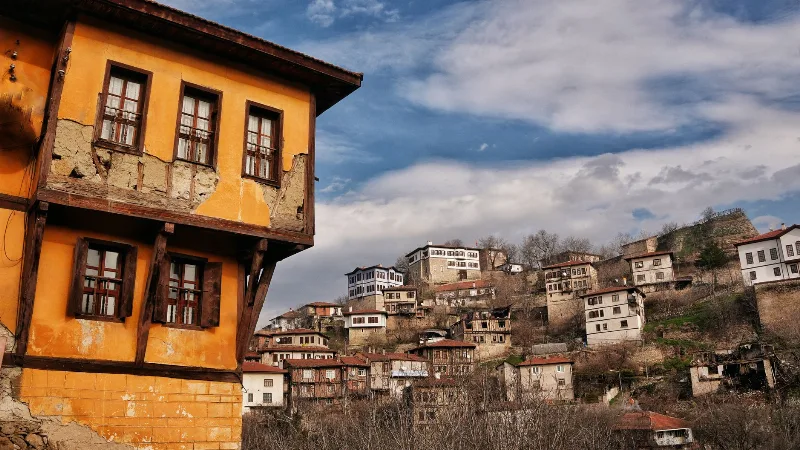
Traditional Villages of Türkiye
Türkiye's traditional villages blend stone houses, timber balconies and seasonal customs into landscapes that reveal the country's rural heritage.