
Traditional Villages of Türkiye
Türkiye's traditional villages blend stone houses, timber balconies and seasonal customs into landscapes that reveal the country's rural heritage.
Scattered across the Anatolian plateau, the Aegean hills and the Black Sea highlands, Türkiye's traditional villages keep alive building methods, farming rhythms and social customs that have shaped the countryside for centuries. Many developed around a mosque, a fountain or a small square, and their layout still reflects an older way of living in which houses, orchards and grazing land were carefully balanced. Wandering through these settlements offers a quiet introduction to Turkish heritage, where stone, timber, earth and water define everyday life.
Architecture Shaped by Local Stone and Timber
Traditional houses in Türkiye are closely tied to the materials available nearby. In Safranbolu, a historic town in the Karabük province, timber-framed mansions rise several storeys with projecting upper floors, latticed windows and steep tiled roofs. Similar techniques appear in Taraklı and Beypazarı, where narrow lanes follow the slope of the land and courtyards remain hidden behind high walls. Near Bursa, the village of Cumalıkızık is known for its colourful stone and mud-brick houses arranged along cobbled streets that lead towards orchards and the lower slopes of Uludağ. Wooden ceilings, carved cupboards and open balconies are common features, designed to keep interiors cool in summer and warm in winter.
Stone Villages of the Cappadocian Valleys
In the Cappadocia region, villages such as Mustafapaşa, Ayvalı and İbrahimpaşa grew among soft volcanic rock that could be carved rather than quarried. Dwellings, storerooms and stables were cut directly into the tuff, while façades above ground were built with local stone blocks. Doorways and windows often carry simple geometric carvings, and the same pale rock defines courtyards, arches and stepped terraces. The result is a settlement pattern in which buildings and landscape are almost impossible to separate.
Aegean, Mediterranean and Island Villages
Further west, Şirince sits on a hillside in the İzmir province, surrounded by olive groves and vineyards, with whitewashed houses and red-tiled roofs. Along the Aegean and Mediterranean coasts, villages such as Kayaköy near Fethiye show a different history: stone houses abandoned in the early twentieth century now stand roofless among pine trees, their walls still tracing streets and small chapels. On Gökçeada and along the Marmara coast, places like Tirilye combine Greek and Ottoman influences in masonry, garden walls and old olive presses.
Daily Life, Harvest and Seasonal Rhythms
Village life in Türkiye is closely linked to the agricultural calendar. Spring brings planting and the tending of orchards; summer is marked by harvesting wheat, sun-drying vegetables and preparing stores for winter. Autumn is the season for making pekmez from grapes and mulberries, for boiling tarhana and for gathering walnuts and olives. Bread is often baked in a communal stone oven, and dishes such as gözleme, mantı, bulgur pilaf and thick village soups made with lentils or yoghurt reflect what each region grows. In upland areas, Yörük families still move with their flocks between summer pastures and coastal plains.
Craft, Custom and Shared Work
Many traditional villages maintain crafts passed down through generations. Carpet and kilim weaving, copper work, basketry and wood carving continue in workshops attached to family homes, using patterns that differ from one district to another. Social life follows its own calendar, with weddings, spring celebrations such as Hıdrellez, and the practice of imece, in which neighbours work together to build a roof, harvest a field or prepare food. These customs, together with the architecture and landscapes around them, make Türkiye's traditional villages a living part of the country's cultural heritage.
Related content
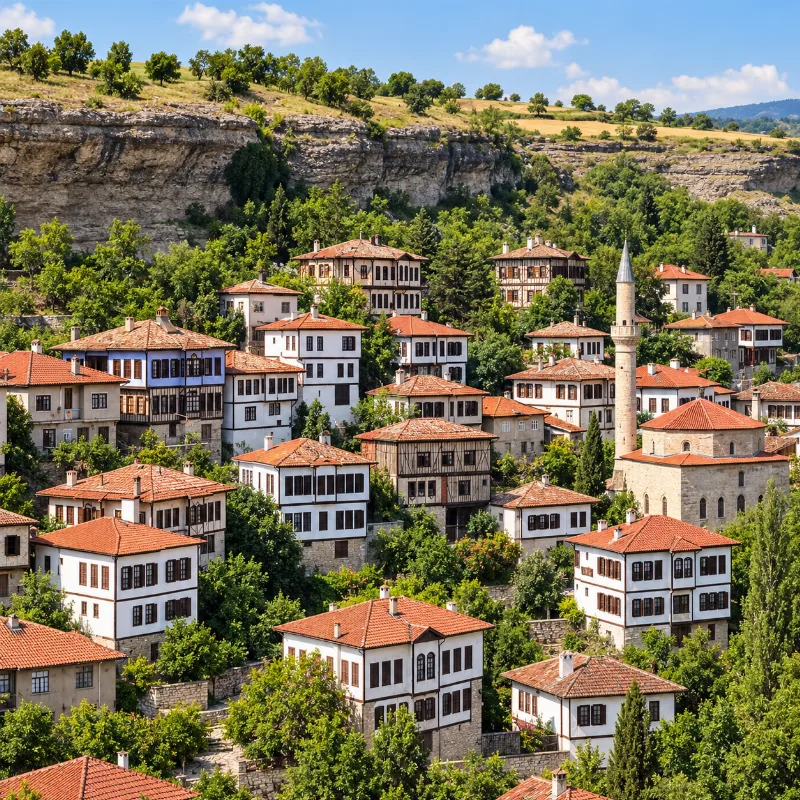
Safranbolu
Safranbolu is a historic district of Karabük Province known for its preserved Ottoman houses, cobbled streets, traditional bazaars and distinctive urban heritage.
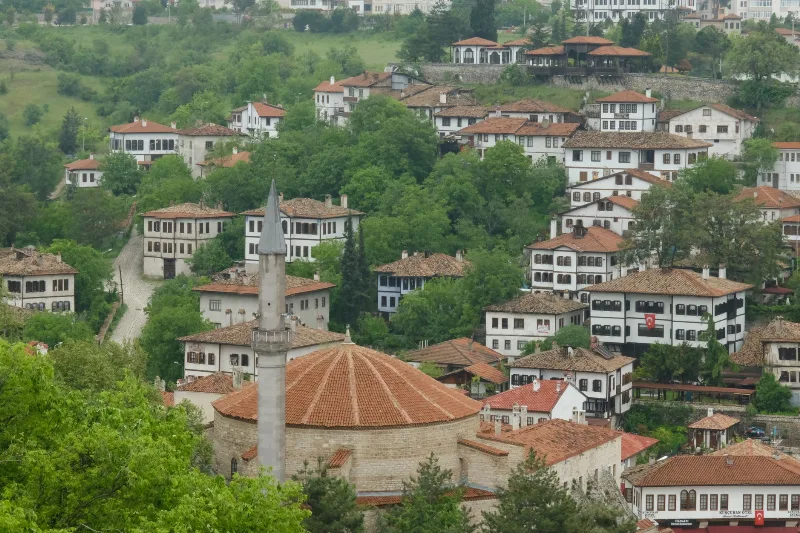
Safranbolu
Safranbolu is a UNESCO-listed Ottoman town in Karabük Province, built around a ravine bazaar and known for hundreds of timber-framed houses, historic bathhouses and the saffron that gave the town its name.
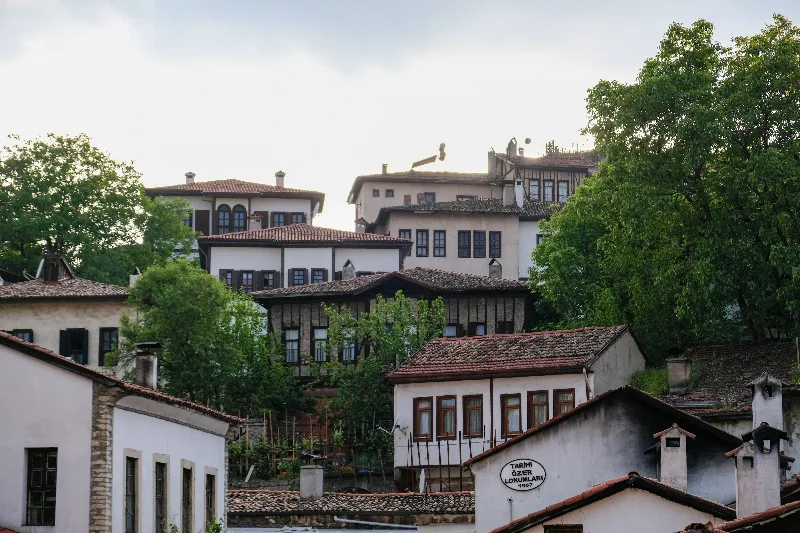
Karabük
Karabük is an inland city in Türkiye's western Black Sea region, built around the country's first integrated iron and steel works. It also serves as the practical base for reaching the UNESCO-listed historic town of Safranbolu just to its north.
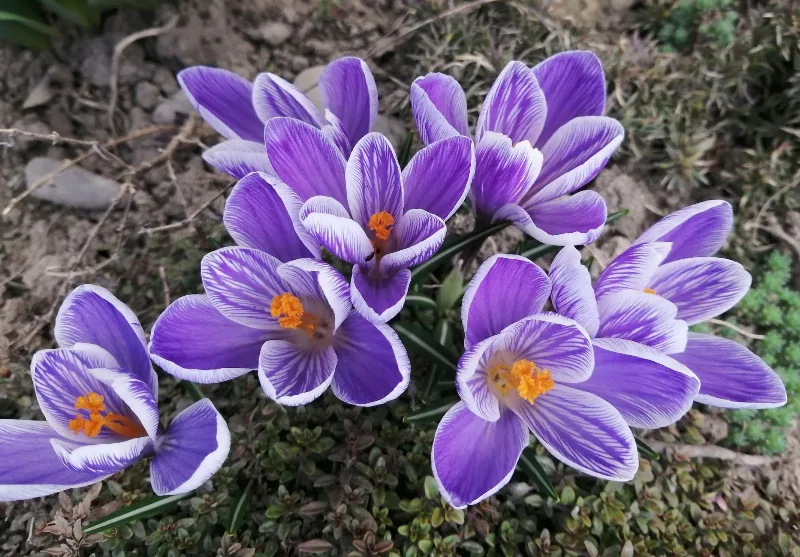
Saffron Harvest in Safranbolu, Karabük
Each October the fields around Safranbolu, Karabük, briefly turn violet as saffron crocus comes into flower, and the delicate blooms are hand-picked at dawn for the red stigmas that become the world's most expensive spice.
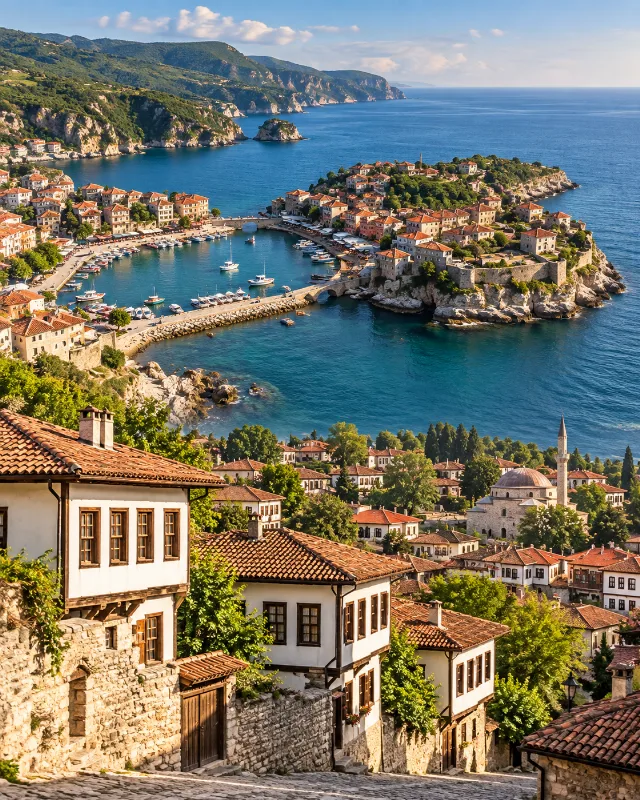
2-Day Safranbolu and Amasra Route
A two-day route combining Safranbolu’s Ottoman streets and traditional houses with the Black Sea scenery and historic harbour town of Amasra.
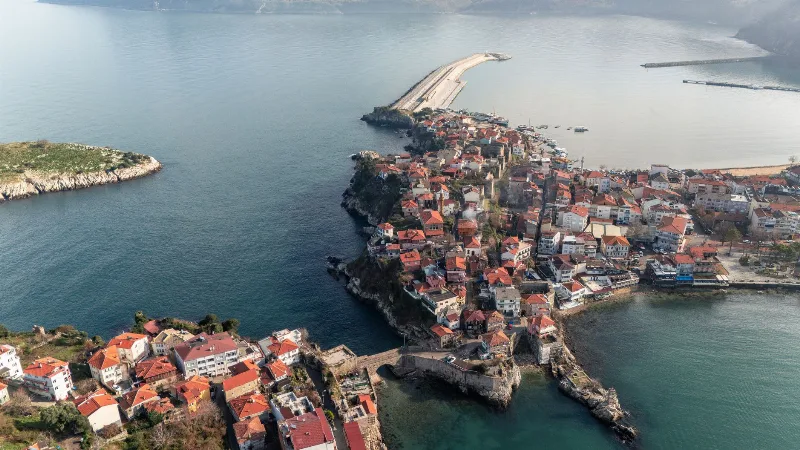
4-Day Western Black Sea Route
A four-day driving route through Türkiye's Western Black Sea region, linking the historic town of Safranbolu with the coastal town of Amasra and the inland city of Kastamonu.
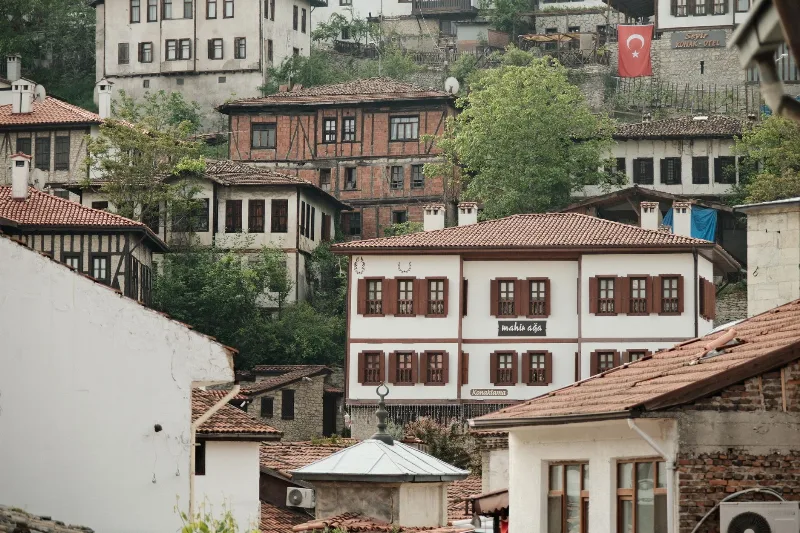
Safranbolu's Ottoman Heritage
Safranbolu in Türkiye preserves centuries of Ottoman town life in its timber houses, cobbled lanes and historic bazaar. Its old quarters form part of the UNESCO World Heritage List.
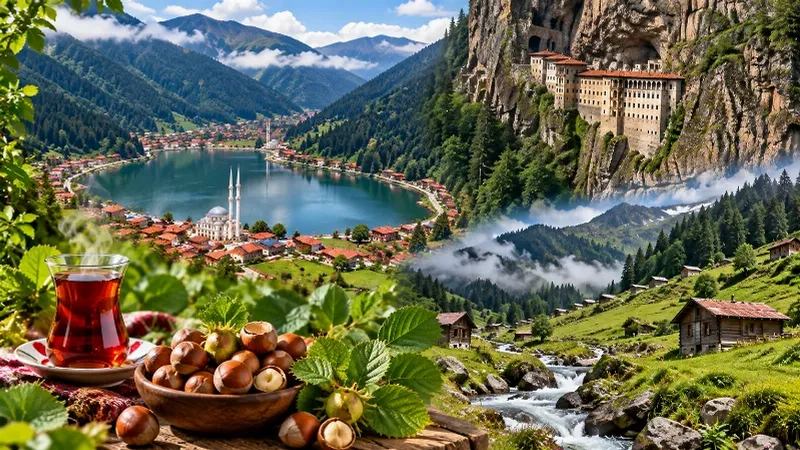
Black Sea Region
The Black Sea Region of Türkiye is known for its lush green mountains, misty highlands, dense forests and traditional villages. Stretching along the country's northern coast, the region combines spectacular natural scenery with historic towns, tea-growing landscapes and distinctive local traditions.