
Saffron Harvest in Safranbolu, Karabük
Each October the fields around Safranbolu, Karabük, briefly turn violet as saffron crocus comes into flower, and the delicate blooms are hand-picked at dawn for the red stigmas that become the world's most expensive spice.
Every year in October, the fields around Safranbolu in Karabük province, in the northwest of Turkey's Black Sea region, briefly turn violet as saffron crocus comes into flower. This is the saffron harvest: for a few weeks the delicate purple blooms open, they are hand-picked, usually at dawn, and the red stigmas inside each flower are separated and dried to make saffron, the most expensive spice in the world by weight. The window is short, the work is entirely manual, and that combination is exactly why the timing matters so much.
Why Saffron Is Connected With Safranbolu
Safranbolu's link to the spice is old enough that the town's name is generally understood to come from safran, the Turkish word for saffron. The plant grown here is Crocus sativus, a small autumn-flowering crocus that does not really exist as a wild species and survives only because people keep replanting its corms by hand. Its cultivation in the area is small in scale and concentrated in a handful of villages rather than spread across large industrial fields.
This matters for anyone trying to see the harvest. Saffron around Safranbolu is grown in modest plots, largely in and around the village of Davutobası, where the crop has been kept alive as a local tradition. The wider region has a second, related growing area further north around Araç in neighbouring Kastamonu province, so the same autumn flowering can be encountered across a broader stretch of the western Black Sea interior.
When the Saffron Season Begins and How Long It Lasts
The flowering period is short and predictable only in the broadest sense. Saffron crocus typically starts blooming in the second half of October, and the active harvest generally runs for roughly two to three weeks. Individual flowers last only a day or two, and the whole field does not open at once; blooms appear in waves, which is why picking is done repeatedly rather than in a single pass.
Because the crop is triggered by cooling autumn temperatures after a dry, dormant summer, the start of flowering shifts from year to year. A warm October can push the first flowers later, while an early cold snap can bring them forward. This is why growers watch the weather closely rather than fixing a date, and why a visitor hoping to catch the peak should treat late October as the most likely window rather than a guarantee.
What Happens During the Harvest
The daily rhythm of the harvest is dictated by the plant. Flowers are gathered very early in the morning, while the buds are still closed or just opening, because open flowers lose quality quickly and the delicate stigmas are easily damaged by heat and handling. Pickers move through the rows by hand, taking the flowers one by one.
Separating the stigmas from each flower is the slowest stage. Every bloom contains only three red threads, which is the reason such a large number of flowers is needed to produce even a small quantity of finished spice. After separation, the stigmas are dried, traditionally over gentle heat or in a warm, airy space, until they darken and curl into the deep red threads sold as saffron. The whole process, from field to dried product, happens within the same short autumn period.
The rest of the plant's cycle frames the harvest. The corms sit dormant through the hot, dry summer, are planted or lifted and divided in late summer, then push up flowers in autumn. Leaf growth follows the flowering and continues into the cooler months before the plant dies back again.
Weather, Terrain and Year-to-Year Variation
Autumn in this part of Karabük is mild by day and noticeably cool at night, with a real chance of rain and morning damp. Those conditions suit the crop, but they also make the harvest unpredictable. Heavy rain during flowering can shorten the picking window and damage open blooms, while a long, warm autumn can delay the whole cycle.
For anyone planning around the season, the practical takeaway is flexibility. The general period is October, with the most reliable flowering usually falling in the later part of the month, but the exact dates move with the weather each year. There is no fixed calendar day on which the fields reach full bloom.
What Visitors Can Realistically Expect to See
A visitor who times a trip to the flowering period can expect small, low-growing plots rather than vast cultivated landscapes. In the early morning the flowers are open and vivid against the soil, and picking activity is easiest to observe before the day warms up. Later in the day, fields often look emptier because the day's work has already been done.
It is worth being realistic about scale. Saffron around Safranbolu is a niche crop, so the experience is intimate and quiet rather than a large spectacle. The reward is seeing a genuine hand harvest of a spice that is normally only encountered in tiny, expensive jars.
Combining the Season With the Surroundings
Because the growing area is close to Safranbolu's historic town, the harvest season fits naturally into a wider autumn visit to the district. The old town itself, with its timber-framed houses and stone streets, sits in the same landscape of wooded hills and valleys that the crocus fields occupy. Eflani and the surrounding rural districts of Karabük share the same autumn character, and the saffron-growing areas around Araç in Kastamonu lie within a reasonable distance to the north for anyone following the crop across the region.
Timing the Trip Around the Bloom
The single most useful thing to understand about the Safranbolu saffron harvest is that it is a narrow, weather-dependent event. Flowering usually occurs in October, often peaking in the second half of the month, and the active picking lasts only a couple of weeks within that period. Cold, warmth, rain and the timing of the first autumn chill all influence when the fields turn violet. Planning around the general October window, and accepting that the exact days will vary from one year to the next, is the most reliable way to experience the season.
EXPLORE BY THEME
All themes →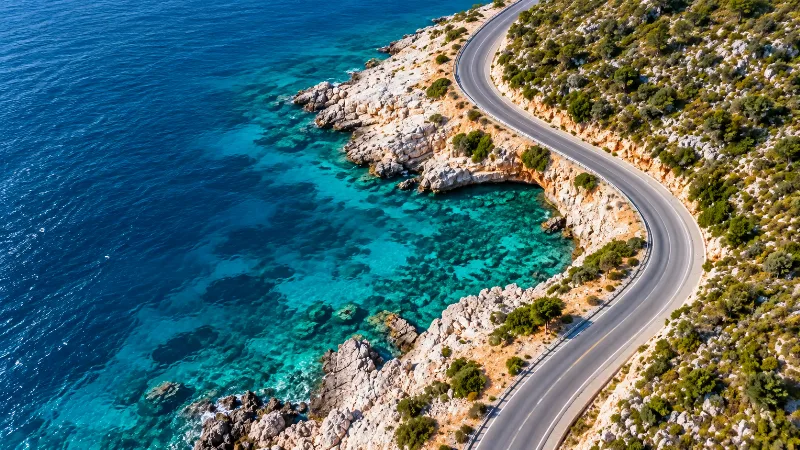
Routes
Road trips, coastal drives, cultural routes and scenic journeys across Türkiye.
Explore →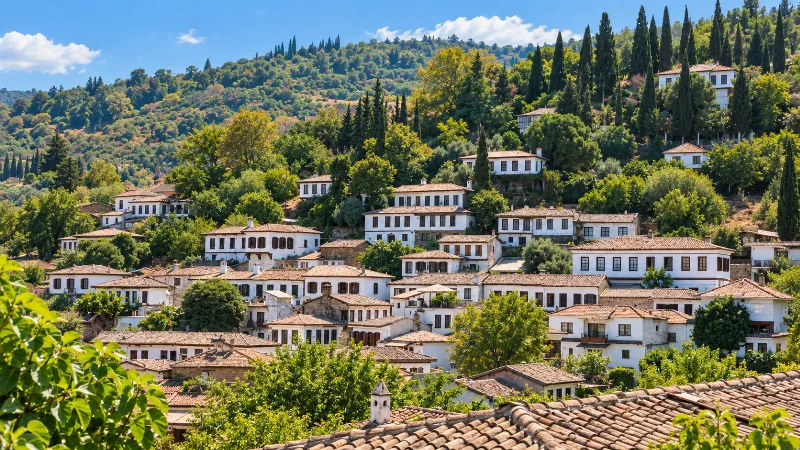
Villages
Small settlements, traditional architecture and rural landscapes across Türkiye.
Explore →
Hidden Places
Less-known villages, coves, valleys, historic sites and natural areas across Türkiye.
Explore →Related content
Safranbolu
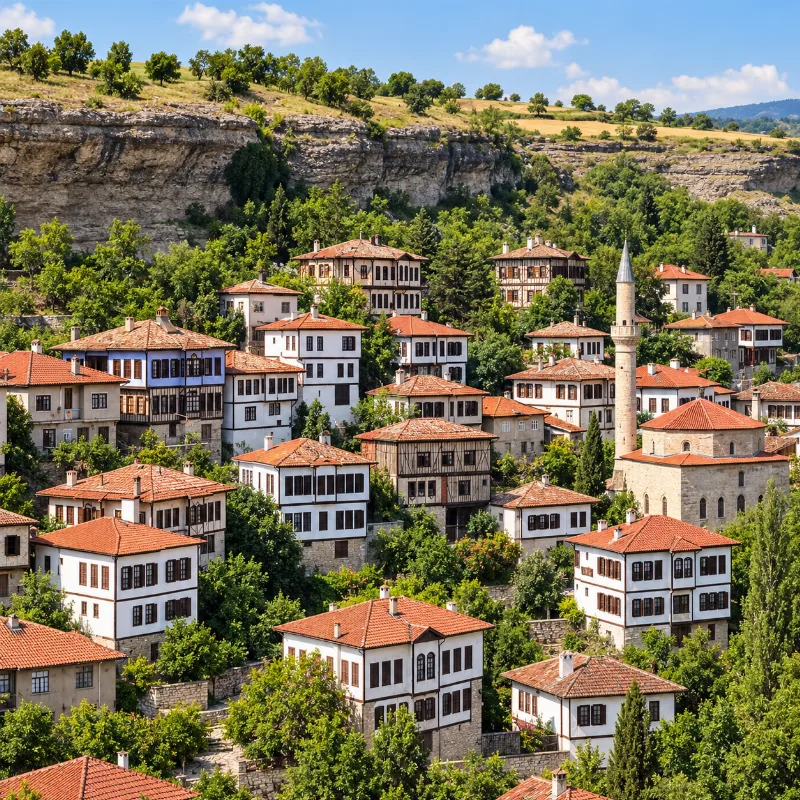
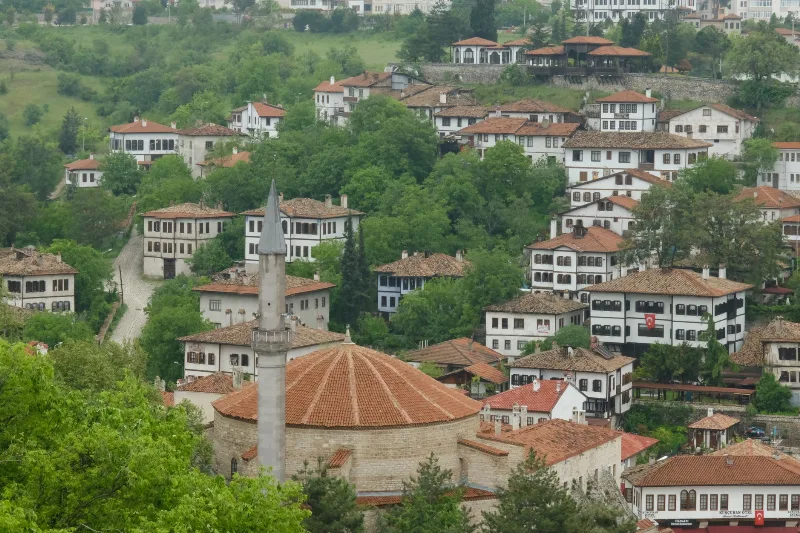
Safranbolu is a historic district of Karabük Province known for its preserved Ottoman houses, cobbled streets, traditional bazaars and distinctive urban heritage.
Safranbolu
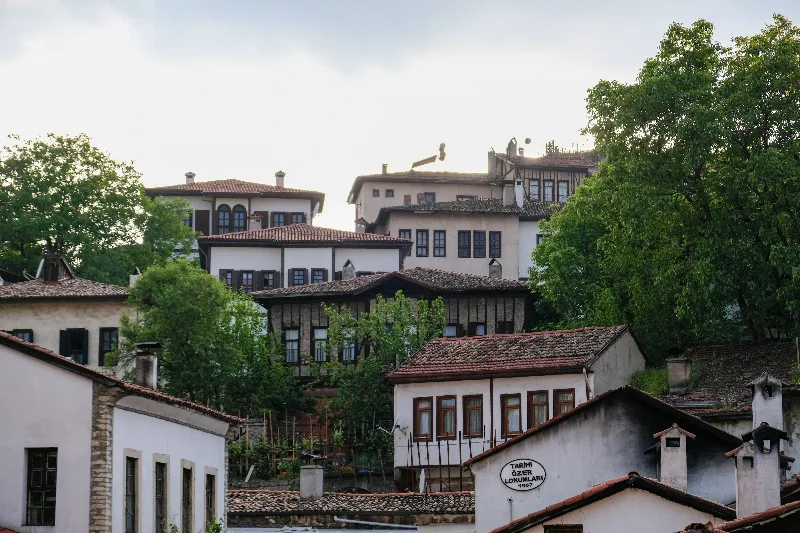
Safranbolu is a UNESCO-listed Ottoman town in Karabük Province, built around a ravine bazaar and known for hundreds of timber-framed houses, historic bathhouses and the saffron that gave the town its name.
Karabük
Karabük is an inland city in Türkiye's western Black Sea region, built around the country's first integrated iron and steel works. It also serves as the practical base for reaching the UNESCO-listed historic town of Safranbolu just to its north.
Safranbolu's Ottoman Heritage
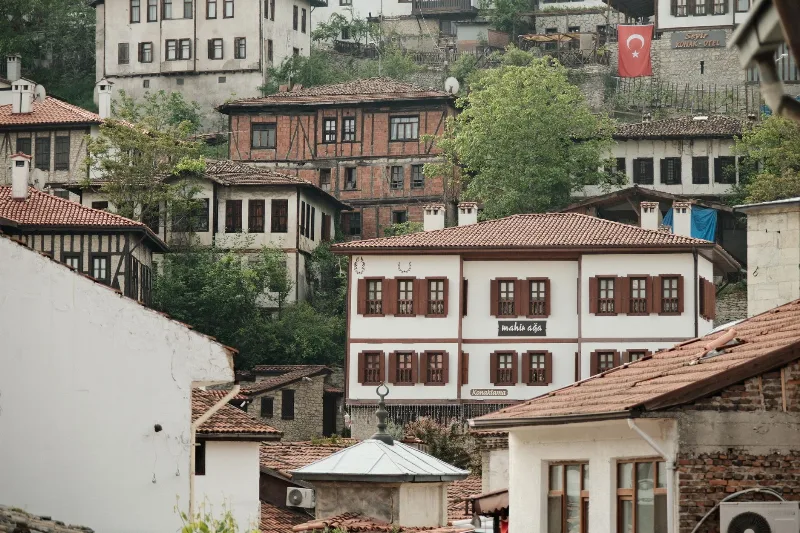
Safranbolu in Türkiye preserves centuries of Ottoman town life in its timber houses, cobbled lanes and historic bazaar. Its old quarters form part of the UNESCO World Heritage List.
4-Day Western Black Sea Route
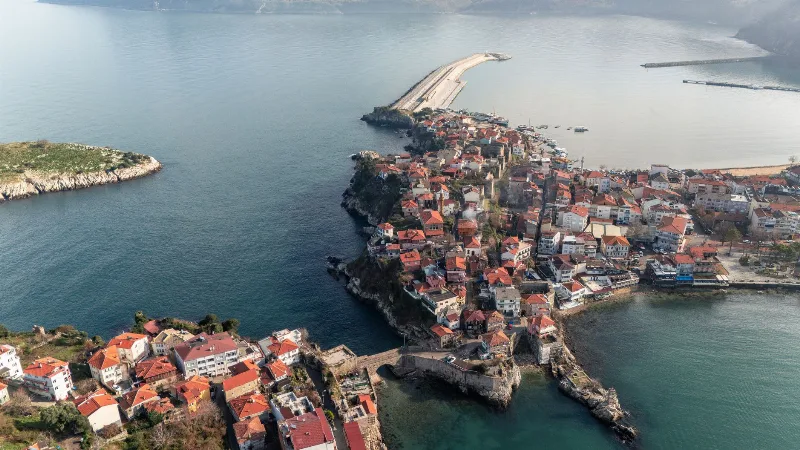
A four-day driving route through Türkiye's Western Black Sea region, linking the historic town of Safranbolu with the coastal town of Amasra and the inland city of Kastamonu.
2-Day Safranbolu and Amasra Route
A two-day route combining Safranbolu’s Ottoman streets and traditional houses with the Black Sea scenery and historic harbour town of Amasra.