
Bafra Plain: Tobacco and Rice Fields in Samsun
The Bafra Plain in Samsun is a fertile delta built by the Kızılırmak, known for its thin-leaved tobacco, flooded rice paddies and bird-rich coastal wetlands.
The Bafra Plain occupies the coastal fringe of Samsun Province in northern Türkiye, where the Kızılırmak completes its long journey and meets the Black Sea. Flat, green and generously watered, the plain is one of the most productive farming landscapes on the Turkish Black Sea coast. Two crops in particular have shaped its reputation: rice, grown in flooded paddies, and tobacco, whose thin, aromatic leaves once travelled far beyond the district. Together they give the area a distinct rural character that visitors can read in the landscape itself, from springtime sheets of water to autumn fields of golden stubble.
A Fertile Delta at the Mouth of the Kızılırmak
The plain owes its existence to the river. The Kızılırmak, the longest river whose entire course lies within Türkiye, carries fine sediment down from the Anatolian interior and deposits it near the coast, gradually building a wide alluvial delta. The result is a low, almost level expanse of deep, dark soil that holds moisture well and responds generously to cultivation. The land stretches west from the edge of Samsun city towards the neighbouring districts, with gentle hills of the Canik range rising to the south and the sea closing the northern horizon.
The town of Bafra sits a short distance inland and serves as the plain's market centre, where produce from the surrounding villages is gathered, graded and dispatched. Smaller settlements are scattered across the farmland, many of them surrounded by orchards, poplar windbreaks and vegetable plots that supply the wider region.
Tobacco: A Thin-Leafed Local Speciality
Bafra tobacco belongs to the oriental group of varieties, prized for its small, fine leaves and delicate aroma. It has been cultivated here for generations, mostly on small family holdings rather than in vast plantations. The crop demands patience: seedlings are raised in seedbeds, transplanted by hand, and harvested leaf by leaf as the plant ripens from the bottom upwards.
After picking, the leaves are threaded and hung to cure in ventilated sheds or under simple shelters, where they slowly turn from green to a warm golden brown. Because the work is manual and the plots are modest, tobacco has long been woven into the social fabric of the plain, providing seasonal employment for households across the district. Although its economic weight has lessened over the decades, the crop remains a recognisable part of local identity, and small stands of tobacco can still be seen among the other crops in summer.
Rice Paddies and the Water of the Kızılırmak
Rice is the crop most closely associated with the Bafra Plain, which ranks among Türkiye's leading rice-growing areas. Paddies are laid out in level compartments, enclosed by low earth banks, and flooded with water drawn from the river and its canals. In late spring the fields become mirrors that reflect the sky and the distant hills, a landscape that changes completely within a few weeks.
Young plants are transplanted into the flooded soil, and the water is managed carefully throughout the growing season before being drained ahead of the harvest. In late summer and early autumn the paddies turn pale gold and the plain fills with the noise of harvesting machinery. Rice is grown in rotation with other crops, including vegetables, fodder plants and cereals, so the plain never looks quite the same from one field to the next.
The Kızılırmak Delta Wetlands
Where the river meets the sea, the delta spreads into a mosaic of lagoons, reedbeds, marshes, sand dunes and wet meadows. This wetland complex is internationally recognised for its wildlife and is protected as a site of importance for waterbirds. Hundreds of bird species have been recorded in the area, and the shallow lakes and channels shelter fish, amphibians and invertebrates that support them.
What makes the delta unusual is the closeness of farming and wild habitat. Paddies, irrigation channels and drainage ditches function as an extension of the wetland, attracting herons, egrets and waders that feed among the growing crops. The open water and reed belts also provide quiet refuges for migratory birds travelling along the Black Sea coast in spring and autumn.
The Farming Year and Local Life
The rhythm of the plain is set by water and warmth. Spring brings flooding, transplanting and the first cut of fodder; summer is a season of irrigation and leaf picking; autumn belongs to the rice harvest, with wagons of grain moving towards drying yards and mills. Winter is quieter, given over to repair, pruning and preparation for the next cycle.
Food in the district follows the same agricultural calendar. Fresh vegetables, rice dishes and river fish feature prominently, and the town has its own style of pide, a flatbread baked with minced meat, cheese or vegetables and eaten hot from the oven. Around the market, seasonal produce from the villages arrives in steady succession, from early greens to autumn pumpkins, offering a simple but accurate record of what the Bafra Plain does best.
Related content
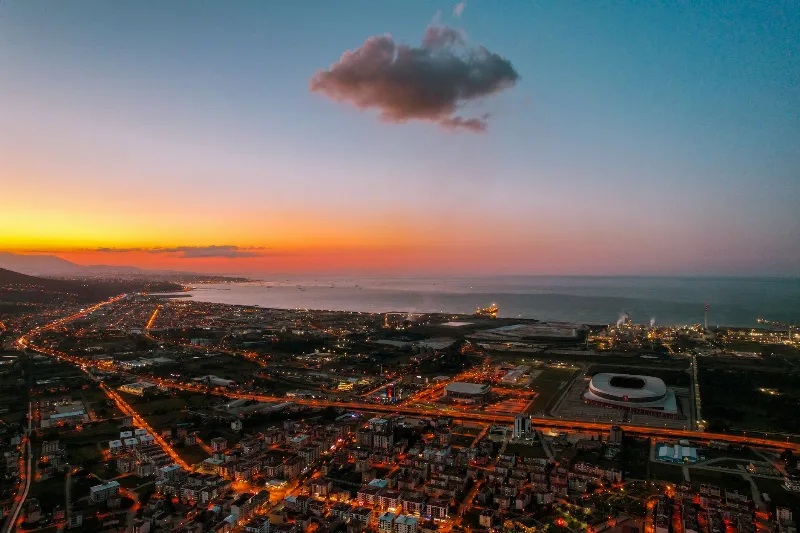
Samsun
Samsun is a large Black Sea port city in northern Türkiye and the historic starting point of the Turkish War of Independence in 1919. It is a major metropolitan centre set between wide river deltas, coastal plains and the mountains of the Black Sea hinterland.
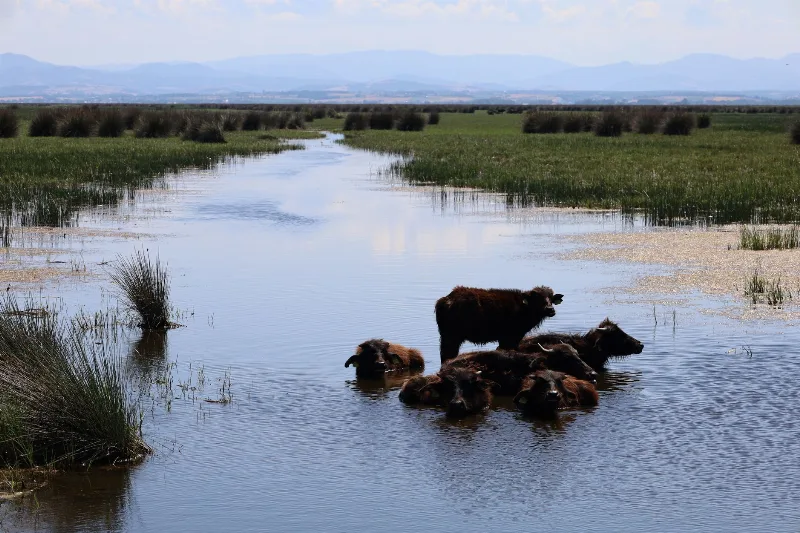
Kızılırmak Delta
The Kızılırmak Delta is a large coastal wetland where Türkiye's longest river meets the Black Sea in Samsun Province. It is a Ramsar site known for its shallow lagoons, reed beds, dunes and dense birdlife.
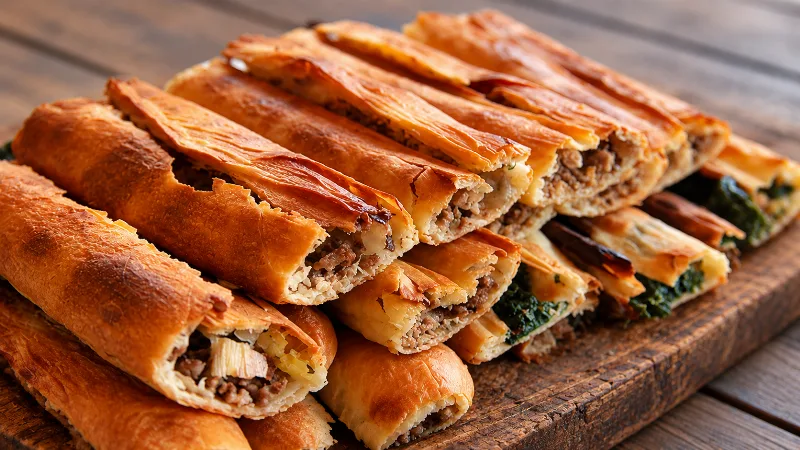
Bafra Pidesi
Bafra Pidesi is a soft, boat-shaped Turkish pide from the Bafra district of Samsun on the Black Sea coast, filled with ground meat, cheese or vegetables and baked quickly in a very hot oven.
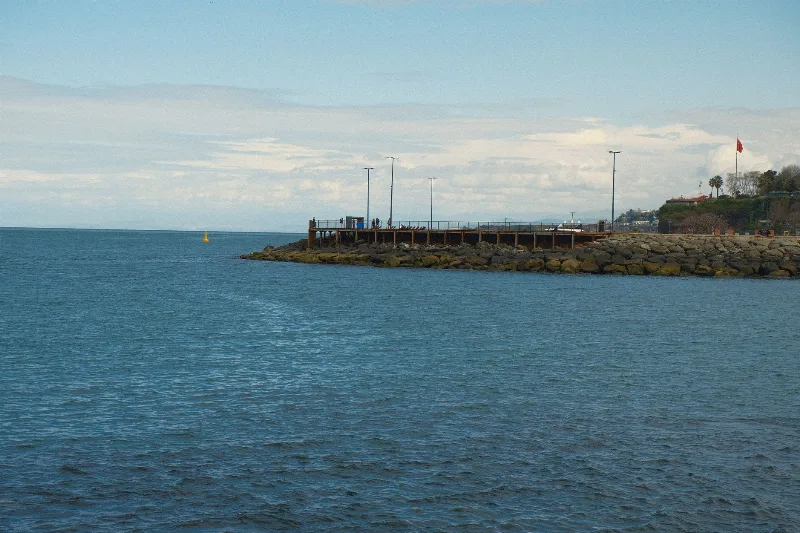
6-Day Central Black Sea Route
A six-day journey along Turkey's Central Black Sea coast from Samsun to Trabzon, visiting Ordu and Giresun with highland and beach stops.
5-Day Black Sea Coast Route
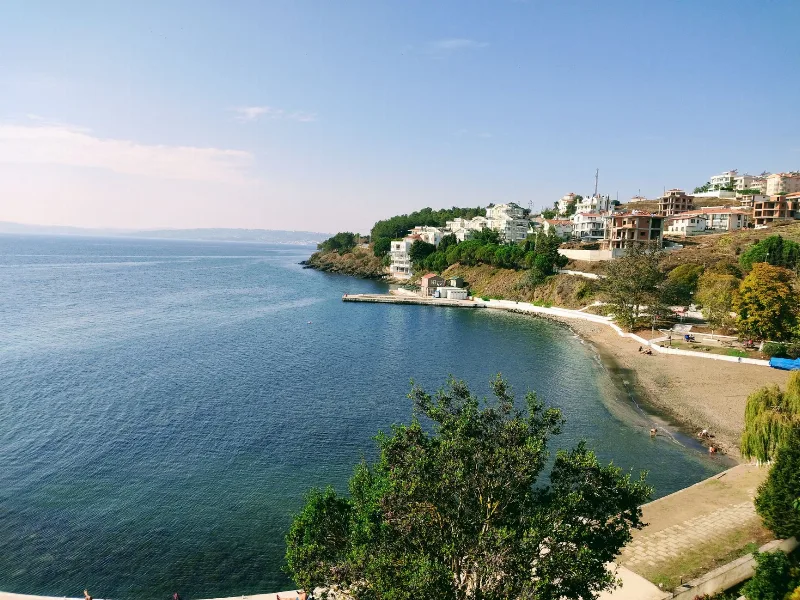
A five-day linear journey along Türkiye's central and eastern Black Sea coast, from Sinop to Trabzon, with an inland detour to Amasya and stops in Ordu and Giresun along the way.
Turkish Carpets and Kilims
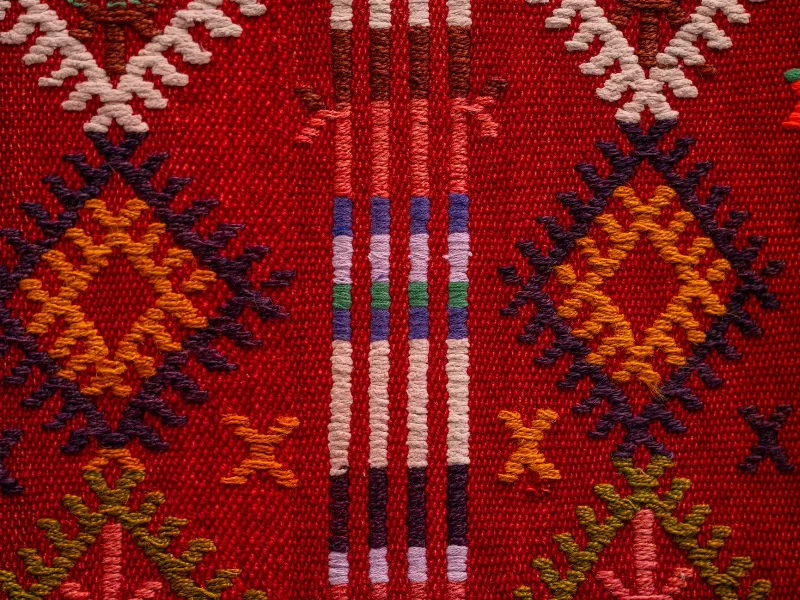
A look at Turkish carpets and kilims, from knotting and flatweave techniques to natural dyes, motifs and the Anatolian regions where they are made.
Ordu
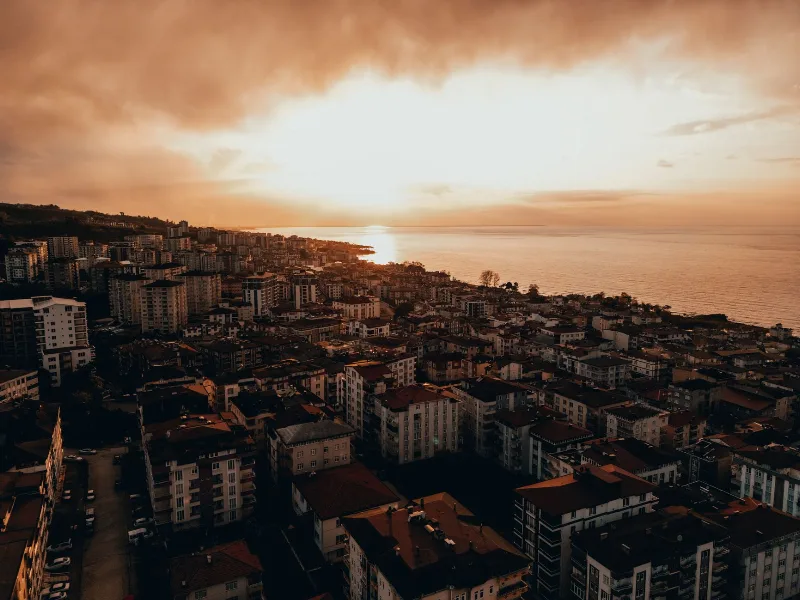
Ordu is a Black Sea city in northern Türkiye and the centre of Ordu Province, built on a narrow coastal strip between the sea and the Pontic Mountains. It is best known for hazelnut production and for the panoramic views from Boztepe above the city.
Çorum Chickpeas
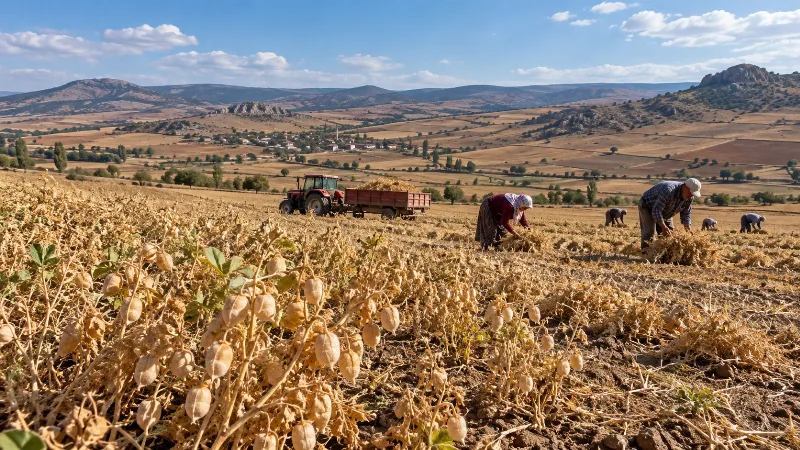
Çorum chickpeas are the chickpeas grown across the dry inland plateaus of Çorum province in northern Türkiye, where a transitional continental climate suits the crop and where the same local harvest feeds the region's well-known leblebi tradition.