Bitlis
Bitlis is a historic province in eastern Türkiye where mountain scenery meets the western shores of Lake Van. Its old provincial capital occupies a steep valley, while Tatvan and Ahlat provide different perspectives on the lake and regional heritage. The province is notable for medieval stone architecture, monumental cemeteries, volcanic landscapes and the.
Bitlis is a historic province in eastern Türkiye where mountain scenery meets the western shores of Lake Van. Its old provincial capital occupies a steep valley, while Tatvan and Ahlat provide different perspectives on the lake and regional heritage. The province is notable for medieval stone architecture, monumental cemeteries, volcanic landscapes and the cultural history of eastern Anatolia.
Geography and Landscape
Mountains and valleys dominate much of Bitlis, with Lake Van shaping the eastern edge of the province. The extinct volcano Nemrut, near Tatvan, contains a crater landscape with lakes and elevated viewpoints. Valleys cut through the terrain around the old city, and higher slopes experience demanding winter conditions. The contrast between lake shore, volcanic heights and mountain towns is one of the province's defining features. The lake basin also influences the visual character of settlements, particularly where roads follow the shoreline and the volcanic mountains appear beyond the water.
History and Heritage
Bitlis developed through numerous historical periods and served as a regional centre on routes across eastern Anatolia. Its stone-built historic core includes fortification remains, mosques and traditional streets. Ahlat is especially significant for its medieval Turkish-Islamic tombstones and funerary monuments, many associated with the Seljuk era. Different communities and trading networks have contributed to the area's layered heritage. The monumental stones of Ahlat are both works of craftsmanship and historical sources. Their forms and inscriptions give a distinctive identity to the landscape, separate from the old city of Bitlis and the lakeside role of Tatvan.
Places to Visit
The Ahlat Seljuk Cemetery is one of the province's most distinctive cultural sites. The old streets and Bitlis Castle area reveal aspects of the provincial capital's historic setting. Tatvan offers lake views and access toward Mount Nemrut's crater area when seasonal conditions permit. Shoreline settlements, historic tombs and the surrounding mountains make the province attractive for both cultural and landscape-focused visits.
Local Culture and Cuisine
Stone carving and funerary art are strongly associated with Ahlat, while Bitlis has its own traditions of regional cooking and craftsmanship. Local foods use meat, wheat, pulses and dairy products common to the highlands. Market areas and older neighbourhoods illustrate the role of towns as meeting points for mountain communities. The lake and surrounding agricultural areas influence daily life in different districts.
Climate and Seasons
Bitlis experiences cold, often snowy winters and relatively short warm summers. Lake Van moderates some shoreline conditions, but mountain elevations remain substantially colder. Summer makes many outdoor viewpoints and lake areas more accessible, while spring brings changes in vegetation and snow cover. Weather around Nemrut and on higher roads can differ greatly from that in Tatvan or the lake basin.
Getting There and Around
Road transport connects Bitlis with Van, Muş and other eastern Anatolian provinces. Tatvan is an important regional transport centre on Lake Van's western shore, with rail connections in the wider network. The area's attractions are spread between the old capital, Ahlat, Tatvan and upland locations. Local roads, seasonal access and driving distances are important when exploring beyond the main towns.
Discover Food in Türkiye
All food →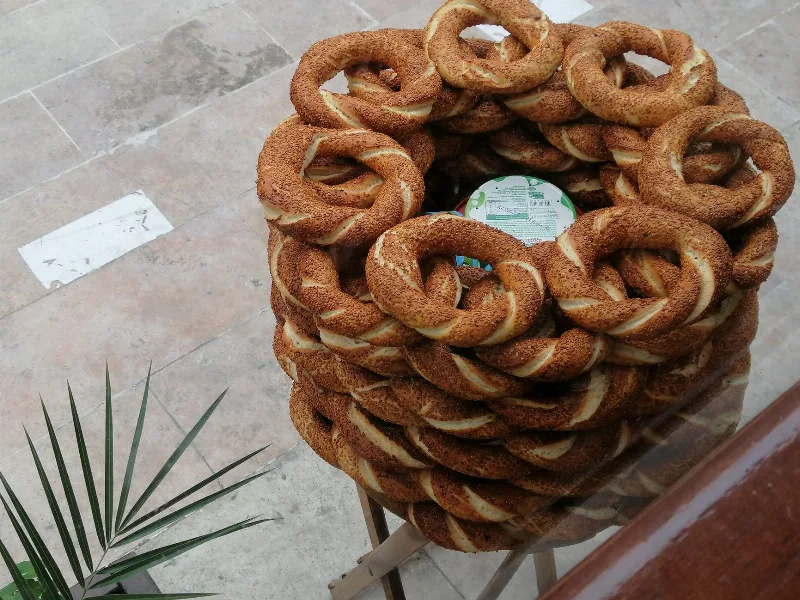
Simit
Simit is a ring-shaped Turkish bread covered in sesame seeds, strongly associated with Istanbul and sold as everyday street food. It is eaten fresh, most often with tea, and has a crisp crust around a chewy crumb.
Explore →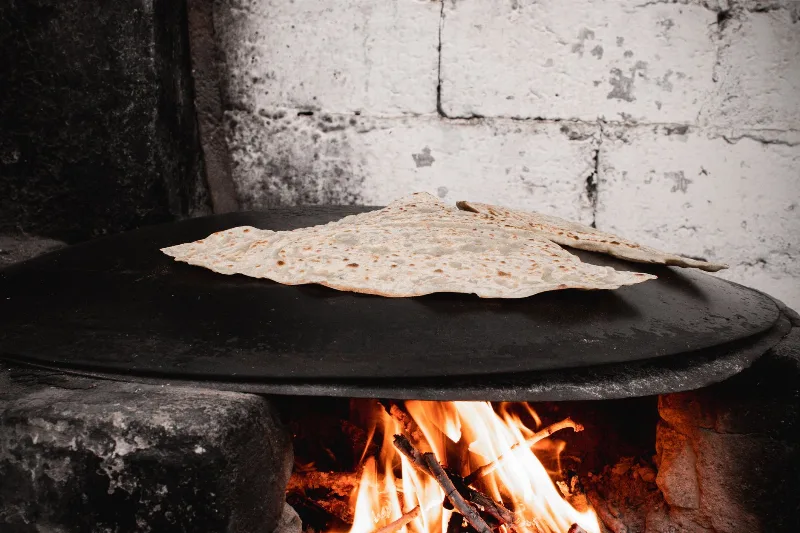
Bazlama
Bazlama is a soft, thick Turkish flatbread made from a leavened dough and cooked on a hot griddle. It is a staple of village baking across Anatolia, eaten warm with butter or used to wrap other foods.
Explore →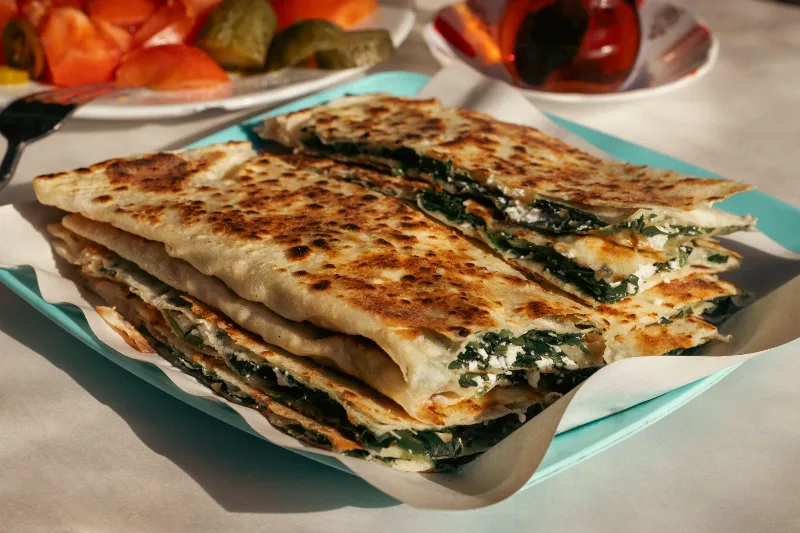
Gözleme
Gözleme is a thin, hand-rolled Anatolian flatbread folded around savory fillings such as cheese, spinach, or minced meat and cooked on a sac griddle. The article covers its regional variations, cooking method, texture, and traditional serving style.
Explore →Related content
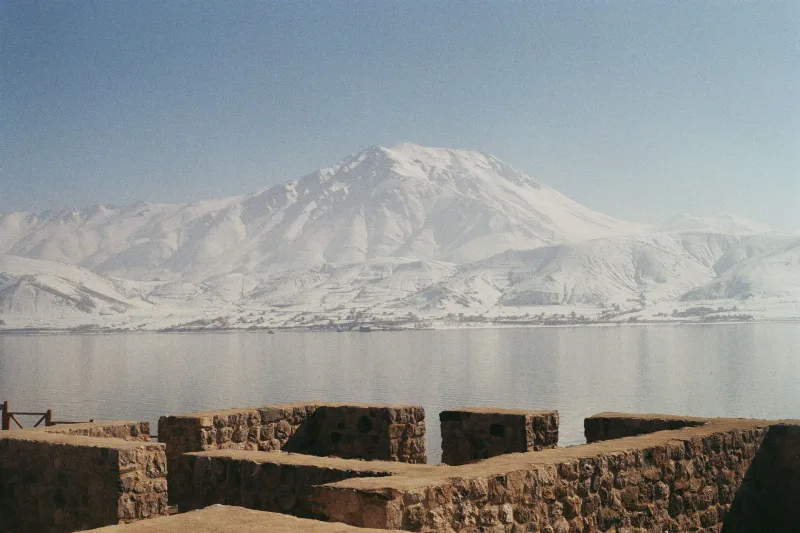
Lake Van
Lake Van is Turkey's largest lake, a vast alkaline soda lake with no outlet, set in the volcanic highlands of Eastern Anatolia at around 1,640 metres. Its unusual chemistry, depth and islands give it a character unlike any other lake in the country.
Mount Nemrut
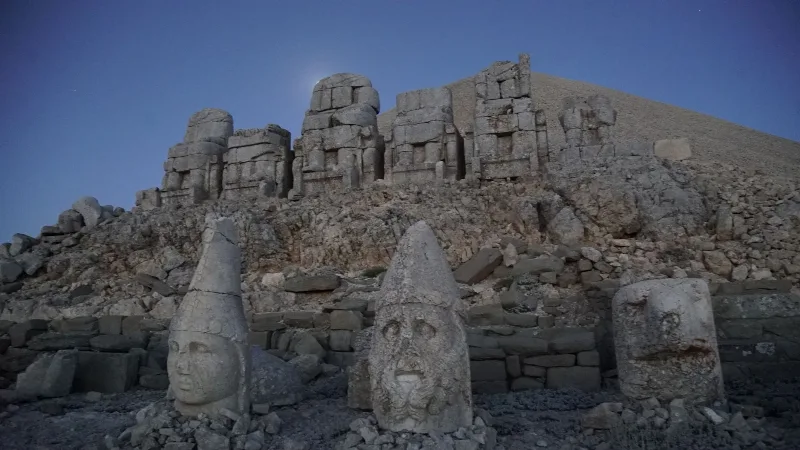
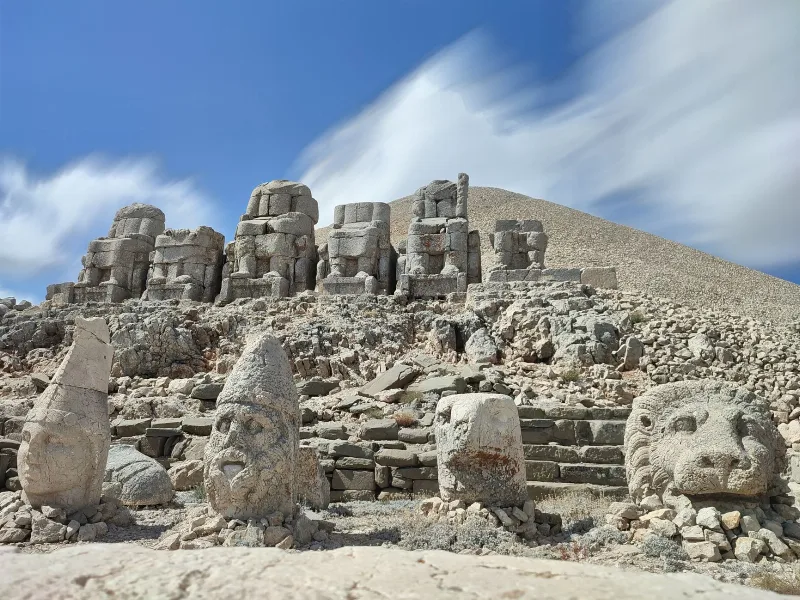
Mount Nemrut in Adıyaman Province is the summit hierothesion of King Antiochus I of Commagene, where colossal statues of gods and a royal ruler stand on terraces above an artificial stone tumulus. The site is a UNESCO World Heritage property whose Greek inscriptions and reliefs record a Hellenistic kingdom of the first century BC.
Mount Nemrut
Mount Nemrut is a dormant volcano in Bitlis Province, eastern Türkiye, featuring a large caldera with crater lakes. It lies west of Lake Van near Tatvan.
Mount Süphan
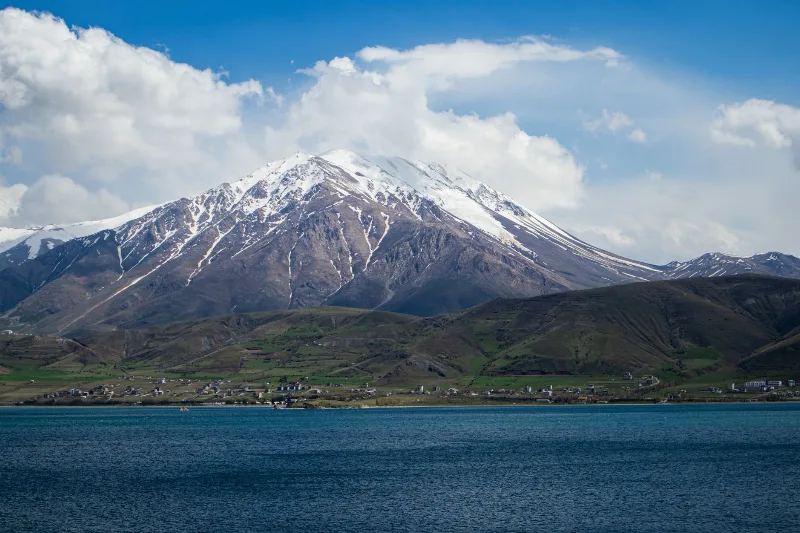
Mount Süphan (Süphan Dağı) is a dormant stratovolcano in Bitlis Province, eastern Türkiye, and the second-highest peak in the country at 4,058 metres, rising above the northern shore of Lake Van.
Eastern Anatolia Region
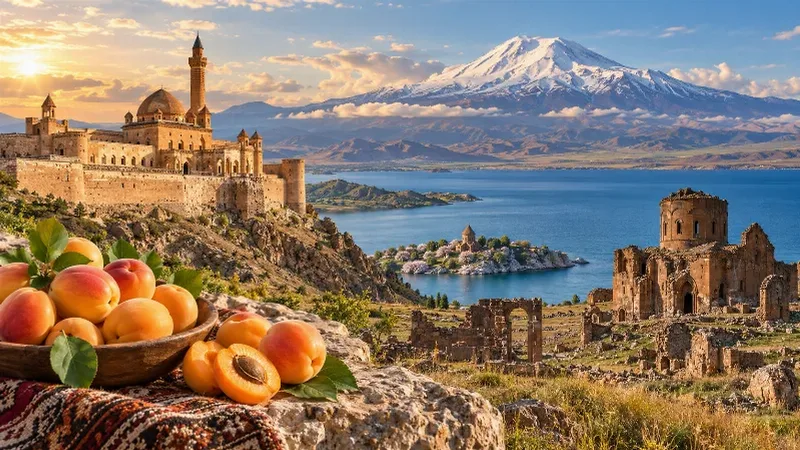
Eastern Anatolia is a region of majestic mountains, vast highlands, beautiful lakes and ancient cultural heritage. Home to Mount Ararat, Lake Van and historic settlements, it offers some of Türkiye's most dramatic natural landscapes alongside distinctive architecture, local traditions and regional cuisine.
Akdamar Island Church and Lake Van in Van
Akdamar Island rises from the soda waters of Lake Van in eastern Türkiye, where a tenth-century church covered in carved stone reliefs stands among almond trees and quiet shoreline.