
Ardahan
Explore Ardahan, northeastern Türkiye: history, standout sights, landscapes, local food and practical travel advice for an unforgettable journey in Türkiye.
Ardahan is a destination in northeastern Türkiye, a remote highland province distinguished by sweeping grasslands, Lake Çıldır and traces of frontier history. Its wider province offers places to explore beyond the provincial centre, and a visit works best when planned around the geography rather than just the best-known photograph. A little geographical context makes a major difference here: places that look close on a map may be separated by winding mountain roads, and seasonal conditions can alter the most sensible route.
Understanding Ardahan
Ardahan is one of Türkiye’s quieter provincial capitals, set within broad northeastern uplands. Its appeal comes from open space, changing seasons and settlements where daily life remains closely connected to agriculture and livestock. Travellers who expect large-city attractions may miss its strengths. This is a place for expansive views, regional history and time spent understanding the landscape rather than simply collecting famous landmarks.
History and cultural heritage
Ardahan’s position close to the Caucasus and historical frontier routes exposed it to many political and cultural influences. Fortresses and religious remains in the wider region hint at changing periods of control. The city and surrounding towns also retain traces of nineteenth- and early twentieth-century history. A visit becomes more meaningful when architecture, borders and local traditions are understood together, rather than as disconnected historical facts.
Places to see
Lake Çıldır is the province’s signature natural attraction, shared geographically with Kars Province and surrounded by broad highland views. Ardahan Castle and the historic urban area provide a starting point for exploring the town. In the south, the ruins of Şeytan Castle near Çıldır occupy a dramatic rocky position; access requires care and checking local conditions. Rural viewpoints and villages can be rewarding stops on a longer road journey.
Landscape and outdoor experiences
Long, snowy winters are a defining part of Ardahan’s identity. Lake Çıldır may freeze during cold periods, creating a distinctive winter scene, but ice safety must never be assumed. During warmer seasons, upland grasslands turn green and support grazing livestock. The province’s elevation and exposed terrain bring rapid weather changes. Wildlife observation and landscape photography are possible with patience and respect for working farmland.
Local food and everyday culture
Dairy products and livestock traditions play a major part in Ardahan’s food culture. Cheese, butter, honey and meat dishes appear prominently, reflecting the surrounding pastures. Local breads and simple breakfasts can be particularly memorable. Food experiences often feel closely tied to household and village traditions rather than to a formal restaurant scene. Buying locally produced foods from reputable shops offers a direct connection to the region’s agricultural identity.
Districts and nearby destinations
Çıldır is the obvious district for the lake and nearby historic sites. Göle is known for its broad pastoral landscape, while Posof has a contrasting setting of valleys and greener slopes. Hanak and Damal offer additional glimpses of village life and northeastern geography. Travel times should not be underestimated; winding roads and winter weather make the province more demanding than the map might suggest.
Planning your visit
Summer offers more accessible rural driving, while winter visits require careful planning, appropriate clothing and current road information. There is no need to build an itinerary around a long list of attractions; a few well-chosen stops allow the landscape to be appreciated properly. Ardahan can be reached by road from neighbouring provinces. Check lake activities, road restrictions and the opening of historical sites locally, especially outside the main tourism season.
Suggested route and deeper experiences
A visit built around Lake Çıldır should account for both geography and season. Summer produces broad views across grasslands and the lake surface; winter changes the experience dramatically, but activities on ice must rely on verified local safety advice. The area is a working rural environment, not simply a scenic backdrop, so treat farms and livestock with care. Those with additional time can explore the valleys of Posof or the pastures around Göle to appreciate how much the landscape varies within the province. Traditional dairy foods are closely connected to that geography. A leisurely pace allows conversations, viewpoints and weather changes to become part of the journey.
How to make the most of your time
Begin with the parts of Ardahan that interest you most, then build a realistic route around them. Check up-to-date opening hours, transport options and weather before leaving, especially for remote cultural sites and mountain roads. If you have only one day, prioritise one substantial excursion and leave enough time for meals and unplanned stops. With more time, explore another district for a fuller understanding of the province. Respect protected landscapes, religious sites and the everyday life of local communities.
Travel style and useful considerations
A visit to Ardahan can be organised as a short cultural stop, a longer regional journey or part of a route through neighbouring provinces. The most appropriate choice depends on the season, access to a vehicle and how much walking you enjoy. In smaller settlements, services may be less frequent than in major tourism centres. Keep a flexible schedule, confirm return transport where relevant and ask permission before photographing people or private property. These small preparations help keep the experience rewarding for visitors and considerate toward local residents.
Discover Food in Türkiye
All food →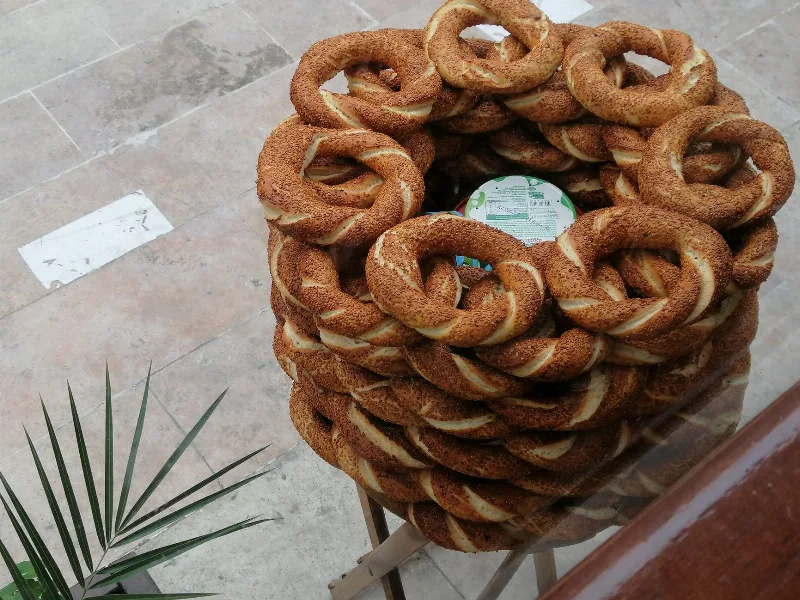
Simit
Simit is a ring-shaped Turkish bread covered in sesame seeds, strongly associated with Istanbul and sold as everyday street food. It is eaten fresh, most often with tea, and has a crisp crust around a chewy crumb.
Explore →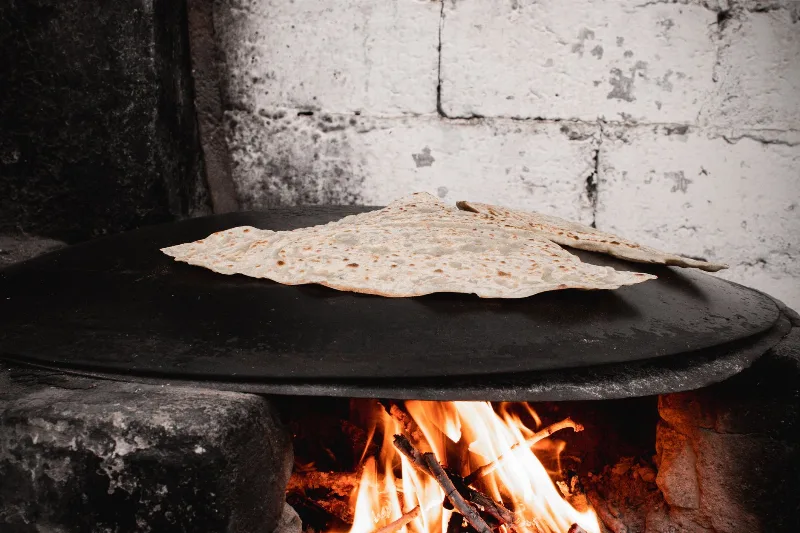
Bazlama
Bazlama is a soft, thick Turkish flatbread made from a leavened dough and cooked on a hot griddle. It is a staple of village baking across Anatolia, eaten warm with butter or used to wrap other foods.
Explore →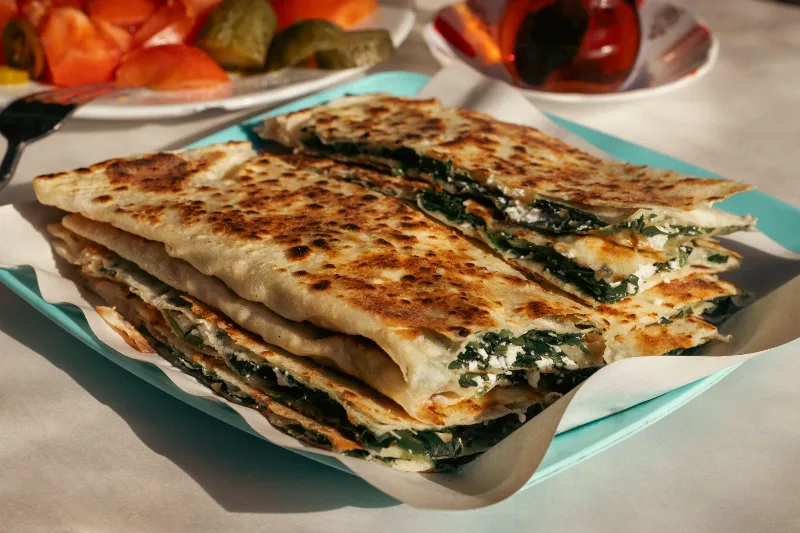
Gözleme
Gözleme is a thin, hand-rolled Anatolian flatbread folded around savory fillings such as cheese, spinach, or minced meat and cooked on a sac griddle. The article covers its regional variations, cooking method, texture, and traditional serving style.
Explore →Related content
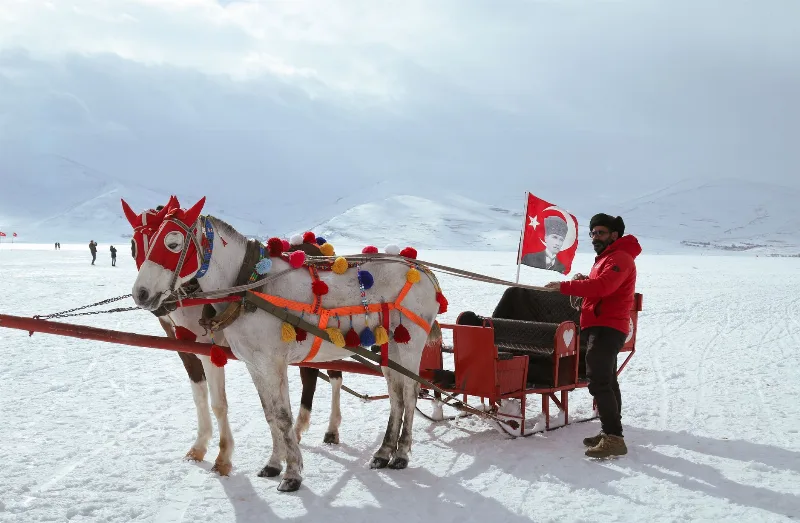
Lake Çıldır
Lake Çıldır is a large freshwater lake in northeastern Türkiye, set on a high steppe plateau between Ardahan and Kars and known for freezing solid during the long eastern Anatolian winter.
Kars
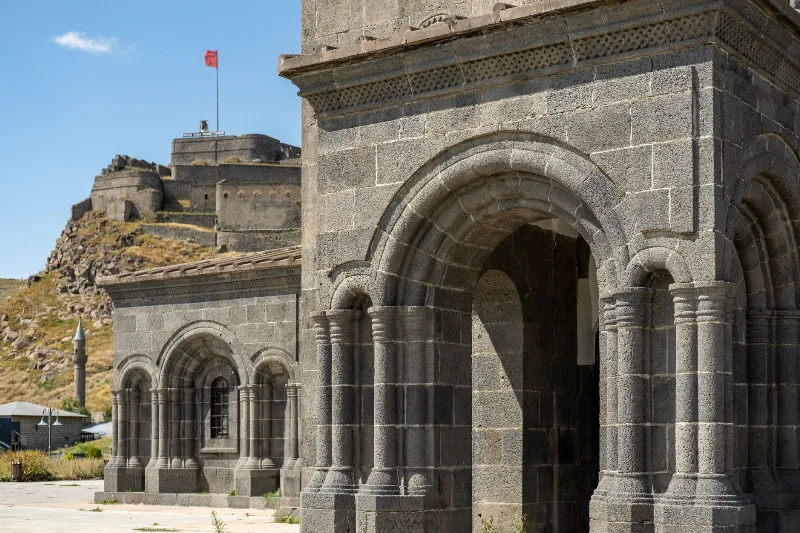
Kars is a high-plateau city in northeastern Türkiye, close to the Armenian border, shaped by decades of Russian rule and known for its cheesemaking tradition and the nearby medieval ruins of Ani. It serves as the main urban base for exploring this remote corner of Eastern Anatolia.
Eastern Anatolia Region
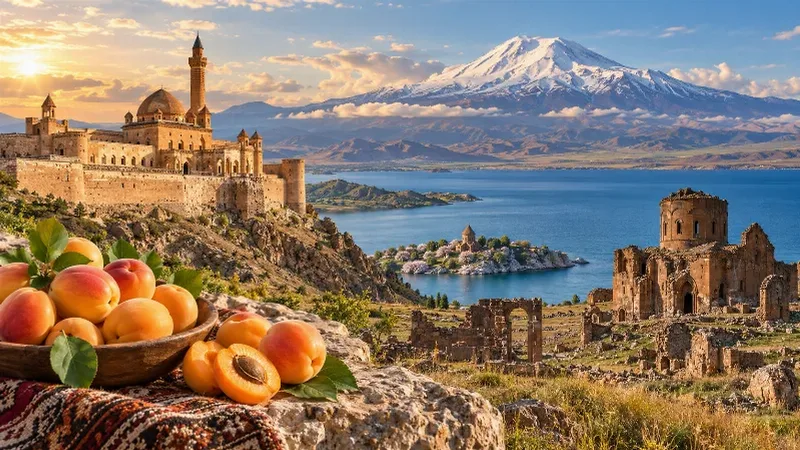
Eastern Anatolia is a region of majestic mountains, vast highlands, beautiful lakes and ancient cultural heritage. Home to Mount Ararat, Lake Van and historic settlements, it offers some of Türkiye's most dramatic natural landscapes alongside distinctive architecture, local traditions and regional cuisine.
Kars and the Ruins of Ani
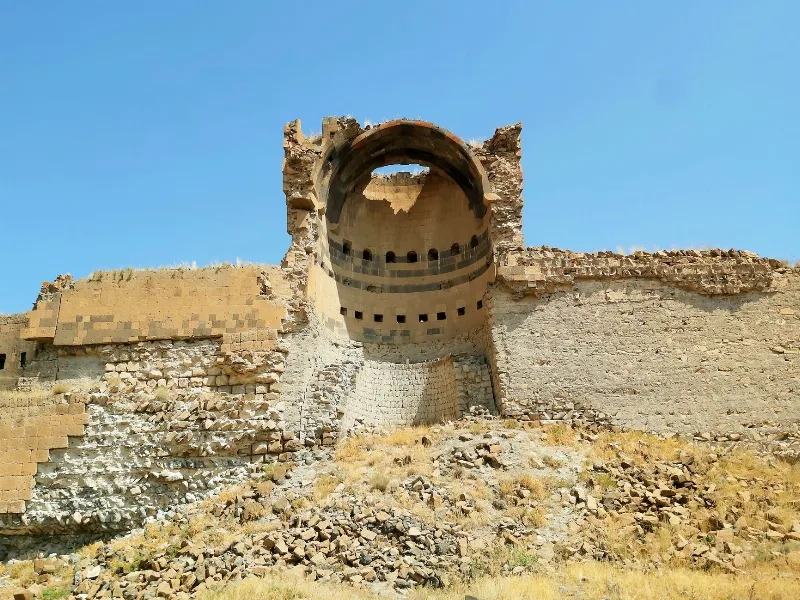
In eastern Türkiye, the highland city of Kars stands near Ani, a medieval settlement whose churches, walls and gorges still shape the surrounding plateau.
Winter in Sarıkamış, Kars
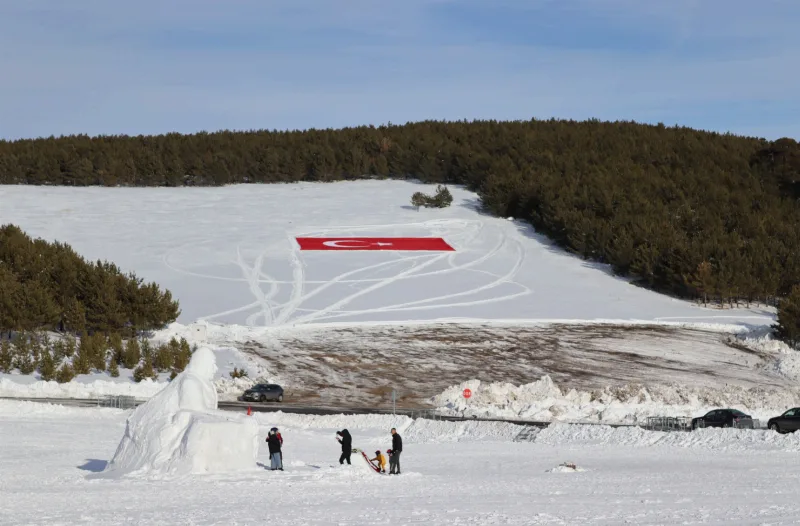
Sarıkamış in Kars is known for its crystal snow and a winter season that typically runs from December to March. The ski terrain sits among pine forests, and the district also carries a heavy historical legacy.
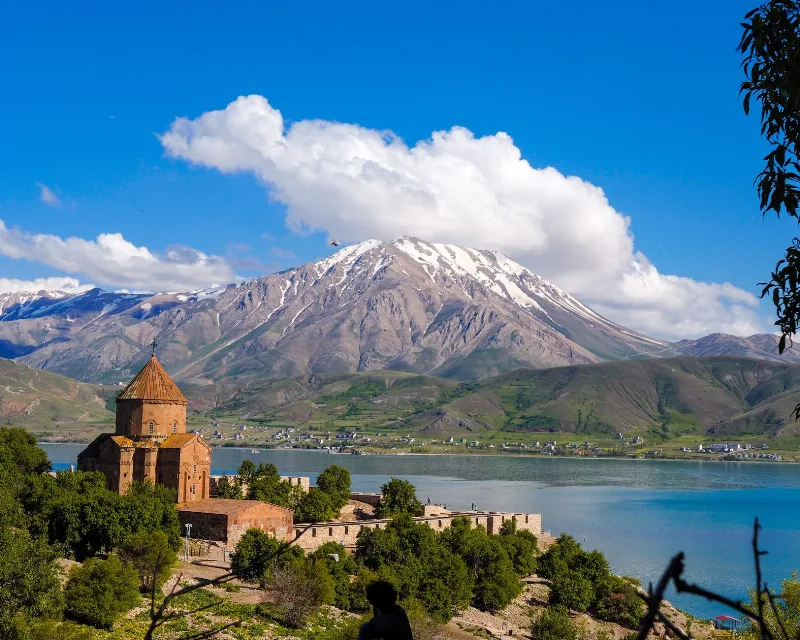
Lakes and Natural Beauty in Türkiye
A journey through the lakes of Türkiye, from the wide soda waters of Lake Van to forest pools in Bolu, salt flats on the Central Anatolian plateau and reed beds full of birds.