Sille
Sille brings stone houses, hillside streets and centuries of religious heritage together in a valley on the western edge of Konya.
Sille brings stone houses, hillside streets and centuries of religious heritage together in a valley on the western edge of Konya.
A village within modern Konya
Sille is a historic settlement in the Selçuklu district of Konya, now connected to the expanding city while retaining a distinctive old centre. Houses sit along a valley with rocky slopes rising on either side. Its history spans different communities and periods, and buildings associated with religious life are a visible part of that story. The contrast between the compact historic valley and the surrounding modern metropolis makes the place especially interesting.
Churches and shared heritage
Sille is known for its Christian heritage, including the historic Aya Elenia Church, which reflects the importance of the settlement to local Orthodox communities. Other religious and funerary traces in the valley point to a long and layered past. The settlement should not be understood through a single faith or century; its identity developed through interactions among different communities in the Konya region over time.
Stone lanes and local buildings
Much of the older fabric is defined by stone construction, irregular streets and houses that respond to the slope. Restored façades give parts of Sille a distinctive visual rhythm, while rock formations and open spaces interrupt the built-up areas. Doorways, exterior stairs and small courtyards add detail to the walking route. The proximity of houses to religious monuments helps visitors read the settlement as an inhabited historical landscape. Sille’s historical importance is best understood alongside the broader history of Konya, rather than solely through its surviving churches. The settlement’s geographic position supported contact between communities, and its stone buildings preserve evidence of more than one period. The valley makes those layers visible at a particularly approachable scale.
The valley setting
The dry continental environment of central Anatolia is visible in the rocky hills and sparse vegetation surrounding Sille. Light changes the appearance of the stone throughout the day, especially where buildings face the valley. Walking beyond the most central streets brings broader views of the settlement and its setting. The terrain explains why the historical community developed along this particular corridor rather than on an open plain.
Combining Sille with Konya
Sille is reached by road from central Konya, making it possible to explore alongside the city’s major cultural and historical sites. The best way to appreciate its small-scale details is on foot, allowing time for the valley’s different sections. Summer can be hot in the open areas, while spring and autumn are often more comfortable. Any planned visits to specific monuments should be checked against current local access information.
From the land
Find All →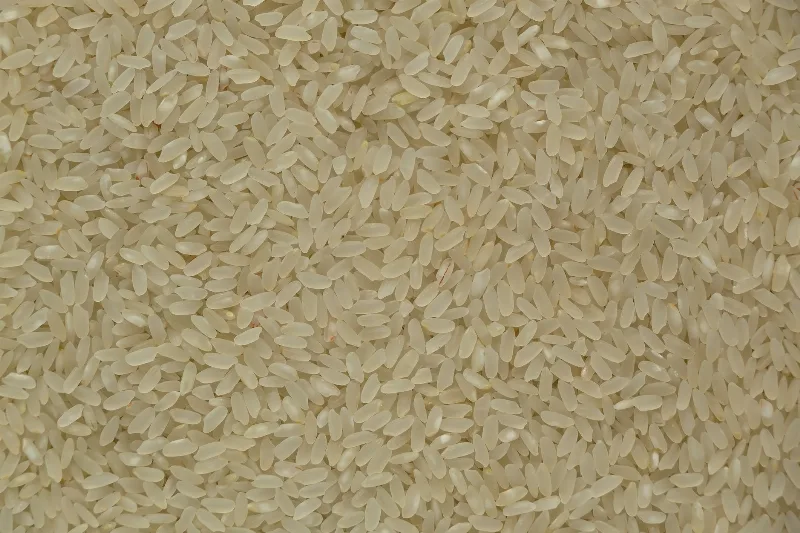
Osmancık Rice
Osmancık rice is a regional rice variety from the Osmancık district of Çorum in northern Türkiye, where the Kızılırmak River supports local paddies. It is known for its aroma and taste, especially in pilafs.
Explore →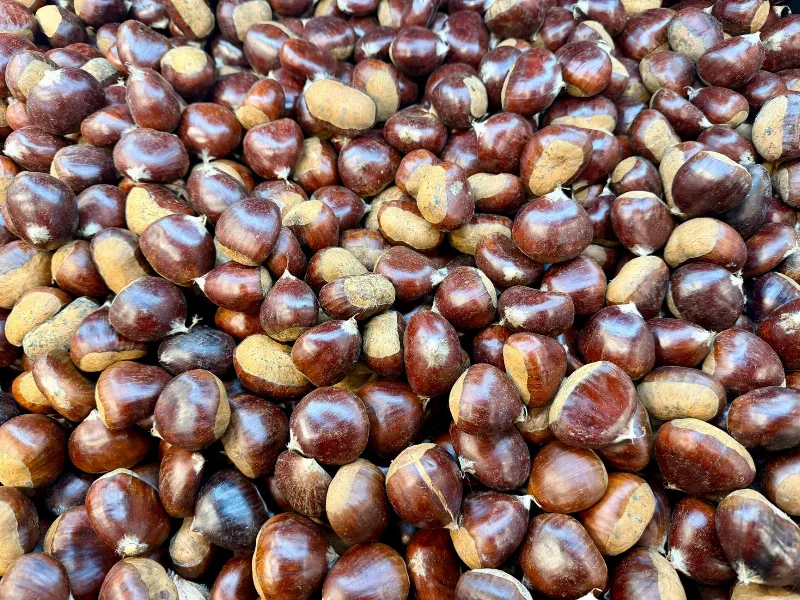
Aydın Chestnuts
Grown in the mountain areas of Aydın Province, Aydın chestnuts are sweet chestnuts shaped by the Aegean region's warm summers, mild winters and free-draining soils.
Explore →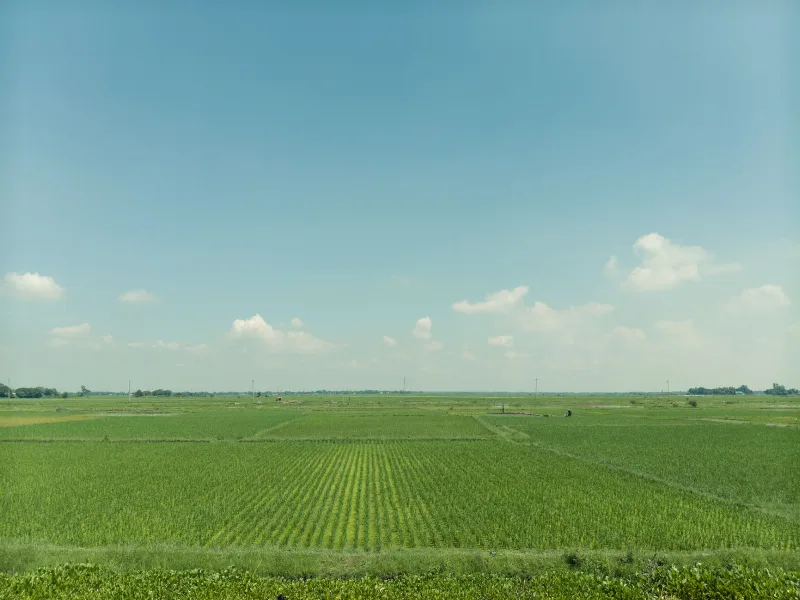
Karacadağ Rice
Karacadağ rice is a rice grown in the Karacadağ area of Şanlıurfa province in southeastern Türkiye, where a hot regional climate and irrigation water drawn from the Karacadağ massif shape its distinctive taste and firm grain.
Explore →Related content
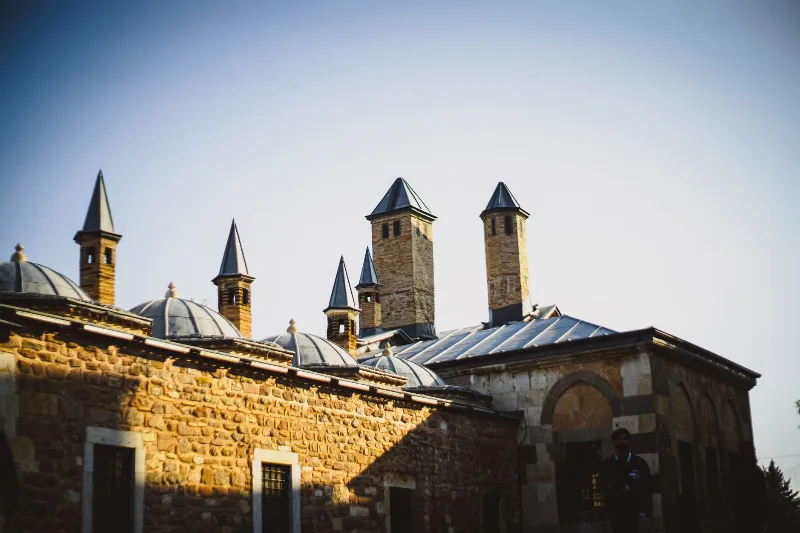
Konya
Konya is a city known for its spiritual essence and cultural heritage, home to the Mevlana Museum and the whirling dervishes.
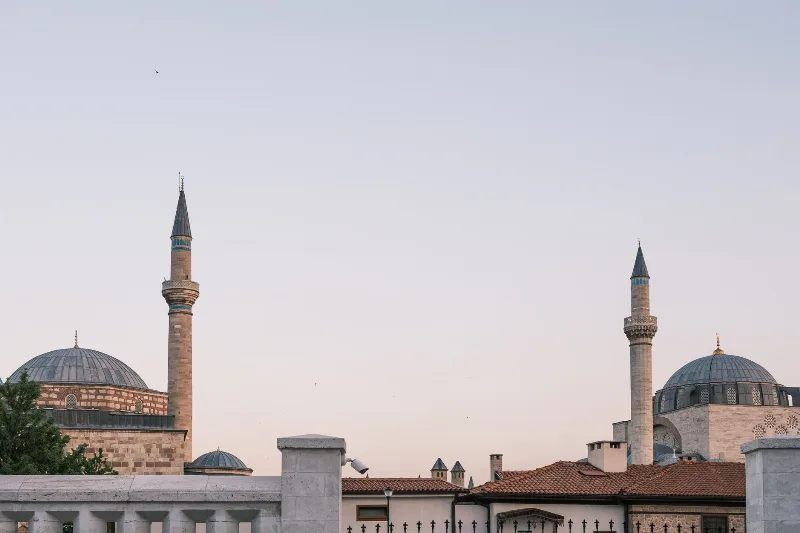
Konya
Konya is a large inland city in the Central Anatolia region of Türkiye and the historic capital of the Seljuk Sultanate of Rum, best known today for the Mevlana Museum and the tradition of the whirling dervishes.
Sille Village Rock Houses and Ancient Churches in Konya
Sille is an old village on the western edge of Konya, where dwellings cut into soft rock, historic churches and stone houses line a green valley. Its layered past reflects centuries of Anatolian village life.
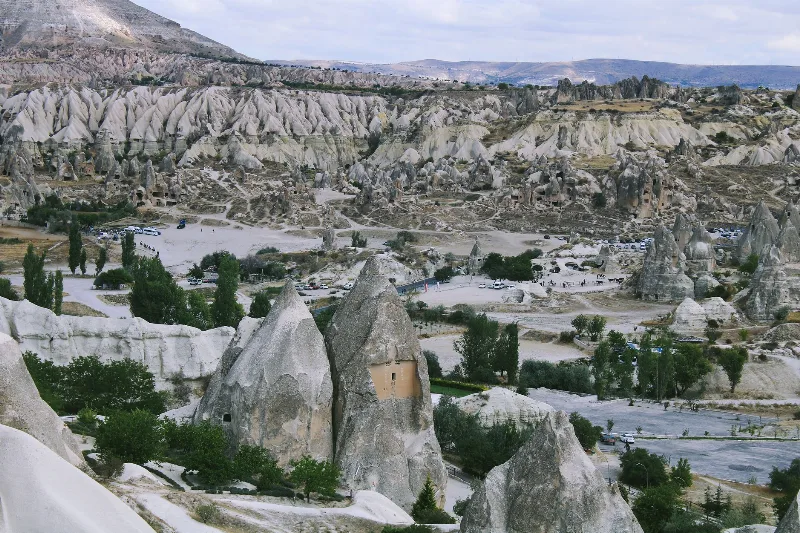
4-Day Cappadocia and Konya Route
A four-day linear journey from the rock valleys of Cappadocia to the Seljuk city of Konya, linking cave churches, underground cities and the Ihlara Valley with the Mevlana Museum on the central Anatolian plateau.
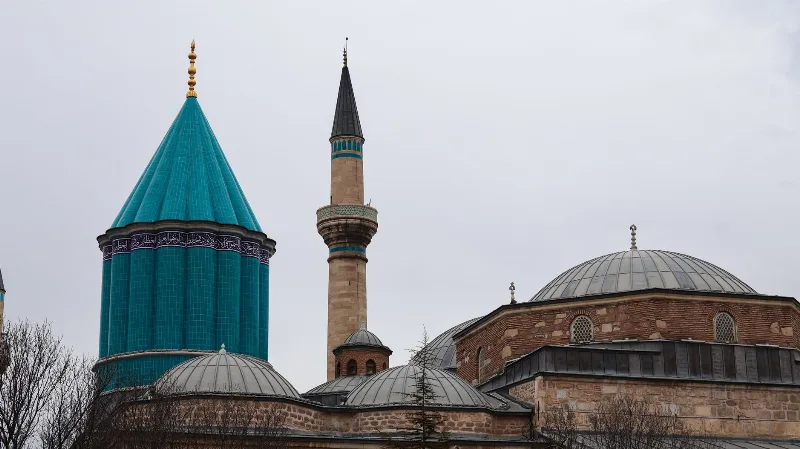
Konya and the Legacy of Rumi
Konya, a high-plateau city in central Türkiye, is closely tied to the life and writings of Rumi, the thirteenth-century poet and mystic. Its Seljuk architecture, Mevlevi traditions and local cuisine give the city a distinct cultural character.
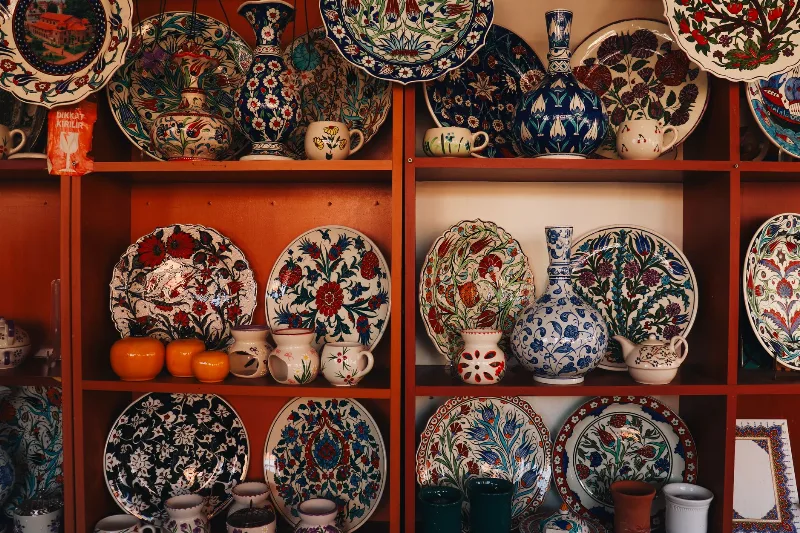
Turkish Ceramics and Pottery
Turkish ceramics and pottery reflect centuries of Anatolian craftsmanship, from Ottoman İznik tiles to the clay workshops of Avanos and Kütahya. Their colours, forms and motifs remain part of Türkiye's living cultural heritage.