Konya
Konya is a city known for its spiritual essence and cultural heritage, home to the Mevlana Museum and the whirling dervishes.
Konya, located in the heart of Türkiye, is a city that resonates with deep spiritual and cultural significance. As the resting place of the poet and Sufi mystic Rumi, also known as Mevlana, Konya attracts visitors from around the world who are drawn to its spiritual atmosphere and historical depth.
Geography and Landscape
Nestled on the vast plains of Central Anatolia, Konya is characterized by its expansive landscapes and serene natural beauty. The region's topography is predominantly flat, providing a stark contrast to the surrounding mountains and hills. This geography has long influenced the city's development as a center for agriculture and trade.
Spiritual and Cultural Significance
Konya is perhaps best known for the Mevlana Museum, a mausoleum that houses the tomb of Rumi. The museum is not only a site of pilgrimage but also a center for understanding the teachings of Sufism, a mystical Islamic belief system that emphasizes introspection and spiritual closeness with God. The whirling dervishes, practitioners of a form of active meditation involving spinning, are an iconic representation of this spiritual tradition and often perform in Konya.
Local Attractions
Beyond the Mevlana Museum, Konya offers several other noteworthy sites. The Alaeddin Hill, a central park, provides a glimpse into the city's ancient past with remnants of the Seljuk Palace. The Ince Minare Museum showcases exquisite examples of Seljuk architecture and stonework.
Local Cuisine
The culinary traditions of Konya reflect its rich history and cultural diversity. Etli ekmek, a type of flatbread topped with minced meat, is a local delicacy that visitors should not miss. The city's food scene is a delightful blend of Central Anatolian flavors, offering everything from hearty soups to sweet pastries.
Best Time to Visit
The ideal time to explore Konya is during the spring or fall when the weather is pleasantly mild. These seasons offer comfortable temperatures for exploring the city's numerous historical and spiritual sites.
Nearby Destinations
For those looking to explore beyond Konya, the nearby region offers several intriguing destinations. The ancient city of Catalhoyuk, a UNESCO World Heritage site, lies a short drive away and provides insight into early human settlement. The breathtaking landscapes of Cappadocia are also accessible, though a bit further afield, offering an adventure into Türkiye's unique geological wonders.
Discover Food in Türkiye
All food →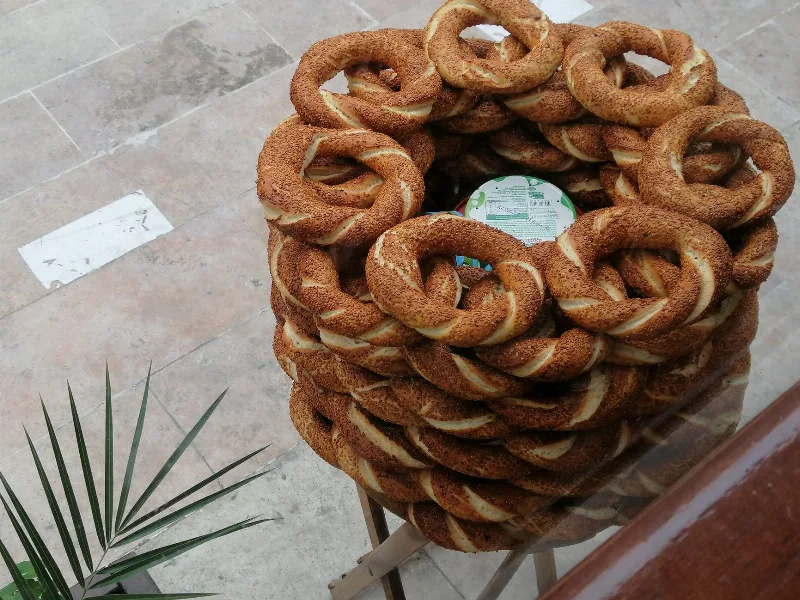
Simit
Simit is a ring-shaped Turkish bread covered in sesame seeds, strongly associated with Istanbul and sold as everyday street food. It is eaten fresh, most often with tea, and has a crisp crust around a chewy crumb.
Explore →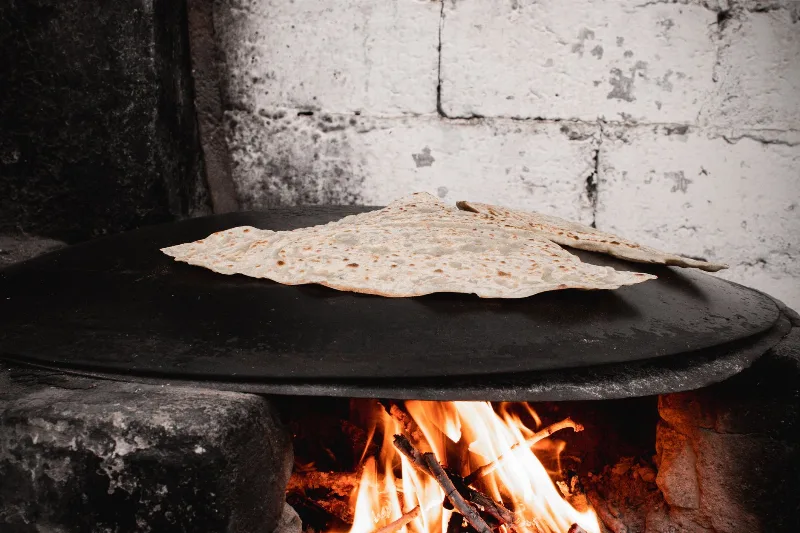
Bazlama
Bazlama is a soft, thick Turkish flatbread made from a leavened dough and cooked on a hot griddle. It is a staple of village baking across Anatolia, eaten warm with butter or used to wrap other foods.
Explore →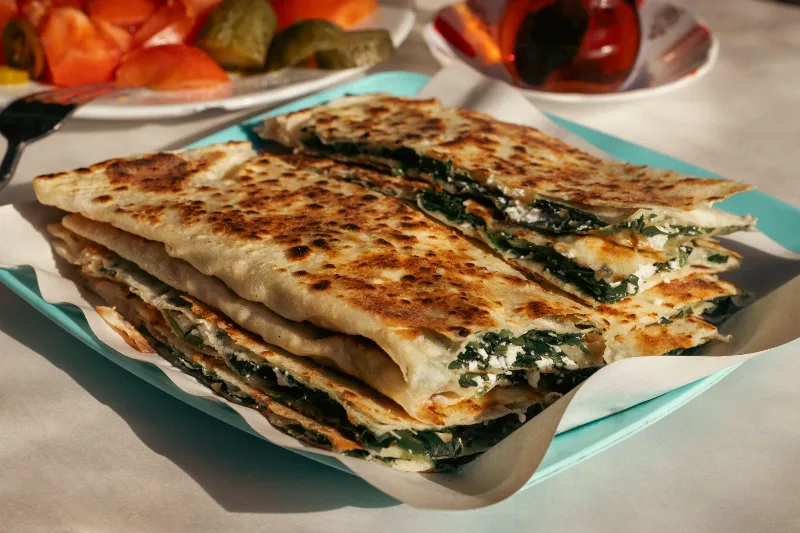
Gözleme
Gözleme is a thin, hand-rolled Anatolian flatbread folded around savory fillings such as cheese, spinach, or minced meat and cooked on a sac griddle. The article covers its regional variations, cooking method, texture, and traditional serving style.
Explore →Related content

The Cultural Riches of Konya and the Whirling Dervishes
Discover the cultural heritage of Konya, home to the Whirling Dervishes, a city rich in history and spirituality.
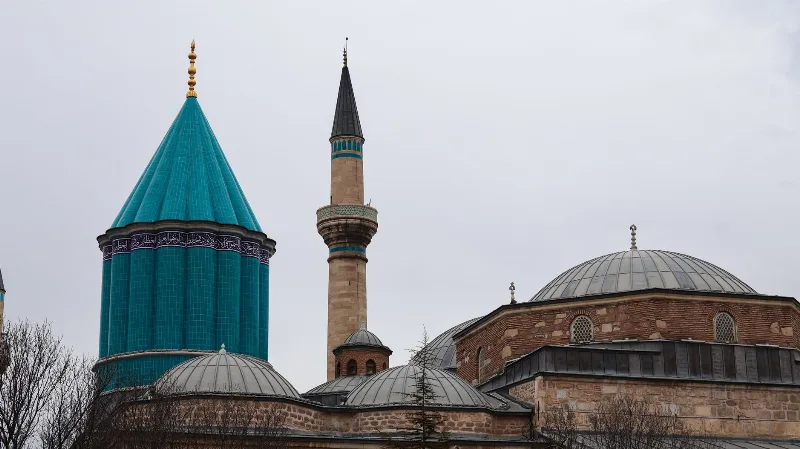
Konya and the Legacy of Rumi
Konya, a high-plateau city in central Türkiye, is closely tied to the life and writings of Rumi, the thirteenth-century poet and mystic. Its Seljuk architecture, Mevlevi traditions and local cuisine give the city a distinct cultural character.
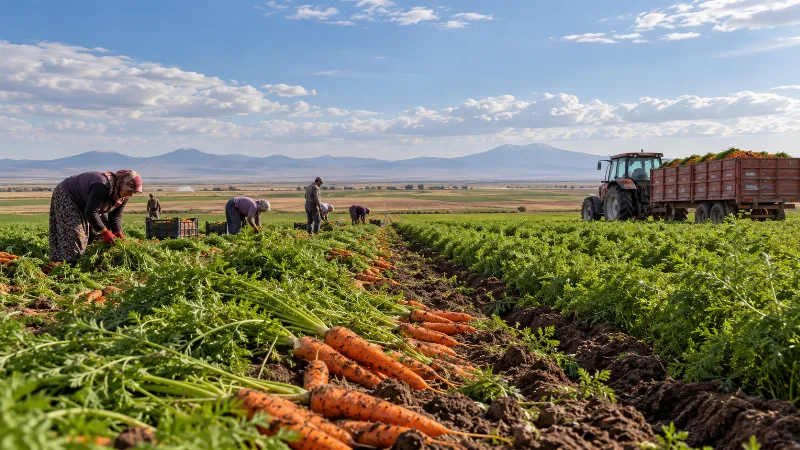
Konya Carrots
Konya carrots are grown on the irrigated plains of central Türkiye, where deep alluvial soils and a continental climate produce firm, sweet and crunchy roots.
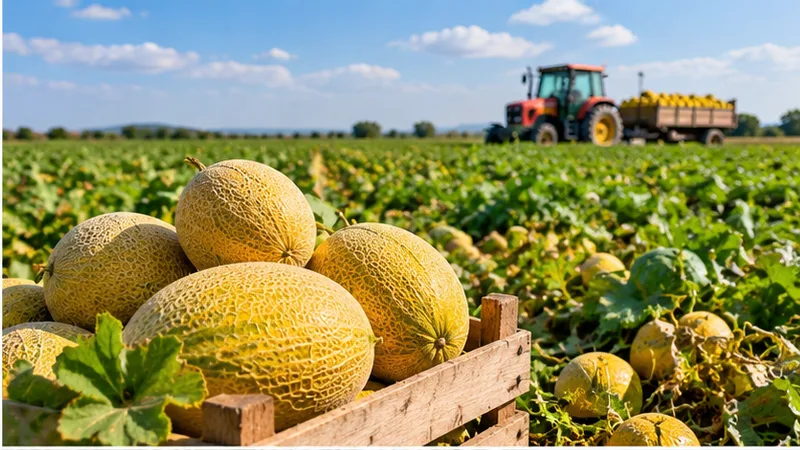
Melon Harvest in Konya
Konya's melon harvest normally takes place in August, when hot, dry summer conditions bring the fruit to peak sweetness. The timing can shift with weather, but the main harvest is a working agricultural season across the Konya Plain.
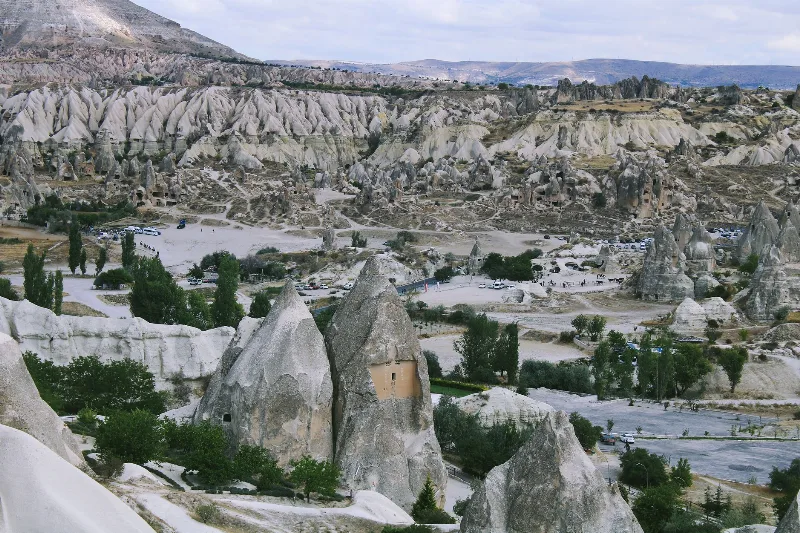
4-Day Cappadocia and Konya Route
A four-day linear journey from the rock valleys of Cappadocia to the Seljuk city of Konya, linking cave churches, underground cities and the Ihlara Valley with the Mevlana Museum on the central Anatolian plateau.
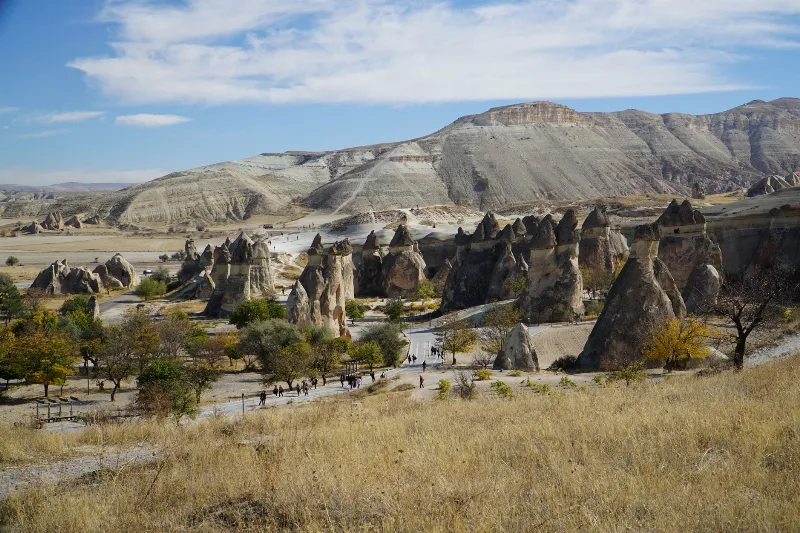
4-Day Cappadocia to Konya Route
A four-day southbound route from Cappadocia's rock-cut valleys to Konya, linking the underground cities of Derinkuyu and Kaymaklı, the Ihlara canyon, Selime Monastery and the Mevlana Museum. It is a linear, self-drive journey across the volcanic plateau of Central Anatolia into the Konya plain.