
Melon Harvest in Konya
Konya's melon harvest normally takes place in August, when hot, dry summer conditions bring the fruit to peak sweetness. The timing can shift with weather, but the main harvest is a working agricultural season across the Konya Plain.
In Konya, the melon harvest generally takes place in August, when the fields are full of fragrant, ripe melons. The province is one of Türkiye's important agricultural areas, and its melons are valued for their sweetness. The harvest is not a fixed festival date; it is a seasonal agricultural period that depends on planting time, summer heat, irrigation and the pace of ripening. For anyone trying to understand when Konya's melon fields are active, August is the typical window, though the exact start and finish can shift from year to year.
Where the Melon Harvest Happens in Konya
Konya is a large province in central Türkiye, and its melon production is spread across the farming landscape of the Konya Plain and surrounding rural areas. The fields are not concentrated in a single village or a single roadside stop. They form part of the broader agricultural mosaic that covers the plain, where cereals, sugar beet, pulses and other crops are also grown. Melon fields can appear as open plots with low-growing vines, often on flat or gently sloping land. The scale of the plain means the harvest is visible across a wide area rather than at one designated site.
Because the fields belong to working farms, the harvest is primarily an agricultural activity, not a tourist attraction. Visitors who travel through the region in August may see melons being collected, loaded and moved, but access to fields depends on local conditions and landowner permission. The wider setting is the dry, open landscape of central Anatolia, with long views, dusty roads and irrigation infrastructure that supports summer crops.
What Causes Melons to Ripen in August
Melons are warm-season crops. They need a long frost-free period, plenty of sunlight and high temperatures to develop fruit. In Konya, the continental climate produces hot, dry summers and a strong contrast between day and night temperatures. This pattern supports the final ripening stage, when melons stop increasing in size and begin to concentrate sugars. The seasonal change is driven by accumulated heat: after spring planting and early summer growth, the fruits mature as summer reaches its peak.
August is distinctive because it usually combines the highest summer temperatures with dry conditions. That combination helps melons reach the sweetness for which Konya's crop is known. If the summer is cooler than usual, ripening may be slower. If a heat wave arrives early, the harvest can begin earlier. Irrigation also matters, because melon plants need water during fruit development, even in a dry region. The exact timing therefore depends on weather, water availability, variety and farm practice.
What Happens During the Harvest
At harvest time, melons are typically picked by hand. Workers walk through the rows, identify fruits that are ready, and lift them from the vines. Ripe melons often separate easily from the stem or show a change in colour and scent. The picked fruit is usually gathered into crates, bins or trailers, then sorted by size and quality. In the heat of August, field work often starts early in the morning to avoid the hottest hours.
The harvest is not only about picking. It also involves moving the crop out of the fields, packing it for transport, and sending it to local markets, wholesale points and other parts of Türkiye. For a short period, the melon becomes a common sight in Konya's summer markets. The air around the fields can carry a strong, sweet fragrance, especially when fruit is left in the sun or when crates are stacked near the road.
What Visitors Can Realistically See
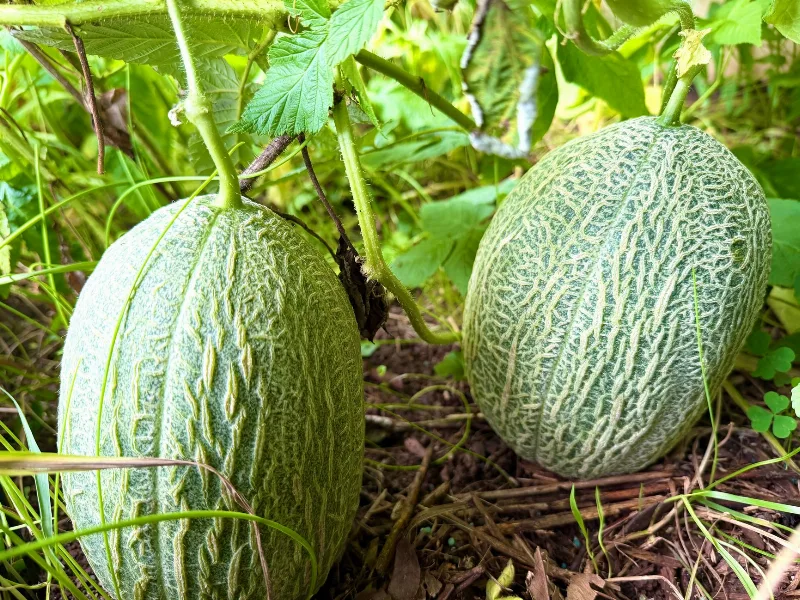
A visitor traveling through Konya's agricultural areas in August can expect to see fields of low green vines, exposed soil and melons resting on the ground. In some plots, the vines may already be drying back as the fruit matures, which is a normal part of the late season. The surrounding landscape is generally dry and sunlit, with irrigation pipes, canals or wells visible in places where crops are grown.
It is also common to see tractors, flatbed trailers and crates near the fields. However, this is not a staged event. There are no guarantees that a particular field will be harvested on a given day, and visitors should not enter private land without permission. The most reliable way to observe the season is to travel through the region and look for the general signs of harvest activity, or to see the melons in local markets. The experience is about the working agricultural landscape rather than a formal visitor attraction.
Weather, Timing and Year-to-Year Variation
August is the typical month for the Konya melon harvest, but it is not an exact date. The timing can move earlier or later depending on spring temperatures, planting dates, irrigation and the intensity of summer heat. In some years, the first ripe melons may appear in late July. In others, the main harvest may continue into early September. A cool spring can delay growth, while a hot, dry summer can accelerate ripening.
Weather also affects the quality of the harvest. Too much heat without enough water can stress the plants. Rain during the ripening period is unusual in Konya in August, but if it occurs, it can affect field conditions and harvest schedules. The safest approach is to treat August as the normal window and to expect variation. Anyone planning to see the harvest should follow local seasonal conditions rather than relying on a fixed calendar date.
Why Konya's Melons Are Known for Sweetness
Konya's melons are known for their sweetness, and the regional climate plays a major role. The hot days and cooler nights of the central Anatolian summer encourage the fruit to accumulate sugars. Dry conditions also reduce some of the moisture-related problems that can affect melons in more humid regions. The result is a crop that is well suited to the local environment and that becomes a staple of summer markets.
This reputation is tied to the seasonal process, not just the place. The sweetness develops as the fruit ripens in the field, which is why the harvest period matters. Melons picked at the right stage have the characteristic flavour that buyers expect. The same fields outside the harvest season would look very different: bare soil, young vines or unripe fruit rather than the fragrant, mature melons of August.
How the Melon Harvest Fits the Konya Summer
The melon harvest is part of a wider summer agricultural rhythm in Konya. As the season advances, different crops reach maturity, and markets fill with produce from the surrounding plain. Melons are especially associated with the hottest part of the summer, when they are most abundant and most sweet. For local communities, the harvest is a period of intensive work, early mornings and constant movement between fields and collection points.
For a visitor, understanding this rhythm helps set expectations. The harvest is not a single-day event, and it does not happen in a single location. It unfolds across the province over several weeks. The visible signs are cumulative: more crates by the roadside, more loaded trailers, more melons in markets, and a growing scent in the air near fields where fruit is being gathered.
Practical Timing for the Melon Season
If the goal is to see the melon harvest in Konya, the best general period is August. This is when the main harvest is most likely to be underway. Depending on the year, the window may begin in late July or extend into early September. The middle of August is often a reasonable time to expect active harvesting, but no one can guarantee a specific day or field.
Travelers should also consider the summer heat. Konya can be very hot and dry in August, and the fields offer little shade. Rural roads may be dusty, and distances across the plain can be long. The harvest is a working season, so visitors should be respectful, avoid blocking farm access, and ask permission before entering any field. The most dependable way to connect with the season is to observe from public roads and to visit local markets where the melons are sold.
What Makes This Seasonal Experience Distinct
The melon harvest in Konya is a genuine seasonal phenomenon tied to climate, agriculture and local food culture. It happens because melons require a specific combination of heat, sunlight, water and time. It is distinctive because the Konya Plain's summer conditions produce a crop known for sweetness, and because the harvest is concentrated in a short late-summer window. The period matters to farmers, sellers and anyone who values seasonal produce.
The experience is also a reminder that natural timing is variable. Melons do not read calendars. Their ripening depends on the weather, and the harvest moves with it. A visit in August may reveal fields in full production, while a visit a few weeks earlier or later may show a different stage. That variability is part of what makes the season real rather than staged.
EXPLORE BY THEME
All themes →
Routes
Road trips, coastal drives, cultural routes and scenic journeys across Türkiye.
Explore →
Seasonal Experiences
Harvests, festivals, natural seasons and local events throughout the year.
Explore →
Nature
Lakes, forests, rivers, canyons, mountains, wetlands and national parks across Türkiye.
Explore →Related content
Konya
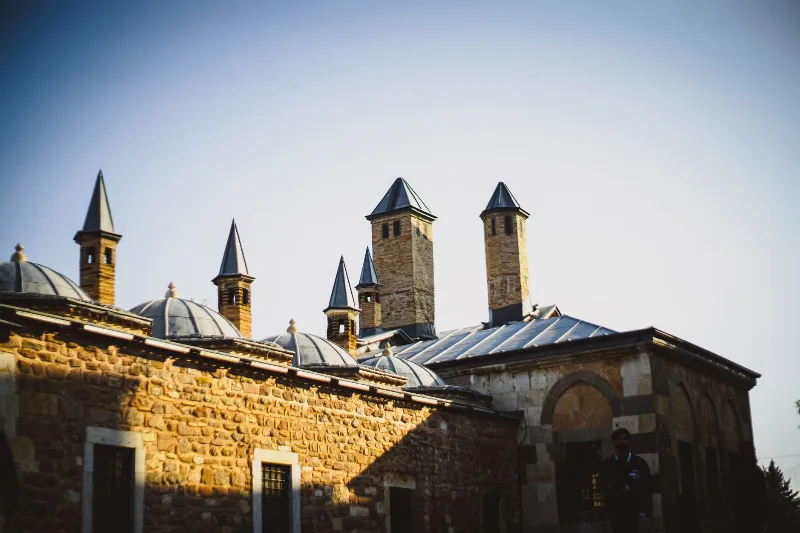
Konya is a city known for its spiritual essence and cultural heritage, home to the Mevlana Museum and the whirling dervishes.
Konya Carrots
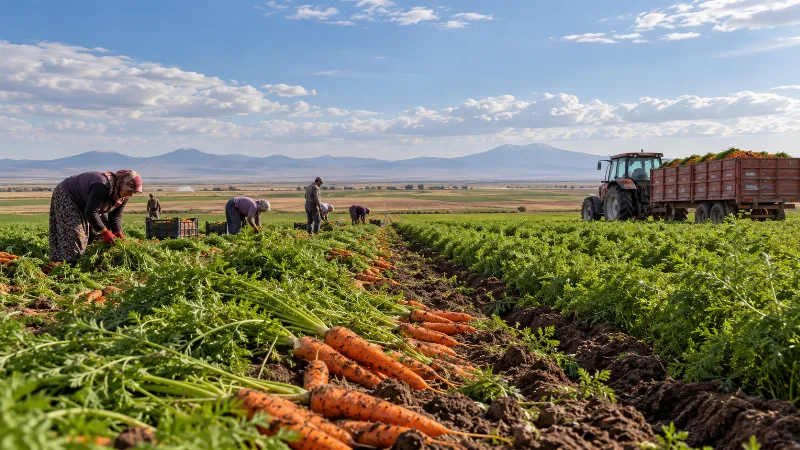
Konya carrots are grown on the irrigated plains of central Türkiye, where deep alluvial soils and a continental climate produce firm, sweet and crunchy roots.
Kırkağaç Melons
Kırkağaç melons are a distinctive melon variety grown around the town of Kırkağaç in Manisa province, western Türkiye, where hot dry summers and fertile valley soils produce large, aromatic fruit that keeps well into winter.

The Cultural Riches of Konya and the Whirling Dervishes
Discover the cultural heritage of Konya, home to the Whirling Dervishes, a city rich in history and spirituality.

Konya and the Legacy of Rumi
Konya, a high-plateau city in central Türkiye, is closely tied to the life and writings of Rumi, the thirteenth-century poet and mystic. Its Seljuk architecture, Mevlevi traditions and local cuisine give the city a distinct cultural character.
Cultural Festivals in Türkiye
Türkiye's year is marked by festivals that celebrate spring, faith, harvest and history, from Hıdırellez bonfires to the whirling ceremonies of Konya.