
Kırkağaç Melons
Kırkağaç melons are a distinctive melon variety grown around the town of Kırkağaç in Manisa province, western Türkiye, where hot dry summers and fertile valley soils produce large, aromatic fruit that keeps well into winter.
Kırkağaç melon is a melon type belonging to the species Cucumis melo, cultivated around the town of Kırkağaç in Manisa province, in western Türkiye. In Turkish it is called Kırkağaç kavunu, and in everyday Turkish usage kavun refers to melon, distinguishing it clearly from karpuz, the watermelon. The fruit is strongly associated with the district that carries its name, and the Kırkağaç name has been registered as a geographical indication in Türkiye, reflecting how closely the product is tied to that specific place rather than to Turkish melon growing in general.
The connection between the town and the fruit is not incidental. Kırkağaç sits in the wider Bakırçay basin of Manisa, an agricultural landscape of broad valley floors, low hills and long, hot, dry summers. That combination of a Mediterranean climate and worked agricultural land is what allows the melon to reach the size, firmness and aroma that growers and buyers in the region associate with the Kırkağaç name.
What Makes Kırkağaç Melons Distinctive
Kırkağaç melons are generally large, heavy fruit with a round to slightly oval shape and a rind that shifts from green toward yellow as the melon matures. The flesh is firm rather than watery, pale to warm orange depending on ripeness, and carries a pronounced sweet aroma that becomes noticeable even before the fruit is cut.
Two characteristics stand out compared with many softer, quicker-melting melon types. The first is the density and firmness of the flesh, which holds its shape when sliced. The second is keeping quality. Kırkağaç melons are known for their ability to remain sound for a long period after harvest, which has shaped both how they are handled and when they are eaten in the region.
Where Kırkağaç Melons Are Grown
The main growing area is the district of Kırkağaç itself and the surrounding farmland within Manisa province. Melon fields are part of the ordinary agricultural fabric of the district, appearing alongside the olives, grapes and other field crops that define farming in this part of the Bakırçay basin. The town of Soma and the wider Bergama and Manisa agricultural areas lie nearby, and melons are grown in parts of that broader plain as well, but the Kırkağaç name remains the one most firmly attached to this style of melon.
Manisa as a province is better known internationally for seedless raisins and for olives, yet melon growing fits naturally into the same farming calendar. Melons occupy fields through the hottest months, at a time when the vine and olive harvests are still ahead, giving growers an additional source of income during the summer season.
Climate, Soil and Why the Region Suits the Crop
Melons need heat, sunlight and a long ripening period, and the Bakırçay basin provides all three. Summers in this part of western Türkiye are hot and largely dry, with strong sunshine through July and August. Rainfall is concentrated in the winter months, which means the fruit ripens in comparatively dry conditions. Dry air during ripening reduces the pressure from the fungal and rot problems that trouble melon crops in more humid climates.
The soils of the valley floors and lower slopes are deep and fertile, providing the rooting depth and moisture-holding capacity that a heavy, large-fruited melon requires. Melon fields are typically irrigated during the growing season, since summer rainfall alone is not enough. The combination of warm days, warm soil and controlled water is what allows the fruit to bulk up without becoming watery.
The Growing Cycle from Sowing to Ripening
Kırkağaç melons are grown as an annual field crop. Seed is sown in spring, once the soil has warmed sufficiently, and the vines spread across the ground through late spring and early summer. The plants flower as the weather settles, and the fruit sets and develops through the hottest part of the year.
Through the summer the melons grow steadily in size and begin to change colour and aroma as they approach maturity. Growers judge readiness by a combination of rind colour, the softening of the stem end and, in the case of aromatic types, the scent of the fruit in the field. Harvest generally falls in late summer and early autumn, running from roughly late August into September, with some fields picked slightly later depending on sowing date and weather.
Harvest, Curing and Winter Storage
Melons are picked by hand, and the way they are handled after picking is as important as the growing itself. Fruit intended for longer storage is often left to reach full maturity and then held in shaded, well-ventilated conditions so that it cures before being moved into storage.
The traditional storage method in Kırkağaç households and stores is simple and effective: melons are placed in nets, bags or slings and suspended in cool, dark, airy rooms. Hanging the fruit keeps it off damp floors, allows air to move around the whole surface and makes it easy to inspect for damage. Stored this way, Kırkağaç melons can be kept for months and eaten well into the winter, when fresh summer fruit is no longer available. That long keeping quality is one of the reasons the variety is valued locally.
How Kırkağaç Melons Are Used
The melon is primarily eaten fresh. It is sliced and served as a summer and autumn fruit, and it appears at breakfast tables in western Türkiye, often alongside white cheese, where the sweetness of the melon and the saltiness of the cheese are deliberately paired. Ripe melon is also cut into wedges and served plain after meals.
A secondary use comes from the seed. Melon seeds are dried and roasted in many parts of Türkiye and eaten as a snack, and Kırkağaç melon seed is part of that wider tradition. The flesh itself is not normally cooked; the fruit is treated as a fresh agricultural product rather than as an ingredient in prepared dishes.
The Melon in Kırkağaç Agriculture and Local Identity
For the district, Kırkağaç melon is more than a summer crop. It is a recognisable local product that travels from the Bakırçay plain to markets in Manisa, İzmir and beyond, and the name of the town functions as a kind of quality marker in the produce trade. Growers, traders and consumers in the region use the Kırkağaç label to distinguish these large, firm, aromatic, long-keeping melons from softer melon types sold under generic names.
That association has been formalised through the geographical indication registered for Kırkağaç kavunu, which ties the name to the district and to defined production conditions rather than allowing it to be used loosely. Taken together with the climate of the Bakırçay basin, the deep valley soils and the local habit of storing fruit through the winter, the melon illustrates a clear case of land, climate and agricultural tradition shaping a single regional product.
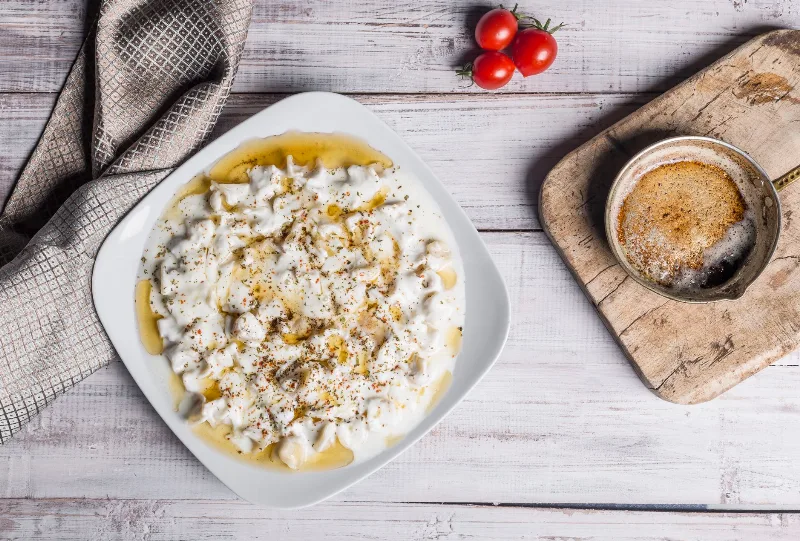
Mantı
Mantı are tiny boiled dumplings of thin dough filled with minced meat and onion, dressed with garlic yogurt and melted butter, and most closely associated with the central Anatolian city of Kayseri.
Explore →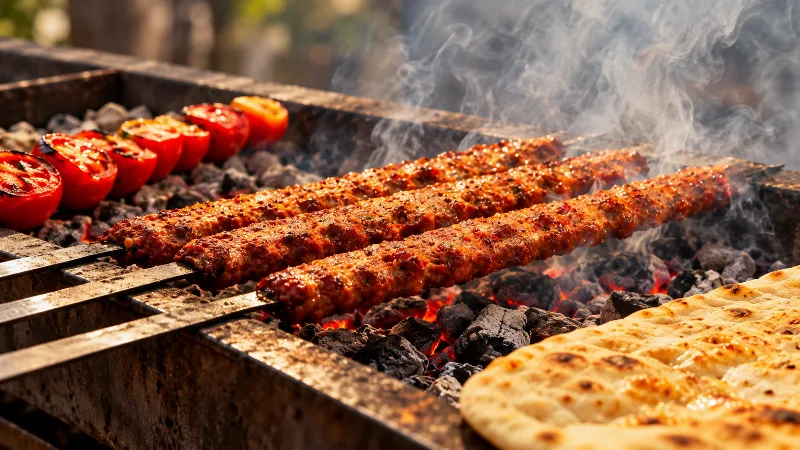
Adana Kebabı
Adana kebabı is a spicy minced-lamb kebab from the southern Turkish city of Adana, moulded onto wide flat skewers and grilled over charcoal. Its heat, its hand-chopped meat and its distinctive flat skewer set it apart from other Turkish kebabs.
Explore →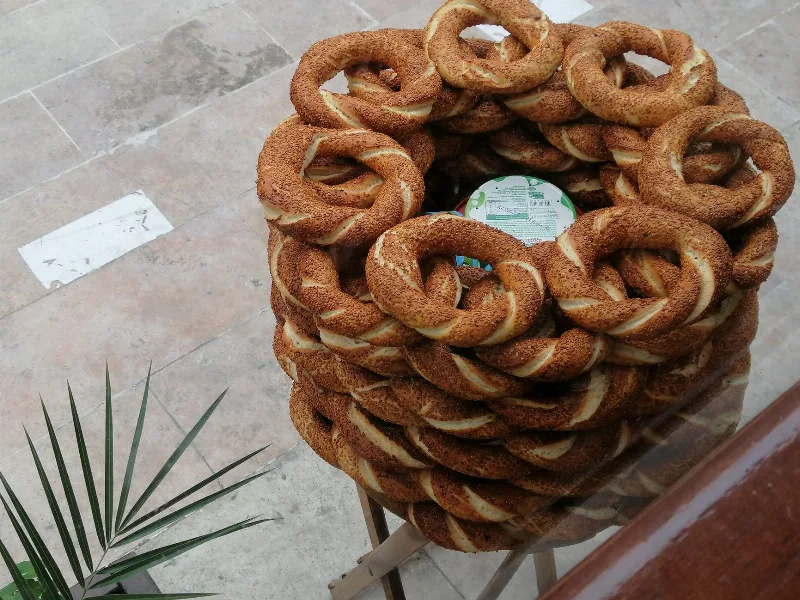
Simit
Simit is a ring-shaped Turkish bread covered in sesame seeds, strongly associated with Istanbul and sold as everyday street food. It is eaten fresh, most often with tea, and has a crisp crust around a chewy crumb.
Explore →Related content
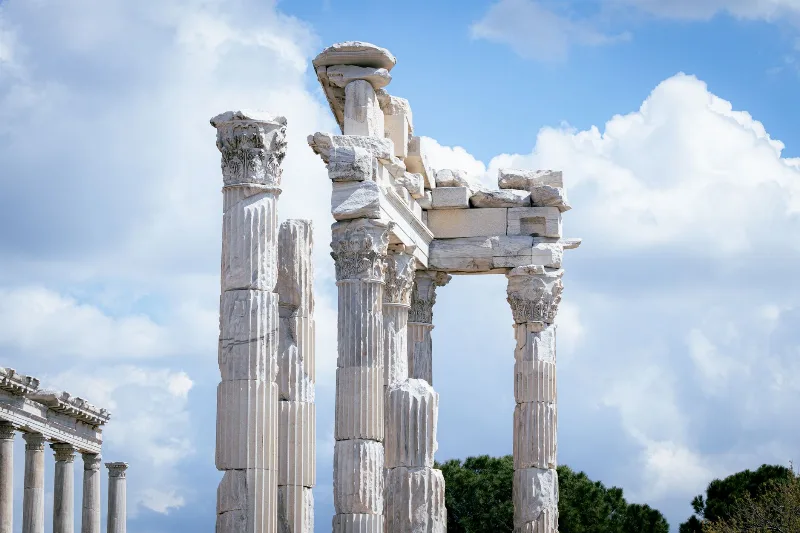
Bergama
Bergama is an inland district of İzmir Province on the Bakırçay plain, built around the ancient city of Pergamon, a UNESCO World Heritage Site reached by a cable car up to its acropolis.
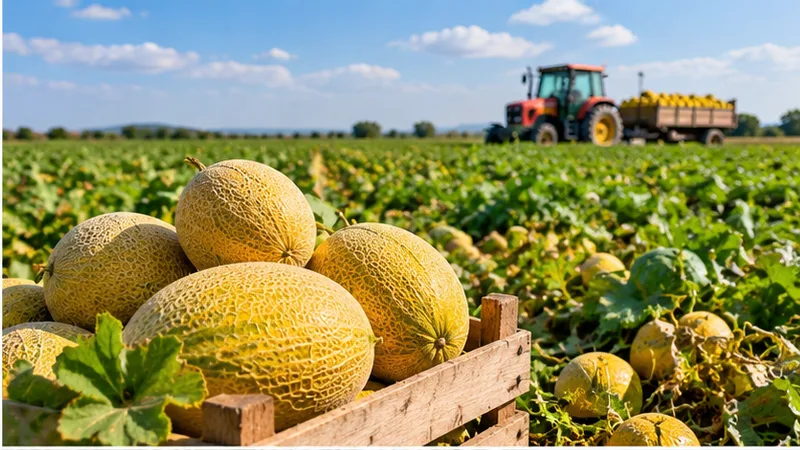
Melon Harvest in Konya
Konya's melon harvest normally takes place in August, when hot, dry summer conditions bring the fruit to peak sweetness. The timing can shift with weather, but the main harvest is a working agricultural season across the Konya Plain.
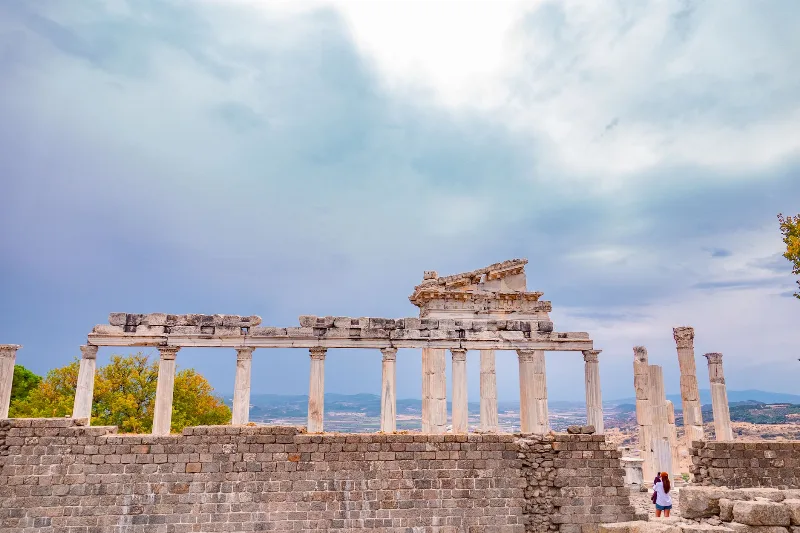
Bergama and the Acropolis of Pergamon
Bergama in İzmir Province is the modern town beneath ancient Pergamon, where a hilltop acropolis, a healing sanctuary and a Roman basilica reveal centuries of Anatolian history.
2-Day Bergama and Ayvalık Route: Pergamon to Cunda Island
A compact two-day route that pairs the terraced ruins of ancient Pergamon in inland Bergama with the olive-growing Aegean coast at Ayvalık and the causeway-linked island of Cunda.
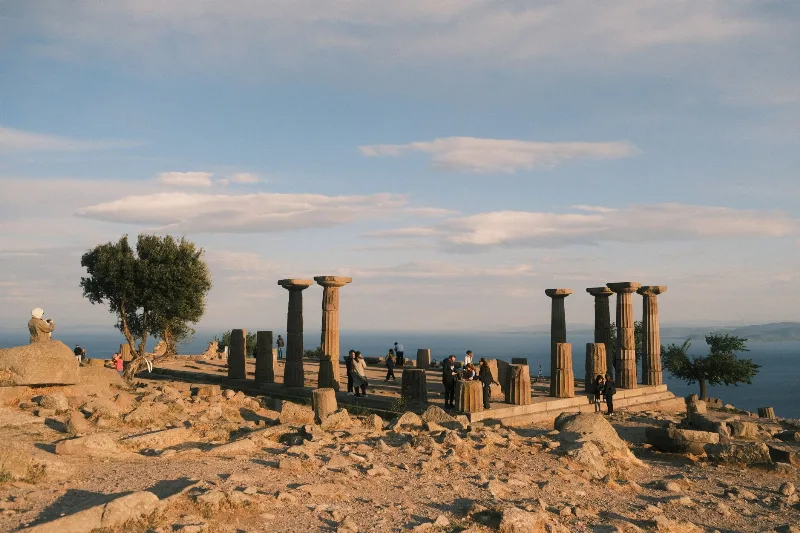
4-Day North Aegean Coast Route
A four-day linear route along the North Aegean coast from Assos to İzmir, with stops at Ayvalık, Cunda, Dikili, Çandarlı, Bergama and Foça. The itinerary is designed for a realistic coastal and inland road trip by car.
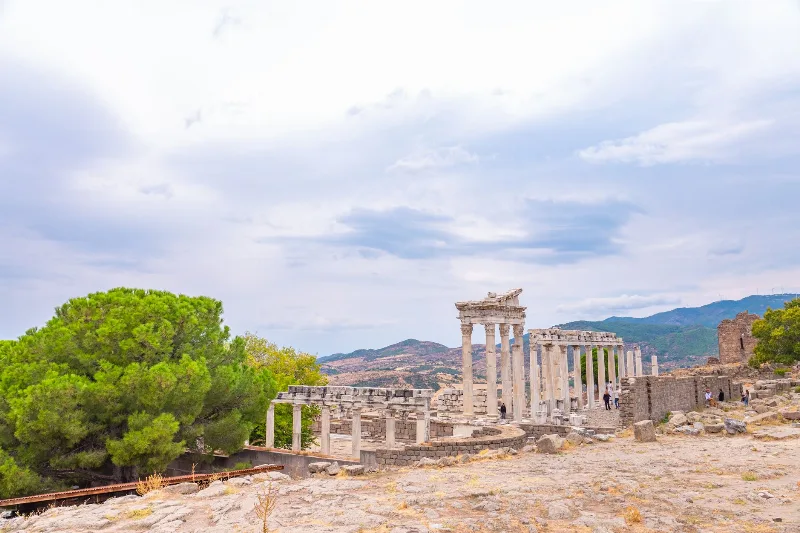
The Ancient City of Pergamon and Its Acropolis
Pergamon, now Bergama in Türkiye, is a UNESCO World Heritage Site with a dramatic acropolis, a Hellenistic theater, and a library that once rivaled Alexandria. Its ruins offer a deep dive into ancient history and culture.