
Sığacık
Sığacık is a small Aegean coastal town in İzmir Province, in the Seferihisar district, recognised for its Genoese castle walls, its working boat harbor and its traditional stone houses.
Sığacık is a small coastal settlement on the Aegean shore of İzmir Province, inside the district of Seferihisar. It sits just a few kilometres southwest of the town of Seferihisar and occupies a low, curving stretch of coast where a sheltered bay meets a plain of olive groves and citrus gardens. What sets it apart from many fishing villages along this coastline is the combination of a walled historic core, a still-functioning harbor and a market tradition that draws people from across the district.
Where Sığacık Is and How the Town Is Laid Out
The settlement faces west toward the Aegean and is part of the wider Seferihisar area, one of the first slow-city districts in Türkiye. Its centre is compact and easy to walk. The old town clusters behind the harbor, wrapped inside the remains of a defensive wall, while newer streets spread inland toward the gardens and allotments that surround the built area. Because the ground is largely flat and the distances inside the town are short, most of Sığacık can be explored on foot within a couple of hours.
The Genoese Castle and the Walled Inner Town
The most visible landmark is the castle that gives the old quarter its shape. Its fortifications are associated with the Genoese period, when trading powers from the Italian peninsula held footholds along the Aegean coast. Much of the circuit of the walls survives, forming a ring that still frames the oldest part of the town. Inside this enclosure, the streets are narrow and irregular, lined with low stone houses, some of them restored and others showing the wear of time. Walking the perimeter of the walls and stepping through the surviving gateways is the clearest way to understand how the settlement was originally organised as a defended port.
Traditional Aegean Architecture in the Streets
The houses of Sığacık follow a recognisable Aegean pattern: stone or rendered masonry walls, low-pitched roofs, small windows, and courtyards often shaded by vines or citrus trees. Colours tend toward white, cream and the grey-brown of local stone, and where buildings have been repaired, traditional materials and proportions have generally been respected. Bougainvillea and fig trees appear over garden walls, and the ground floors of some houses open toward the street in a way typical of small Mediterranean ports. The overall impression is of a settlement that grew organically around its harbor rather than being planned to a grid.
The Harbor and Waterfront
The harbor is the working heart of the town. It shelters small fishing boats and pleasure craft, and the waterfront retains a practical, maritime character rather than a manicured resort feel. Around the quay, the everyday life of a coastal settlement continues: boats are maintained, nets checked, and the catch handled. A breakwater protects the entrance to the bay, and the stone of the castle walls rises close to the water on one side, making the relationship between the fortification and the sea immediately legible.
The Market and Everyday Local Character
Sığacık is widely associated with its market, which has become one of the best-known in the region. Stalls offer local produce, herbs, olives, olive oil, cheeses, breads and handmade goods, and the market days bring a noticeably busier rhythm to the town. Beyond market days, Sığacık feels like a residential place shaped by agriculture and fishing. Olive groves and mandarin and citrus orchards occupy much of the surrounding land, and the seasons of harvest are part of the local calendar.
Teos and the Deeper History of the Coast
Immediately beside Sığacık lie the ruins of Teos, an ancient Ionian city. The site preserves traces of city walls, a harbour and, most notably, the remains of a temple dedicated to Dionysus, which was among the largest of its kind in the ancient Greek world. The proximity of these ruins gives the modern town a layered sense of history: the Genoese walls of the medieval port sit within walking distance of a much older classical settlement, and the two together explain why this stretch of coast was always worth defending and settling.
Landscape, Coast and Surroundings
The landscape around Sığacık is low, green and agricultural, opening onto the sea. Inland, the plain is given over to orchards and olive trees, broken by low hills. Along the coast, the shoreline alternates between the sheltered harbor and open beaches, of which Akkum is the best known nearby. The water is typically clear and calm in summer, and the flat terrain makes the area comfortable for walking, cycling and gentle exploration. The climate is Mediterranean, with hot, dry summers and mild, wetter winters.
How to Reach Sığacık
Sığacık is reached from the town of Seferihisar, which lies a short distance inland and serves as the administrative centre of the district. Seferihisar is connected to İzmir by road, and from there the route continues southwest to the coast. The town is close to other coastal and inland settlements of the Seferihisar district and to the wider İzmir peninsula, so it is often visited as part of a longer route along the Aegean shore. Because transport details and schedules can change, it is worth checking current connections before travelling.
When to Visit
Spring and early summer are particularly pleasant, when the gardens are green and temperatures are moderate. Autumn brings the citrus and olive harvest and remains warm enough for time by the water. Midsummer is hot and busy, especially around market days, while winter is quiet, mild and often wet. Anyone interested in the market should plan around its scheduled days, and those coming mainly for walking and the ruins will find the shoulder seasons the most comfortable.
Practical Notes Before You Go
Sığacık suits visitors who want a compact, walkable coastal town rather than a large resort. Footwear for uneven stone streets and the castle area is useful, and much of the sightseeing is outdoors, so sun protection matters in the warmer months. The old town, the harbor and the adjacent ruins of Teos can be seen in a single day, though staying longer allows time for the coast and the surrounding orchards. Because the settlement is small and its streets are residential, visitors should expect an unhurried pace and respect the fact that much of the area remains a living neighborhood rather than a stage set.
From the land
Find All →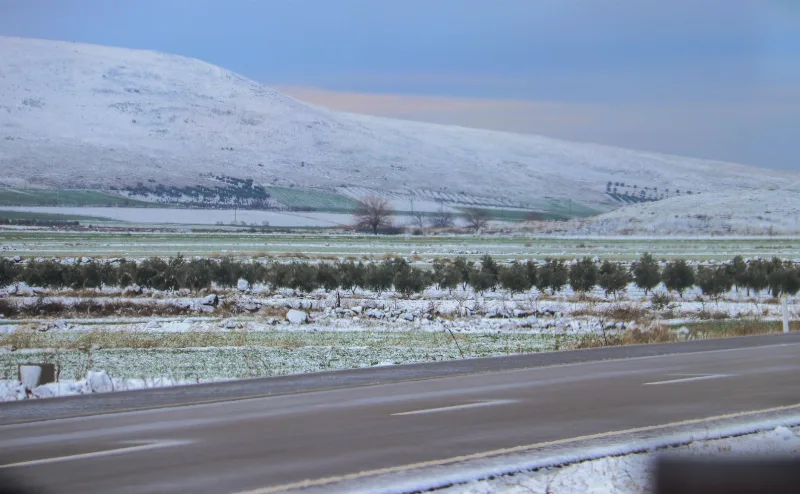
Gaziantep Garlic
Gaziantep garlic is the pungent, sharply aromatic garlic grown in the irrigated garden plots and fields of Gaziantep province in southeastern Türkiye. Its character comes from a hot, dry ripening season, cold winters and the fertile, well-drained soils of the province.
Explore →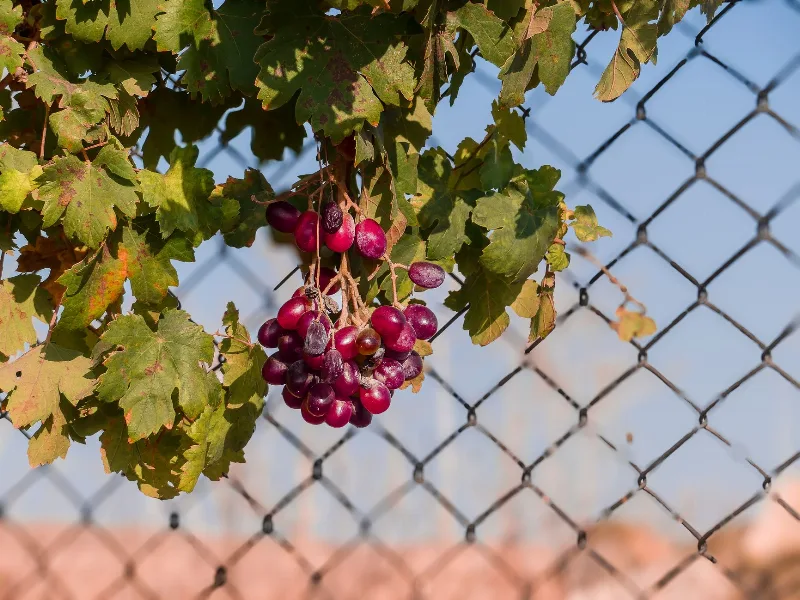
Çal Grapes
Çal grapes come from an elevated plateau in Denizli Province, where stony soils, wide day–night temperature swings and a long vineyard tradition shape both table fruit and wine grapes.
Explore →
Datça Almonds
Datça almonds are the almonds grown on the Datça peninsula in Muğla province, southwestern Türkiye, where mild Mediterranean winters, sea air and rocky, well-drained slopes have shaped a local almond-growing tradition centred on sweet, firm kernels.
Explore →Related content
Izmir's Coastal Charm
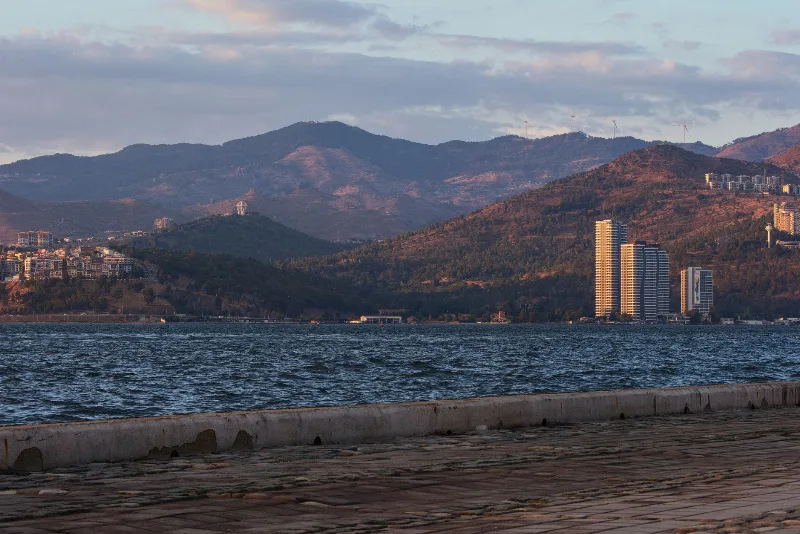
İzmir is a western Turkish city built around a gulf of the Aegean Sea, where a long waterfront, nearby coves, ancient sites and Aegean cooking shape its coastal character.
The Traditional Fishing Villages of the Aegean
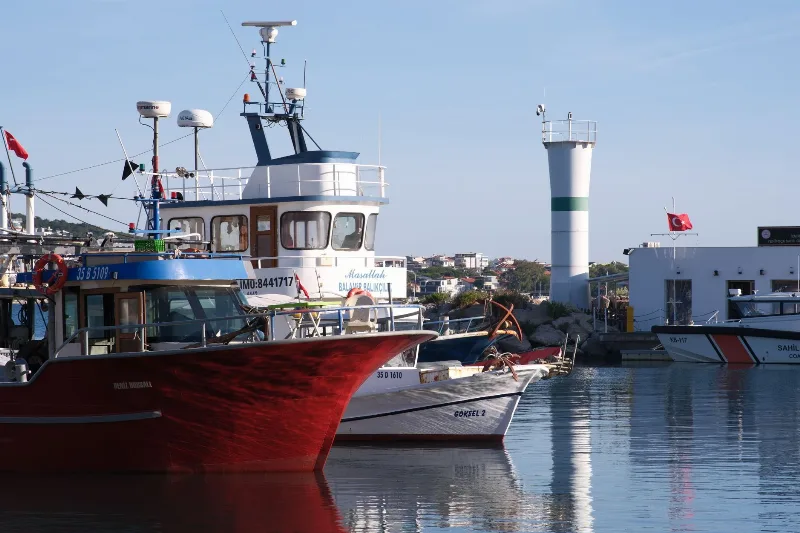
The Aegean coast of Türkiye is lined with small fishing villages where wooden boats, olive groves and seafood shape a quiet maritime way of life.
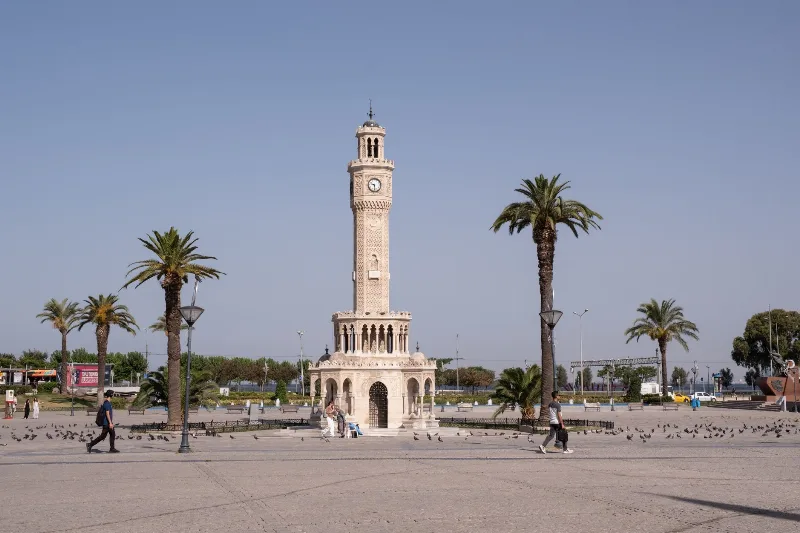
Izmir
Izmir is a major Aegean port city in western Türkiye, built around the Gulf of Izmir and known for its Kordon waterfront. It is the country's third-largest city and the main urban gateway to the ancient sites of Ephesus and Pergamon.
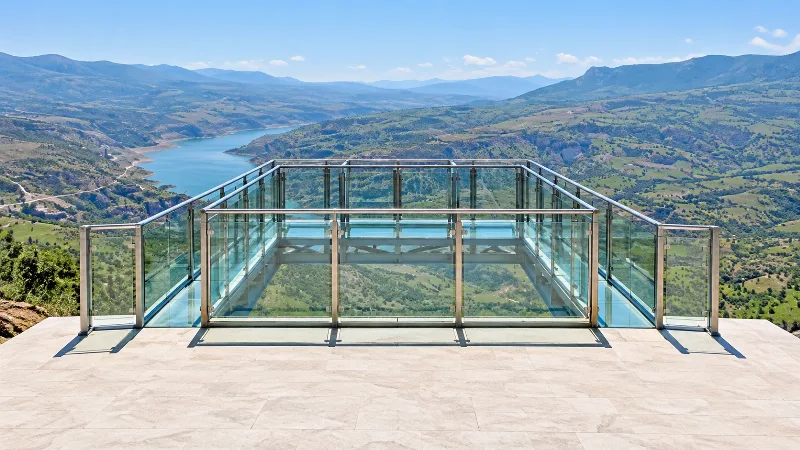
Tillo
Tillo is a small historic town in Siirt Province, southeastern Türkiye, known for its madrasas, its stone architecture and its long association with Islamic scholarship.
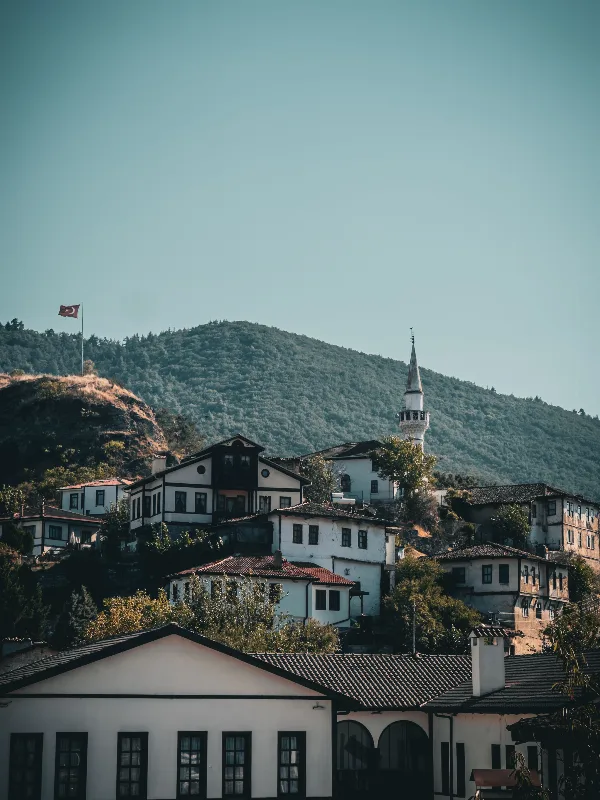
Beypazarı
Beypazarı is a district town in Ankara Province where a large stock of Ottoman-era houses still lines the old streets, and where mineral water springs, silver filigree work and carrot growing shape daily life. It is an easy inland counterpart to the better-known historic towns of Anatolia.
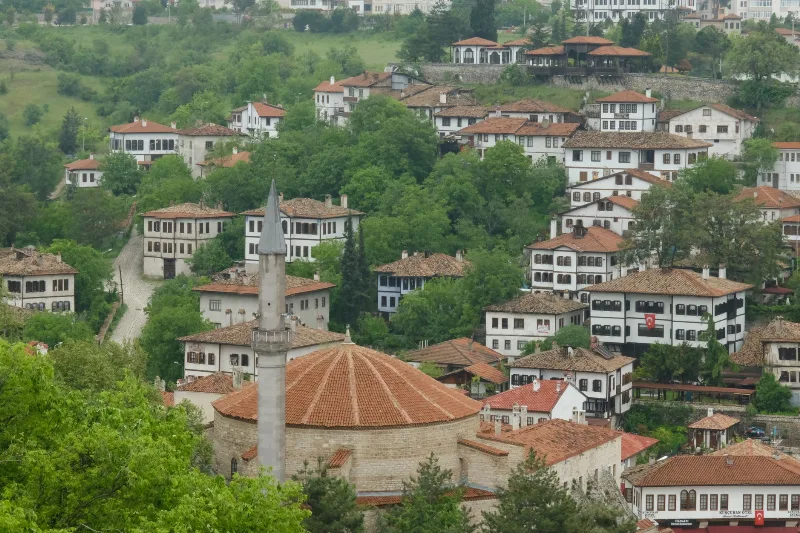
Safranbolu
Safranbolu is a UNESCO-listed Ottoman town in Karabük Province, built around a ravine bazaar and known for hundreds of timber-framed houses, historic bathhouses and the saffron that gave the town its name.