Maçahel (Camili)
The Maçahel valleys near Camili form a green mountain landscape of wooden houses, traditional beekeeping and internationally recognized biodiversity.
The Maçahel valleys near Camili form a green mountain landscape of wooden houses, traditional beekeeping and internationally recognized biodiversity.
A valley region near the Georgian border
Maçahel, also known by the name Camili in Türkiye, refers to a group of mountain villages in the Borçka district of Artvin near the Georgian border. It is a landscape region rather than one compact town centre. Deep green valleys, forested slopes and scattered rural homes define the scenery. The distinctive geography has helped preserve both rich natural habitats and local traditions that differ from those of larger Black Sea towns.
A biosphere landscape
The Camili Biosphere Reserve is recognized under UNESCO’s Man and the Biosphere Programme. Its forests and mountain ecosystems form an important biodiversity area, with a range of habitats shaped by rainfall and elevation. The natural setting is not limited to one scenic overlook: river valleys, wooded slopes and upland areas together create the landscape. The reserve’s designation also emphasizes the relationship between conservation and the lives of local communities.
Village buildings and rural practices
Traditional houses in the area commonly incorporate timber and are positioned on slopes or near small agricultural plots. Beekeeping is strongly associated with the region, along with other forms of rural production. Building traditions reflect the wet climate and availability of wood. The villages’ small scale allows visitors to observe how homes, gardens and surrounding forest form a connected pattern rather than separate developed zones. The Maçahel name describes a wider cultural and geographical region, so a single village photograph cannot represent all of it. Valleys differ in exposure, forest cover and settlement density. The experience of travelling between them is part of understanding how the communities have maintained close ties with their mountain environment.
Forests, weather and seasons
The climate is generally moist and the vegetation lush, especially in the warmer months. Mountain valleys can experience rapidly changing conditions, and mist is often part of the visual atmosphere. Seasonal differences matter for access as well as scenery. Spring and summer offer intense greenery, while autumn brings changing leaf colours. The area’s natural character is strongest when considered as an ecosystem rather than a single postcard scene.
Reaching Camili
Road access is generally from the Borçka area through mountainous terrain. Distances can take longer to cover than they appear on a map, and road or weather conditions may affect travel. Visitors interested in multiple villages should allow time rather than planning a hurried stop. Respect for local communities and protected habitats is essential, particularly away from established roads and paths. Checking current travel conditions is important before setting out.
From the land
Find All →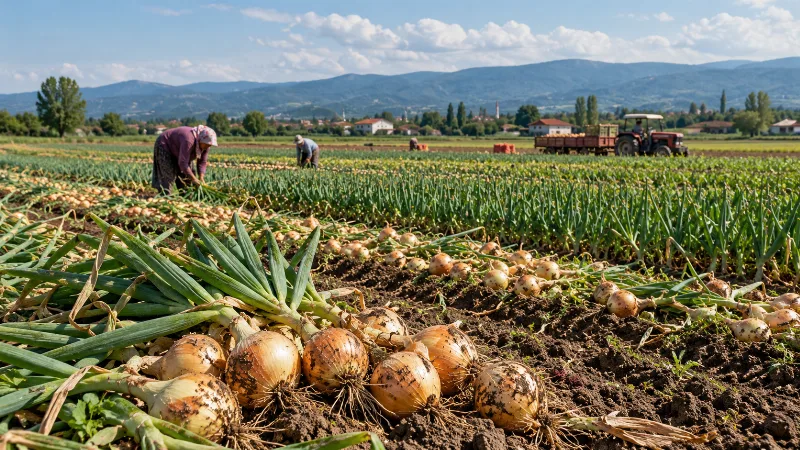
Adapazarı Onions
Adapazarı onions are a locally distinctive onion type grown on the fertile plain around Adapazarı in Sakarya province, where deep alluvial soils and a mild, transitional climate produce bulbs noted for their mild sweetness and their ability to keep well after harvest.
Explore →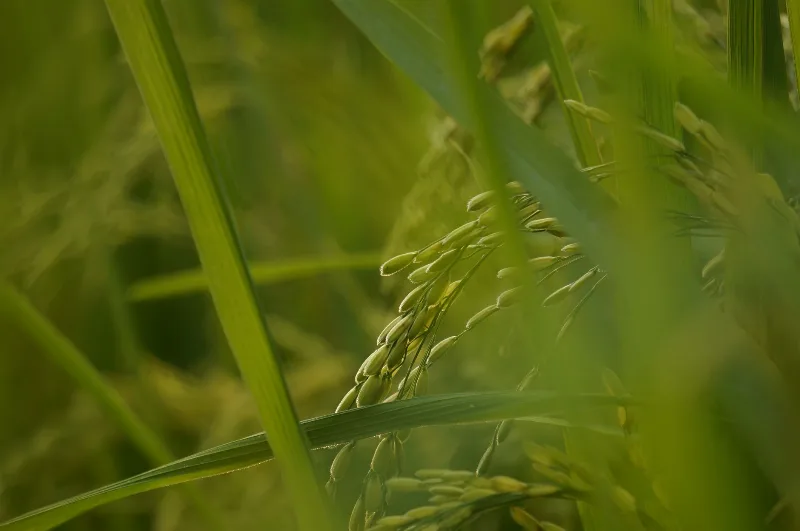
İpsala Rice
Grown on the river-fed alluvial plain around İpsala in Edirne province, İpsala rice reflects the landscape of Thrace: flooded paddies, warm summers and a long local milling tradition.
Explore →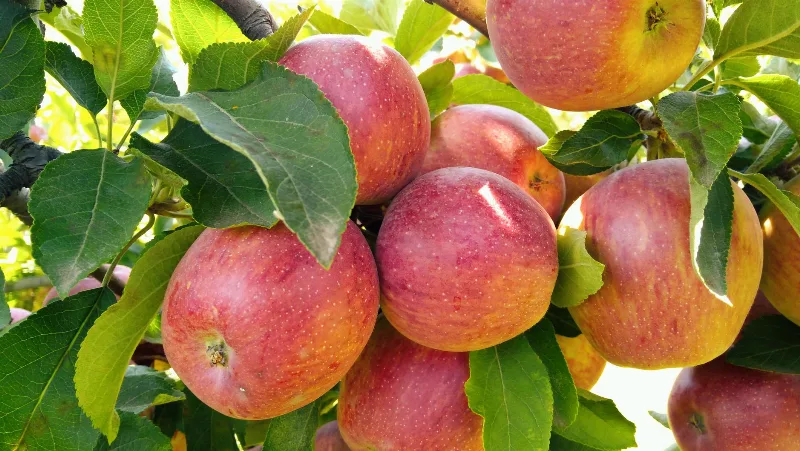
Amasya Apples
Amasya apples are apples grown in the sheltered river valleys of Amasya province in northern Türkiye, where cold winters and warm summers shape fruit known for its firm, crisp bite and balanced sweet-tart flavour.
Explore →Related content
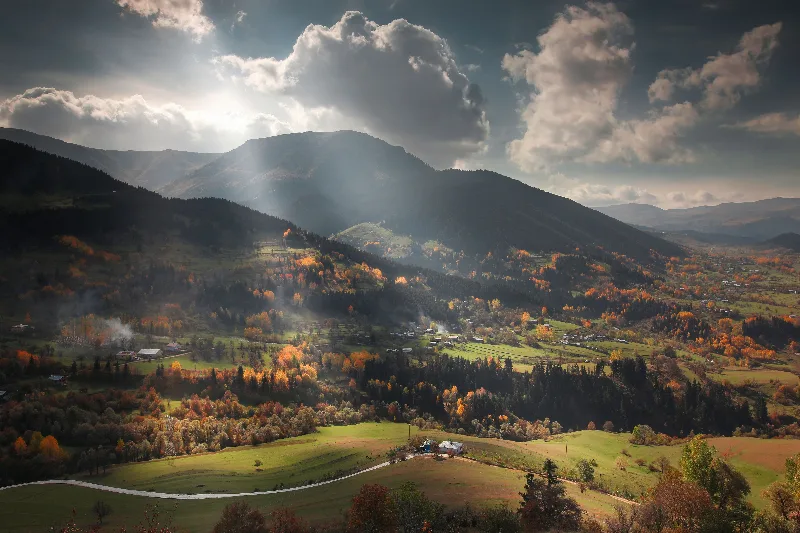
Artvin
Explore Artvin, the northeastern Black Sea region: history, standout sights, landscapes, local food and practical travel advice for an unforgettable journey in Türkiye.
Artvin Macahel Honey and Highland Villages
In Turkey's far north-east, the Macahel valley shelters a handful of wooded villages, a native Caucasian bee and a honey that has become one of Artvin's best-known products.
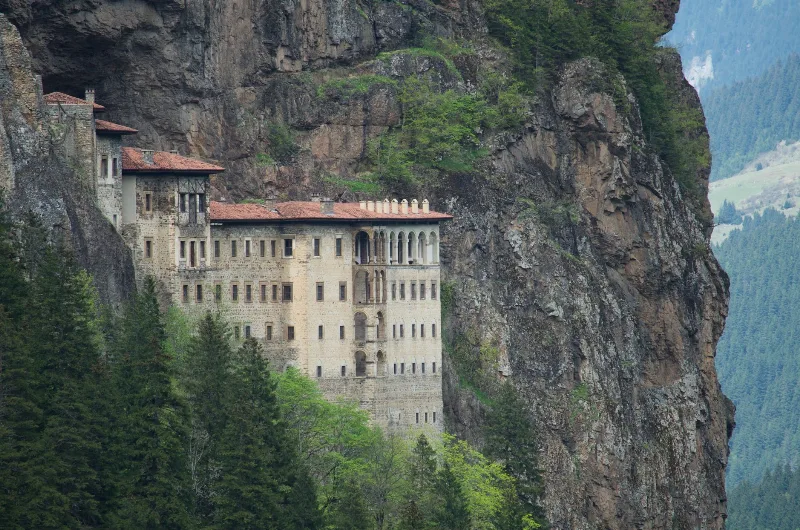
7-Day Eastern Black Sea Highlands Route: Trabzon to Artvin
A seven-day driving route through the Eastern Black Sea highlands, from Trabzon and Sumela to Uzungöl, Ayder, the Kaçkar Mountains and the forests of Şavşat, ending at Artvin.
Karagöl Sahara National Park Alpine Lakes in Artvin
Hidden in the forested mountains of Şavşat, Karagöl Sahara National Park in Artvin pairs a small glacial lake with a high summer pasture, offering a quiet glimpse of Turkey's north-eastern highlands.
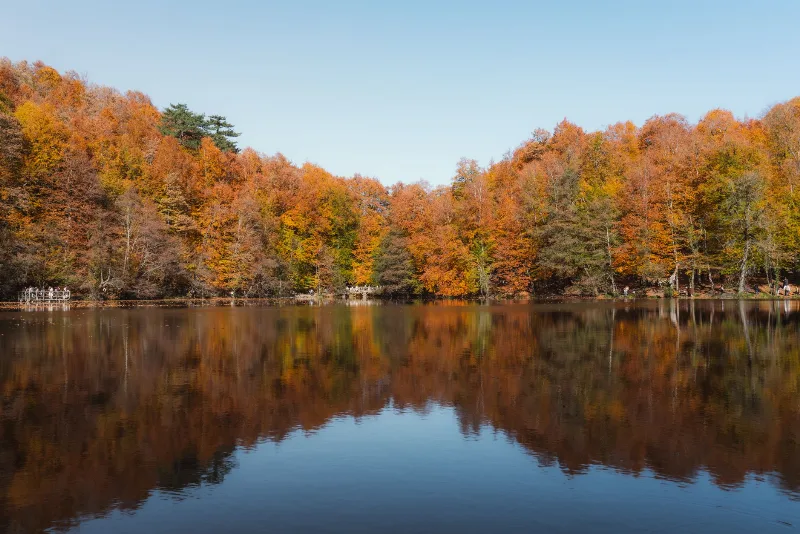
Nature Reserves of the Black Sea Region
Türkiye's Black Sea coast hides a chain of protected landscapes, from glacial lakes in the Kaçkar Mountains to canyons and old-growth forests in Kastamonu and Bartın.
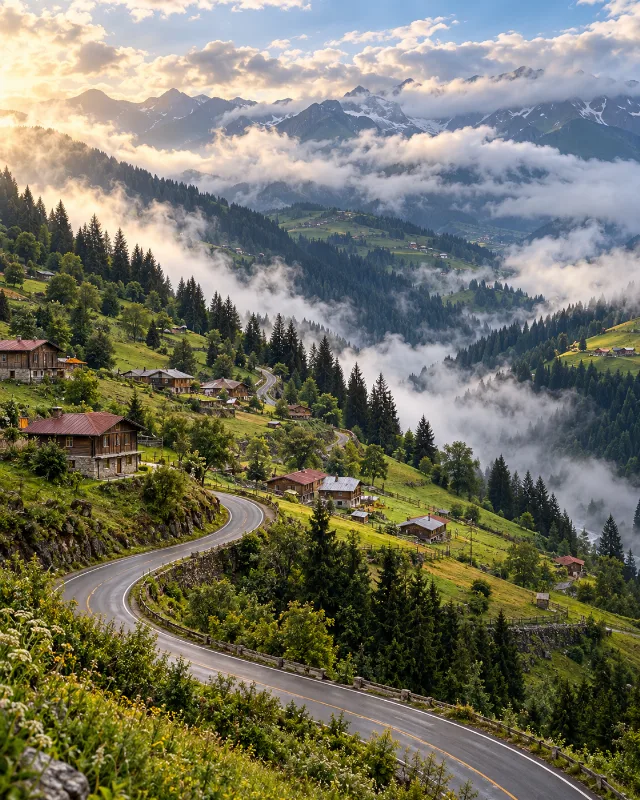
5-Day Eastern Black Sea Route
A five-day journey from Trabzon through Uzungöl, Rize, Çamlıhemşin, Ayder, Borçka and Şavşat, combining Black Sea culture with forests, lakes and highlands.