Macahel Honey and the Highland Villages of Artvin
In Turkey's far north-east, the Macahel valley shelters a handful of wooded villages, a native Caucasian bee and a honey that has become one of Artvin's best-known products.
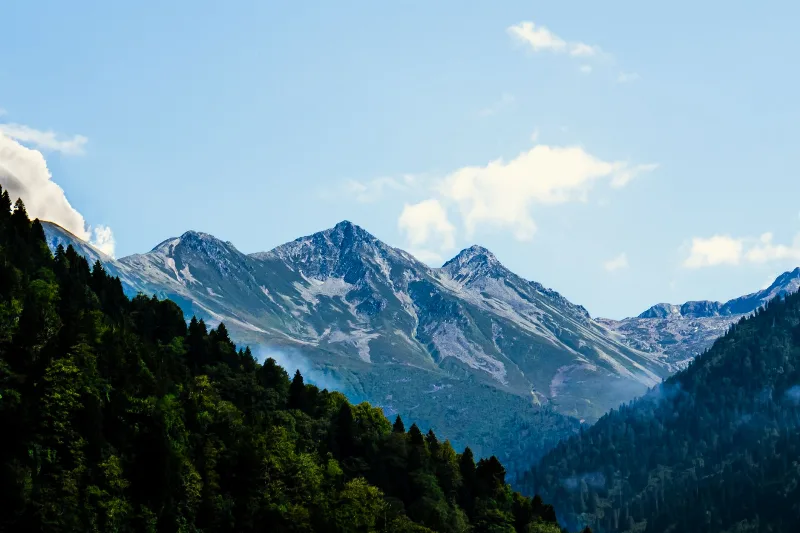
Macahel is the name given to a long, forested valley in the far north-east of Türkiye, where the province of Artvin runs up against the Georgian border. Cut by a fast-flowing tributary of the Çoruh and walled in by the Karçal Mountains, it is a place of steep wooded slopes, misty mornings and scattered highland villages, and it is known above all for its honey, produced by a native Caucasian bee from the flowers of the surrounding forests and pastures.
Where the Macahel Valley Lies
The valley begins inland from the Black Sea coast and climbs steadily towards the lesser Caucasus, following the Machakhela river, which continues beyond the border into Georgia. The Turkish side is reached from Borçka, itself a small town on the Çoruh, and the road in threads through beech and spruce forest for around thirty kilometres before opening onto the village basin of Camili. Rainfall here is among the highest in the country, and the result is a dense green landscape of rushing streams, small waterfalls, mossy stone bridges and meadows that stay damp well into summer. Altitudes in the valley floor sit close to a thousand metres, while the surrounding ridges and plateaus rise to well over two thousand.
The Villages of the Camili Basin
The settled heart of Macahel is the Camili basin, a group of villages that includes Camili itself, together with Efeler, Kayalar, Uğur and Düzenli. The area was designated a UNESCO biosphere reserve in 2005, the first in Türkiye to receive the status, in recognition of the way its inhabitants have long combined farming, forestry and beekeeping with the conservation of a remarkably rich habitat. The villages are built in the local manner: houses of timber, often raised on stone foundations, with wide balconies, deep eaves and steep roofs suited to heavy snow. Some carry Georgian inscriptions and carved details, a reminder that the valley's culture has never been confined by modern frontiers. The old mosque at Camili, built of wood in the nineteenth century, is a fine example of the region's carpentry.
The Caucasian Bee and Macahel Honey
Beekeeping in Macahel depends on Apis mellifera caucasica, the Caucasian honeybee, a dark, notably gentle race with a long proboscis that allows it to reach nectar in deep flowers and to work in cool, damp conditions when other bees stay in the hive. Hives are traditionally made from hollowed logs as well as from modern boxes, and are grouped on forest edges and in clearings.
The honey varies with the season and the altitude of the hives. Spring and early summer bring a light, aromatic flower honey gathered from meadow blossom, rhododendron and fruit trees. Later come darker, more assertive honeys from chestnut woods and from linden trees, the latter pale and delicately scented. Because the valley is botanically so varied, and because colonies are moved to different pastures during the season, no two harvests are quite alike.
Highland Life and the Summer Pastures
As in much of the eastern Black Sea region, the year in Macahel is shaped by transhumance. In late spring families take animals and beehives up to the yayla, the high plateau settlements of simple wooden houses and stone enclosures where the grass stays green through the hottest months. Hay is cut, cheese is made and the hives are left among the wildflowers. Villagers keep a few cattle, grow maize and beans on terraced plots, and gather mushrooms, berries and medicinal herbs from the forest. Georgian speech, song and the tulum bagpipe survive here alongside Turkish, and the honey harvest is marked locally with gatherings that bring the scattered hamlets together.
Honey in the Local Kitchen
Macahel honey is eaten at breakfast with bread, butter and the local cheeses, and it is used to sweeten desserts rather than to dominate them. It accompanies the region's cornbread and the melted cheese dishes of the Black Sea coast, and a spoonful stirred into hot milk or herbal tea is a common winter remedy. Because the valley's honey is a seasonal, small-scale product, it is usually bought directly from producers in the villages or at markets in Borçka and Artvin.
Forests, Wildlife and Walking Country
Macahel supports one of the richest woodland ecosystems in Türkiye. Beech, spruce, fir and hornbeam cover the slopes, with rhododendron and hazel beneath, while clear streams hold trout and the meadows above the treeline are bright with crocus, gentian and orchid species in spring. Brown bear, roe deer, wild boar and birds of prey are all present, and the relative isolation of the valley has helped keep them there. Walking routes follow old paths between villages and up to the high pastures, passing stone bridges, abandoned watermills and viewpoints over the forested border ridges.
Related content
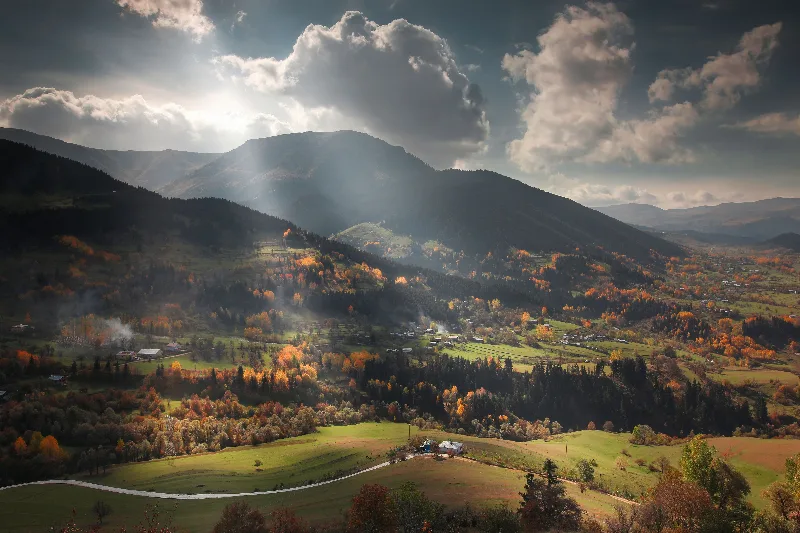
Artvin
Explore Artvin, the northeastern Black Sea region: history, standout sights, landscapes, local food and practical travel advice for an unforgettable journey in Türkiye.
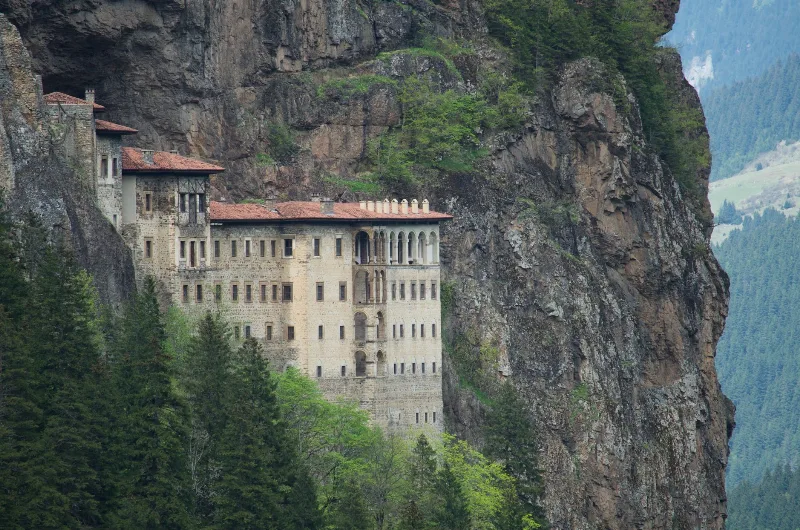
7-Day Eastern Black Sea Highlands Route: Trabzon to Artvin
A seven-day driving route through the Eastern Black Sea highlands, from Trabzon and Sumela to Uzungöl, Ayder, the Kaçkar Mountains and the forests of Şavşat, ending at Artvin.
Maçahel (Camili)
The Maçahel valleys near Camili form a green mountain landscape of wooden houses, traditional beekeeping and internationally recognized biodiversity.
Karagöl Sahara National Park Alpine Lakes in Artvin
Hidden in the forested mountains of Şavşat, Karagöl Sahara National Park in Artvin pairs a small glacial lake with a high summer pasture, offering a quiet glimpse of Turkey's north-eastern highlands.
Şavşat
Wooded mountains, scattered hamlets and wooden houses make Şavşat a distinctive gateway to the highland landscapes of northeastern Türkiye.
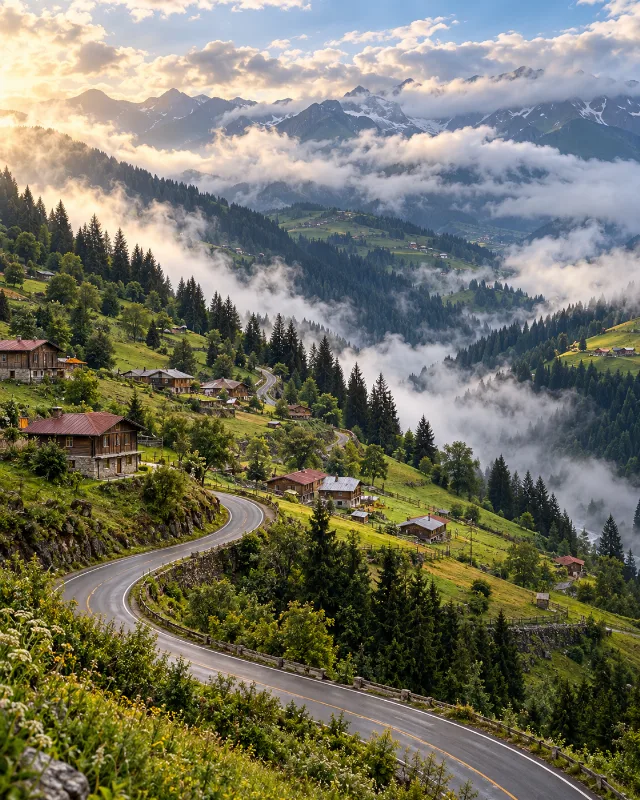
5-Day Eastern Black Sea Route
A five-day journey from Trabzon through Uzungöl, Rize, Çamlıhemşin, Ayder, Borçka and Şavşat, combining Black Sea culture with forests, lakes and highlands.
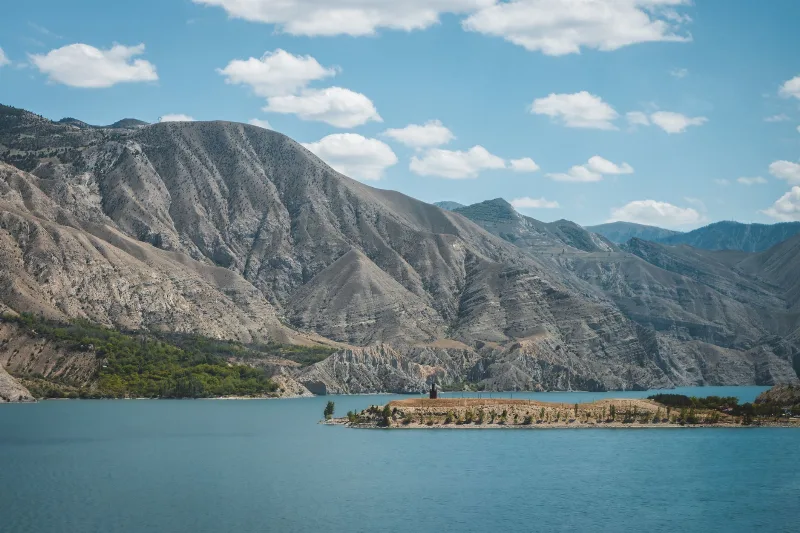
Lake Tortum
Lake Tortum is a landslide-dammed lake in Erzurum Province, northeastern Türkiye, created when a huge rock slide blocked the valley of the Tortum River. Its overflow spills over the Tortum Waterfall, one of the country's best-known cascades.
Kaçkar Mountains
The Kaçkar Mountains form the highest section of Turkey's Black Sea ranges, a glacially sculpted landscape of sharp summits, cirque lakes and high summer pastures.