
Grape Harvest in Çal, Denizli
Each year the vineyards around Çal in Denizli province ripen and are picked, usually between late August and October, with September as the busiest month. The harvest is tied to the local Çalkarası grape and to the district's long-standing wine-making tradition.
Every year the vineyards around Çal, a district in the northern part of Denizli province, fill with ripe grapes and the area enters its most active agricultural period: the grape harvest, known in Turkish as bağbozumu. The event normally falls between late August and October, with September generally the peak, though the exact start depends on how warm and dry the growing season has been. What makes this period distinctive is that Çal is one of the few places in Türkiye where the local red grape variety Çalkarası is grown on a meaningful scale, so the harvest is not only a general vineyard routine but the moment when a specifically local grape reaches maturity.
Where the Harvest Takes Place
Çal lies on a high plain in the upper part of the Büyük Menderes basin, set among low hills and higher ground that give the district a somewhat cooler and more continental feel than the Aegean coast further west. Vineyards are spread across the plain and around the surrounding villages, often as small family plots rather than large single estates. The combination of elevation, hot dry summers and well-drained soils suits vines, and grape growing has shaped the local landscape and economy for generations. Because the vineyards are dispersed rather than concentrated in one block, the harvest is something seen across the whole district rather than at a single site.
The Grapes Behind the Season
The grape most associated with Çal is Çalkarası, a dark-skinned variety considered native to the district. It is used mainly for red wine and is known for giving deeply coloured wines, and it is often blended with other varieties. Alongside it, growers usually keep a mix of red and white grapes, some intended for wine and others for the table or for local use. The presence of Çalkarası is what gives the harvest here its particular identity: it is a local variety rather than a globally planted one, and the timing of its ripening is watched closely by both growers and the wineries that buy from them.
When the Grape Harvest Usually Happens
The harvest typically begins in late August and continues into October, with September usually the busiest stretch. Ripening is not uniform, and the picking is staggered: earlier-ripening varieties and lower, warmer plots are gathered first, while later plots and higher vineyards are left longer. Growers decide when to pick by checking how the grapes are developing — sugar levels rising, acidity dropping, skins and seeds maturing — rather than by a fixed calendar date. This means the window can shift by a week or more from one year to the next.
Why Timing Changes from Year to Year
Weather during the preceding months is the main factor. A warm, sunny spring and a hot, dry summer generally push ripening earlier, while a cooler or wetter season can delay it. Rain during the harvest itself is a concern, because wet grapes can dilute flavour and encourage rot, so growers often try to bring in fruit before unsettled weather arrives. Because annual conditions vary, the harvest should be understood as an approximate seasonal window rather than a fixed date, and anyone planning around it should expect some flexibility.
What Happens During the Harvest
Once picking starts, the vineyards become busy. Grapes are generally cut by hand and collected into crates or bins, often in the cooler early hours to protect the fruit from the heat of the day. From the vineyards the grapes are moved quickly to wineries or pressing facilities, since freshness matters for wine quality. Table grapes follow a separate route towards local markets and beyond. At the same time, growers are already thinking about the next cycle, tending the vines and preparing for the dormant season that follows.
What Visitors Can Realistically Expect to See
A visitor in September will generally see vine rows heavy with dark and light grapes, dusty farm tracks between plots, and the steady activity of picking and transport. The first signs of autumn appear in the vines themselves, as some leaves begin to lose their green and shift towards yellow and brown later in the season. Depending on the year, the harvest period may also overlap with local gatherings and wine-related activity in the district, although the scale and form of these vary and should not be treated as fixed events. What is consistent is the agricultural rhythm: vines, fruit, and the movement of grapes from field to press.
Weather and Landscape During the Season
Early in the harvest the weather is usually still hot and dry, with strong sun and warm afternoons, while nights on the plain can be noticeably cooler. By October, the first rains often arrive, the air freshens and the landscape begins to change, with the vine canopy turning colour before the leaves fall. The terrain is gently rolling rather than dramatic, so the seasonal change reads as a wide, quiet transformation of the vineyards rather than a single striking view.
Nearby Areas Connected to the Same Landscape
The wider Denizli region shares this agricultural character, and the neighbouring Baklan plain and other parts of the upper Menderes basin have their own vineyards and farming traditions. Denizli city and the better-known landscapes around Pamukkale lie to the south, but they belong to a different kind of visit. For the grape harvest specifically, the relevant geography is the Çal plain and its villages, where the combination of altitude, climate and a local grape variety gives the season its reason to be watched so closely.
EXPLORE BY THEME
All themes →
Historic Places
Ancient cities, monuments, castles and archaeological sites across Türkiye.
Explore →
Food
Regional dishes, desserts, local ingredients and culinary traditions across Türkiye.
Explore →
Nature
Lakes, forests, rivers, canyons, mountains, wetlands and national parks across Türkiye.
Explore →Related content
Denizli
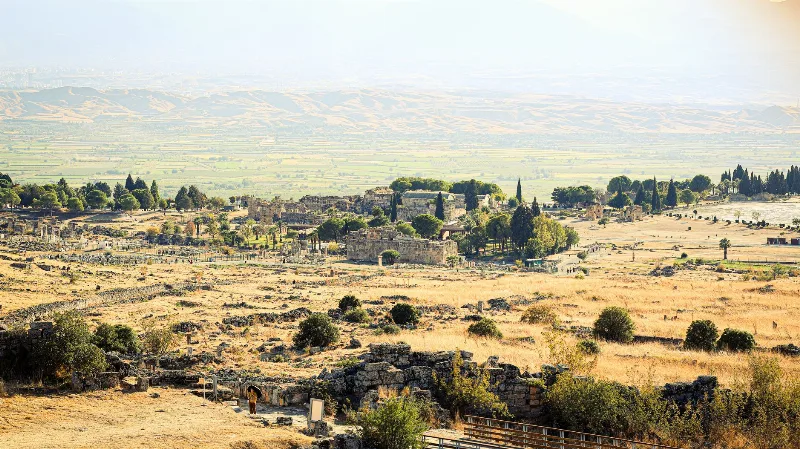
Denizli is the inland capital of Denizli Province in Türkiye's Aegean region, known internationally for the Pamukkale travertine terraces and ancient Hierapolis, and at home as a major textile city with its own long-crowing rooster breed.
Pamukkale
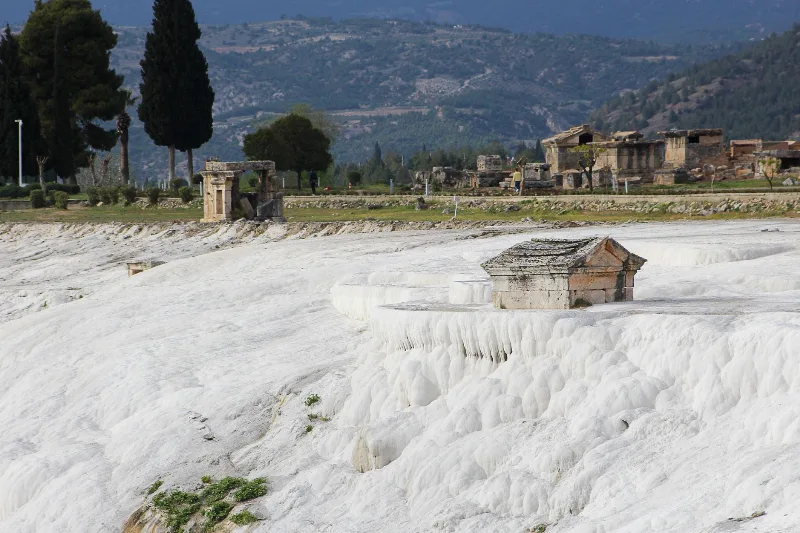
Pamukkale, Türkiye'nin en etkileyici doğal harikalarından biri olarak bilinir, büyüleyici beyaz termal terasları ve antik Hierapolis kentiyle dikkat çeker.
Pamukkale
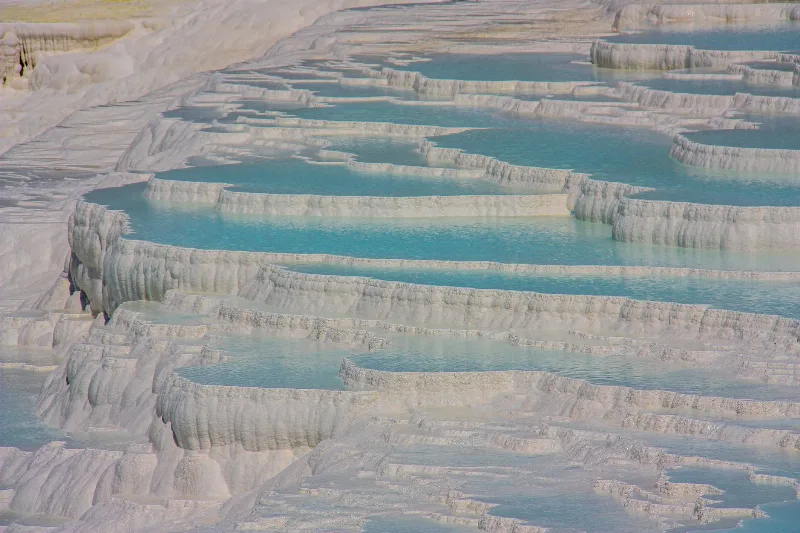
Pamukkale in Denizli province is a UNESCO World Heritage site where calcium-rich thermal water has built a cliff of white travertine terraces above the ancient city of Hierapolis. Visitors walk barefoot across the terraces, while the plateau above holds Roman baths, a theatre, the Plutonium and one of Anatolia's largest necropolises.
Çal Grapes
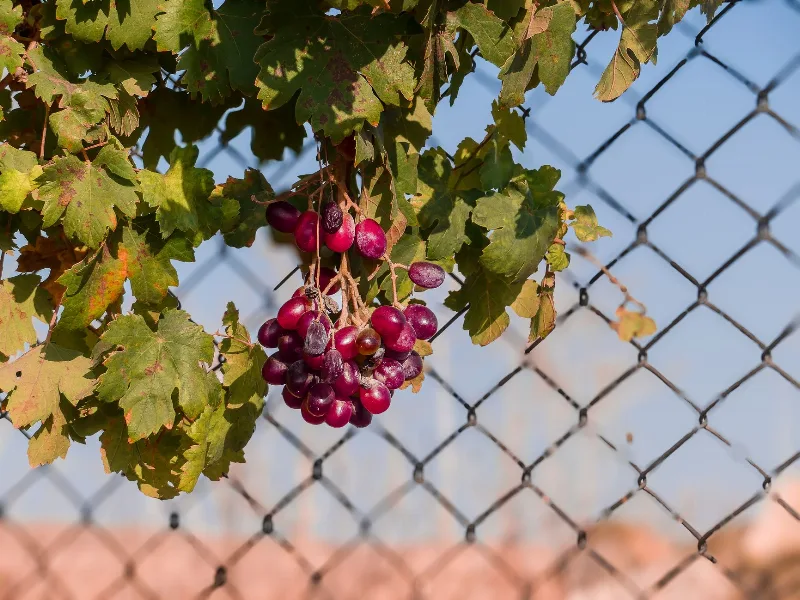
Çal grapes come from an elevated plateau in Denizli Province, where stony soils, wide day–night temperature swings and a long vineyard tradition shape both table fruit and wine grapes.
4-Day Ephesus and Pamukkale Route
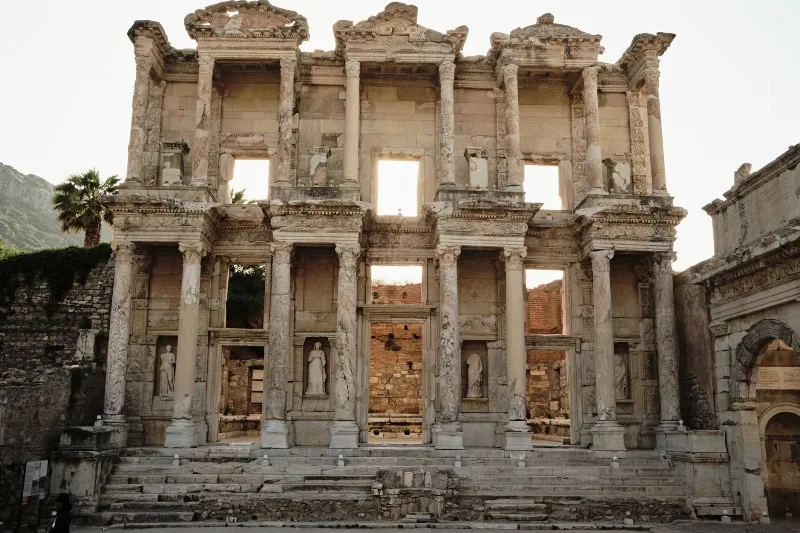
A four-day west-to-east Aegean route that links the ancient city of Ephesus and the House of Virgin Mary in Selçuk with the white travertine terraces and Hierapolis ruins at Pamukkale, near Denizli.
Pamukkale
Pamukkale is a white travertine formation in Denizli Province, built up over millennia by calcium-rich thermal springs that flow down the edge of a plateau beside the ancient city of Hierapolis.