
Apple Harvest in Niğde
Niğde’s apple harvest generally falls between September and October, when orchards across the province reach picking time. The window shifts with weather each year, making the autumn orchard season a matter of broad timing rather than fixed dates.
The apple harvest in Niğde is an autumn agricultural season, typically running from September into October, when orchards across the province move from ripening fruit to picking. Niğde is one of Türkiye’s important apple-producing areas, and the harvest period is when the region’s orchards become visibly active. It is also the most reliable general window for seeing apples at maturity in the orchard, although the exact start and finish shift with weather, variety and local conditions. The season is therefore best understood as a normal September–October window rather than a fixed date.
When the Niğde Apple Harvest Usually Takes Place
The harvest does not begin on the same day everywhere in Niğde. It is a moving period within the province, as orchards at different sites and with different apple varieties reach picking condition at slightly different times. In most years, September is the month when the harvest becomes clearly visible, and October is when the later part of the season continues. Some years may feel earlier or later depending on spring and summer conditions, and on how autumn temperatures develop. For that reason, travelers should treat September and October as a broad seasonal window and check local conditions close to the time of travel rather than relying on a single calendar date.
What Creates the Seasonal Change in Niğde’s Orchards
Apple harvest is the final visible stage of a longer orchard cycle. Fruit that set earlier in the year grows through the summer, and by early autumn the apples approach maturity. Picking begins when the fruit reaches the condition required for harvest, not simply because the calendar has turned to September. Niğde’s position in central Anatolia gives the province a continental agricultural setting, with seasonal contrasts that shape orchard work. The shift from summer to autumn is the practical trigger for harvest activity: orchard work intensifies, fruit is collected, and the landscape begins to show the first signs of autumn. The exact relationship between weather and picking is not identical each year, which is why the harvest is described as a period rather than a date.
What the Orchards Look Like During Harvest
During the harvest window, apple orchards in Niğde are working landscapes rather than ornamental gardens. Trees carry fruit in the colours and sizes of the varieties grown, and where picking is under way, crates, bins or collection points may be visible at the edges of orchard blocks. The rows of trees remain the dominant feature, with leaves still largely green but beginning to show autumn character as the season advances. The ground may be dry or muddy depending on recent rain, and access tracks can be dusty in dry spells. The overall impression is of agricultural activity set within a rural central Anatolian landscape, not of a landscaped park.
What Visitors Can Realistically Observe
Visitors should expect a working agricultural scene. From public roads and open viewpoints, it is often possible to see orchard blocks, apple trees and, during active picking, the movement of fruit and equipment. This is not a staged visitor attraction, and orchards are private farmland. Entering an orchard without permission is not appropriate. The realistic experience is to observe the seasonal landscape from public routes, understand the scale of apple growing around Niğde, and recognise that the harvest is a period of practical work. There is no need to invent a festival or a formal event: the seasonal interest lies in the orchards themselves and in the fact that this is the time of year when the fruit is gathered.
How Weather and Annual Variation Affect the Harvest Window
The timing of the apple harvest in Niğde can change from year to year. Weather during the growing season affects how quickly fruit develops, and conditions close to harvest influence when picking starts and how long it continues. Warm or cool spells, rainfall and the practical needs of individual orchards can all shift the visible harvest period by days or weeks. Different varieties also mature at different times, so one orchard may be picked while another is still approaching readiness. This is why the September–October window should be treated as a guide. A visitor who arrives at the very beginning or end of the window may see less active picking than someone who arrives in the middle of the general harvest period, but no responsible description can promise an exact day.
The Apple Harvest Within Niğde’s Rural Landscape
Niğde is a province where agriculture is part of the wider landscape, and the apple harvest is one seasonal expression of that relationship. The orchards are not isolated from the rest of rural life: they sit within a working countryside of fields, roads and settlements. For orientation, Niğde city is the main urban reference point, but the harvest itself belongs to the orchard areas outside the city centre. Travelers interested in the seasonal experience should think in terms of the province’s rural geography rather than a single address. The harvest also connects to the region’s reputation for apples: Niğde is known for producing high-quality fruit, and the autumn period is when that reputation becomes visible in the orchards rather than simply in a market.
Best General Period and Practical Expectations
The best general period to see the apple harvest in Niğde is the September–October window, with the understanding that the most active picking may fall somewhere within it depending on the year. September is often when the season becomes apparent, while October generally carries the later harvest. Visitors should plan for changeable autumn conditions: mornings can be cool, and rain can affect orchard tracks and rural roads. Sturdy footwear is useful if walking near farmland, and a flexible itinerary is more realistic than a tightly fixed schedule. The harvest is a genuine seasonal process, not a guaranteed display. Its value for a visitor lies in seeing an important apple-growing area at the time of year when fruit, trees, work and weather all combine to define the orchard season.
EXPLORE BY THEME
All themes →
Hidden Places
Less-known villages, coves, valleys, historic sites and natural areas across Türkiye.
Explore →
Seasonal Experiences
Harvests, festivals, natural seasons and local events throughout the year.
Explore →
Villages
Small settlements, traditional architecture and rural landscapes across Türkiye.
Explore →Related content
Niğde Potatoes
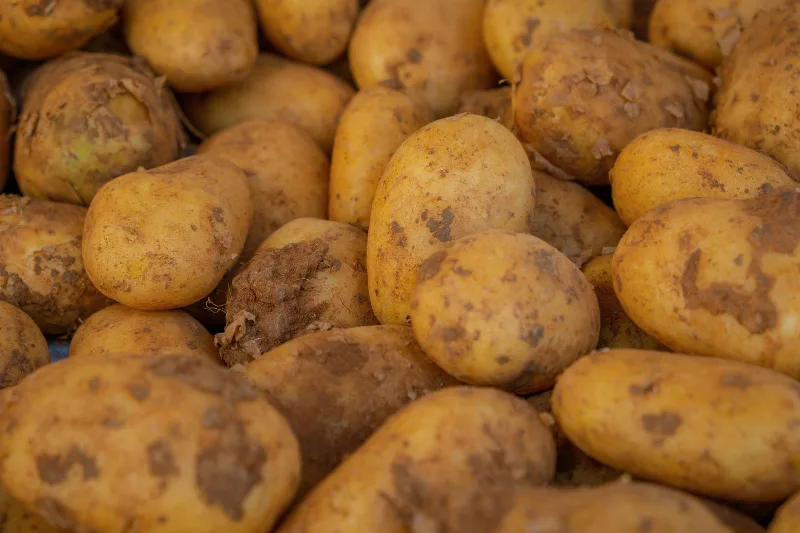
Grown on the high, dry plains of Niğde province in central Türkiye, Niğde potatoes are known for their firm texture and high starch content. Cool nights, sunny summer days and light sandy soils shape the character of this regional crop.
Amasya Apples
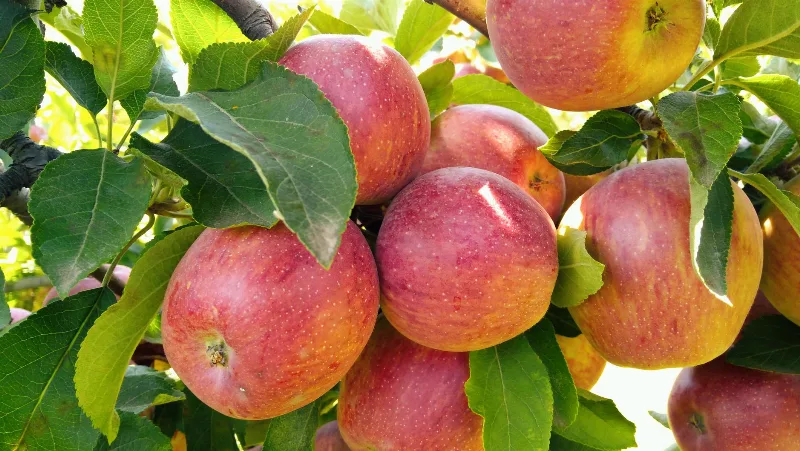
Amasya apples are apples grown in the sheltered river valleys of Amasya province in northern Türkiye, where cold winters and warm summers shape fruit known for its firm, crisp bite and balanced sweet-tart flavour.
Isparta
Isparta is a city in southwestern Türkiye, renowned for its rose oil production and apple orchards. It serves as a hub for the Lakes Region, with Lake Eğirdir and several natural parks nearby.
Soğanlı Valley Rock Churches and Fairy Chimneys in Kayseri
Soğanlı Valley in Kayseri Province hides a quiet landscape of cone-shaped rock formations, cave dwellings and painted Byzantine churches carved directly into the soft volcanic stone.

The Rose Harvest in Isparta
Every spring the gardens around Isparta in Türkiye blush with Damask roses, and the picking begins long before dawn. It is a season of pink fields, copper stills and a fragrance that follows you through the streets.

Amasya
Amasya is a river city in the interior of Türkiye's Black Sea region, where Pontic rock tombs, Ottoman riverside mansions and apple orchards sit along the narrow valley of the Yeşilırmak.