
Manisa Sultaniye Grapes
Manisa Sultaniye is a seedless grape grown across the plains of Manisa province in western Türkiye, eaten fresh in late summer and sun-dried into the golden sultanas that have shaped the region's farming economy for generations.
Manisa Sultaniye grapes are a seedless white grape grown on a very large scale in Manisa province in western Türkiye, chiefly on the plains drained by the Gediz River. The same variety serves two purposes: it is picked early as a crisp table grape, and it is left to ripen further and then dried in the sun to make sultanas, the small golden raisins that have been one of the region's defining agricultural products for well over a century. The bond between this grape and this place rests on a straightforward combination — a Mediterranean climate, a long dry ripening season and deep alluvial soils that let the berries reach high sugar levels and then dry cleanly in the open air.
What the Sultaniye Variety Actually Is
Sultaniye belongs to Vitis vinifera, the Eurasian grape vine, and is one of the classic seedless types of the eastern Mediterranean. The berries are oval, thin-skinned and small to medium in size, starting pale green and shifting toward yellow-green and gold as they ripen. Because the vine sets fruit without seeds, the berries ripen evenly and there is nothing to remove before drying, which is exactly why the variety became the basis of the raisin trade. The flesh is firm and juicy when fresh, with a clean sweetness and little acidity; once dried, that sugar concentrates and the raisin takes on a light amber colour and a soft, chewy texture. Vine leaves are also collected from the same vineyards in spring and used for stuffed vine leaves, so the plant is harvested in more than one way during the year.
Where the Vineyards Grow: The Gediz Plain
The core of production lies in the broad basin of the Gediz, especially around the districts of Alaşehir, Salihli, Sarıgöl, Turgutlu, Ahmetli and Saruhanlı, with vineyards reaching out toward the slopes below Mount Spil near the city of Manisa itself. The land is largely flat to gently sloping, sitting at low to moderate elevations where cold air drains away rather than pooling, and where irrigation water from the river and its tributaries is available through the growing season. Because the plain is so extensive and so consistently planted, Manisa has become one of the largest raisin-producing areas in the world. Sultaniye vineyards also extend into neighbouring parts of the Aegean such as İzmir and Denizli provinces, but the Manisa plain remains the heart of the crop.
Climate and Soil: Why the Vine Thrives Here
Manisa sits under a Mediterranean climate modified by distance from the coast. Summers are hot and reliably dry, winters are mild and wet, and the transitional spring is gentle. The vine likes exactly this rhythm: rain while it is building canopy and fruit, then weeks without rainfall while the berries swell and sweeten. Dry air at ripening time is critical for raisins, because moisture encourages mould on fruit that is meant to dry on the ground or on trays. The soils of the Gediz basin are mostly deep alluvial and loamy, often with gravel and sand mixed in, which drain quickly and warm early in spring. Well-drained ground discourages root problems and pushes the vine toward balanced growth rather than excessive leaf. The surrounding mountain ranges, including the Bozdağlar to the south, shelter parts of the plain and add further variety in aspect and ripening time across the district.
The Growing Cycle, Flowering and Harvest
Vines are pruned in winter while dormant, then break bud in spring as temperatures rise. Flowering follows in late spring, and the seedless berries set and swell through the hot months. Table grapes are usually the first to be cut, from late July into August, when the berries are crisp and still fresh-tasting. Grapes intended for drying are left longer so that sugar content climbs and skins toughen, and they are typically harvested from late August through September, sometimes into October depending on the district and the season. Vineyards here are commonly trained on trellises or low supports that keep fruit off the soil and make hand picking practical, and picking is still done by hand because berries for drying must be handled gently.
Sun-Drying into Sultanas
The transformation from grape to sultana is simple in principle and demanding in practice. Cut bunches are laid out on the ground, on paper or on mats between the vine rows, or in some cases left hanging, and they dry in direct sun for roughly one to two weeks. Before drying, many growers dip the bunches in a mild alkaline solution, traditionally based on potassium carbonate and sometimes with a little olive oil, which breaks down the waxy bloom on the skin and speeds moisture loss while helping the raisins keep their pale golden tone. Once dried, the raisins are gathered, cleaned, stripped of stems and sorted. They are then stored in dry conditions, since the main enemy of a finished sultana is moisture.
A Landscape Built Around Vineyards
Vine growing has shaped how the Manisa plain looks and how it works. Rows of low vines cover large tracts of land between the towns, and the rhythm of the year — winter pruning, spring leaf picking, summer irrigation, the long autumn drying period — organises labour across the districts. Packing, sorting and trading of raisins support a substantial local economy, and grape growing sits alongside other Aegean crops such as olives, cotton and fruit in the same agricultural landscape. The region's long association with the raisin trade is well established, and Manisa Sultani seedless raisins are recognised with geographical indication protection in Türkiye.
How the Grapes Are Used
Fresh Sultaniye grapes are eaten as a table fruit and sold in local and national markets during late summer. The dried form is far more widespread in use: sultanas go into rice pilafs, stuffed vegetables, pastries, breads and stuffings, and into both sweet and savoury cooking, where their sweetness and soft texture are used to balance sharper flavours. In the region, grape-derived products such as grape molasses and vinegar are traditional ways of using the harvest, and vine leaves from the same vineyards are preserved for stuffing. None of these uses changes the essential point: the grape itself is the crop, and its quality depends on where and how it is grown.
What Sets Manisa Sultaniye Apart
Compared with seeded grapes and with thicker-skinned drying varieties, Sultaniye is distinguished by its seedlessness, its thin skin, its pale golden colour after drying and its high natural sugar. Those traits are not incidental to Manisa — they are the reason the variety settled here so completely. A hot, dry ripening season and free-draining alluvial soil in the Gediz plain allow the berries to reach the sugar level and dryness that a good sultana requires, while the scale of the vineyards makes sun-drying practical on a commercial level. The result is a grape that is inseparable from its landscape: the plains, the river and the long Aegean summer are as much a part of Manisa Sultaniye as the vine itself.
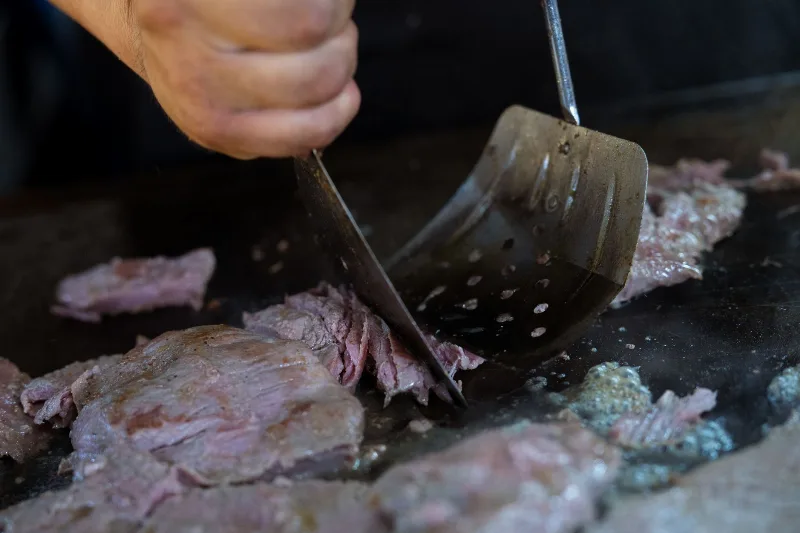
Tantuni
A Mersin street wrap built around finely chopped beef cooked with onion, tomato and pepper on a flat griddle, then rolled in thin lavash and finished with lemon and sumac onion.
Explore →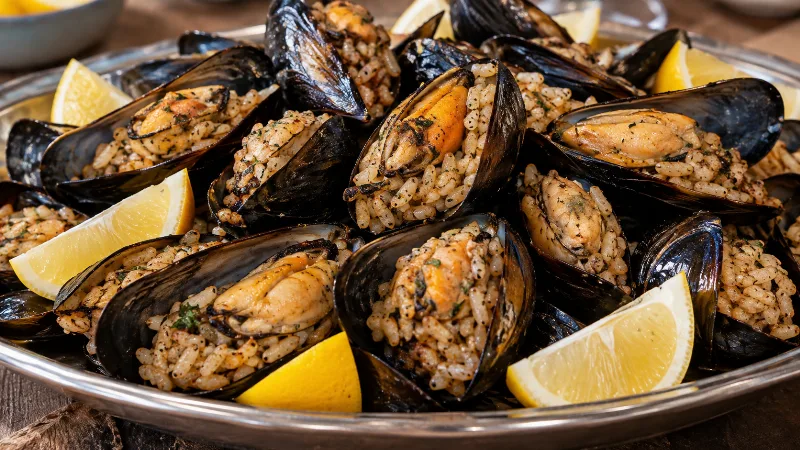
Midye Dolma
Midye dolma are mussels filled with a spiced rice mixture of pine nuts, currants and herbs, sold from trays on street corners and prepared at home along Türkiye's Aegean and Marmara coasts.
Explore →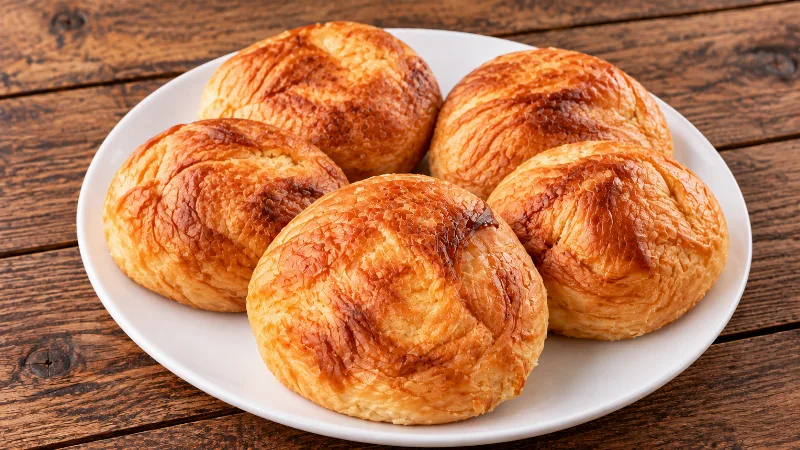
Boyoz
A flaky baked pastry closely associated with İzmir and commonly eaten as part of breakfast.
Explore →Related content
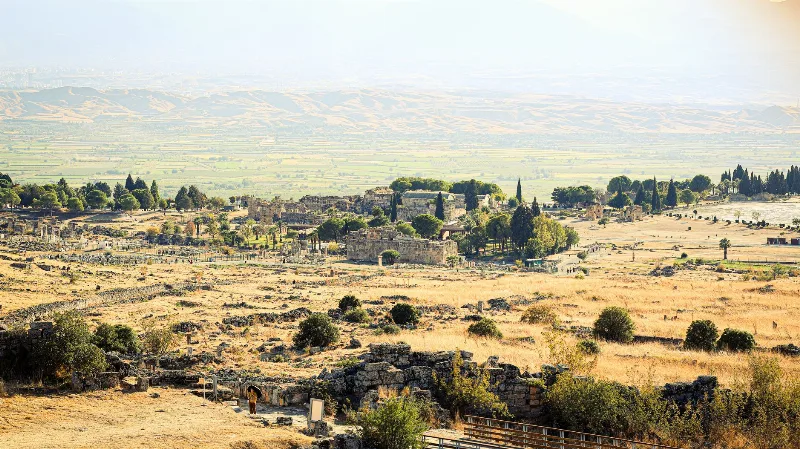
Denizli
Denizli is the inland capital of Denizli Province in Türkiye's Aegean region, known internationally for the Pamukkale travertine terraces and ancient Hierapolis, and at home as a major textile city with its own long-crowing rooster breed.
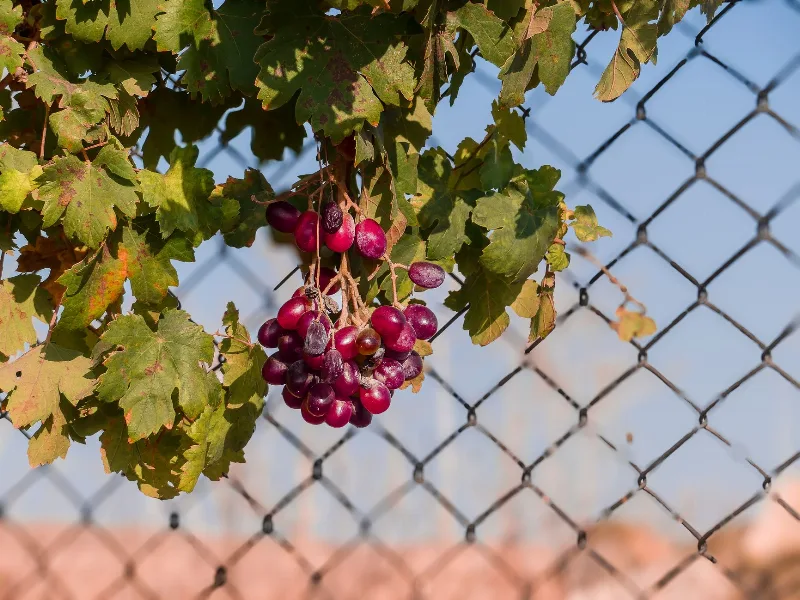
Çal Grapes
Çal grapes come from an elevated plateau in Denizli Province, where stony soils, wide day–night temperature swings and a long vineyard tradition shape both table fruit and wine grapes.
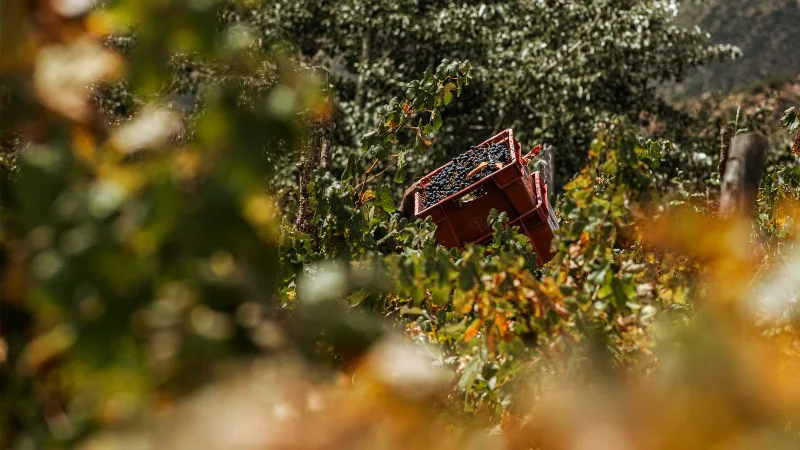
Grape Harvest in Çal, Denizli
Each year the vineyards around Çal in Denizli province ripen and are picked, usually between late August and October, with September as the busiest month. The harvest is tied to the local Çalkarası grape and to the district's long-standing wine-making tradition.
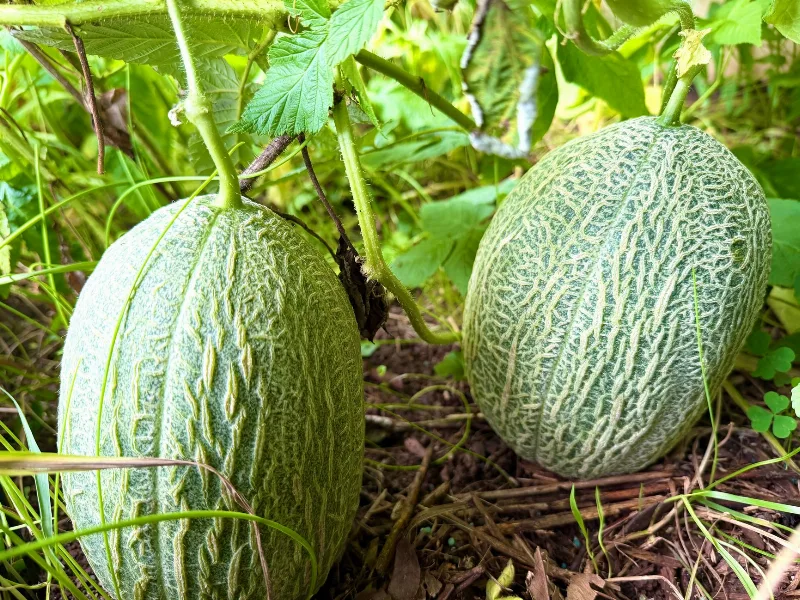
Kırkağaç Melons
Kırkağaç melons are a distinctive melon variety grown around the town of Kırkağaç in Manisa province, western Türkiye, where hot dry summers and fertile valley soils produce large, aromatic fruit that keeps well into winter.
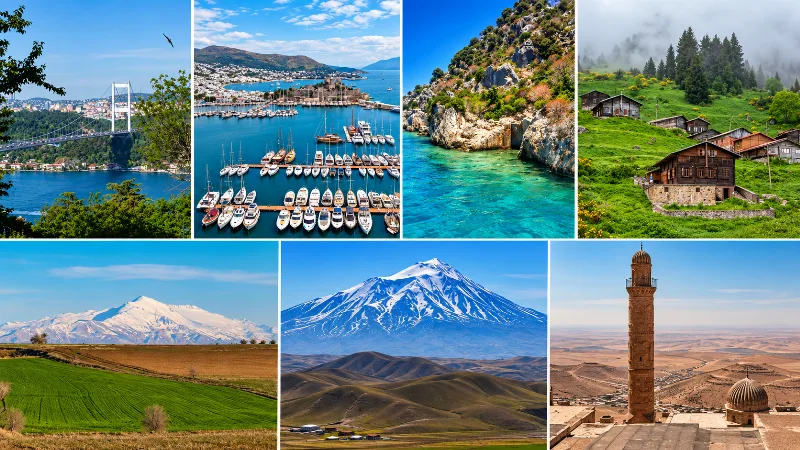
The Seven Geographical Regions of Turkey
An introduction to Turkey’s seven geographical regions and the landscapes, climates and cultural characteristics that distinguish them.
Spil Mountain National Park Endemic Plants in Manisa
Spil Mountain rises sharply behind Manisa, and its national park safeguards a remarkably varied flora, including plants found nowhere else on earth.