
Lake Eber
Lake Eber is a shallow freshwater lake in Afyonkarahisar province, western Turkey, known for its extensive reed beds and as a habitat for numerous bird species.
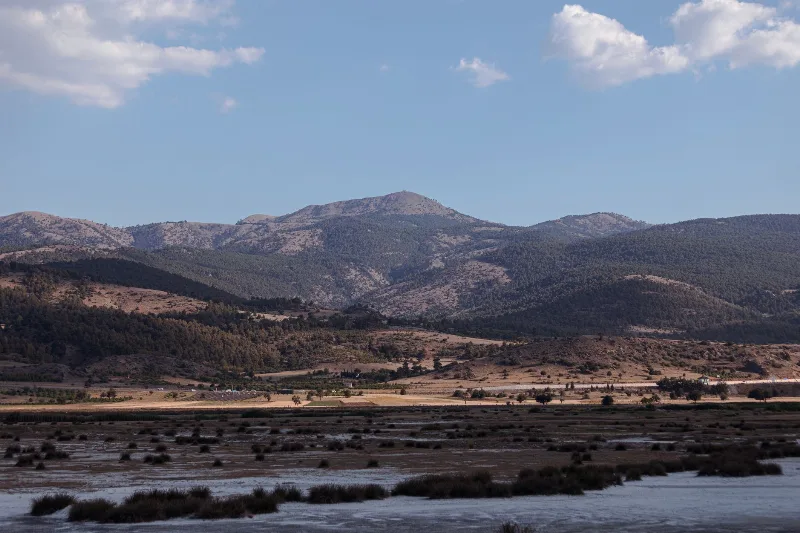
Lake Eber is a shallow freshwater lake located in the Afyonkarahisar province of western Turkey, within the inner Aegean region. It lies in a broad, flat basin surrounded by agricultural land and is characterized by extensive reed beds that fringe much of its shoreline. The lake is an important wetland for local wildlife, particularly bird species, and forms a distinctive natural landscape in an otherwise predominantly agricultural area.
Geographical Setting and Location
Lake Eber is situated in the Eber plain, near the town of Bolvadin in Afyonkarahisar province. The lake is part of the Akarçay river basin, a closed basin with no outlet to the sea. The surrounding terrain is generally flat, with fields of wheat, sugar beet, and other crops extending to the lake's edge. To the south and east, low hills and distant mountain ranges, including the Sultan Mountains, frame the horizon. The lake lies at an elevation of approximately 970 meters, though the exact figure varies with water levels. The climate is continental, with hot, dry summers and cold, snowy winters, which strongly influences the lake's seasonal cycles.
A Shallow Freshwater Lake
Lake Eber is a shallow lake, with depths that typically do not exceed a few meters. Its water is fresh, and the lake is fed by precipitation, surface runoff, and groundwater, with no significant surface outlet. This closed-basin hydrology makes the lake highly sensitive to changes in rainfall and water extraction. The lake's bottom is muddy and covered with organic matter, and the water is often turbid. Extensive reed beds, primarily common reed (Phragmites australis), grow along the shores and in shallow areas, creating a dense vegetation belt that is a defining feature of the lake. These reeds provide habitat and nesting sites for many bird species and help filter the water.
Reed Beds and Birdlife
The reed beds of Lake Eber are among the most extensive in the region and are the primary reason for the lake's ecological importance. The lake is recognized as an important area for waterbirds, serving as a stopover for migratory species and a breeding site for several resident birds. During migration, the lake hosts a variety of ducks, geese, waders, and herons that feed and rest in the shallow waters and reed beds. In winter, the lake attracts waterfowl escaping colder northern regions. The surrounding fields and meadows also provide foraging grounds for birds such as storks and raptors. Although the lake is not a major tourist destination, it is a valuable site for birdwatchers who visit to observe these species in a quiet, rural setting.
Seasonal Changes and Water Levels
The lake's appearance changes dramatically with the seasons. In spring, snowmelt and rainfall raise water levels, and the reed beds turn green, providing cover for nesting birds. By summer, water levels drop significantly due to evaporation and irrigation withdrawals, exposing mudflats and creating shallow pools. The reeds dry out, and the lake can shrink to a fraction of its winter size. Autumn brings the return of migratory birds, and water levels may rise slightly with autumn rains. Winter is the wettest season, when the lake expands and attracts large numbers of waterfowl. However, the lake is also vulnerable to drought and over-extraction of water for agriculture, and its area has fluctuated widely in recent decades.
Landscape and Surroundings
The landscape around Lake Eber is predominantly flat and agricultural, with a patchwork of fields, pastures, and small villages. The lake itself is a mosaic of open water, reed beds, and marshy areas. The reeds form a tall, dense wall along much of the shoreline, making it difficult to see the water from the road in some places. The surrounding countryside is dotted with poplar trees and irrigation channels. The distant Sultan Mountains and other low hills provide a scenic backdrop, especially in the clear light of morning and evening. The area is largely devoid of tourist infrastructure, and the few roads that approach the lake are used mainly by local farmers. This gives the lake a quiet, unspoiled atmosphere that is typical of Turkey's interior wetlands.
Practical Considerations for Visitors
Visitors to Lake Eber should be aware that the lake is not a developed tourist site. There are no marked trails, visitor centers, or facilities directly at the lake. Access is generally via unpaved or minor roads from nearby towns such as Bolvadin and Çay. The best way to experience the lake is to drive or walk along the perimeter roads and stop at accessible points to observe birds. The lake is shallow and bordered by dense reeds, so access to open water is limited, and swimming is not recommended. The area is best visited in spring and autumn for birdwatching, but summer can be very hot and dry, and winter can be cold and snowy. Visitors should bring binoculars, drinking water, and sun protection, and should respect the private agricultural land that surrounds much of the lake.
Conservation and Environmental Challenges
Lake Eber is recognized for its ecological value, particularly for its bird populations, and is subject to conservation measures aimed at protecting its wetland habitat. However, the lake faces significant environmental pressures. The diversion of water for irrigation, pollution from agricultural runoff, and prolonged droughts have all contributed to fluctuations in water levels and degradation of the reed beds. Climate change is expected to exacerbate these issues. Local conservation groups and government agencies monitor the lake's condition and work to balance water use with ecological needs, but the lake's future depends on sustainable water management in the Akarçay basin.
Nearby Natural Areas
Lake Eber is part of a network of wetlands and natural areas in the region. To the east, Lake Akşehir is another shallow lake with similar birdlife and reed beds. The Sultan Mountains to the south offer a contrasting mountain landscape with forests and high meadows. The Akarçay river, which feeds the lake, flows through the region and supports riparian habitats. These areas together form a diverse natural environment that is important for wildlife and offers opportunities for nature observation away from the crowds.
Beaches & bays
See the coast →
Related content
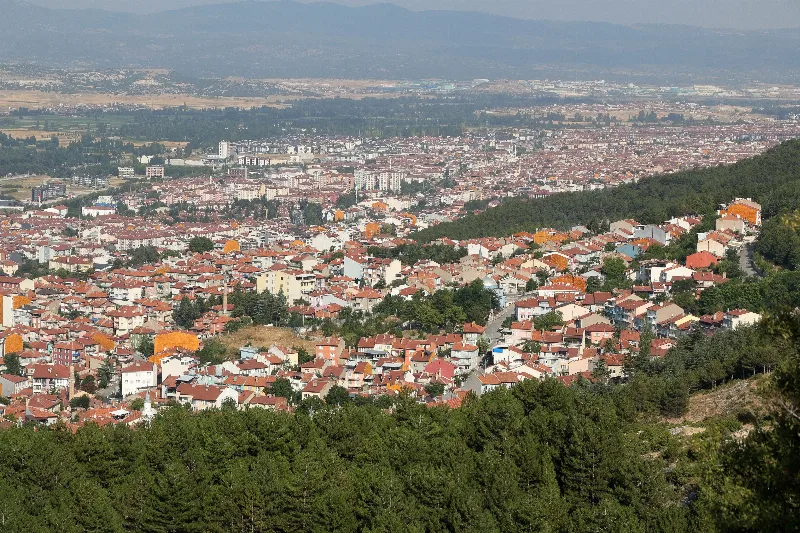
Afyonkarahisar
Explore Afyonkarahisar, western Central Anatolia: history, standout sights, landscapes, local food and practical travel advice for an unforgettable journey in Türkiye.
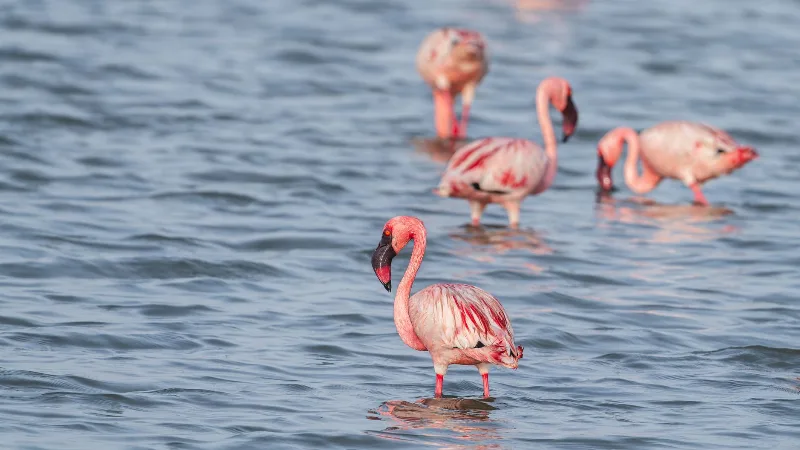
Bird Migration at Lake Eber, Afyonkarahisar
Lake Eber in Afyonkarahisar becomes a feeding and resting ground for migrating waterbirds during the spring and autumn passages, when pelicans, flamingos and large numbers of waterfowl pause on its shallow, reed-fringed water.
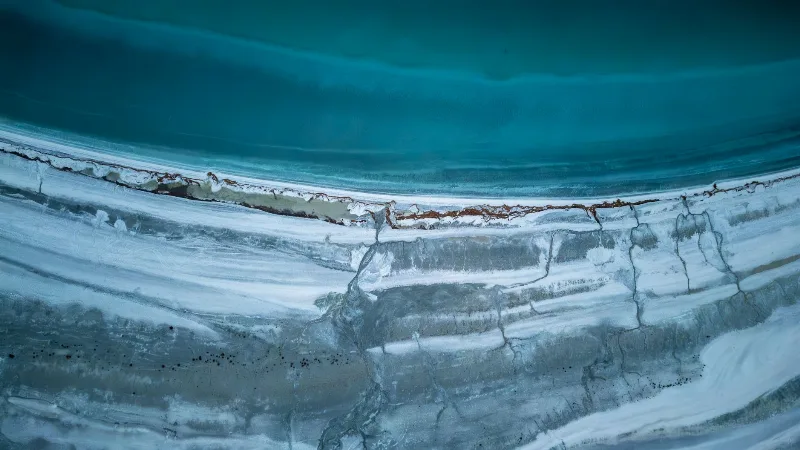
Lake Acıgöl
Lake Acıgöl is a closed-basin saline lake in southwestern Turkey, notable for its sodium sulfate deposits and status as a Ramsar wetland. The article covers its geography, seasonal changes, wildlife, and practical visiting information.
Afyonkarahisar Marble Quarries and Stonework Tradition
Afyonkarahisar's marble quarries have shaped the province's buildings, crafts and working life for centuries. The region's pale stone travels from hillside pits to workshops where carvers keep a long stoneworking tradition alive.
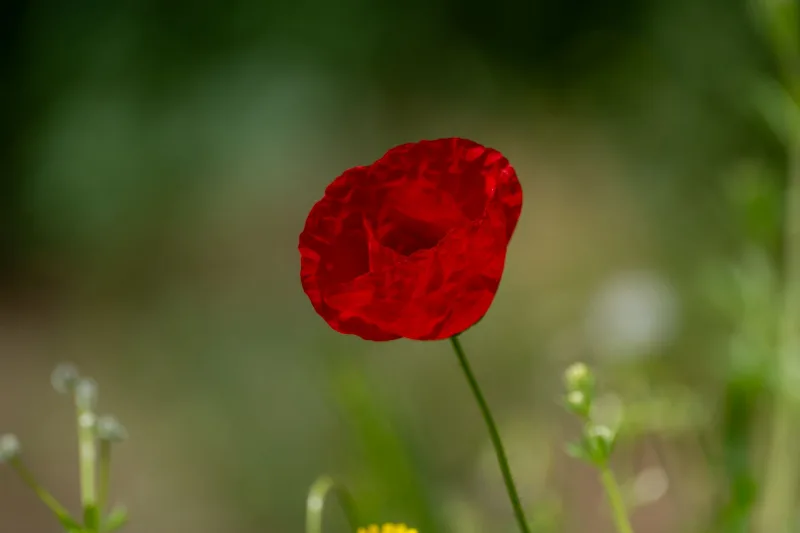
Poppy Bloom in Afyonkarahisar
Each late spring, the licensed poppy fields around Afyonkarahisar flower, turning parts of the plateau red, pink, and purple for a short window in May and June. The bloom marks one stage in a tightly controlled pharmaceutical crop cycle that shapes the province's farming landscape.
Burdur
Burdur is a provincial capital in southwestern Türkiye, set in the inland Lakes District beside a large saline lake and known for the Roman ruins of Sagalassos and one of Anatolia's oldest Neolithic settlements.