Muş Tulip Fields and the Highland Plains of Eastern Anatolia
A native species of Eastern Anatolia, the Muş tulip brings vivid colour to the highland plains each spring. Learn how this wild flower shapes the landscape and local identity.
The Muş tulip is a native flower of Eastern Anatolia, celebrated for the vivid red blooms that appear across the highland plains around Muş each spring. Unlike the cultivated tulips of formal gardens, this wild species grows freely in meadows and steppes, creating natural carpets of colour that have become a distinctive feature of the region.
A Wild Tulip of the Eastern Anatolian Highlands
Muş province lies in the eastern part of Anatolia, a region defined by wide plains enclosed by mountain ranges. The highland plains around Muş sit at considerable altitude, where winters are cold and snow can linger into early spring. These conditions suit the Muş tulip, a bulbous plant adapted to the continental climate. It emerges after the thaw, usually flowering in April and May, when the plains briefly turn green before the drier summer months.
The plant is a true native of the region, not an introduced garden variety. Its flowers are typically deep red, forming a cup shape on slender stems. They grow in loose groups rather than uniform beds, so the fields take on a natural, uneven pattern of colour. This wild habit is part of what makes the Muş tulip fields so appealing: they are a product of the local ecosystem rather than deliberate planting.
Spring Colour Across the Muş Plains
When the Muş tulip comes into bloom, the highland plains are transformed. Patches of red appear among the pale green grass, often with snow-capped mountains in the background. The effect is especially striking in the early morning or late afternoon, when the low sun brings out the colour of the petals. Local people and visitors travel to the plains to see the display, which is short-lived and dependent on the weather of each year.
The tulips do not grow in every field. They favour particular meadows and steppe areas where the soil and grazing patterns allow them to persist. This patchy distribution means that discovering a dense flowering area can feel like a reward for exploring the countryside. The blooms are best appreciated from a distance or from paths, as the plants are fragile and the bulbs take years to mature.
The Muş Tulip in Local Culture and Ecology
The tulip has become an emblem of Muş, representing the arrival of spring and the natural wealth of the province. It appears in local imagery and is celebrated in cultural events that highlight the region’s flora. For residents, the flowering season is a familiar marker of the year, a brief period when the usually austere plains become unexpectedly colourful.
Ecologically, the Muş tulip is part of the steppe and meadow habitats that support a range of insects and small animals. Early-flowering plants provide nectar at a time when few other flowers are available, helping pollinators as they emerge from winter. The presence of healthy tulip populations can indicate that the surrounding grassland has not been heavily disturbed. Conservation awareness around the species has grown, with efforts to balance traditional land use and the protection of wild plant communities.
Landscape and Surroundings of the Muş Highlands
The highland plains of Muş are framed by mountains that remain snow-covered well into spring. The landscape is broad and open, with a sense of scale that makes the tulip fields appear small yet vivid. Agriculture is important in the region, and the plains are used for crops and grazing, but the wild tulips persist in areas that are less intensively farmed. Villages are scattered across the plain, and traditional rural life continues alongside the seasonal flower display.
Visitors interested in the Muş tulip should plan around the spring flowering period and be prepared for changeable weather. The plains are accessible from the city of Muş, and local roads lead through the countryside where the tulips grow. Beyond the flowers, the area offers a quiet landscape of open skies, distant peaks and a slow rural pace. The experience is not about grand monuments but about observing a natural cycle that repeats each year, linking the region’s identity to a small, resilient flower.
Related content

The Spring Wildflowers of the Aegean Coast
Each spring, the Aegean coast of Türkiye turns green and then colourful, as anemones, poppies, orchids and wild tulips follow the warming weather from the shoreline up into the mountains.
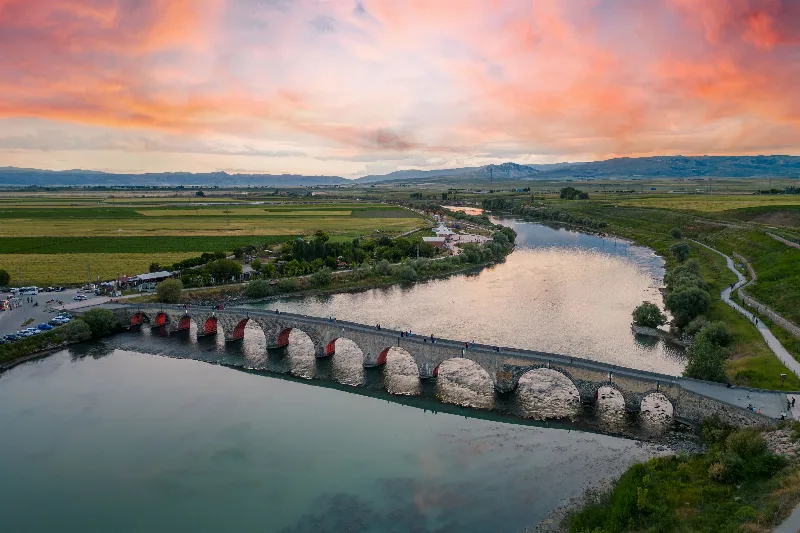
Muş
Muş is an eastern Anatolian provincial capital set beside a broad plain and surrounded by high mountains. Its landscape is known for cold winters, agricultural fields and seasonal wildflowers. The city is comparatively small, and much of the province's character is found in the relationship between its central plain, older district settlements and highland terrain.
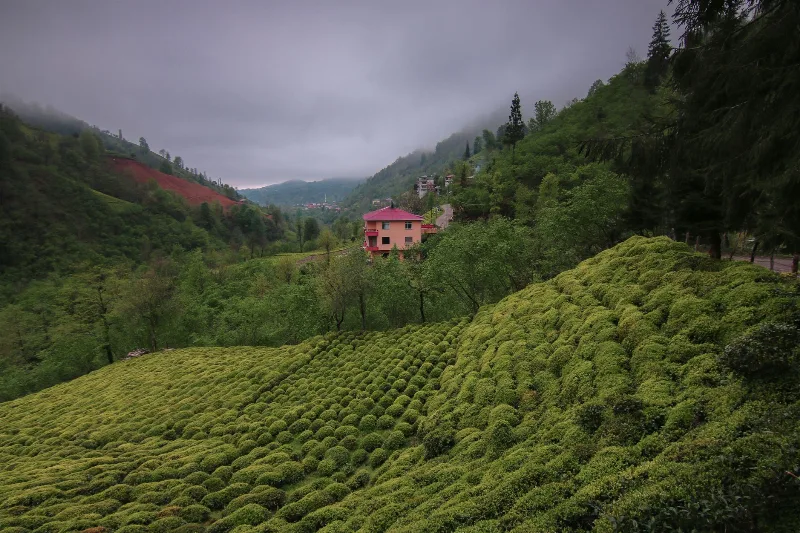
Rize and the Tea Plantations
Rize, on Türkiye's eastern Black Sea coast, is a green province of terraced tea gardens, misty hills and mountain valleys shaped by rain and local tradition.
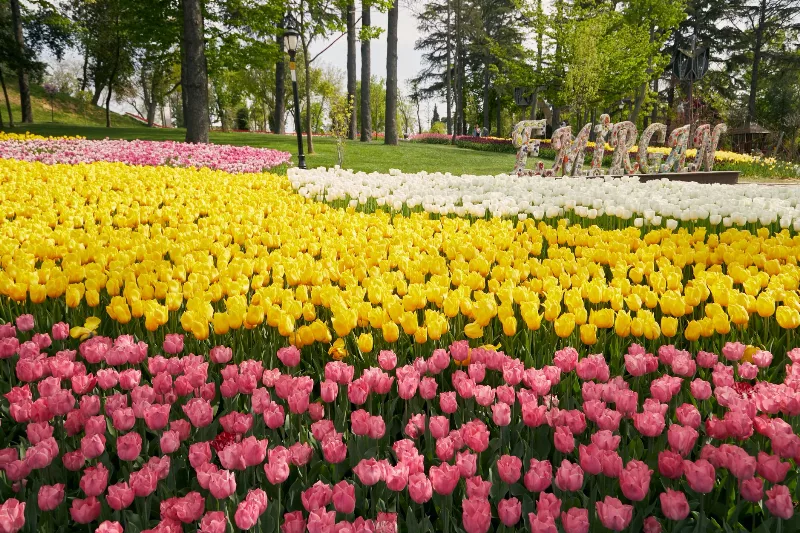
Tulip Bloom in Emirgan Park, Istanbul
Each spring, millions of tulips are planted across the terraced hillsides of Emirgan Park on the Bosphorus, turning Istanbul's largest public garden into a concentrated display of colour that usually peaks between late March and mid-April.
Spil Mountain National Park Endemic Plants in Manisa
Spil Mountain rises sharply behind Manisa, and its national park safeguards a remarkably varied flora, including plants found nowhere else on earth.
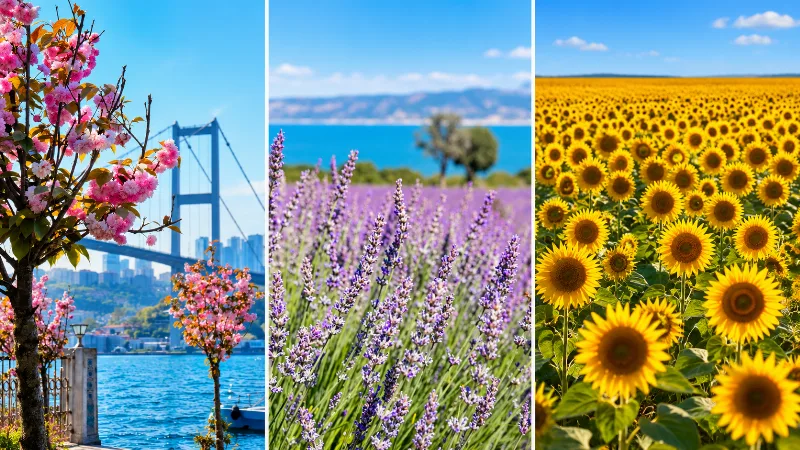
Spring in Turkey
From flowering valleys and green highlands to mild coastal towns, spring changes the landscape across different regions of Turkey.
Seasonal Experiences
Harvests, festivals, natural seasons and local events throughout the year.
Villages
Small settlements, traditional architecture and rural landscapes across Türkiye.