Muş
Muş is an eastern Anatolian provincial capital set beside a broad plain and surrounded by high mountains. Its landscape is known for cold winters, agricultural fields and seasonal wildflowers. The city is comparatively small, and much of the province's character is found in the relationship between its central plain, older district settlements and highland terrain.
Muş is an eastern Anatolian provincial capital set beside a broad plain and surrounded by high mountains. Its landscape is known for cold winters, agricultural fields and seasonal wildflowers. The city is comparatively small, and much of the province's character is found in the relationship between its central plain, older district settlements and highland terrain.
Geography and Landscape
The Muş Plain is one of the region's defining landforms, with expanses of cultivated land enclosed by mountain ranges. Rivers and seasonal streams cross the lower terrain. Meadows and pastures support livestock in the surrounding districts, while high elevations remain cold far into spring. The contrast between the broad valley floor and steep mountain horizons is evident from many approaches to the city.
Its open plain is an important part of the province's identity, even where major visitor landmarks are relatively few. Agricultural and highland landscapes help explain how communities have adapted to the seasonal conditions of eastern Anatolia.
History and Heritage
Muş and its districts developed within the changing political and cultural history of eastern Anatolia. The town of Malazgirt is associated with the 1071 Battle of Manzikert, a major event in medieval Anatolian history. Surviving bridges, religious buildings and older settlement patterns also reflect the region's varied past. Local historical heritage is scattered rather than concentrated in one large museum district.
For a fuller understanding of Muş, it helps to separate the provincial capital from the wider administrative area. The main urban centre contains everyday commercial and civic life, while individual districts preserve their own landmarks, settlement patterns and rural traditions. The location of a site within the province matters: a landscape, archaeological monument or coastal settlement may require travel well beyond the capital. Reading a provincial map alongside local district names makes the variety of the area clearer.
Places to Visit
Malazgirt provides a historically significant excursion from the provincial capital. Murat Bridge near Muş is another notable landmark associated with routes across the river landscape. The plain itself is known for seasonal tulip blooms in some areas, while surrounding villages and mountains present an agricultural and pastoral setting. Distances between the capital and historical districts should be planned separately.
Local Culture and Cuisine
Farming and animal husbandry influence everyday life in Muş Province. Local kitchens make use of grains, dairy products and meat dishes adapted to the eastern Anatolian climate. Seasonal work in the fields and high pastures remains an important part of rural culture. The region's social traditions reflect multiple communities and the long history of movement across the Anatolian highlands.
Climate and Seasons
Winters are typically long and cold, with snow and frost common across much of the province. Summers can be warm on the plain, though mountain areas remain cooler. Spring is notable for emerging vegetation and seasonal flowers, with timing strongly dependent on weather. Autumn can bring a quick transition from harvest conditions to colder temperatures, especially on exposed highland roads.
Getting There and Around
Muş is connected by road and rail to other eastern Anatolian centres and has an airport serving the province, subject to current operations. Buses and roads provide links to Malazgirt and other districts, where major sites lie outside the main city. Travellers exploring the plain and mountainous countryside should account for road distances and winter weather, rather than treating all provincial attractions as walkable from the capital.
Discover Food in Türkiye
All food →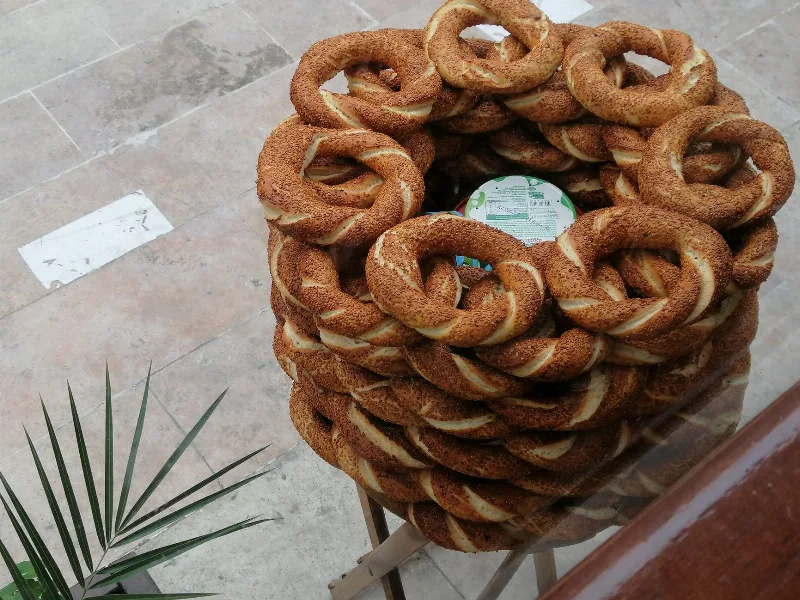
Simit
Simit is a ring-shaped Turkish bread covered in sesame seeds, strongly associated with Istanbul and sold as everyday street food. It is eaten fresh, most often with tea, and has a crisp crust around a chewy crumb.
Explore →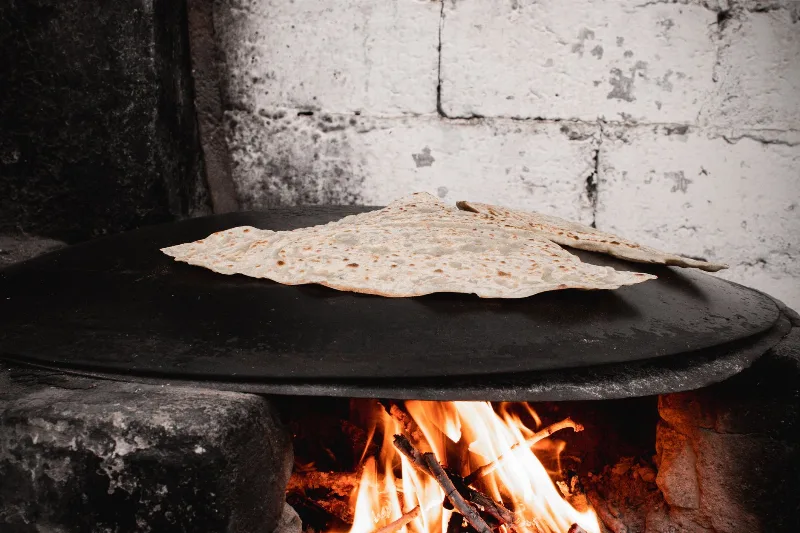
Bazlama
Bazlama is a soft, thick Turkish flatbread made from a leavened dough and cooked on a hot griddle. It is a staple of village baking across Anatolia, eaten warm with butter or used to wrap other foods.
Explore →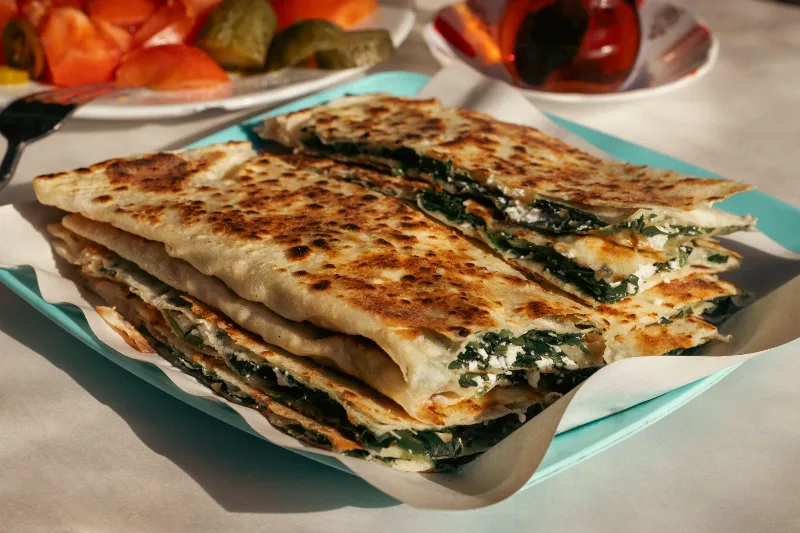
Gözleme
Gözleme is a thin, hand-rolled Anatolian flatbread folded around savory fillings such as cheese, spinach, or minced meat and cooked on a sac griddle. The article covers its regional variations, cooking method, texture, and traditional serving style.
Explore →Related content
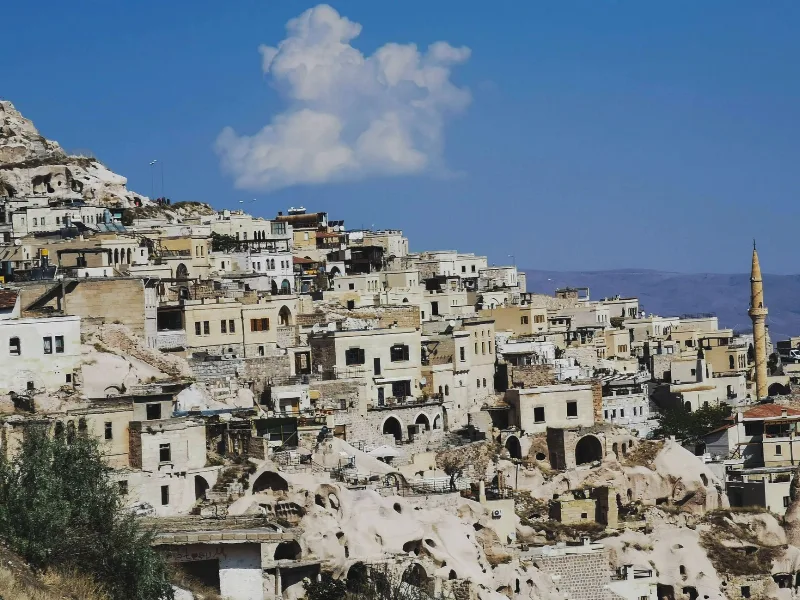
Mustafapaşa
Mustafapaşa is a historic village in the Cappadocia region of Nevşehir, close to Ürgüp, known for its surviving Greek mansions, stone streets and rock-cut churches.
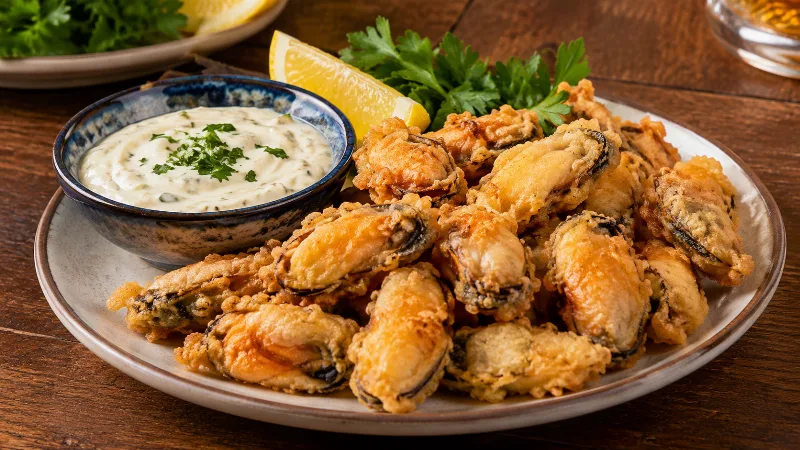
Midye Tava
Midye tava is a Turkish street food of battered, deep-fried mussels on skewers, eaten hot with tarator sauce and lemon. It is closely tied to Istanbul and the mussel-rich Marmara and Aegean coasts.
Mustafapaşa Village Greek Architecture in Nevşehir
Mustafapaşa, once known as Sinasos, is a Cappadocian village near Ürgüp where carved stone mansions and old Greek churches record a layered and unusually cosmopolitan past.

Midye Dolma
Midye dolma are mussels filled with a spiced rice mixture of pine nuts, currants and herbs, sold from trays on street corners and prepared at home along Türkiye's Aegean and Marmara coasts.
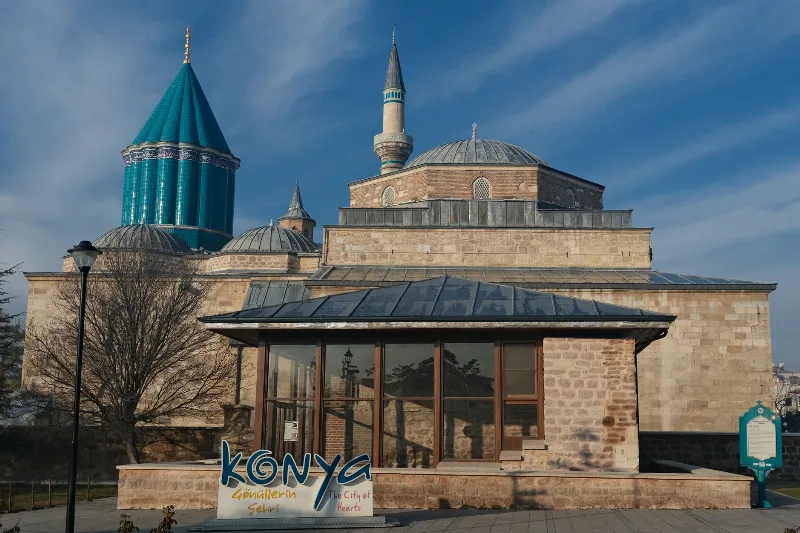
Whirling Dervishes Tradition
The Whirling Dervishes tradition of Türkiye blends music, movement and contemplation. Discover the Mevlevi heritage, the Sema ceremony's symbolism and the places where it endures.
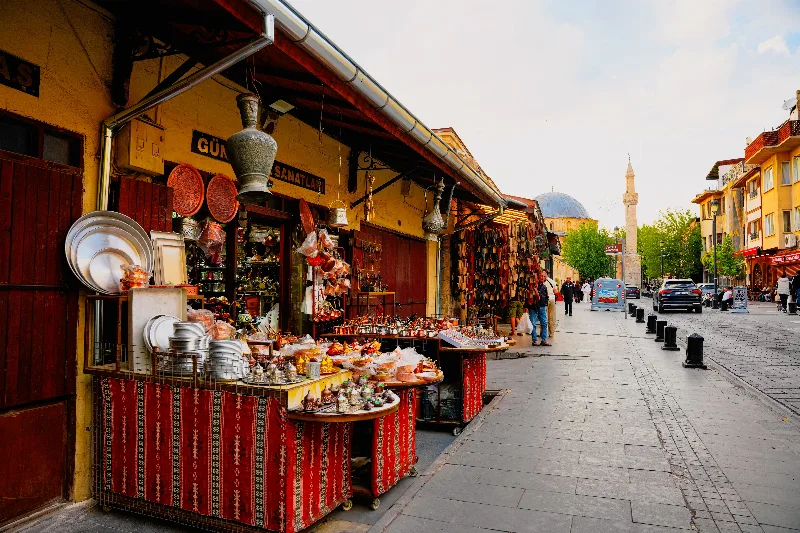
1-Day Gaziantep Route
A compact one-day route through central Gaziantep, moving from the Zeugma Mosaic Museum to the castle hill, the historic hans and bazaars, and a baklava finish in the old centre.