Maşukiye: Waterfalls and Village Breakfast in Kocaeli
Maşukiye, a green town in the Kartepe district of Kocaeli, is known for its woodland waterfalls and long, generous village breakfasts. Its streams, orchards and mountain scenery make it a restful stop between Lake Sapanca and the Samanlı Mountains.
Maşukiye is a small town in the Kartepe district of Kocaeli province, set on the northern slopes of the Samanlı Mountains near the eastern shore of Lake Sapanca. It is known across Türkiye for two uncomplicated pleasures: wooded waterfalls fed by mountain streams, and the traditional village breakfast served at long tables in gardens and shaded courtyards. The town remains modest in size, and much of its appeal lies in the ordinary rhythm of orchards, hedgerows and forest paths rather than in formal attractions.
A Town Between Mountain and Lake
Maşukiye sits in a valley where cool water descends from the Samanlı range towards the lake plain. The surrounding land is green throughout much of the year, with beech, oak and hornbeam on the higher slopes and hazelnut groves, fruit trees and vegetable plots closer to the houses. The climate is mild and humid, which supports dense vegetation and gives the area its characteristic soft, misty mornings. Roads through the town connect the lakeside settlements of Kırkpınar and Eşme with the higher ground towards Kartepe, and the landscape changes quickly over a short distance.
The Waterfalls and Wooded Streams
The waterfalls are the reason many visitors first come to Maşukiye. Small rivers and springs gather above the town and drop over rocky ledges in a series of short cascades, forming pools of clear, cold water. Paths lead through the trees alongside the streams, and the sound of running water is rarely far away. The falls are not dramatic in scale; their appeal comes from the setting, with mossy stones, overhanging branches and dappled light. Spring, when snowmelt and rainfall swell the streams, is generally the most vigorous period, while late summer brings lower, gentler flows.
What Makes a Maşukiye Village Breakfast
The village breakfast is a slow, shared meal rather than a quick stop. Tables are laid outdoors whenever the weather allows, often on raised wooden platforms or under vines, and dishes arrive in small bowls that are refilled as they empty. Tea is served continuously, and the meal can easily stretch across a morning.
On the Table
- Warm bread baked locally, along with flatbreads and thin stuffed pastries cooked on a griddle
- Village cheeses, black olives and cured or salted meat
- Honey, fruit jams and preserves made from the surrounding orchards
- Fresh cream and butter, often served with honey
- Eggs cooked in a copper or steel pan with butter or tomato
- Tomatoes, cucumbers, peppers and herbs from nearby gardens
- Pancakes or fried dough served with cheese or jam
The ingredients are deliberately simple, and the emphasis falls on freshness and provenance. Many of the items come from the same households that serve them, and the composition of the table shifts with the season, so a spring breakfast looks noticeably different from one in autumn.
Local Produce and Village Life
Hazelnuts are a staple of the regional economy, and the orchards around Maşukiye also yield apples, pears, plums and cherries. Beekeeping is common on the wooded slopes, and roadside stalls sell honey, walnuts, dried herbs and preserves. The tradition of hospitality is closely tied to this agricultural life: food is offered as something produced rather than purchased, and guests are treated as an extension of the household.
Exploring the Surrounding Area
Maşukiye works well as a base for gentle excursions. The shore of Lake Sapanca lies a short distance to the south, with quiet lanes and picnic spots among the trees. Uphill, the forest roads towards Kartepe climb through beech stands and open onto wider views of the lake and the plain. Nearby villages such as Kırkpınar and Eşme share the same combination of water, woodland and orchard, and the network of country roads makes them easy to reach on foot or by bicycle. The region is at its most pleasant in spring and early autumn, when walking is comfortable and the landscape is at its greenest.
Related content
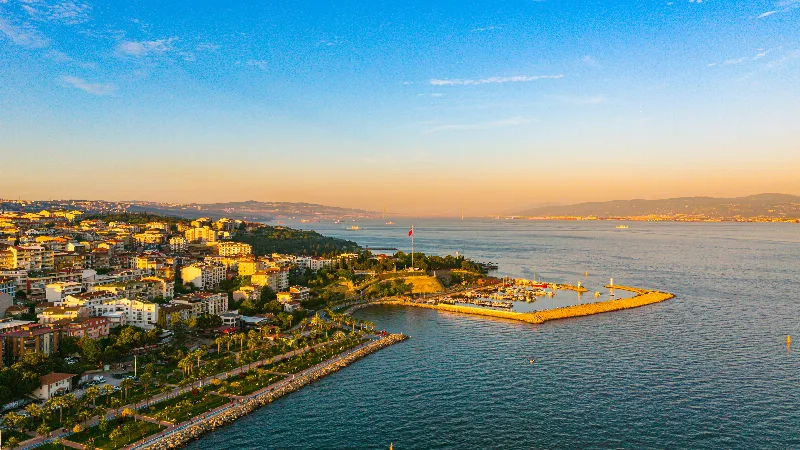
Kocaeli
Kocaeli is a heavily urbanised province in northwestern Türkiye, situated east of Istanbul between the Sea of Marmara and the Black Sea. Its administrative centre is İzmit, an industrial and transport hub on the Gulf of İzmit. Beyond the urban corridor, the province includes forested hills, coastal settlements and areas used for outdoor recreation.
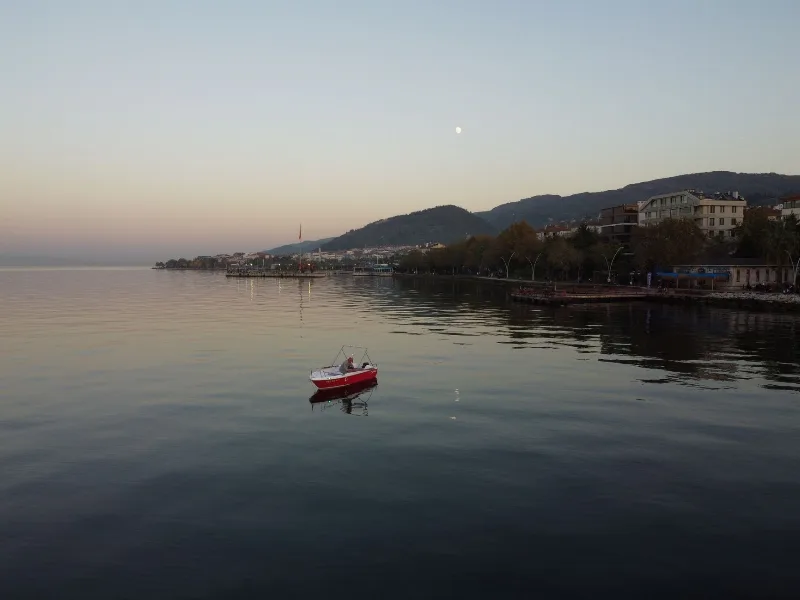
Lake Sapanca
Lake Sapanca is a long, narrow freshwater lake in the Sakarya–Kocaeli border zone of north-western Türkiye, formed in a tectonic basin close to the North Anatolian Fault and bordered by forested hills, orchards and reed-lined stream mouths.
Sapanca Lake Promenade and Village Life in Sakarya
Lake Sapanca lies in a tectonic basin between Sakarya and Kocaeli, ringed by a shoreline promenade and villages whose orchards, springs and wooden houses shape everyday life around the water.
Ballıkayalar Canyon Rock Formations in Kocaeli
Tucked into the hills above Gebze, Ballıkayalar Canyon is a short, dramatic limestone gorge where shaded footpaths, sheer rock walls and quiet woodland meet. It is one of Kocaeli's most rewarding small-scale natural escapes.
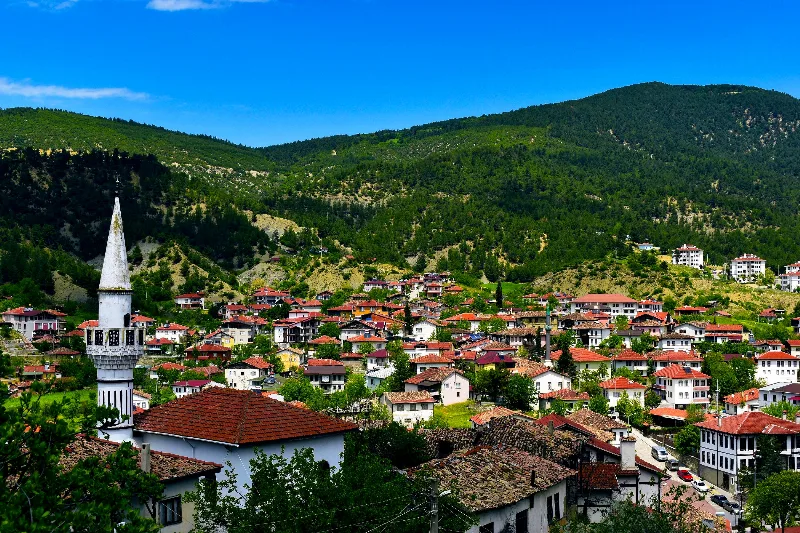
Sakarya
Sakarya is a province in northwestern Türkiye with its metropolitan centre at Adapazarı. Known for fertile plains, lakes and routes connecting Istanbul with inner Anatolia, it stretches from the Marmara hinterland to the Black Sea shore. Forests, streams and coastal towns provide a natural contrast to the built-up centre and agricultural lowlands.

Turkish Delight and Sweets
Turkish delight sits at the heart of a layered confectionery culture that runs from Ottoman court kitchens to family tables across Türkiye. The sweets range from chewy lokum and syrup-soaked pastries to milk puddings and sesame helva.
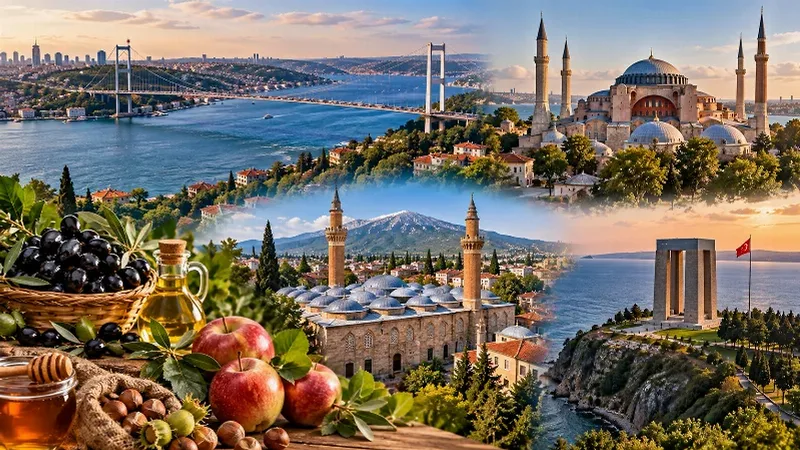
Marmara Region
The Marmara Region connects Europe and Asia, bringing together historic cities, beautiful coastlines, green landscapes and a rich cultural heritage. From Istanbul's iconic skyline to the peaceful shores of the Marmara Sea, the region offers a remarkable variety of places to discover.
Van
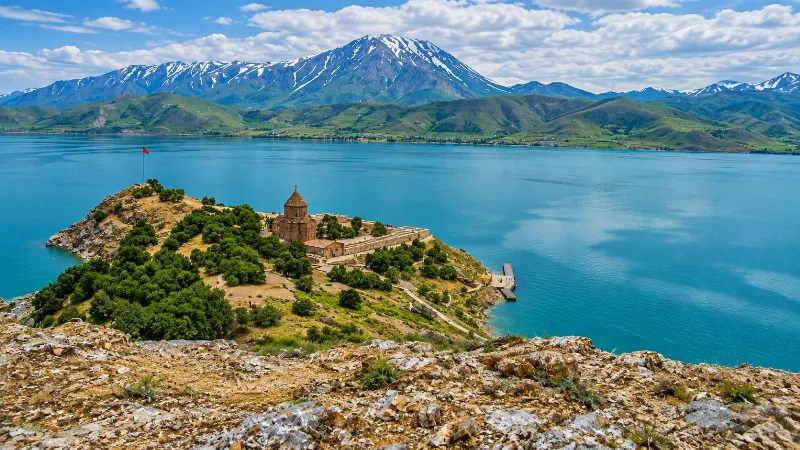
Van is a provincial capital in eastern Türkiye, standing on the eastern shore of Lake Van in the Eastern Anatolia region. Its Urartian rock fortress, the island church of Akdamar and the white Van cat give the city a character distinct from the rest of the region around it.