
Malatya Apricot Orchards and Dried Fruit Tradition
The apricot orchards around Malatya in eastern Türkiye sustain a long rural tradition of sun-dried fruit, shaped by a continental climate, family smallholdings and careful summer harvesting.
Malatya apricot orchards spread across the broad plain and lower hillsides of eastern Türkiye, forming one of the country's most recognisable agricultural landscapes. The city of Malatya sits on a high plateau ringed by mountains, and for generations the households of the surrounding countryside have built their livelihoods around a single fruit. In spring the orchards turn white with blossom; by midsummer the same trees carry the crop that will be eaten fresh, cooked in local kitchens or laid out to dry in the open air. The tradition of dried fruit here is not a modern export story but an old rural rhythm, passed down through families and smallholdings.
A Plain Well Suited to Stone Fruit
The growing area extends around the city and its districts, including Battalgazi, Yazıhan, Akçadağ, Darende and Arapgir. Fertile soils and irrigation water drawn from the Tohma and Sultansuyu rivers, both tributaries of the Euphrates, allow dense planting across the plain. The climate is continental, with cold winters, long hot summers and a marked difference between daytime and night-time temperatures. This combination slows ripening and helps the fruit develop its aroma and sweetness. Most orchards are modest in size, worked by families who know each tree individually, and many plots have been handed down over several generations.
Blossom in Spring, Harvest in July
Flowering usually begins in April, when the plain briefly becomes a white and pale pink landscape and beekeepers move hives into the orchards to support pollination. Growers watch the spring weather closely, since late frosts can affect the crop. Harvest starts in early summer and continues through July, when the fruit is picked by hand, often with long poles and shallow baskets so that it is not bruised. Families work together during this period, sorting the crop into fruit for the fresh market and fruit intended for drying.
The Open-Air Drying Tradition
Drying is the heart of the regional method. Apricots are halved and stoned, then laid out on wooden frames, cloths or clean sheets to dry in the sun for several days, turned regularly so that the fruit dries evenly. Some batches are treated with sulphur before drying, which gives the pale golden colour familiar in shops; others are left untreated and darken naturally into the chewy, amber-brown style known locally as gün kurusu, or sun-dried apricot. The stones are not wasted: they are cracked open and the small, almond-like kernels are kept for snacking, baking and flavouring.
Local Varieties and Orchard Knowledge
Several cultivars are grown, each with its own purpose. The Hacıhaliloğlu variety is the most widely planted for drying because of its high sugar content and firm flesh, while Kabaaşı and Hasanbey are valued as table fruit and for juice. Pruning, grafting and the timing of irrigation are learned largely within families, and the knowledge of which plot suits which variety is part of the region's agricultural identity. Orchards are often intercropped with vegetables or wheat while the trees are young.
Apricots in the Kitchen and the Bazaar
Fresh apricots appear in local markets for only a few weeks, so preserving them has always mattered. Dried fruit is stewed as a simple dessert, stuffed with rice and minced meat as kayısı dolması, and used in jams, compotes and stuffings. Fruit leather is made from pureed apricots spread thin and dried in the sun, and the kernels are used in sweets and breads. In the bazaars of Malatya, sacks of dried apricots are sold alongside kernels, fruit leather and other preserved produce, forming a seasonal trade that connects village growers with town shops.
A Living Agricultural Heritage
Malatya's apricot cultivation is recognised as a geographical indication within Türkiye, and the fruit shapes the region's calendar, its rural economy and its summer festivities. Cooperatives and family businesses handle sorting, packing and storage, while the drying season brings temporary work to many villages. The orchard landscape remains a working one, renewed each year by pruning, irrigation and the slow cycle of blossom, harvest and drying, and it continues to define how the plain around Malatya is seen by those who live there and by visitors passing through in high summer.
Related content
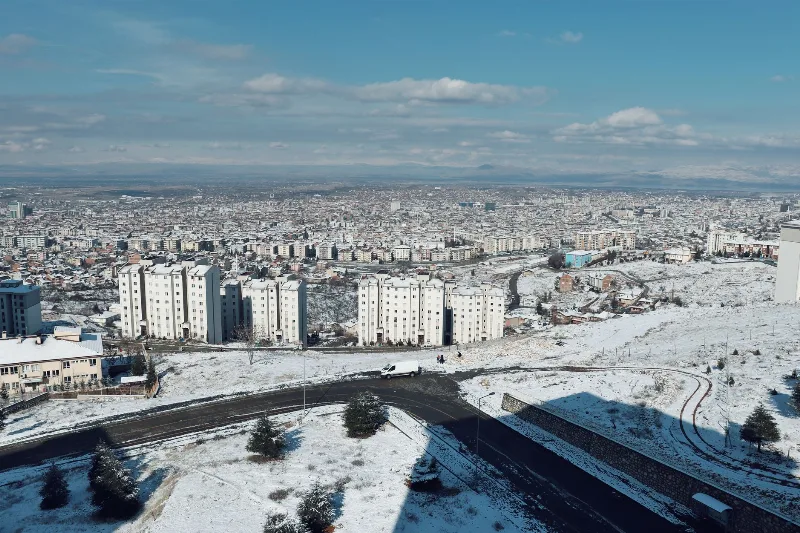
Malatya
Malatya is a metropolitan city in eastern Türkiye and the heart of the country's apricot industry. Its layered history reaches back to the Chalcolithic settlement at Arslantepe, a UNESCO World Heritage Site beside the modern urban centre.
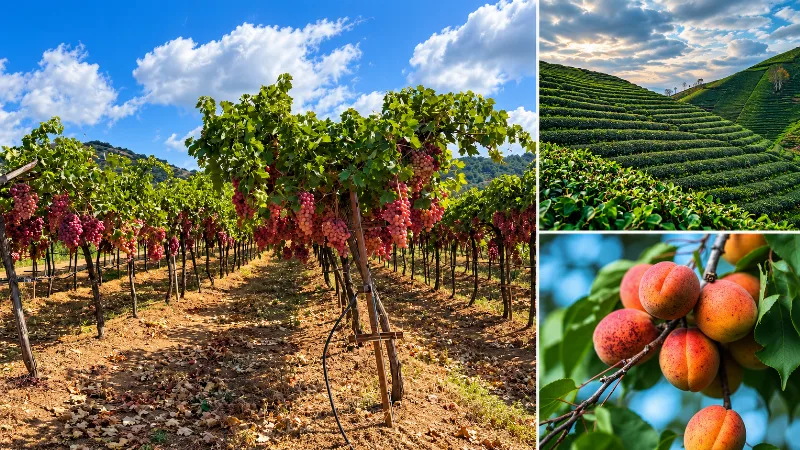
Malatya Apricots
Malatya apricots are the apricots grown in the upper Euphrates basin of eastern Türkiye, where cold winters and hot, dry summers shape the fruit that is mostly dried and traded far beyond the province.
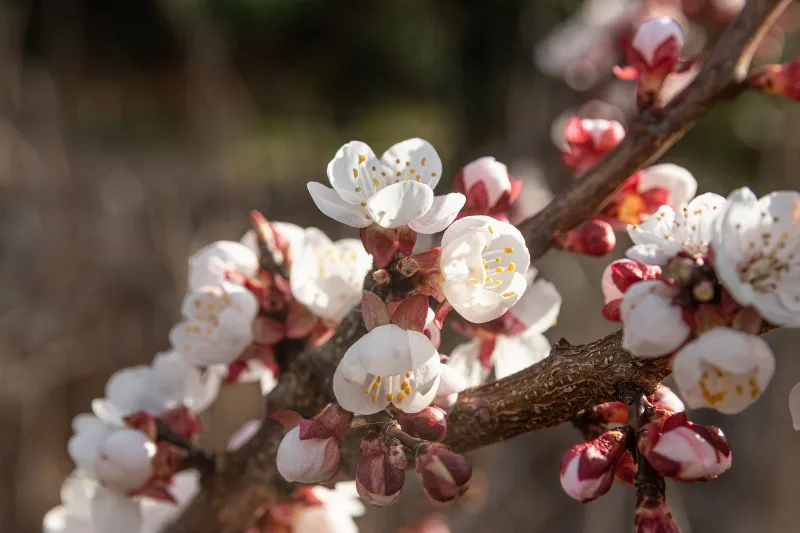
Apricot Blossom in Malatya
Each spring, the apricot orchards around Malatya in eastern Türkiye turn white and pale pink as the trees come into bloom, a short and weather-dependent window that shapes the summer harvest.
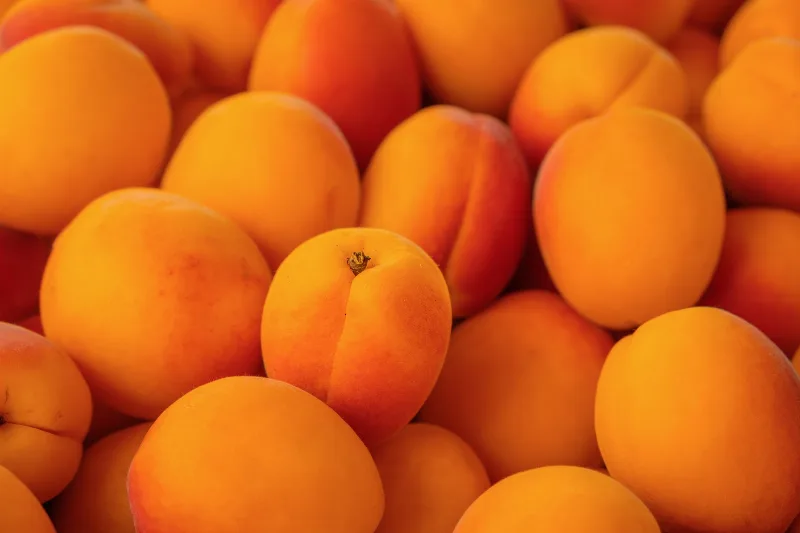
Elazığ Apricots
Elazığ apricots are a regional apricot product from eastern Türkiye, valued for their juicy, flavorful fruit. The province’s climate and fertile soils support both fresh use and traditional drying.
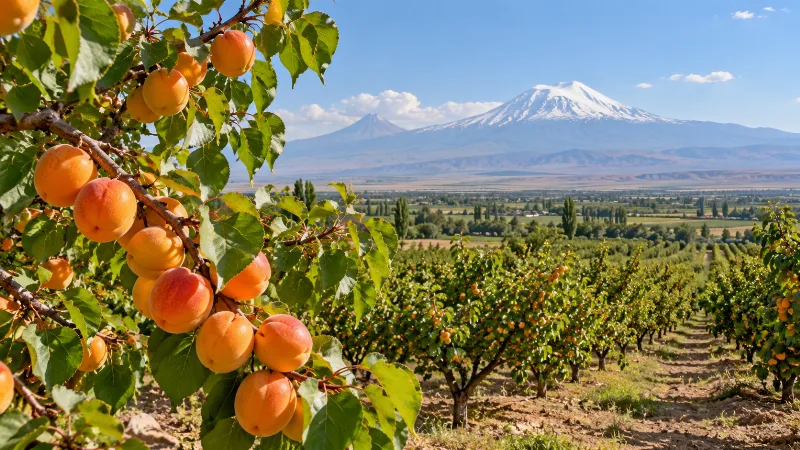
Iğdır Apricots
Iğdır apricots are the sweet, aromatic apricots grown on the warm Aras River plain in eastern Türkiye, where hot dry summers and cold winters shape fruit that is eaten fresh and dried in large quantities.
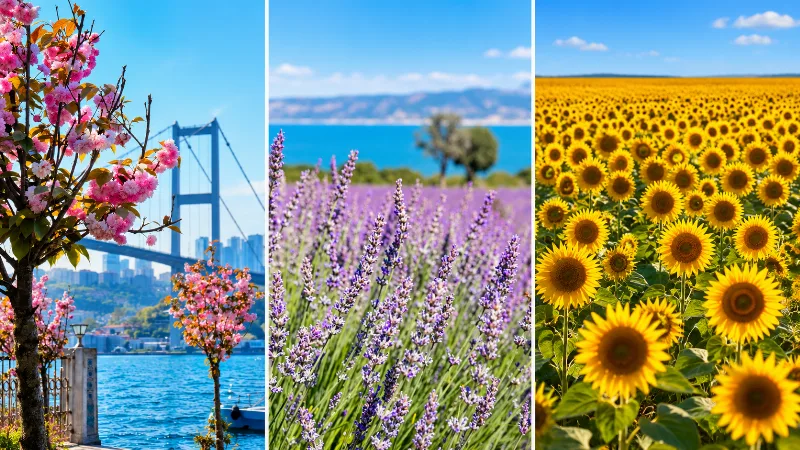
Spring in Turkey
From flowering valleys and green highlands to mild coastal towns, spring changes the landscape across different regions of Turkey.
How the Landscape Shapes Food Across Turkey
From Black Sea hazelnuts to Aegean olive oil and southeastern pistachios, Turkey’s regional food is closely connected with geography and agriculture.
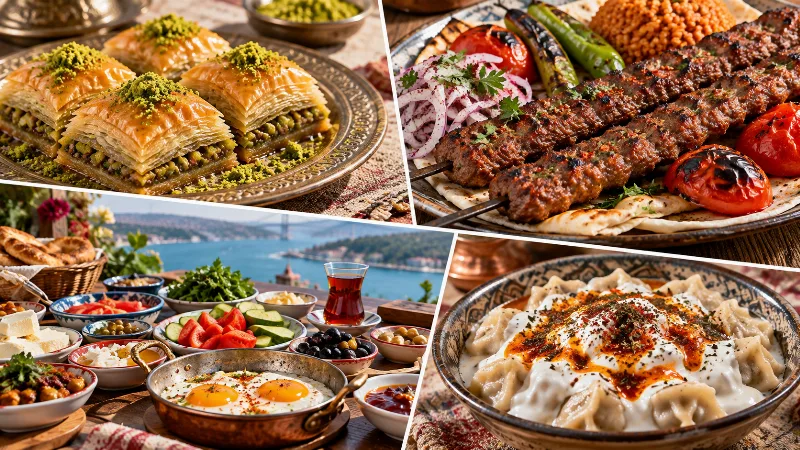
Food
Regional dishes, desserts, local ingredients and culinary traditions across Türkiye.