
Elazığ Apricots
Elazığ apricots are a regional apricot product from eastern Türkiye, valued for their juicy, flavorful fruit. The province’s climate and fertile soils support both fresh use and traditional drying.
Elazığ apricots are the apricots grown in Elazığ province, in eastern Türkiye. They come from a region where the climate and fertile soils are central to the fruit’s character. The apricots are known for being flavorful and juicy, and they are used both fresh and dried. Unlike apricots that are simply sold under a broad national label, Elazığ apricots carry a specific connection to the province where they are cultivated.
Where Elazığ Apricots Are Grown
Elazığ province lies in Eastern Anatolia, an inland part of Türkiye. Apricot orchards are found in the province’s agricultural areas, including valleys and plains where fruit growing is part of the local farming pattern. The province has a continental climate, with hot, dry summers and cold winters. These conditions matter for apricots because the trees need winter chill to break dormancy and produce blossoms, while dry summer weather supports fruit ripening.
The growing areas of Elazığ are not all identical. Elevation, local air movement, and soil depth can vary from one district to another. This variation affects how apricot trees perform, when they bloom, and how the fruit tastes. Elazığ apricots therefore reflect the specific place where they grow, rather than a single uniform environment.
Why the Elazığ Climate and Soil Suit Apricots
Apricot trees are deciduous fruit trees that are well adapted to regions with distinct seasons. They bloom in spring and ripen fruit in summer. In Elazığ, the inland eastern Anatolian climate provides the seasonal contrast that apricots require. Cold winter temperatures help satisfy the trees’ chilling requirement, and the warm, dry summer period allows the fruit to develop sugar and flavor.
The province’s fertile soils are another factor. Apricot trees grow best in soils that provide support, nutrients, and reasonable drainage. Elazığ’s agricultural land is described as fertile, and this helps the trees produce fruit that is juicy and full-flavored. The combination of soil and climate is the main reason Elazığ apricots have a local identity.
The Apricot Tree and Its Growing Cycle
The apricot is a fruit tree in the genus Prunus. In Elazığ, as in other apricot-growing areas, the tree follows an annual cycle. After winter dormancy, buds swell and blossoms appear in spring. The blossoms are vulnerable to late frost, so local climate conditions during flowering are important. After pollination, small green fruits form and grow through late spring and early summer.
By summer, the apricots ripen. Ripening is marked by changes in color, texture, and sugar content. The fruit becomes softer and juicier, developing the flavor associated with Elazığ apricots. Harvest timing depends on the year’s weather, the elevation of the orchard, and the type of apricot grown, but the general pattern is a summer harvest.
Harvest and Traditional Handling
Apricots are delicate when ripe, so harvesting is usually done by hand. In Elazığ, growers pick the fruit when it has reached the right stage for its intended use. Fruit for fresh eating is often handled carefully to avoid bruising, while fruit for drying may be left to ripen further or processed soon after picking.
Drying is a traditional way to preserve apricots in Türkiye, and Elazığ apricots are used dried as well as fresh. Drying reduces moisture and concentrates flavor and natural sugars. The dried fruit can be stored for longer periods and used in a variety of ways. This dual use—fresh and dried—is part of what connects Elazığ apricots to both local consumption and broader markets.
Fresh and Dried Apricot Uses
Fresh Elazığ apricots are eaten as a seasonal fruit. Their juicy texture and sweet-tart flavor make them suitable for eating out of hand. They can also be used in fruit salads, juices, and other fresh preparations. Because they are perishable, fresh apricots have a limited season and are most common close to the harvest period.
Dried Elazığ apricots are a pantry ingredient. They may be eaten as a snack or added to traditional dishes, stuffings, and desserts. In Turkish cooking, dried apricots sometimes appear in sweet and savory recipes, but the dried fruit itself remains the agricultural product. The apricot’s role in local food culture is tied to its availability after harvest, when drying allows the fruit to be kept for the months when fresh apricots are not available.
Apricots in the Elazığ Agricultural Landscape
Apricot orchards are part of the broader agricultural landscape of Elazığ. Fruit growing exists alongside other crops and farming activities in the province. In spring, apricot trees bloom, and in summer they bear fruit. This seasonal rhythm shapes the work of growers and the appearance of the countryside.
The presence of apricots also supports local processing and trading activities. Drying, sorting, and packing can provide income beyond the harvest itself. While exact production figures vary from year to year, apricots remain one of the recognizable fruit products associated with Elazığ.
Elazığ Apricots and Nearby Apricot Regions
Eastern Türkiye includes several apricot-growing areas. The neighboring province of Malatya is especially known for apricots, and its apricot orchards are among the most prominent in the country. Elazığ apricots are sometimes compared with those from Malatya because the two provinces share a regional setting in eastern Anatolia. However, Elazığ apricots are grown in Elazığ’s own districts and reflect the local climate and soils of that province.
The proximity of these apricot regions does not make the products identical. Local differences in elevation, weather patterns, and soil can influence fruit characteristics. For buyers and eaters, Elazığ apricots offer a way to taste the agricultural output of a specific province in eastern Türkiye.
What Sets Elazığ Apricots Apart
The distinctive quality of Elazığ apricots comes from the relationship between the fruit and its place. The province’s climate provides the seasonal cold and summer warmth that apricots need, while fertile soils support tree growth and fruit development. The result is an apricot that is flavorful and juicy when fresh and suitable for drying.
For anyone interested in regional Turkish produce, Elazığ apricots represent a specific local product rather than a generic category. They are linked to the province of Elazığ, to its orchards, and to the agricultural traditions of eastern Türkiye. Whether eaten fresh in summer or enjoyed dried later in the year, they carry the character of the land where they are grown.

İskender Kebabı
A Bursa specialty made with thin slices of döner served over pide bread with tomato sauce, butter and yogurt.
Explore →
Kokoreç
Kokoreç is a Turkish street food of lamb intestines wound around a skewer, grilled over charcoal and chopped with hot pepper and oregano. It is most often eaten stuffed into half a loaf of bread, and its two best-known styles come from Istanbul and İzmir.
Explore →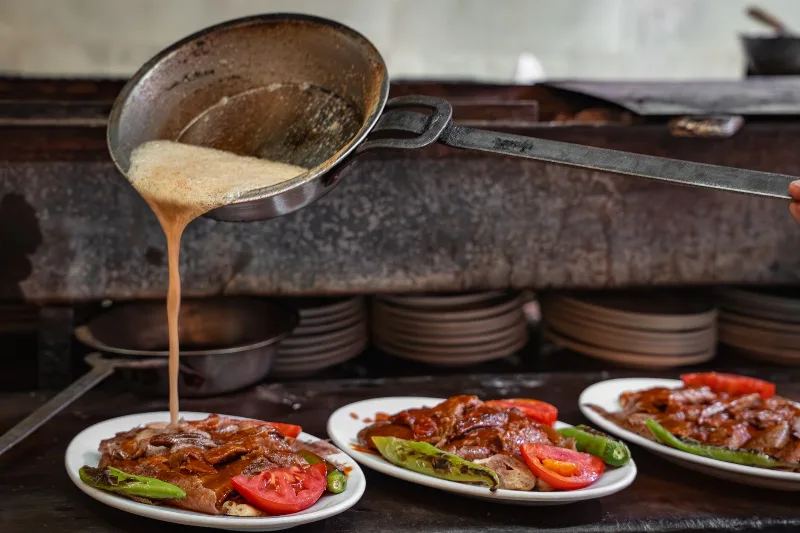
İskender Kebabı
İskender Kebabı is a Bursa dish made of sliced döner kebab laid over pieces of pita bread, dressed with warm tomato sauce and melted butter, and served with yogurt on the side.
Explore →Related content

Malatya
Malatya is a metropolitan city in eastern Türkiye and the heart of the country's apricot industry. Its layered history reaches back to the Chalcolithic settlement at Arslantepe, a UNESCO World Heritage Site beside the modern urban centre.
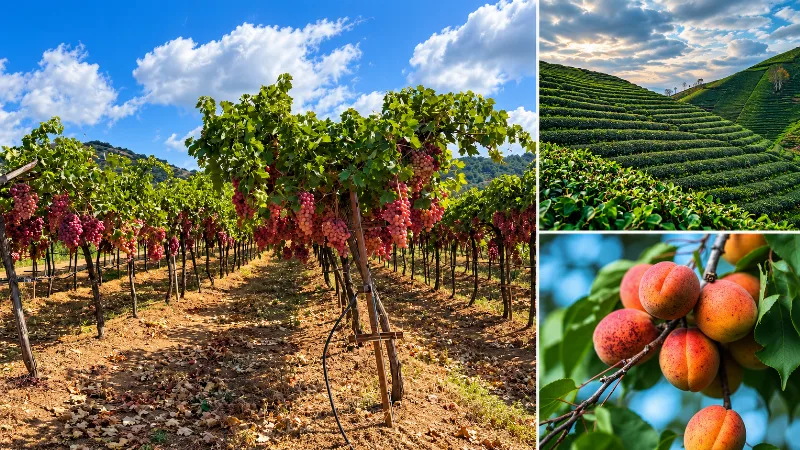
Malatya Apricots
Malatya apricots are the apricots grown in the upper Euphrates basin of eastern Türkiye, where cold winters and hot, dry summers shape the fruit that is mostly dried and traded far beyond the province.

Eastern Anatolia Region
Eastern Anatolia is a region of majestic mountains, vast highlands, beautiful lakes and ancient cultural heritage. Home to Mount Ararat, Lake Van and historic settlements, it offers some of Türkiye's most dramatic natural landscapes alongside distinctive architecture, local traditions and regional cuisine.
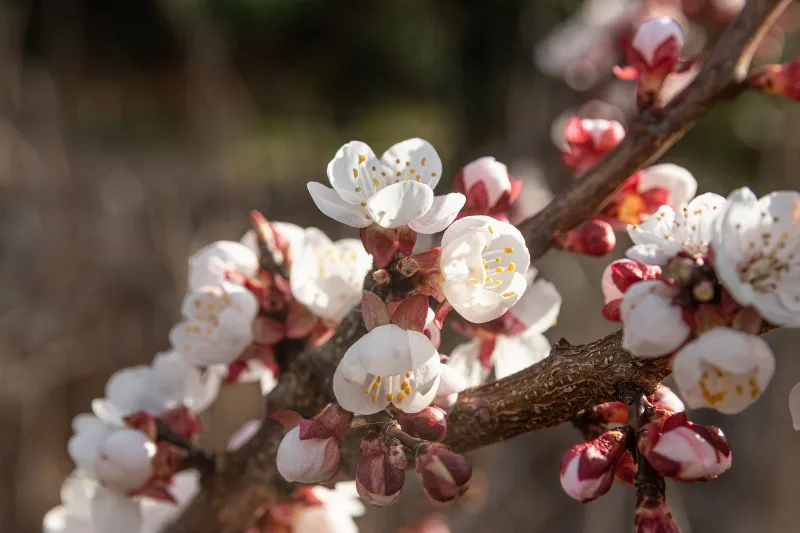
Apricot Blossom in Malatya
Each spring, the apricot orchards around Malatya in eastern Türkiye turn white and pale pink as the trees come into bloom, a short and weather-dependent window that shapes the summer harvest.
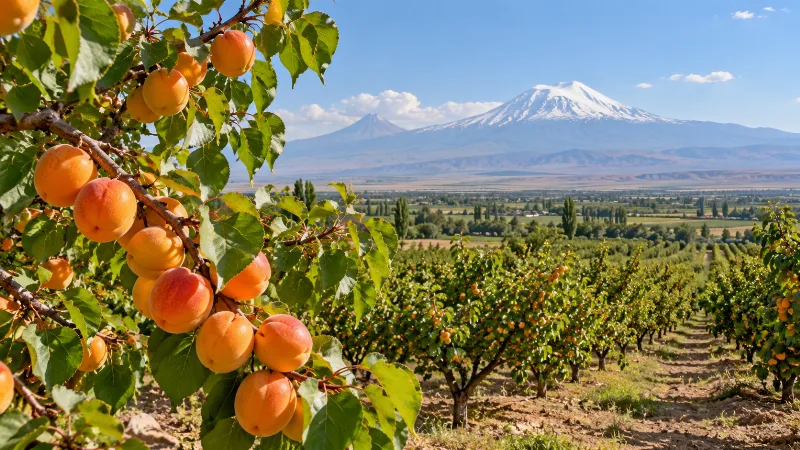
Iğdır Apricots
Iğdır apricots are the sweet, aromatic apricots grown on the warm Aras River plain in eastern Türkiye, where hot dry summers and cold winters shape fruit that is eaten fresh and dried in large quantities.
How the Landscape Shapes Food Across Turkey
From Black Sea hazelnuts to Aegean olive oil and southeastern pistachios, Turkey’s regional food is closely connected with geography and agriculture.