
Cizre Ulu Mosque and Silk Weaving Heritage in Şırnak
Cizre in Şırnak Province brings together a historic Ulu Mosque and a living silk-weaving tradition, revealing the architectural and craft heritage of south-eastern Türkiye.
Cizre, a district of Şırnak Province in south-eastern Türkiye, is a town where historic architecture and living craft traditions sit side by side. The Cizre Ulu Mosque is one of the area’s most recognisable landmarks, while the local silk-weaving heritage reflects skills that have been passed through generations. Together, they offer an insight into the cultural character of Cizre and the wider Şırnak region.
The Historic Ulu Mosque of Cizre
The Ulu Mosque, also known as the Great Mosque, stands in the centre of Cizre and forms part of the town’s historic urban fabric. Its stone construction and minaret are characteristic of the architectural traditions found across south-eastern Türkiye. The building is arranged around the needs of communal prayer, with a prayer hall and courtyard spaces that provide shade and gathering areas. Local stone gives the mosque a solid, grounded appearance that suits the climate and landscape of the region.
The mosque is not simply a monument to the past; it remains a place of worship and a focal point for the community. Like many historic buildings in the region, it has undergone maintenance and repair over the centuries, allowing it to continue in use. For visitors, the Ulu Mosque is an opportunity to observe regional mosque architecture in a working town setting. The surrounding streets contain older buildings and small businesses, adding to the sense of a settlement with a long and layered history.
Silk Weaving in Şırnak
Silk weaving is an important part of the handicraft heritage of Şırnak Province. In Cizre and other local communities, the craft has been practised in small workshops and family homes, where handlooms are used to produce textiles with distinctive textures. Silk is valued for its lightness, strength and natural sheen, and woven pieces can be used for clothing, accessories and household textiles. The skills involved in preparing the loom, setting the warp and weaving the fabric are usually learned through observation and practice.
The designs and colours of local silk textiles reflect the tastes and materials of the region. Weavers may combine traditional motifs with their own variations, so that each piece carries a personal as well as a cultural signature. Silk weaving also connects to the agricultural and trading history of the area, since textiles have long been part of local markets and exchange. In this way, the craft is both an artisanal activity and a form of cultural memory.
The Setting of Cizre and Its Surroundings
Cizre lies in the south-eastern corner of Türkiye, close to the Tigris River and the Syrian border. The district forms part of Şırnak Province and sits in a landscape of plains and low hills. The Tigris has shaped settlement and farming in the region for centuries, and the surrounding countryside supports agriculture and livestock. Cizre’s position has made it a meeting point of routes and cultures, which is reflected in its food, architecture and crafts.
The town is a working district with a strong sense of local life. Its streets, markets and tea houses give visitors a chance to experience everyday life in Şırnak Province. The Ulu Mosque and the silk-weaving tradition are not isolated attractions; they are part of the town’s identity. Exploring them alongside the local food and markets provides a fuller understanding of the area.
Craft, Culture and Continuity
The combination of the Ulu Mosque and silk weaving gives Cizre a cultural profile that is both architectural and artisanal. The mosque represents the town’s place in the history of Islamic architecture in the region, while silk weaving represents the creativity and practical skills of its people. Both are part of daily life rather than static exhibits. Respectful visits to the mosque and support for local crafts can help to keep these traditions visible and valued.
Across Şırnak, similar heritage can be found in other towns and villages, where traditional architecture, regional cuisine and handicrafts reflect the character of south-eastern Türkiye. Cizre’s Ulu Mosque and silk-weaving heritage are distinctive examples of this wider cultural landscape, and they reward travellers who are interested in places where history and craft continue to matter.
Related content
Bursa
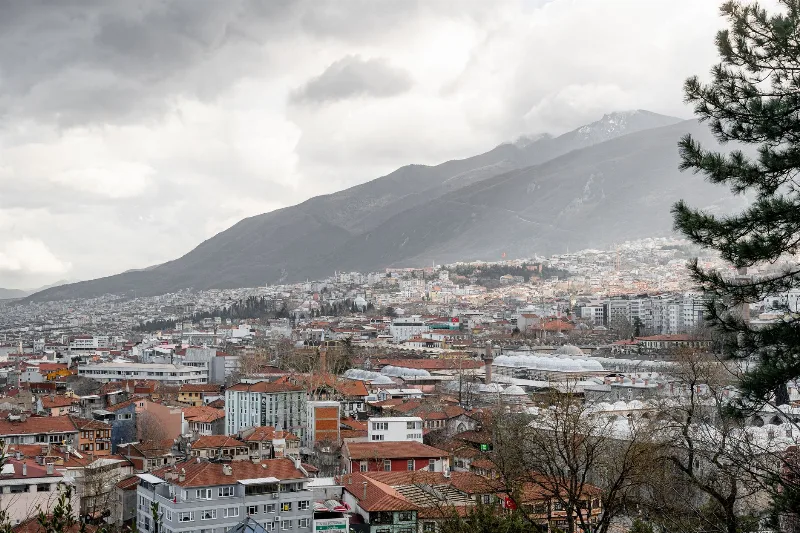
Bursa is a major metropolitan city in northwestern Türkiye and the first great capital of the Ottoman Empire, known for its silk heritage, thermal springs and the mountain of Uludağ rising directly behind it.
The Traditional Art of Turkish Carpet Weaving
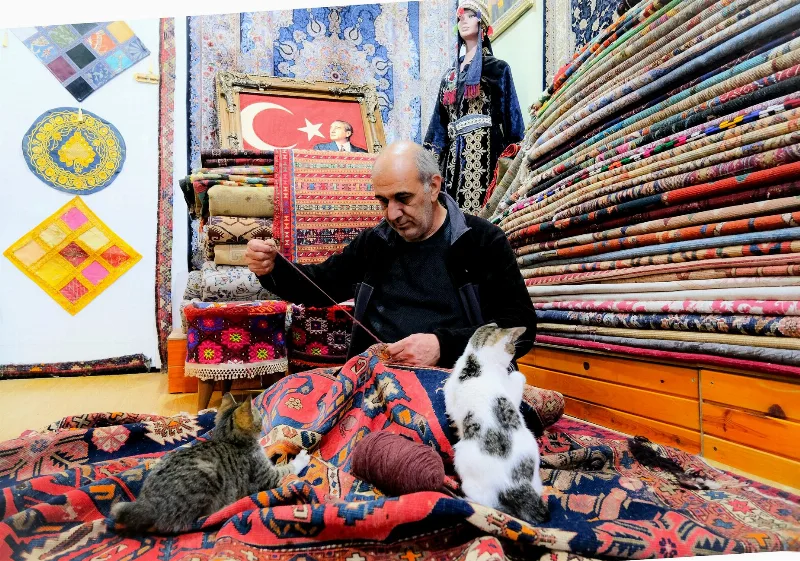
Explore the intricate craftsmanship and cultural significance of Turkish carpet weaving, an art form cherished for generations.
Turkish Carpets and Kilims
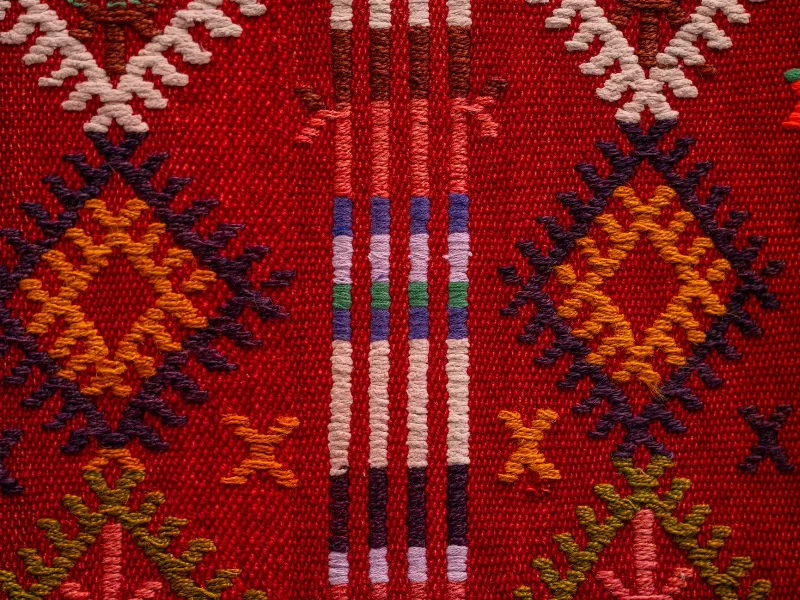
A look at Turkish carpets and kilims, from knotting and flatweave techniques to natural dyes, motifs and the Anatolian regions where they are made.

3-Day Istanbul to Bursa Route
Explore the first Ottoman capital on a three-day route from Istanbul to Bursa, combining historic city sites, the mountain landscapes of Uludağ, and the preserved village of Cumalıkızık.
Traditional Crafts of a Turkish Bazaar
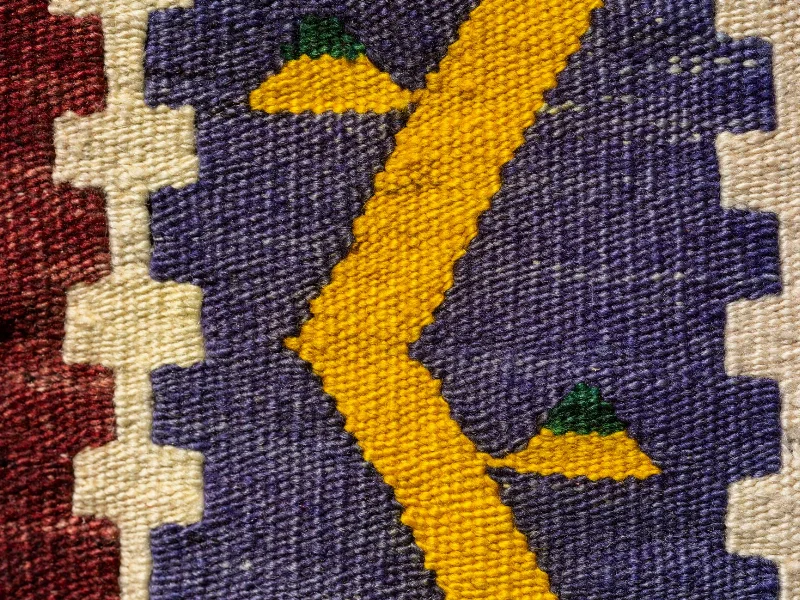
Türkiye's bazaars are living archives of craft, where copper, çini ceramics, kilims and ebru marbling are still shaped by hand. This page explores the trades, materials and traditions behind them.
2-Day Bursa and Uludağ Route
A two-day route through Bursa's Ottoman monuments and up to the Uludağ National Park by cable car, combining city walking with mountain hiking or skiing.
Cultural Heritage of Anatolia
Anatolia's cultural heritage spans millennia, blending ancient civilizations, architectural marvels, and living traditions across Türkiye.
Traditional Villages of Türkiye
Türkiye's traditional villages blend stone houses, timber balconies and seasonal customs into landscapes that reveal the country's rural heritage.