Manisa
Manisa is a provincial capital in western Türkiye, just inland from the Gulf of İzmir and at the foot of Mount Spil. Known for its Ottoman associations, fertile farmland and vineyards, the province extends well beyond the city into a large part of the Aegean interior. Its historic towns and ancient sites.
Manisa is a provincial capital in western Türkiye, just inland from the Gulf of İzmir and at the foot of Mount Spil. Known for its Ottoman associations, fertile farmland and vineyards, the province extends well beyond the city into a large part of the Aegean interior. Its historic towns and ancient sites make it a varied destination rather than a single urban stop.
Geography and Landscape
Mount Spil rises above the city, while the Gediz valley provides broad areas of agricultural land. Districts further east and north have different terrain, with vineyards, olive groves and cultivated plains. The landscape has long supported trade and agriculture between inland Anatolia and the Aegean coast. Mountain slopes give the urban skyline a distinctly rugged northern backdrop.
The ancient site of Sardis and the Ottoman monuments of Manisa city belong to different historical settings. Viewing both helps distinguish the province's extensive archaeological heritage from the more concentrated heritage of its administrative centre.
History and Heritage
Manisa was known as Magnesia in antiquity and became an important Ottoman princely centre. Several future sultans governed here during their education and administrative training. The province also contains Sardis, the ancient capital of the kingdom of Lydia, near Salihli. These different historical layers connect the Ottoman city with a much older story of states, trade routes and settlement.
For a fuller understanding of Manisa, it helps to separate the provincial capital from the wider administrative area. The main urban centre contains everyday commercial and civic life, while individual districts preserve their own landmarks, settlement patterns and rural traditions. The location of a site within the province matters: a landscape, archaeological monument or coastal settlement may require travel well beyond the capital. Reading a provincial map alongside local district names makes the variety of the area clearer.
Places to Visit
The Muradiye Mosque and other Ottoman buildings form part of Manisa's historic centre. Mount Spil National Park is associated with mountain landscapes and views over the surrounding region. Sardis offers remains from ancient Lydia and later Roman times. The Kula district is known for traditional houses and distinctive volcanic terrain, broadening the range of places to visit within Manisa Province.
Local Culture and Cuisine
Manisa is widely associated with Mesir paste and its historic festival tradition. Grape cultivation, especially in the wider agricultural districts, is an important economic and cultural activity. Traditional markets bring together seasonal fruits, olives and other regional produce. Crafts and food traditions vary between the provincial capital, the Gediz valley and smaller inland towns.
Climate and Seasons
Summers are generally hot and dry in the lower valleys; winters are cooler and wetter, with colder conditions on Mount Spil. Spring can be particularly green in the mountains and agricultural areas. Autumn is linked to harvesting activities in vineyard districts. Because the province covers a large area, weather and seasonal landscapes vary substantially between Manisa city, Kula and Salihli.
Getting There and Around
Manisa has strong road and rail connections with nearby İzmir and other western Anatolian cities. İzmir's airport is an important gateway for the wider region. The provincial capital is accessible by intercity transport, but places such as Sardis and Kula are in separate districts and require longer road journeys. Urban sightseeing and province-wide exploration therefore call for different transport plans.
Discover Food in Türkiye
All food →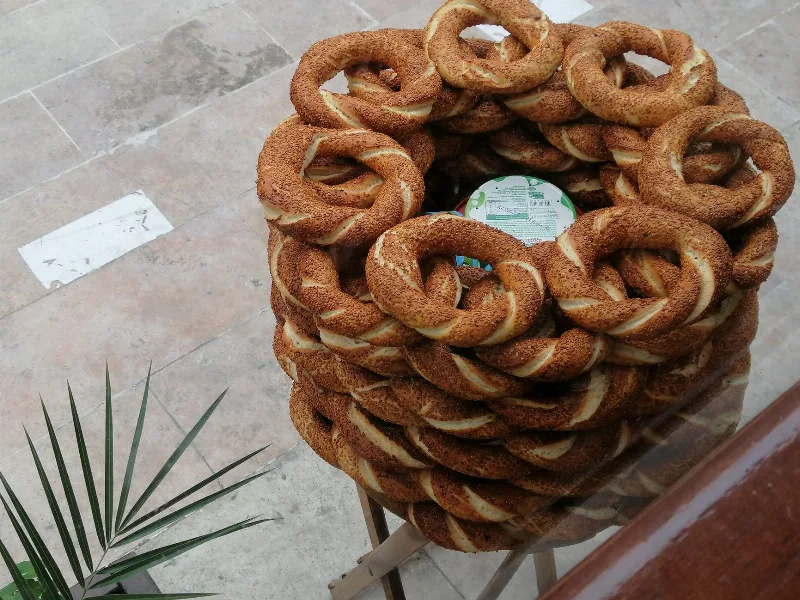
Simit
Simit is a ring-shaped Turkish bread covered in sesame seeds, strongly associated with Istanbul and sold as everyday street food. It is eaten fresh, most often with tea, and has a crisp crust around a chewy crumb.
Explore →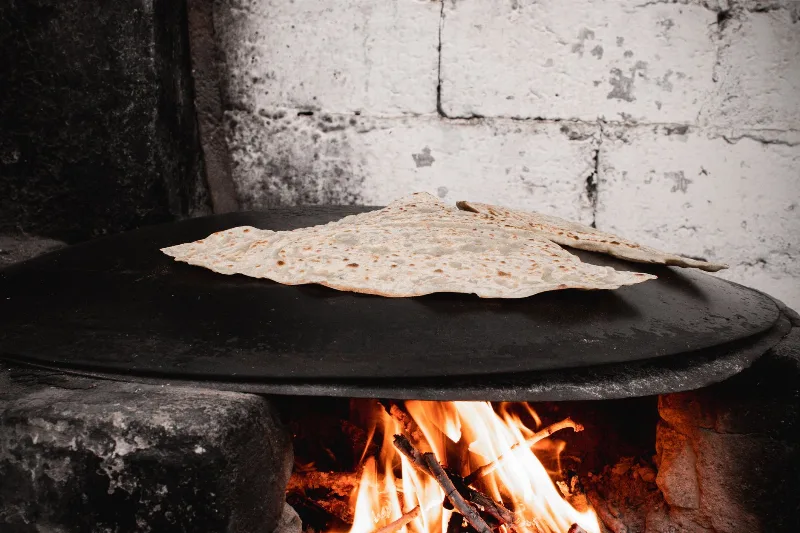
Bazlama
Bazlama is a soft, thick Turkish flatbread made from a leavened dough and cooked on a hot griddle. It is a staple of village baking across Anatolia, eaten warm with butter or used to wrap other foods.
Explore →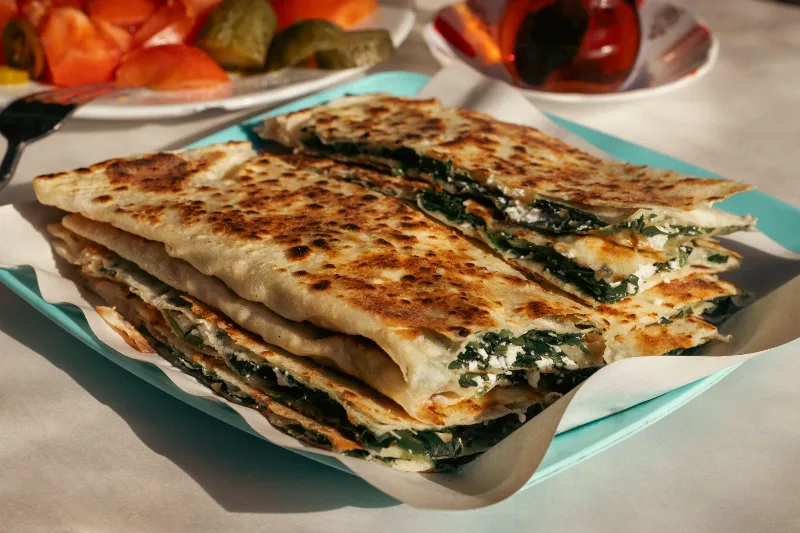
Gözleme
Gözleme is a thin, hand-rolled Anatolian flatbread folded around savory fillings such as cheese, spinach, or minced meat and cooked on a sac griddle. The article covers its regional variations, cooking method, texture, and traditional serving style.
Explore →Related content
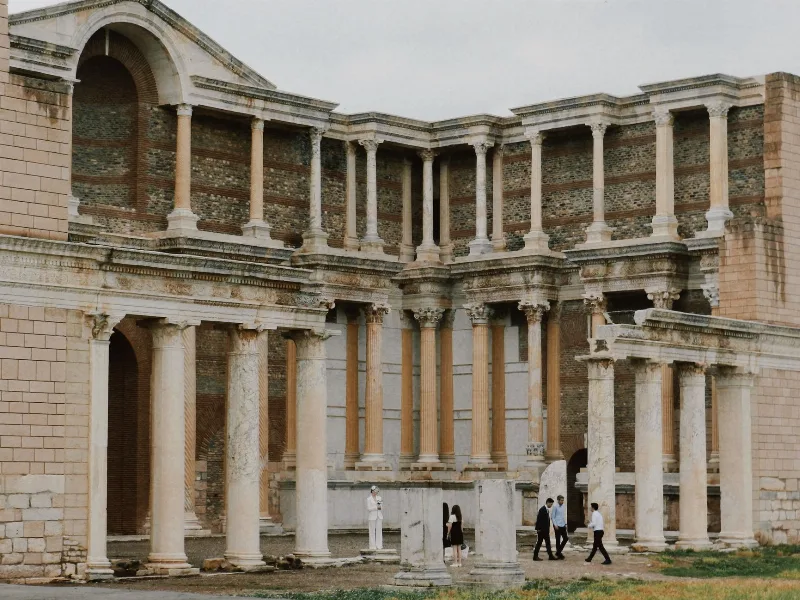
Sardis
Sardis was the Iron Age capital of the Lydian Kingdom in western Anatolia and later a major Roman and Byzantine city. Its surviving monuments include the Temple of Artemis, a vast bath-gymnasium complex and one of the largest ancient synagogues ever found.
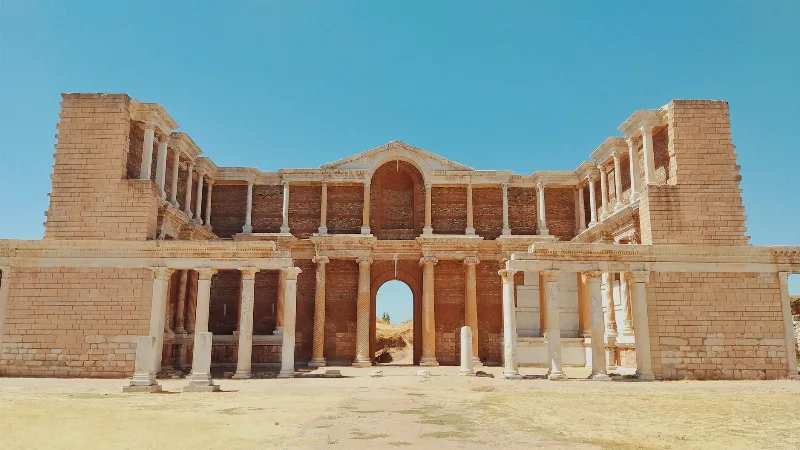
The Ancient City of Sardis in Lydia
Sardis, the ancient capital of Lydia in western Türkiye, preserves a monumental synagogue, a Roman gymnasium and the gold-bearing Pactolus river.
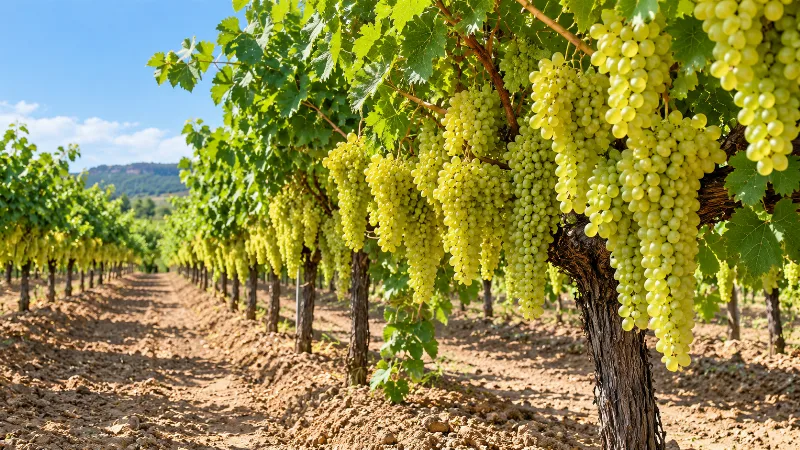
Manisa Sultaniye Grapes
Manisa Sultaniye is a seedless grape grown across the plains of Manisa province in western Türkiye, eaten fresh in late summer and sun-dried into the golden sultanas that have shaped the region's farming economy for generations.
Spil Mountain National Park Endemic Plants in Manisa
Spil Mountain rises sharply behind Manisa, and its national park safeguards a remarkably varied flora, including plants found nowhere else on earth.
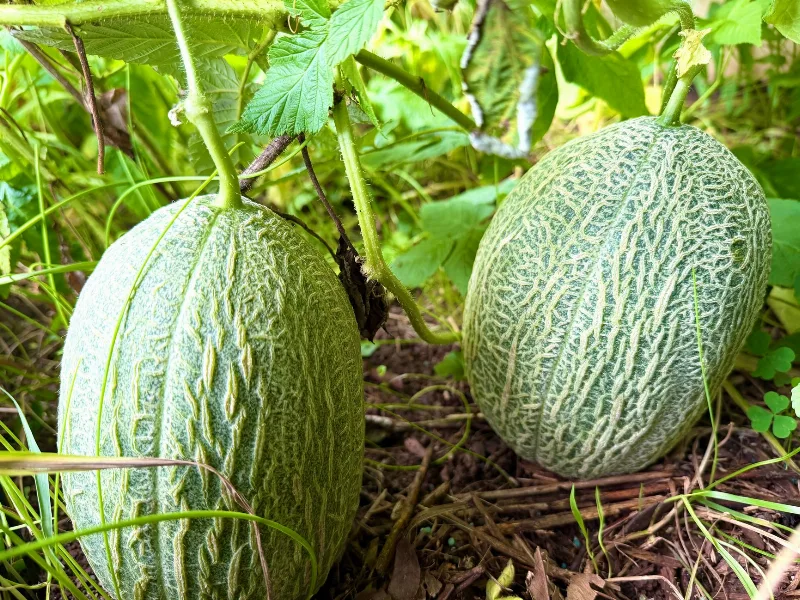
Kırkağaç Melons
Kırkağaç melons are a distinctive melon variety grown around the town of Kırkağaç in Manisa province, western Türkiye, where hot dry summers and fertile valley soils produce large, aromatic fruit that keeps well into winter.
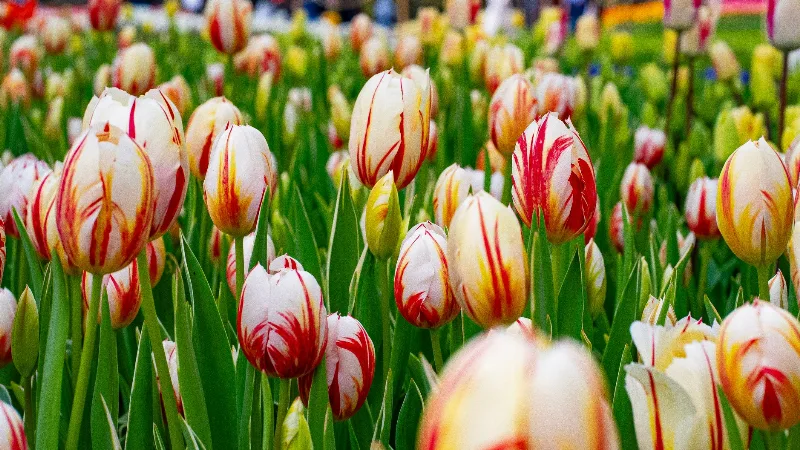
Cultural Festivals in Türkiye
Türkiye's year is marked by festivals that celebrate spring, faith, harvest and history, from Hıdırellez bonfires to the whirling ceremonies of Konya.