Kırklareli
Kırklareli is a province in Turkish Thrace, in northwestern Türkiye near the Bulgarian border and the Black Sea. Its inland capital is surrounded by agricultural landscapes, while northern districts contain wooded mountains and coastal wetlands. The province is known for traditional villages, historic monuments and a quieter natural environment within reach of Istanbul.
Kırklareli is a province in Turkish Thrace, in northwestern Türkiye near the Bulgarian border and the Black Sea. Its inland capital is surrounded by agricultural landscapes, while northern districts contain wooded mountains and coastal wetlands. The province is known for traditional villages, historic monuments and a quieter natural environment within reach of Istanbul and the wider Marmara region.
Geography and Landscape
Much of southern Kırklareli consists of rolling agricultural plains, while the northern Istranca, or Strandzha, Mountains support extensive woodland. The Black Sea coastline includes beaches, lagoons and protected natural areas. The İğneada floodplain forests are particularly distinctive, with freshwater habitats close to the sea. Different ecological conditions occur between the drier cultivated south and the forested northern districts. Northern forest and wetland habitats offer a sharp contrast with the farming landscape around the capital. The Istranca Mountains form an important ecological transition along the Black Sea hinterland.
History and Heritage
The region formed part of ancient Thrace and later passed through Roman, Byzantine and Ottoman periods. Historic remains, mosques and traditional settlements reflect these layers. The town of Vize has important archaeological and medieval heritage, while the provincial capital contains Ottoman-era buildings and an established town centre. Rural architecture also contributes to the province's sense of place. The province’s coastal towns and older inland settlements reflect distinct historical livelihoods. Agriculture, fishing and forestry have each contributed to local architecture and community life.
The names of individual districts matter when describing Kırklareli: the provincial capital is only one part of a larger administrative area. Natural landmarks and historic settlements may lie well beyond the main urban centre, so the province is best understood as a collection of connected but distinct local landscapes. This distinction is useful when interpreting maps and comparing neighbouring destinations.
Places to Visit
İğneada and its surrounding floodplain forests are major natural attractions along the Black Sea. Kıyıköy is a coastal settlement known for its scenic position above river valleys and the sea. Vize offers historical sites and a traditional townscape. In central Kırklareli, local monuments and neighbourhood streets provide a different experience from the coastal and forest districts.
Local Culture and Cuisine
Thracian agricultural traditions influence local food, including breads, cheeses and dishes connected with grain farming and livestock. Village markets and small-town social life remain part of the province's identity. Different communities have contributed to the cultural history of European Türkiye. Traditional homes, craft practices and seasonal rural activities help distinguish inland districts from the Black Sea coast.
Climate and Seasons
Kırklareli experiences warm summers and cool to cold winters, with the north generally wetter and more forested than the south. The Black Sea shoreline is affected by coastal weather and wind, while inland agricultural areas can be hotter during summer days. Spring is a period of fresh forest growth, and autumn brings colour changes to woodland around the Istranca Mountains.
Getting There and Around
Kırklareli is reached by road from Istanbul, Edirne and other Thracian centres. The provincial capital is inland, so reaching İğneada or Kıyıköy requires further travel north through forested terrain. Towns such as Vize form separate stops on regional routes. Visitors crossing international borders should check current official conditions for the relevant crossing rather than assuming all routes are open.
Discover Food in Türkiye
All food →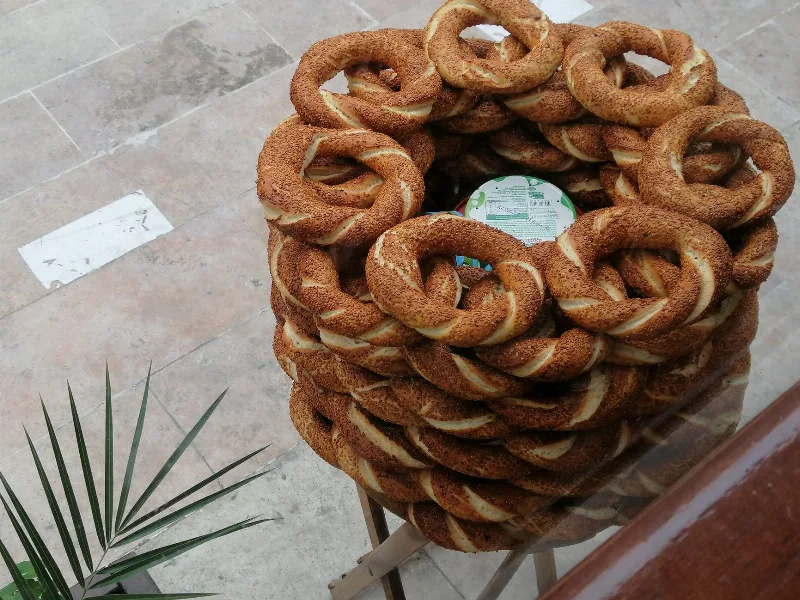
Simit
Simit is a ring-shaped Turkish bread covered in sesame seeds, strongly associated with Istanbul and sold as everyday street food. It is eaten fresh, most often with tea, and has a crisp crust around a chewy crumb.
Explore →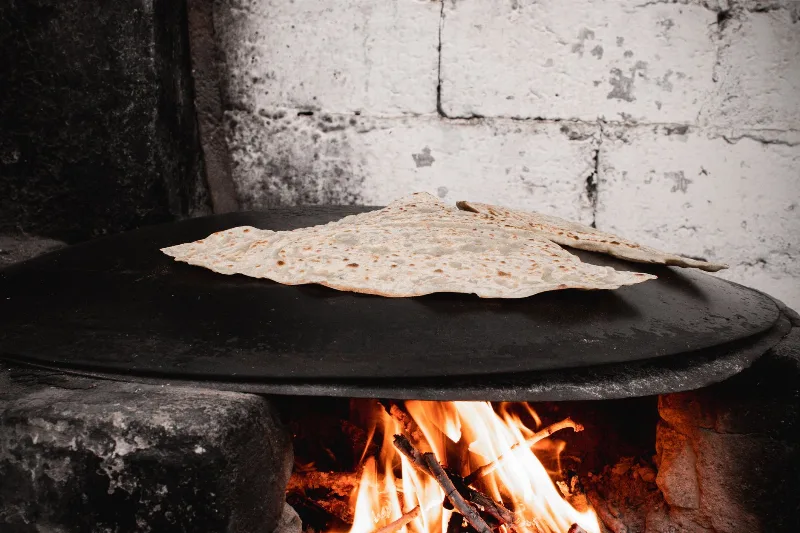
Bazlama
Bazlama is a soft, thick Turkish flatbread made from a leavened dough and cooked on a hot griddle. It is a staple of village baking across Anatolia, eaten warm with butter or used to wrap other foods.
Explore →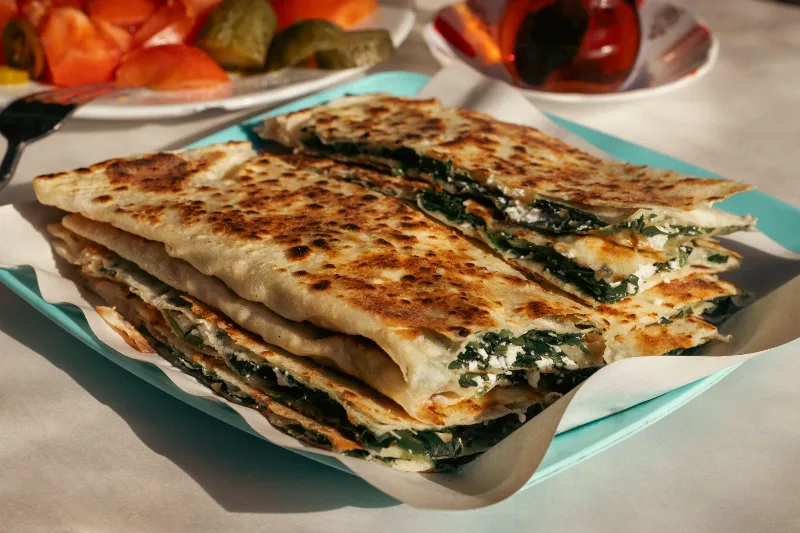
Gözleme
Gözleme is a thin, hand-rolled Anatolian flatbread folded around savory fillings such as cheese, spinach, or minced meat and cooked on a sac griddle. The article covers its regional variations, cooking method, texture, and traditional serving style.
Explore →Related content
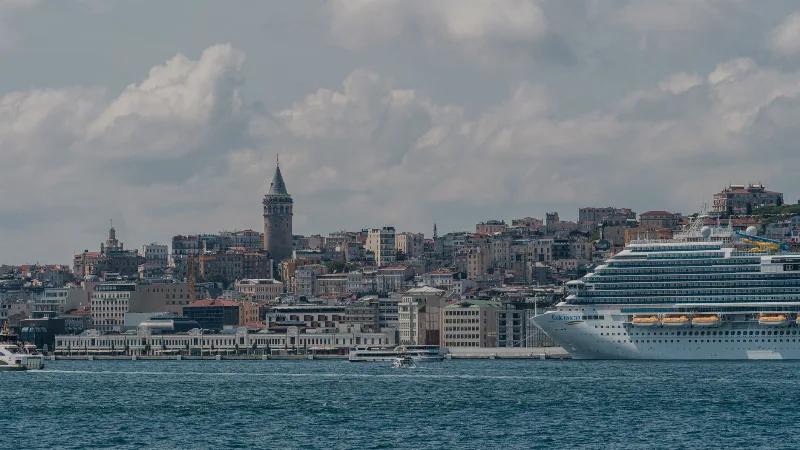
Istanbul
Istanbul is Türkiye's largest city and the country's only metropolis that spans two continents, divided by the Bosphorus strait into a European and an Asian half. Its long run as an imperial capital left a historic core of palaces, mosques and bazaars that still shapes the city's identity.
Edirne
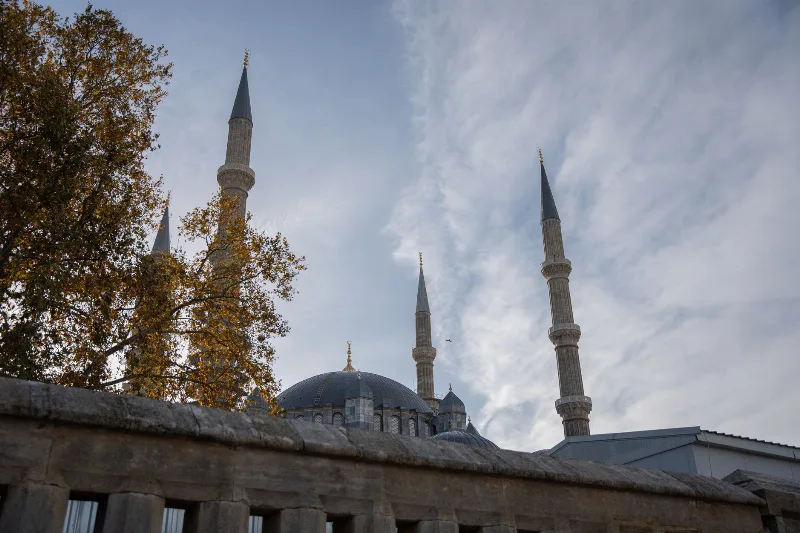
Edirne is a northwestern Turkish city near the Greek and Bulgarian borders, renowned for its Ottoman heritage, particularly the Selimiye Mosque, and for hosting the annual Kırkpınar oil wrestling festival.
3-Day Thrace Route: Edirne, Kırklareli and Tekirdağ
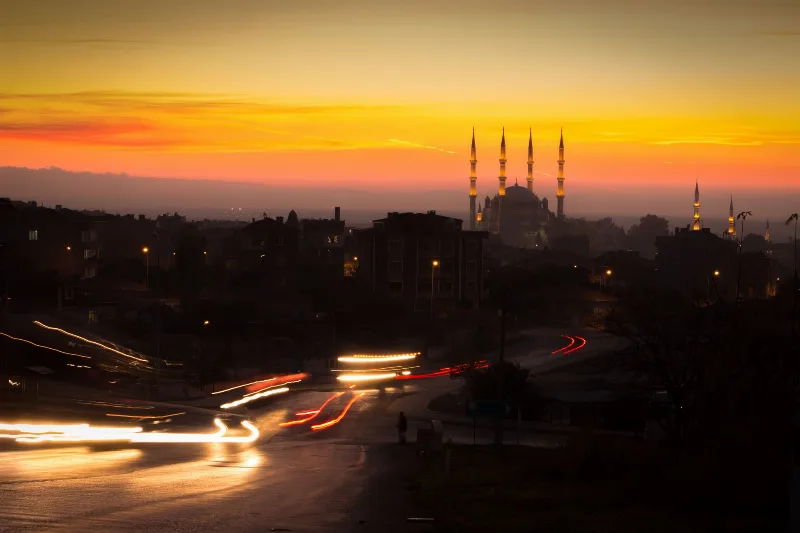
A practical three-day west-to-east, then south, driving route across Turkish Thrace, linking Edirne's Ottoman monuments with Kırklareli's inland towns and Tekirdağ's Marmara vineyards and coast.
2-Day Edirne and Kırklareli Route
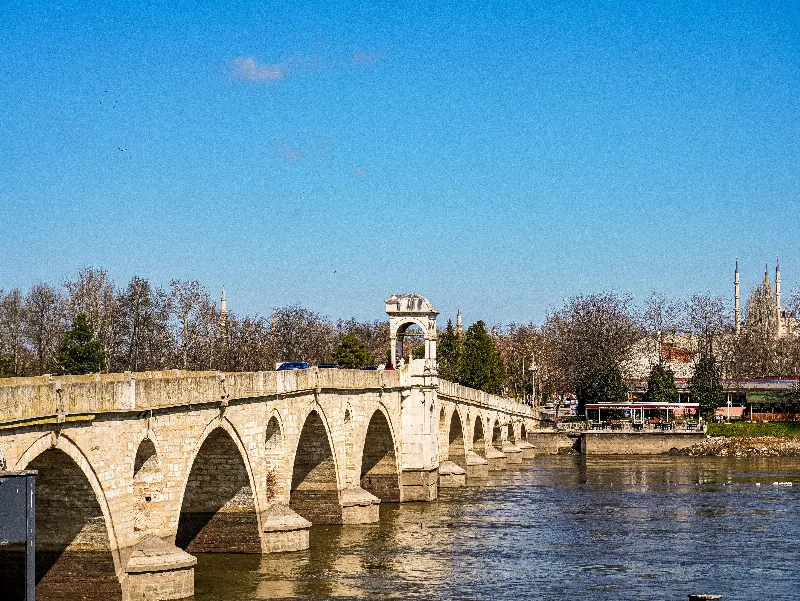
A two-day Thrace journey that starts among the Ottoman monuments of Edirne and continues north into Kırklareli, where cave systems and floodplain forests sit beneath the Yıldız Mountains.
Trakya Baldo Rice
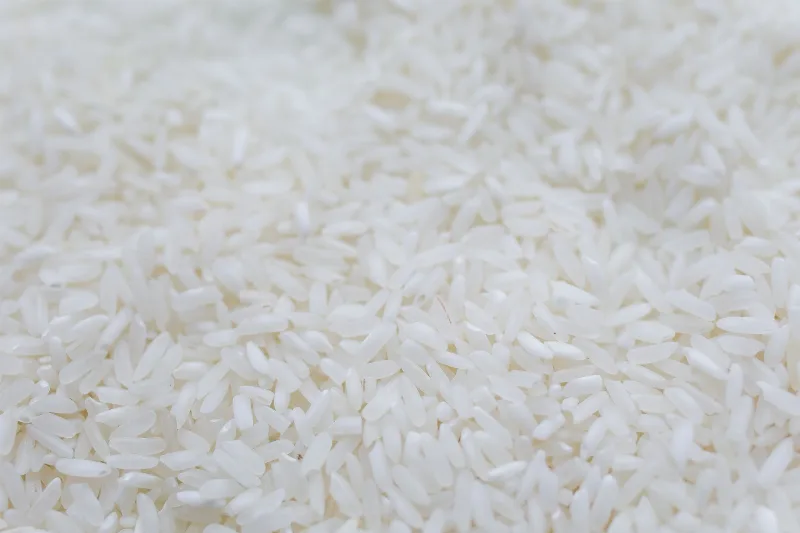
Baldo rice is a large-grain variety grown on the flood plains of Thrace in northwestern Türkiye, where river-fed paddies around Edirne produce grain prized for pilaf. Its long, glassy kernels and the region's water-rich alluvial soils are closely linked.
İpsala Rice
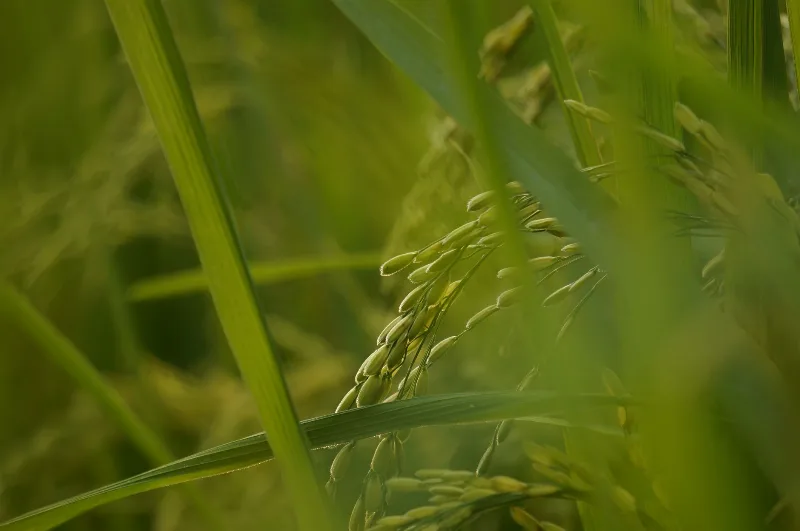
Grown on the river-fed alluvial plain around İpsala in Edirne province, İpsala rice reflects the landscape of Thrace: flooded paddies, warm summers and a long local milling tradition.