Karaman
Karaman is an inland province in south-central Türkiye, positioned south of Konya and associated with the history of the Karamanid dynasty. Its provincial capital contains important medieval monuments, while the surrounding countryside ranges from broad plains to the foothills of the Taurus Mountains. The province's identity combines Anatolian Turkish literary history, agriculture and.
Karaman is an inland province in south-central Türkiye, positioned south of Konya and associated with the history of the Karamanid dynasty. Its provincial capital contains important medieval monuments, while the surrounding countryside ranges from broad plains to the foothills of the Taurus Mountains. The province's identity combines Anatolian Turkish literary history, agriculture and routes connecting the central plateau with the Mediterranean hinterland.
Geography and Landscape
The Karaman Plain forms an important agricultural landscape, with open fields extending toward more rugged terrain to the south. The Taurus Mountains influence the province's higher districts and create a transition between dry interior landscapes and more wooded uplands. Valleys and rocky terrain contain small settlements and historic sites. Seasonal water availability and elevation have shaped where farming and communities developed. The transition from open Central Anatolian fields to the Taurus foothills explains the contrast between settled agricultural districts and more rugged southern areas.
History and Heritage
Karaman is closely associated with the Karamanid principality, a major power in medieval Anatolia before Ottoman incorporation. The area also contains traces of earlier settlement and Christian religious heritage. Its historic centre includes mosques, madrasas and other structures connected with Seljuk and Karamanid architecture. Karaman has a prominent place in discussions of Turkish language history through its association with Karamanoğlu Mehmet Bey. The province’s medieval monuments sit within a living town rather than a separate archaeological park. Comparing them with rural heritage sites gives a fuller understanding of Karaman’s historical range.
The names of individual districts matter when describing Karaman: the provincial capital is only one part of a larger administrative area. Natural landmarks and historic settlements may lie well beyond the main urban centre, so the province is best understood as a collection of connected but distinct local landscapes. This distinction is useful when interpreting maps and comparing neighbouring destinations.
Places to Visit
Karaman Castle, the Hatuniye Madrasa and the Aktekke Mosque are among the historic places in the provincial capital. South of the city, the Binbirkilise area around Karadağ preserves remains of early Christian buildings. Taşkale is known for its unusual rock-cut storage spaces and its village setting. These sites demonstrate the province's blend of urban monuments and archaeological landscapes.
Local Culture and Cuisine
Local culture reflects central Anatolian agriculture, bread-making, grains and regional meat dishes. Karaman's association with the Turkish language is celebrated through cultural references and commemorations. Village life remains strongly tied to farming and seasonal work. Traditional architecture and the presence of historical educational and religious buildings connect daily life with the province's medieval past.
Climate and Seasons
Karaman has a continental inland climate, typically with warm, dry summers and cold winters. Higher terrain toward the Taurus Mountains can be substantially cooler and receive more snow. Spring produces greener agricultural landscapes, while summer brings dry conditions to the plain. The contrast between exposed lowlands and mountain valleys becomes more evident during seasonal transitions.
Getting There and Around
Karaman is linked by road and rail with Konya and other central Anatolian destinations. The provincial capital can be explored as a historical stop, while Taşkale and Binbirkilise require separate road journeys. Travel toward the southern mountainous districts follows more winding routes than the plains. Intercity transport is centred on the capital and established regional corridors.
Discover Food in Türkiye
All food →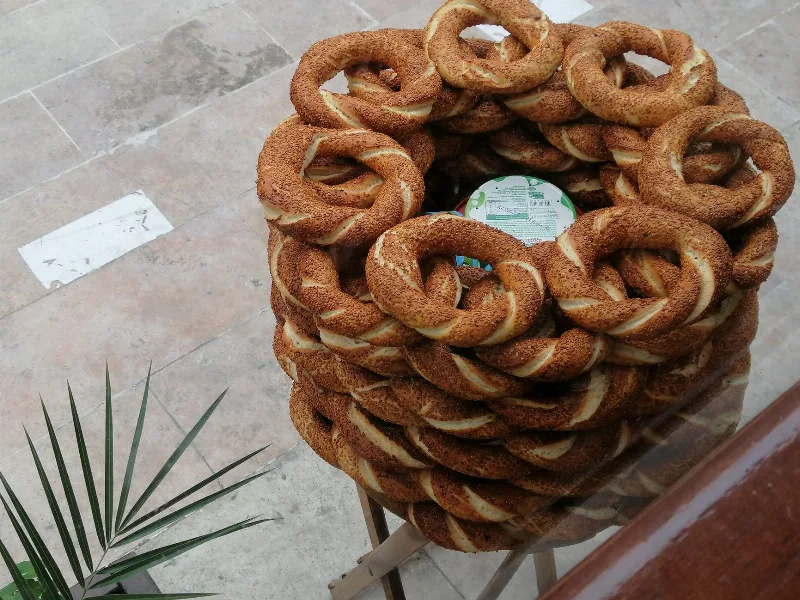
Simit
Simit is a ring-shaped Turkish bread covered in sesame seeds, strongly associated with Istanbul and sold as everyday street food. It is eaten fresh, most often with tea, and has a crisp crust around a chewy crumb.
Explore →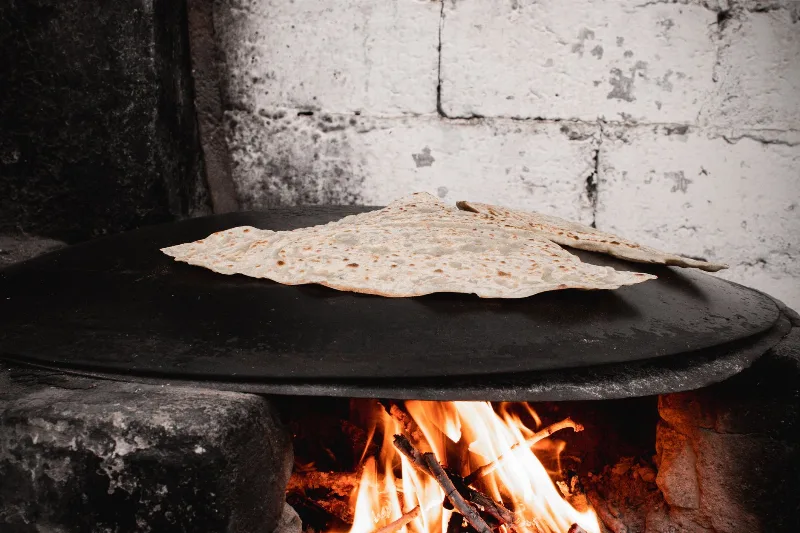
Bazlama
Bazlama is a soft, thick Turkish flatbread made from a leavened dough and cooked on a hot griddle. It is a staple of village baking across Anatolia, eaten warm with butter or used to wrap other foods.
Explore →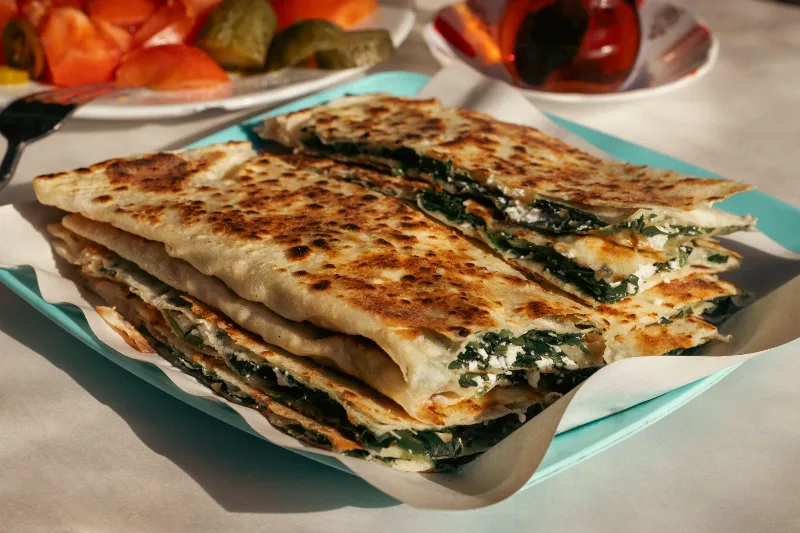
Gözleme
Gözleme is a thin, hand-rolled Anatolian flatbread folded around savory fillings such as cheese, spinach, or minced meat and cooked on a sac griddle. The article covers its regional variations, cooking method, texture, and traditional serving style.
Explore →Related content
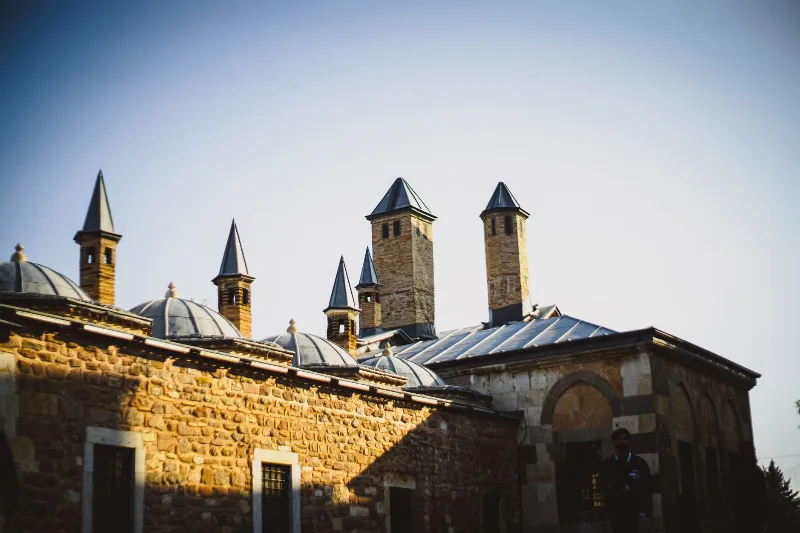
Konya
Konya is a city known for its spiritual essence and cultural heritage, home to the Mevlana Museum and the whirling dervishes.

Central Anatolia Region
Central Anatolia is the historic heartland of Türkiye, known for its wide plains, extraordinary rock formations, ancient civilizations and traditional towns. From the fairy chimneys of Cappadocia to the cultural landmarks of Ankara and Konya, the region reveals the rich history and natural beauty of inner Anatolia.

The Cultural Riches of Konya and the Whirling Dervishes
Discover the cultural heritage of Konya, home to the Whirling Dervishes, a city rich in history and spirituality.
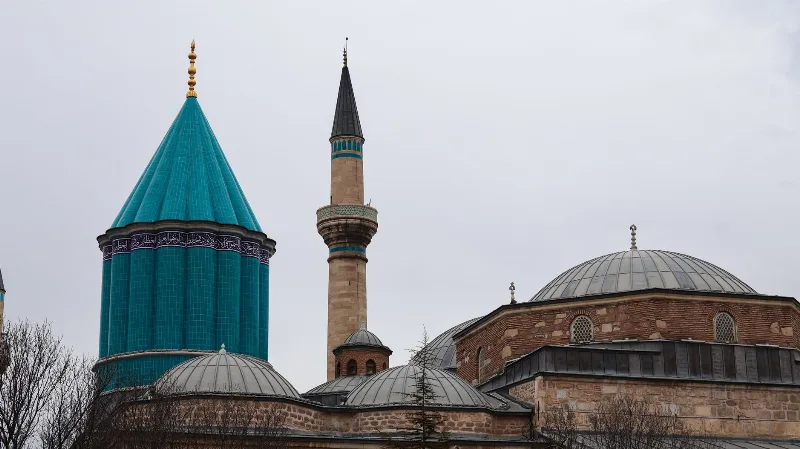
Konya and the Legacy of Rumi
Konya, a high-plateau city in central Türkiye, is closely tied to the life and writings of Rumi, the thirteenth-century poet and mystic. Its Seljuk architecture, Mevlevi traditions and local cuisine give the city a distinct cultural character.
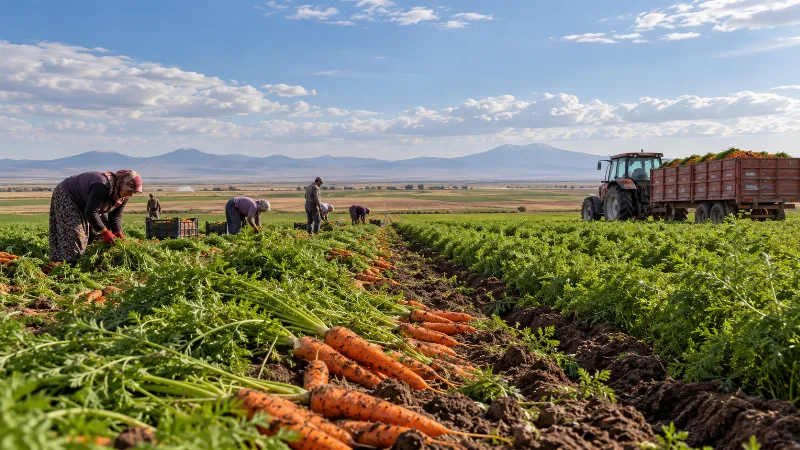
Konya Carrots
Konya carrots are grown on the irrigated plains of central Türkiye, where deep alluvial soils and a continental climate produce firm, sweet and crunchy roots.
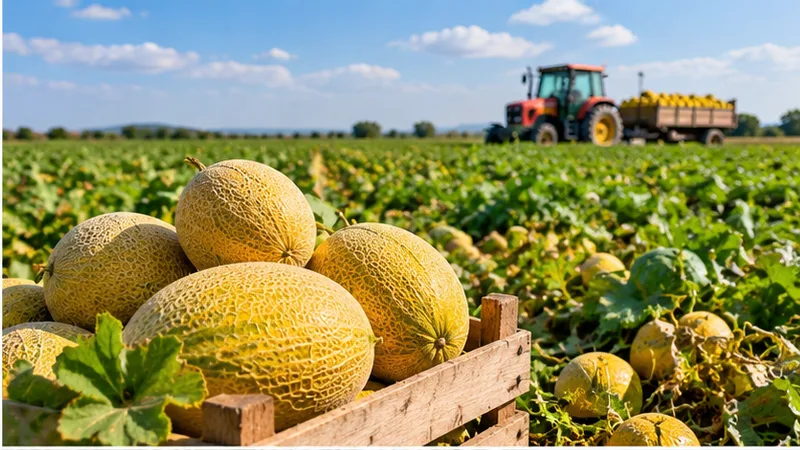
Melon Harvest in Konya
Konya's melon harvest normally takes place in August, when hot, dry summer conditions bring the fruit to peak sweetness. The timing can shift with weather, but the main harvest is a working agricultural season across the Konya Plain.