Balıkesir
Balıkesir is a large province in northwestern Türkiye extending between the Sea of Marmara and the Aegean Sea. Its inland administrative centre is distinct from its coastal districts, which include well-known seaside towns, islands and fishing settlements. The province brings together agricultural plains, wooded hills, historic communities and two coastlines, making its geography unusually varied.
Balıkesir is a large province in northwestern Türkiye extending between the Sea of Marmara and the Aegean Sea. Its inland administrative centre is distinct from its coastal districts, which include well-known seaside towns, islands and fishing settlements. The province brings together agricultural plains, wooded hills, historic communities and two coastlines, making its geography unusually varied.
Geography and Landscape
The province crosses an important transition between Marmara and Aegean landscapes. Inland fields and low mountains lead toward the Gulf of Edremit, while northern shores face the Sea of Marmara. Olive groves become particularly characteristic near the Aegean coast. Offshore, Avşa and Marmara islands form part of the province; coastal wetlands and forested slopes add further contrasts. Because the province reaches two different seas, its beach towns should not be treated as a single coastal destination. Northern Marmara districts have different ferry links and settlement patterns from the Aegean gulf, which is strongly identified with olive-growing landscapes.
History and Heritage
The wider area has been settled since antiquity and preserves traces of different Anatolian, Greek, Roman, Byzantine and Ottoman communities. Ancient sites in the province include the remains of Kyzikos near Erdek. Ottoman-era streets and traditional homes survive in several districts. The changing administrative and commercial importance of inland Balıkesir and its ports reflects the province's position between major sea routes. Traditional neighbourhoods and small ports are important complements to the better-known resort areas. In inland districts, farming and local commerce still define much of the landscape, reminding visitors that Balıkesir is both an agricultural province and a coastal one.
Places to Visit
Ayvalık and the nearby Cunda neighbourhood are known for stone buildings and coastal views. Edremit, Akçay and Altınoluk offer access to the northern Aegean coast and the foothills of Mount Ida, known locally as Kazdağları. Erdek faces the Sea of Marmara, while Bandırma is a major transport and port centre. The islands and smaller bays provide additional places to explore.
Local Culture and Cuisine
Olive cultivation and olive oil are central to the identity of many western districts. Inland farming, dairy products and local food traditions contribute to a broader provincial cuisine. Stone architecture and historic religious buildings give some coastal neighbourhoods a different appearance from the administrative centre. Fish markets, rural produce and weekly markets show how maritime and agricultural livelihoods coexist.
Climate and Seasons
Coastal Balıkesir generally experiences warm, dry summers and wetter winters, while higher inland areas are cooler and may see winter snowfall. The Aegean coast has a strong summer travel season, but spring and autumn offer a different perspective on olive groves and villages. The two coastal zones and the interior do not share identical weather, so conditions depend on the district.
Getting There and Around
Balıkesir is accessible by highway and rail, with Bandırma providing maritime links to the Istanbul area. Balıkesir Koca Seyit Airport serves the Edremit Gulf area subject to available services. Because attractions extend across a large province, journeys between Ayvalık, Erdek, inland Balıkesir and the islands take planning. Local roads and ferries connect many individual coastal communities.
Discover Food in Türkiye
All food →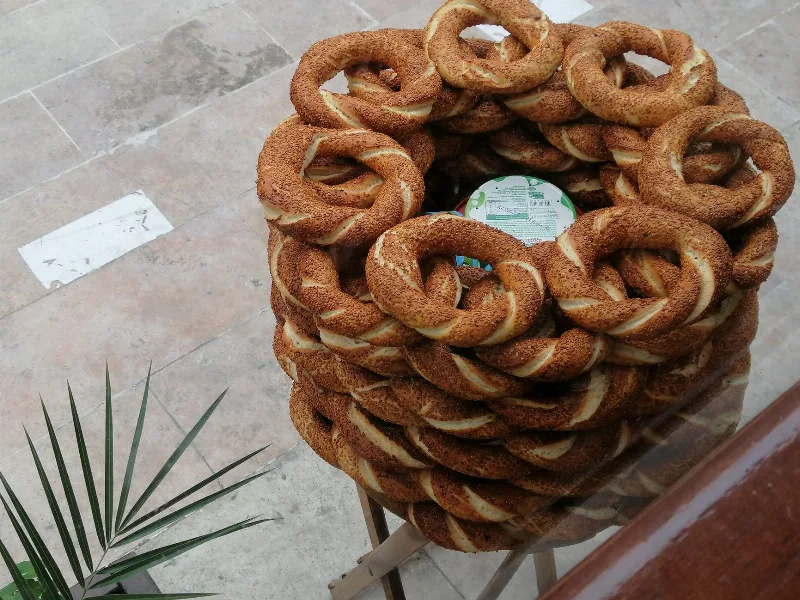
Simit
Simit is a ring-shaped Turkish bread covered in sesame seeds, strongly associated with Istanbul and sold as everyday street food. It is eaten fresh, most often with tea, and has a crisp crust around a chewy crumb.
Explore →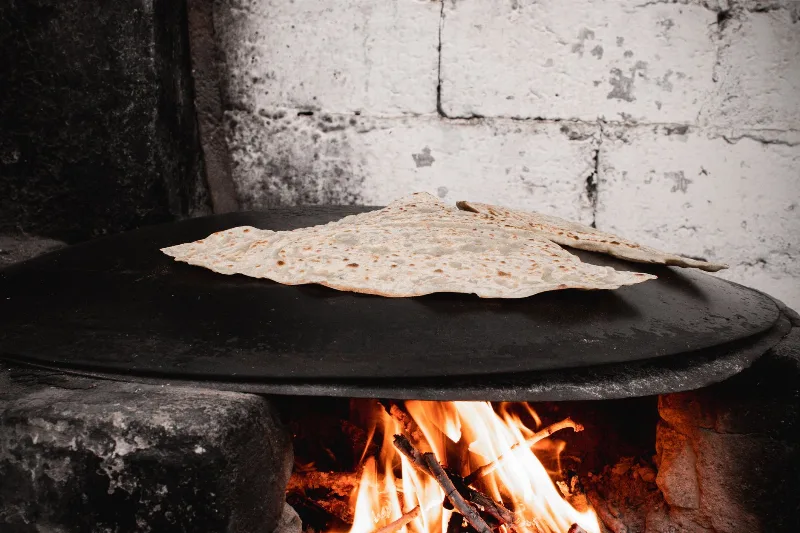
Bazlama
Bazlama is a soft, thick Turkish flatbread made from a leavened dough and cooked on a hot griddle. It is a staple of village baking across Anatolia, eaten warm with butter or used to wrap other foods.
Explore →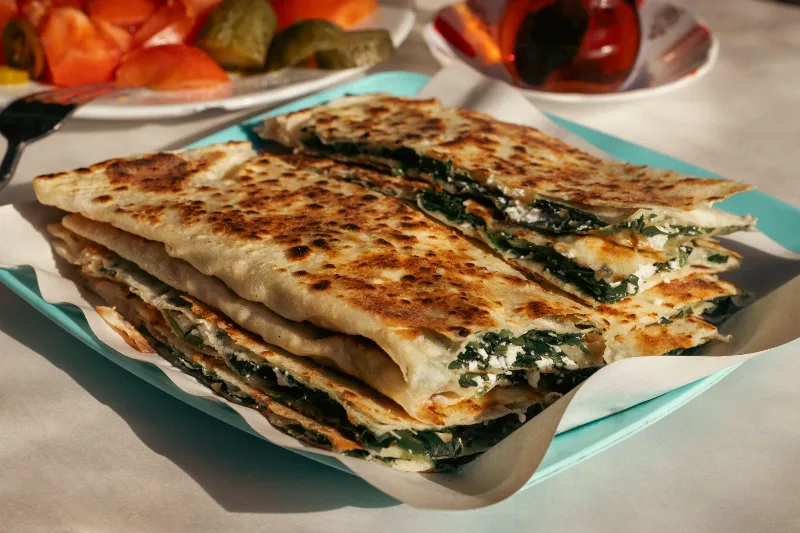
Gözleme
Gözleme is a thin, hand-rolled Anatolian flatbread folded around savory fillings such as cheese, spinach, or minced meat and cooked on a sac griddle. The article covers its regional variations, cooking method, texture, and traditional serving style.
Explore →Related content
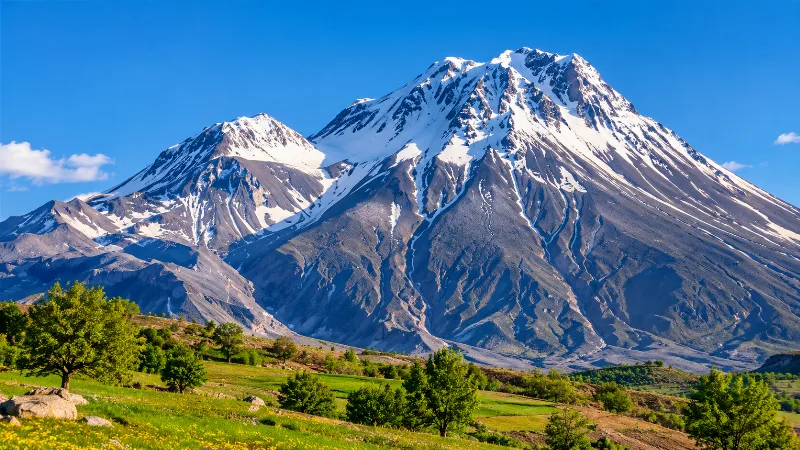
Mount Ida
Mount Ida, called Kaz Dağı in Turkish, is a forested massif in Balıkesir Province on the Biga Peninsula, rising from the Gulf of Edremit coast to a summit of about 1,774 metres and known for its endemic fir forest.
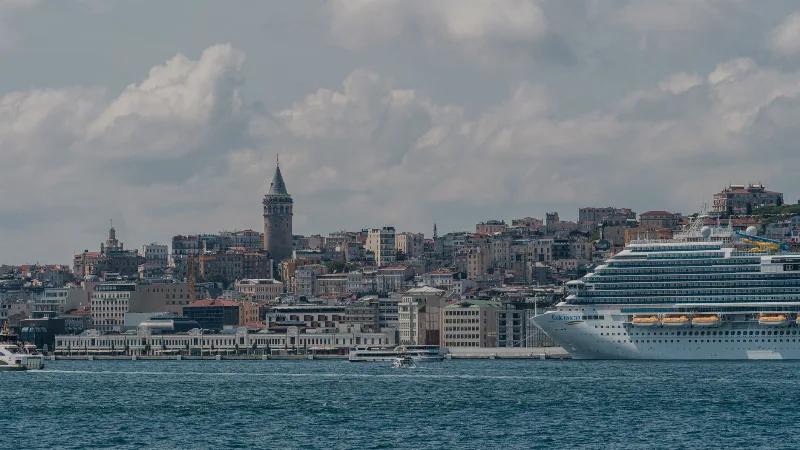
Istanbul
Istanbul is Türkiye's largest city and the country's only metropolis that spans two continents, divided by the Bosphorus strait into a European and an Asian half. Its long run as an imperial capital left a historic core of palaces, mosques and bazaars that still shapes the city's identity.
Kazdağı Fir Forests and Walking Trails in Balıkesir
Kazdağı rises above the Edremit Gulf in Balıkesir, its upper slopes clothed in a fir forest found nowhere else on earth. Waymarked paths lead from the foothill villages into cool, shaded woodland.
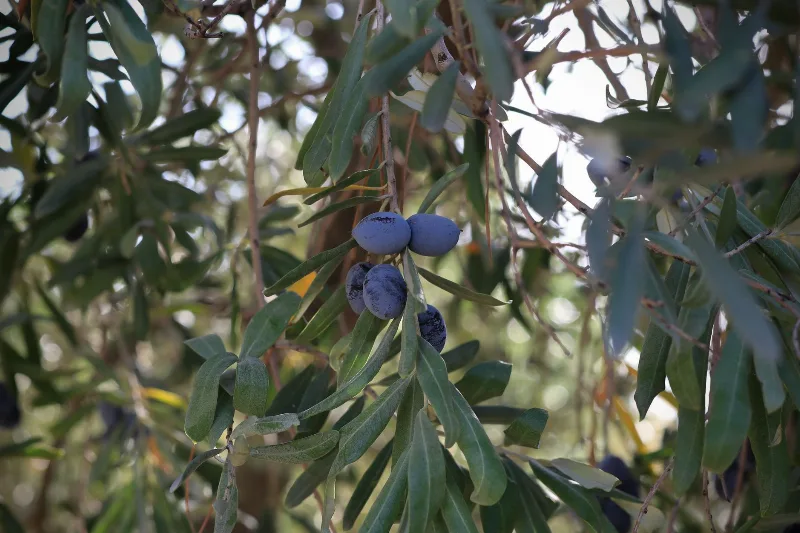
Edremit Olives
Edremit olives are grown around the Gulf of Edremit in Balıkesir province, western Türkiye, where a Mediterranean climate and a long olive-growing tradition produce both table olives and olive oil.
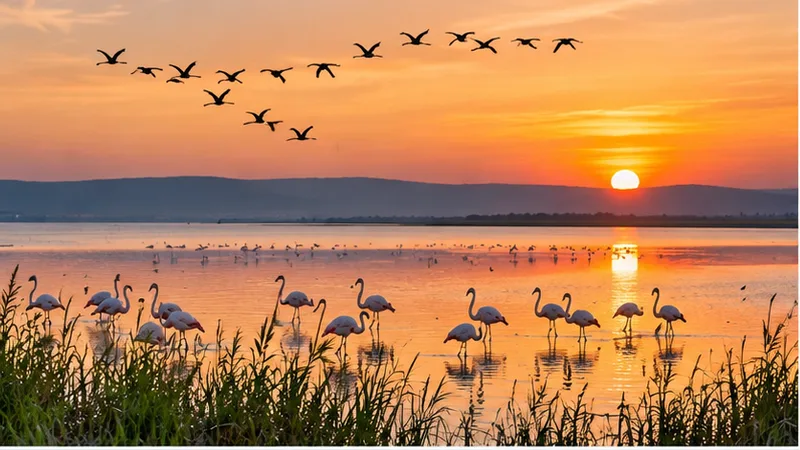
Bird Migration at Manyas Lake, Balıkesir
Manyas Lake in Balıkesir, known as Kuş Cenneti, hosts one of Türkiye's largest bird gatherings during the spring and autumn migrations. This guide explains when the movement normally peaks, what drives it and what visitors can realistically expect to see from the reserve's observation points.
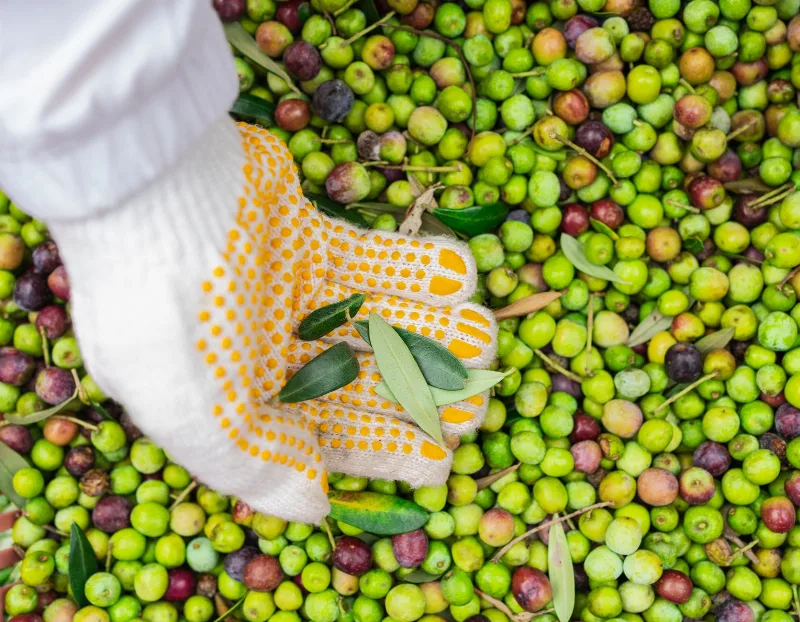
Olive Harvest in Ayvalık, Balıkesir
Each autumn, the olive groves around Ayvalık in Balıkesir turn from green to deep purple as the harvest season begins. Between October and November, growers pick the fruit and press it into one of Türkiye's most respected olive oils.