
Bozcaada Vineyards and the Island Wine Tradition
Bozcaada's vineyards are among the most distinctive in the Aegean, shaped by strong island winds, sandy soils and a handful of local grape varieties that support a long tradition of small-scale winemaking.
Bozcaada is a small island in the northern Aegean, administered by Çanakkale province and reached by ferry from the mainland coast. Beyond its harbour, stone streets and beaches, the island is above all a place of vines. Grape growing occupies a large share of its farmland, and the rhythm of the year — pruning, flowering, harvest, pressing — still structures much of island life. The Bozcaada vineyards and the wine tradition that grew around them are the clearest expression of the island's character: modest in scale, closely tied to families and to the land, and adapted over centuries to a difficult but generous climate.
An Island Climate That Shapes the Vines
Bozcaada lies at the entrance to the Dardanelles, exposed on almost every side to the sea. Summers are hot and dry, winters mild and windy, and the prevailing poyraz — a steady north-easterly wind — sweeps across the island for much of the year. Rainfall is limited and water has always been precious, which is one reason why the island's agriculture developed around drought-tolerant crops such as grapes, olives and figs.
The soils are a mixture of sand, limestone and weathered rock, often thin and quick-draining. Vines are therefore trained low and pruned hard, forming small bushes close to the ground rather than tall trellises. This old method protects the fruit from wind and reduces the vine's demand for water. The sandy composition of many plots has also helped a number of vineyards remain on their own roots, giving the island a stock of old, ungrafted vines that is increasingly rare elsewhere.
Local Grape Varieties of Bozcaada
The island's wine identity rests on a small group of local varieties. Kuntra is the most widely planted red grape, producing wines with dark fruit, freshness and a firm structure. Karalahna, a deeply coloured red variety, is often blended with Kuntra and adds depth and spice. Among the whites, Vasilaki is the best known, giving light, aromatic wines with citrus and herbal notes that suit the island's seafood.
Alongside these wine grapes, islanders grow table varieties for eating fresh and for drying. Some plots contain a mix of varieties, a practical arrangement that spreads the harvest over several weeks and reduces the risk of losing an entire crop to a single spell of bad weather.
Viticulture Rooted in Family Plots
Bozcaada's vineyards are small and often irregular in shape, divided by low stone walls, dirt tracks and stands of fig and olive trees. There are no large estates in the mainland sense; most plots are worked by families who may also keep a few animals, a vegetable garden and a boat. This pattern of mixed, small-scale farming has kept the landscape varied and has allowed traditional techniques to survive.
Harvest usually begins in late August and continues into September, depending on the variety and the year. Picking is done by hand, and the grape harvest remains a social occasion, bringing together neighbours and relatives who return to the island for the season. Grapes destined for wine are taken quickly to small presses, while the best table fruit is packed for sale in mainland markets.
Small-Scale Winemaking on the Island
Wine has been made on Bozcaada for centuries, and the island's mixed Greek and Turkish heritage is closely connected with that tradition. In the past, most households pressed their own grapes for household consumption; today a number of small wineries continue the practice commercially, producing limited quantities from island fruit.
Production methods range from the traditional to the modern. Some winemakers ferment in open vessels and age wine in old oak or in amphora-style containers, while others use temperature-controlled stainless steel to preserve the aromatics of Vasilaki and the freshness of Kuntra. What the wines share is an unmistakably island character: moderate alcohol, bright acidity and a savoury, saline quality that reflects wind, salt spray and lean soils.
Wine, Food and Everyday Island Life
On Bozcaada, wine is not a separate subject but part of the table. Island restaurants serve local bottles beside grilled fish, octopus, wild greens, sheep's cheese and the island's well-known tomatoes, and a glass of Kuntra or Vasilaki is treated as a natural accompaniment rather than a special occasion. Small shops sell wine alongside olive oil, honey and preserves.
The grape harvest gives the island its most distinctive seasonal atmosphere, when the lanes fill with crates and the smell of must drifts from courtyards. Vineyard houses — simple stone buildings used during the growing season — dot the interior, and many visitors walk or cycle the quiet paths that link them.
Vineyards in the Island Landscape
Away from the harbour, the interior of Bozcaada is a patchwork of low green rows, dry stone boundaries, windmills and open ground rolling towards the sea. The vineyards are not fenced or formal; they blend into the island's scrub, sandy coves and rocky headlands, so that a walk across Bozcaada is also a walk through its agricultural history.
For travellers interested in how a place tastes and how it is made, the island offers an unusually direct connection between landscape and glass. The survival of Kuntra, Karalahna and Vasilaki, and the persistence of family-scale winemaking, keep Bozcaada's vineyard tradition alive as a working part of island life rather than a memory.
Related content
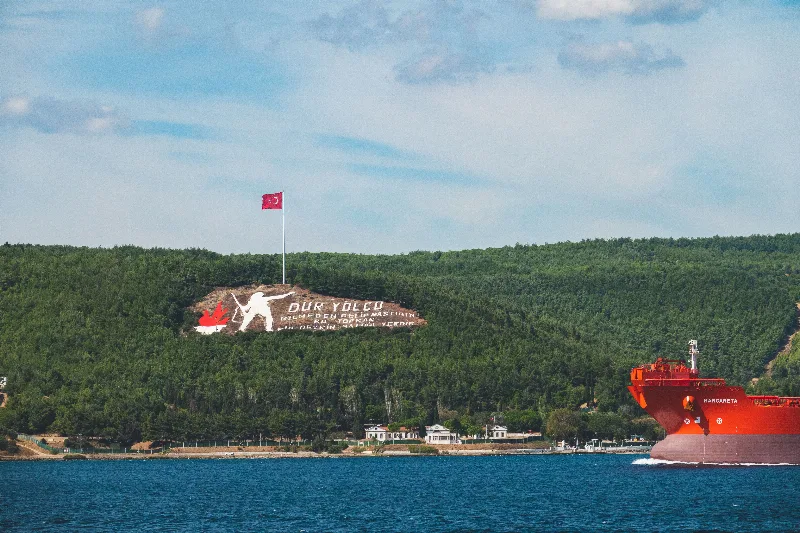
Çanakkale
Çanakkale is a northwestern Turkish city on the Asian shore of the Dardanelles, the strait separating Europe from Asia. It is the administrative centre of a province that includes the Gallipoli battlefields and the archaeological site of Troy.
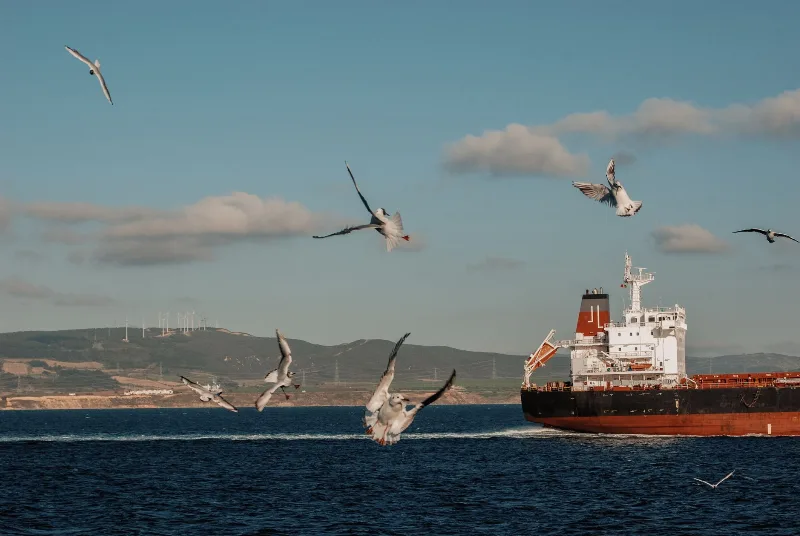
Çanakkale and the Dardanelles Strait
A short guide to Çanakkale and the Dardanelles Strait, covering the geography, ancient sites, island villages and local food of northwestern Türkiye.
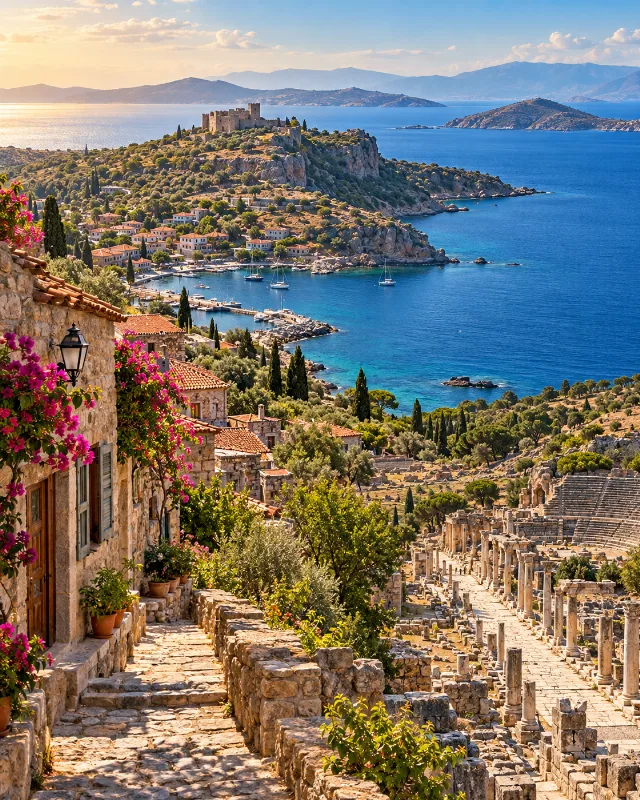
7-Day North Aegean to Ephesus Route
A seven-day southbound route through Troy, Assos, Bozcaada, Ayvalık, Bergama, İzmir and Ephesus, combining archaeology, coastal towns and Aegean culture.
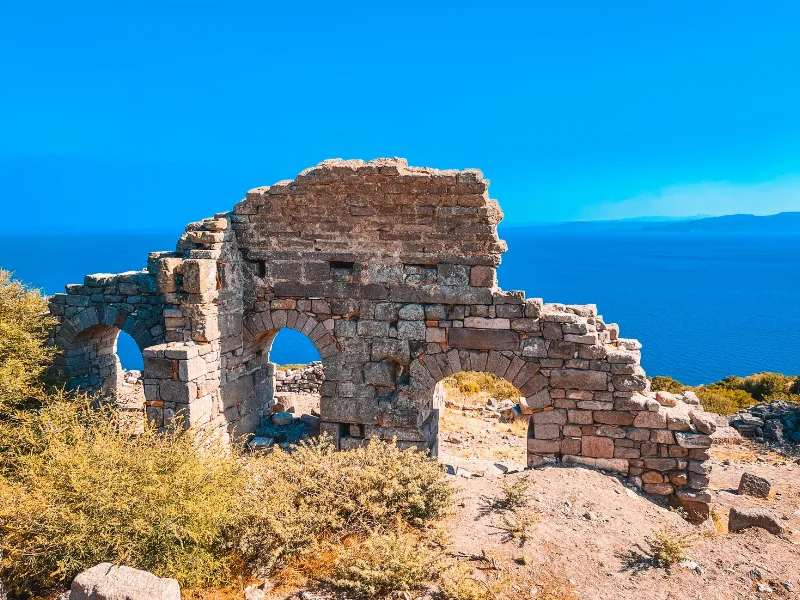
3-Day Assos and Troy Route
A three-day route through Turkey's Troad region, starting in Çanakkale and finishing at the clifftop village and ancient harbour of Assos, with Troy and the lesser-known classical ruins in between.
Ancient Archaeological Sites of Troy
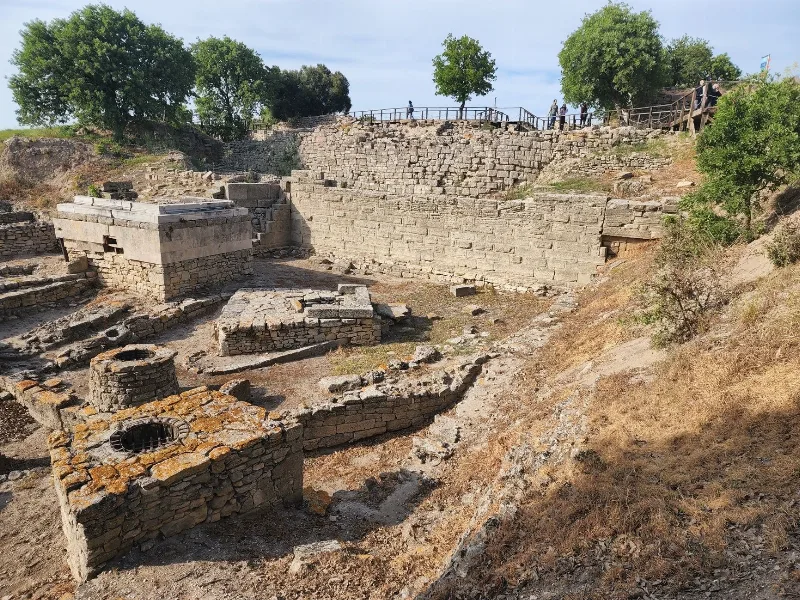
The archaeological site of Troy near Çanakkale reveals nine settlement layers, Bronze Age defences and a story that links Anatolia's real past with Homeric legend.
Akvaryum
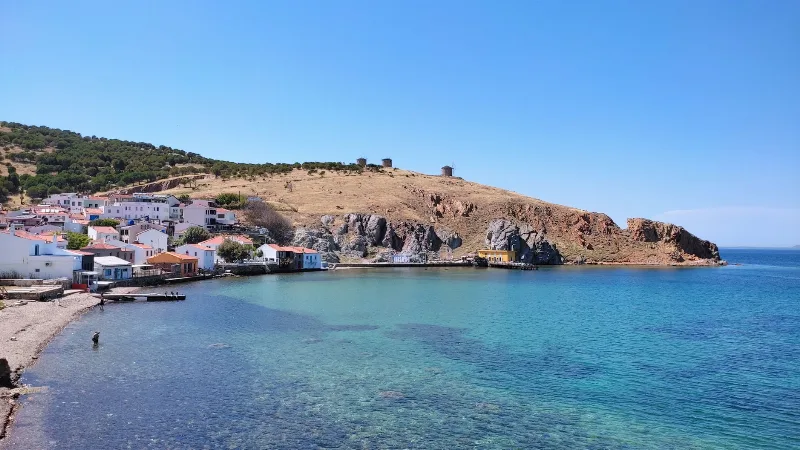
Akvaryum is a small south-facing inlet on the southern shore of Bozcaada, Türkiye, known for exceptionally transparent water, boulders, pebbles and a seabed that stays visible far from the shore.
3-Day Çanakkale and Gallipoli Route
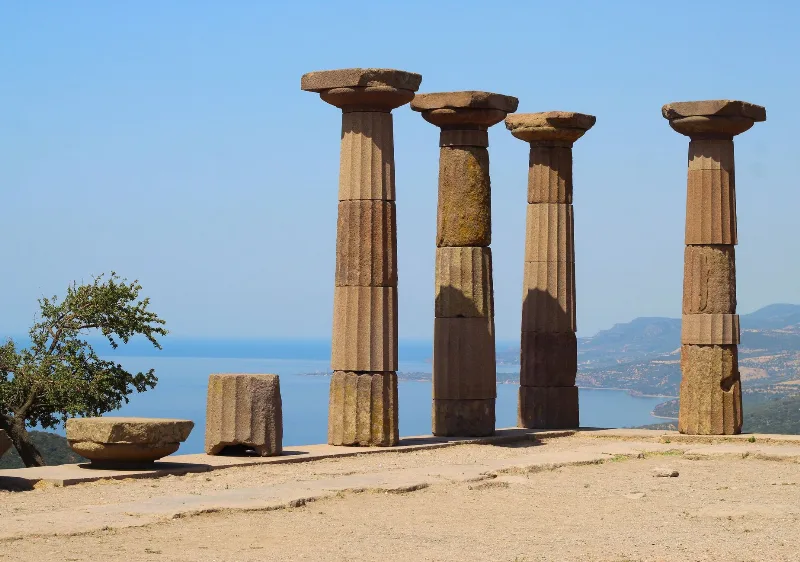
A three-day route based in Çanakkale that pairs the memorial landscapes of the Gallipoli Peninsula with the archaeological site of Troy and the southern Troad coast around Assos, using the Dardanelles ferry crossings as the link between two shores.
The Lush Olive Groves of Aegean Türkiye
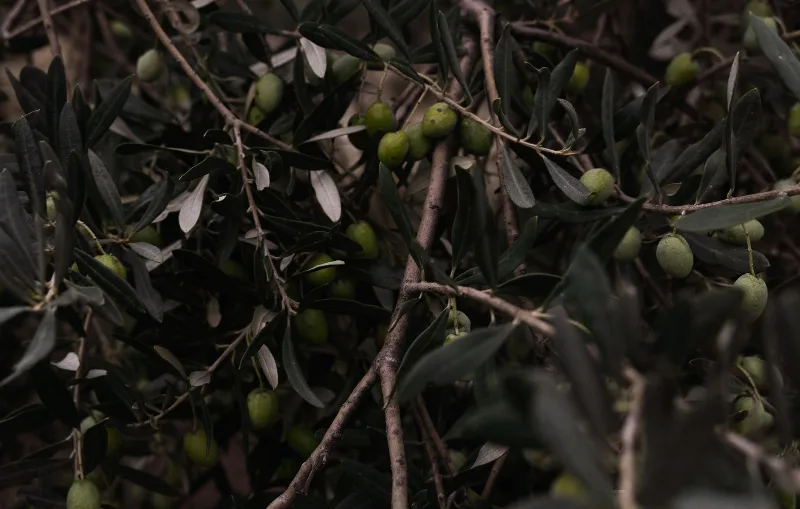
Silver-green groves stretch along the Aegean coast of Türkiye, shaping the region's landscape, cuisine and seasonal traditions from Ayvalık to Bodrum.