
Yalıboyu Houses and Riverfront Architecture in Amasya
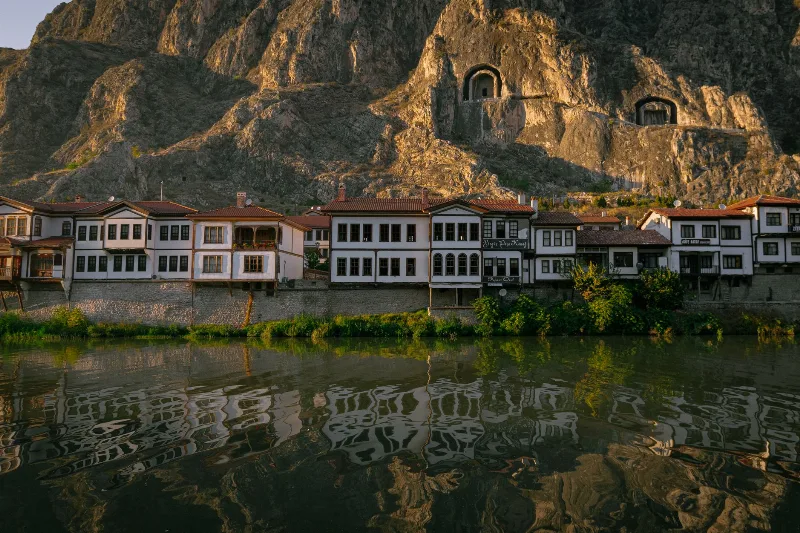
A row of Ottoman houses lines the Yeşilırmak in Amasya, where stone lower storeys and projecting timber upper floors have shaped the town's riverside character for generations.
The Yalıboyu district of Amasya follows the southern bank of the Yeşilırmak, where an almost continuous terrace of Ottoman houses faces the water. Their upper storeys are timber-framed and project outwards, while their lower storeys are built of stone; the combination of the two gives the waterfront its distinctive profile of white walls, dark wood and shallow tiled roofs above a green river. The name Yalıboyu means "the riverside", and it describes both the neighbourhood and the kind of architecture found there: domestic buildings made to stand beside flowing water, to open towards it and to make use of its light and breezes.
A valley town shaped by its river
Amasya sits in a narrow valley in the Central Black Sea region of Türkiye, pressed between the rocky slopes of Mount Harşena to the north and gentler hills to the south. The Yeşilırmak, the "Green River", runs through the middle of the town, and for centuries it has determined where people built and how. The riverside was the most desirable ground: close to the bridges, the market and the mosques, with gardens running down to the water and orchards spreading out beyond the built-up area. The Yalıboyu row developed as a comfortable residential quarter, its houses turned towards the river rather than away from it.
Yalıboyu houses: stone below, timber above
The construction of a Yalıboyu house follows a pattern seen across much of Ottoman Anatolia, adapted here to the riverside setting. The ground floor is normally built of coursed stone, with thick walls, few and small windows, and a plain, robust finish; it provided storage, service rooms and, in some houses, stabling, and its solidity also gave protection when the river rose in spring. Above this base, the building changes character. The upper floors are timber-framed, with the spaces between the beams filled with brick or adobe and finished with plaster, often whitewashed. Because the frame is comparatively light, these floors can be carried outwards beyond the wall line, creating the projecting bays known as cumbas, supported on carved wooden brackets. The effect is a house that seems to lean gently over the street or the water, and the row of such projections along the riverbank is what most visitors remember.
Rooms arranged around a sofa
Inside, the plan is equally characteristic. Rooms are grouped around a central hall, the sofa, which acts as circulation space and as a place to sit in warm weather; in larger houses it may run the full length of the building, with windows at each end. The main reception room, the divanhane, is usually the most carefully finished, with a decorated wooden ceiling, built-in cupboards set into the walls, niches for lamps and bedding, and a hearth. Windows are arranged on three sides of the projecting bay so that the room catches light through the day and looks directly over the Yeşilırmak. This arrangement is practical as well as attractive: cross-ventilation keeps the upper floors cool in summer, and the overhanging bay shades the wall beneath it.
Restoration and the modern waterfront
Many of the Yalıboyu houses were repaired or restored during the later twentieth century, and the row is now protected as part of the town's historic fabric. The Hazeranlar Konağı, a substantial nineteenth-century mansion on the riverfront, is among the best known and is used for cultural purposes, while several other houses have been adapted as small museums or community spaces. The embankment in front of them has been laid out as a promenade, planted with trees and used for evening walks, and the reflections of the facades in the water are a familiar subject for photographers. Behind the riverfront, narrow streets climb towards the older commercial quarter.
The wider setting
The neighbourhood is best understood as part of a larger historic landscape. Above the houses, the cliffs of Harşena contain the rock-cut tombs of the kings of Pontus, carved directly into the limestone and visible from much of the town. Stone bridges cross the Yeşilırmak at several points, and the mosques, medreses and hans of the centre stand within easy walking distance of the river. The valley itself is known for fruit growing, particularly apples, and orchards still surround the town. Taken together, the river, the rock-cut tombs and the timber-and-stone houses give Amasya a coherence rare among Anatolian towns, and the Yalıboyu row remains its clearest expression in built form.
Related content
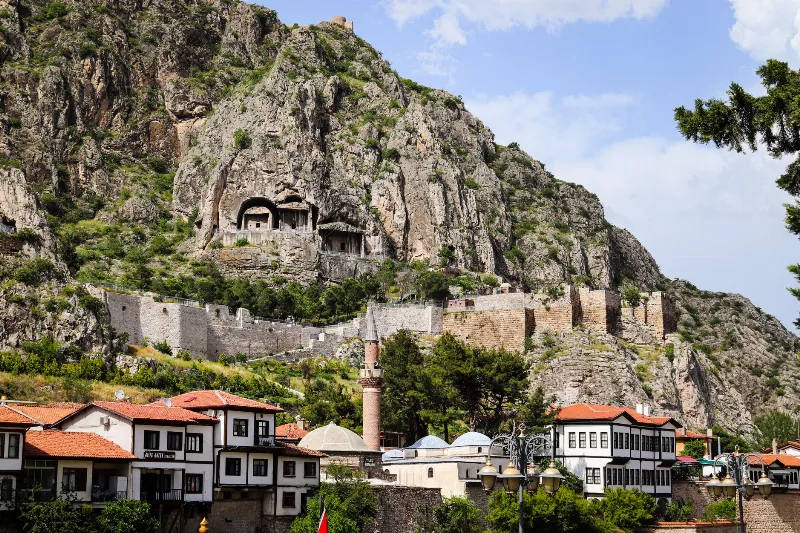
Amasya
Amasya is a river city in the interior of Türkiye's Black Sea region, where Pontic rock tombs, Ottoman riverside mansions and apple orchards sit along the narrow valley of the Yeşilırmak.
Amasya's Ottoman Houses
Amasya, set in a river valley in Türkiye's Black Sea region, preserves a remarkable row of Ottoman-era houses along the Yeşilırmak River. Their timber bay windows, courtyards and whitewashed façades reveal how a prosperous Anatolian town once lived.
The Timeless Beauty of Amasya's Ottoman Houses
A look at the historic Ottoman houses of Amasya in northern Türkiye, from their riverside setting and timber construction to the gardens and rooms that shaped daily life along the Yeşilırmak.
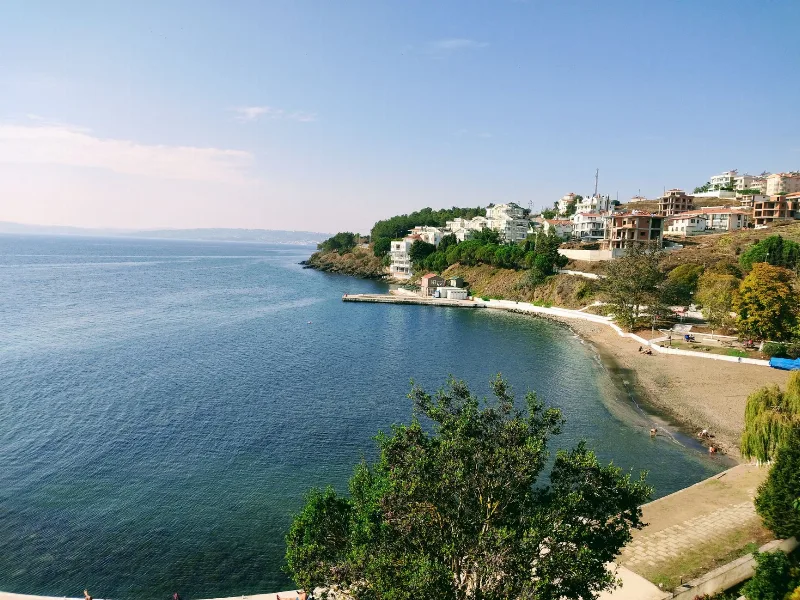
5-Day Black Sea Coast Route
A five-day linear journey along Türkiye's central and eastern Black Sea coast, from Sinop to Trabzon, with an inland detour to Amasya and stops in Ordu and Giresun along the way.
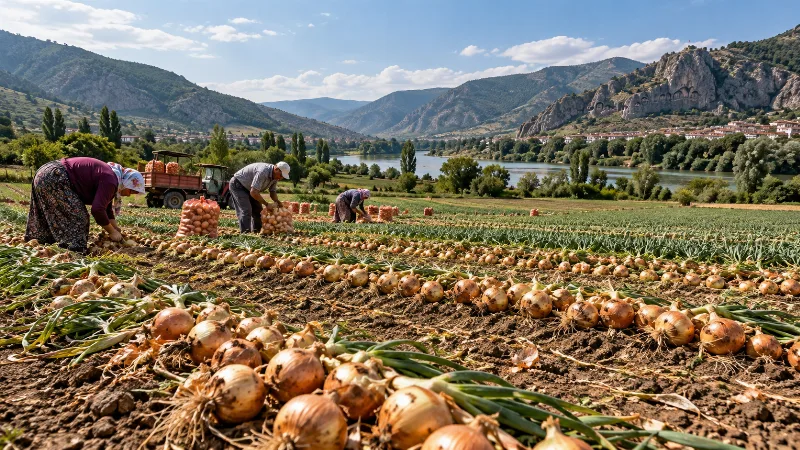
Amasya Onions
Amasya onions are a pungent, long-keeping onion variety tied to the plains and river valleys of Amasya province in northern Türkiye. The region's transitional climate and fertile alluvial soils give the crop its firm bulbs and storage quality.

Amasya Apples
Amasya apples are apples grown in the sheltered river valleys of Amasya province in northern Türkiye, where cold winters and warm summers shape fruit known for its firm, crisp bite and balanced sweet-tart flavour.
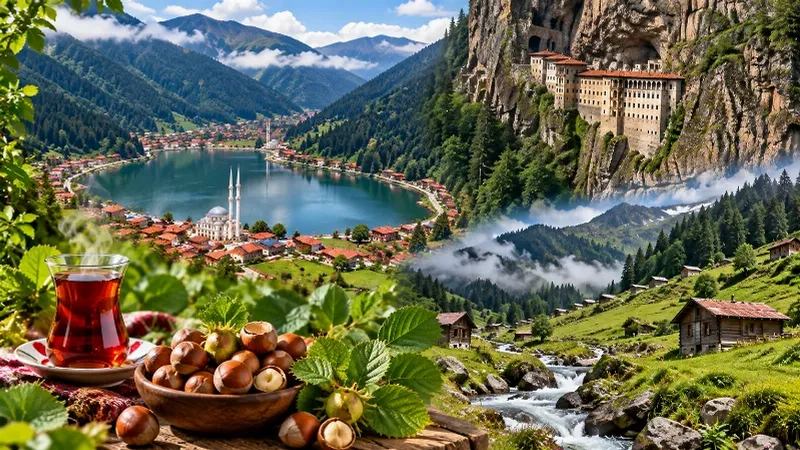
Black Sea Region
The Black Sea Region of Türkiye is known for its lush green mountains, misty highlands, dense forests and traditional villages. Stretching along the country's northern coast, the region combines spectacular natural scenery with historic towns, tea-growing landscapes and distinctive local traditions.
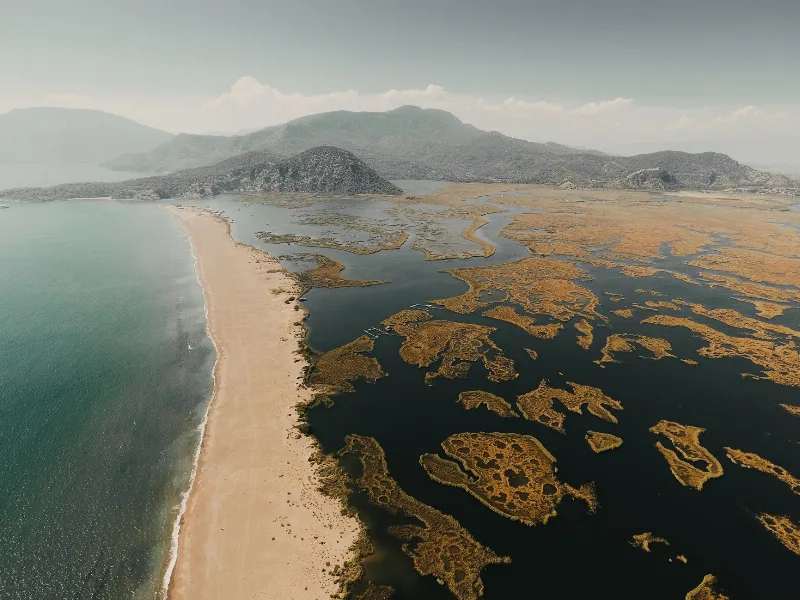
4-Day Marmaris and Dalyan Route
A four-day linear route that starts in Marmaris, crosses the Gulf of Gökova and Lake Köyceğiz, and ends around the river, rock tombs and turtle beach of Dalyan.