Savur
Savur’s terraced stone houses and historic streets rise above a valley in Mardin province, showing the regional architecture of southeastern Anatolia.
Savur’s terraced stone houses and historic streets rise above a valley in Mardin province, showing the regional architecture of southeastern Anatolia.
An upland town in Mardin
Savur is a historic district town in Mardin province, with old houses arranged across sloping ground above a valley. Its setting differs from the broad plateau views often associated with Mardin city. The town’s traditional building fabric follows the hillside, creating terraced rooflines and narrow pedestrian connections. This arrangement reflects the limits and opportunities of the terrain, and it gives Savur a strong identity of its own.
Local stone and terraces
Traditional houses make extensive use of stone, with walls, doorways and courtyards that respond to the regional climate. Building levels overlap along the slope, so roofs and terraces become important elements of the street scene. The appearance changes considerably from one viewpoint to another: close views emphasise masonry and entrances, while distant views show the whole settlement rising in layers.
A layered cultural past
Savur belongs to a region long shaped by different languages, communities and religious traditions. Its heritage reflects the wider cultural diversity of southeastern Anatolia. Religious structures, domestic buildings and old street patterns each contribute to that history. Avoiding a single simplified narrative is important: the town’s identity developed gradually through the lives of communities sharing the surrounding landscape. Stone building traditions in Savur have a strong relationship to heat, shade and the topography of the valley. Narrow streets and enclosed courtyards create transitions between public and domestic space. These practical features also contribute to the settlement’s visual appeal, making everyday buildings as meaningful as more prominent structures.
The valley and rural surroundings
The terrain around Savur includes valleys, rocky slopes and cultivated land. The changing altitude and vegetation create a transition between the dense old settlement and the countryside. Views from outside the town reveal how the buildings follow the hillside in a compact group. The wider district contains small rural communities whose landscapes and architectural details differ from those of the town centre.
Visiting Savur
Savur is accessible by regional roads within Mardin province. Walking through the historical streets allows closer attention to stonework, doorways and changes in elevation. Some buildings are private homes, so a respectful approach is essential. Spring and autumn generally offer better conditions for exploring on foot than the hottest parts of summer. A visit can complement time in Mardin without assuming the two historic centres are architecturally identical.
From the land
Find All →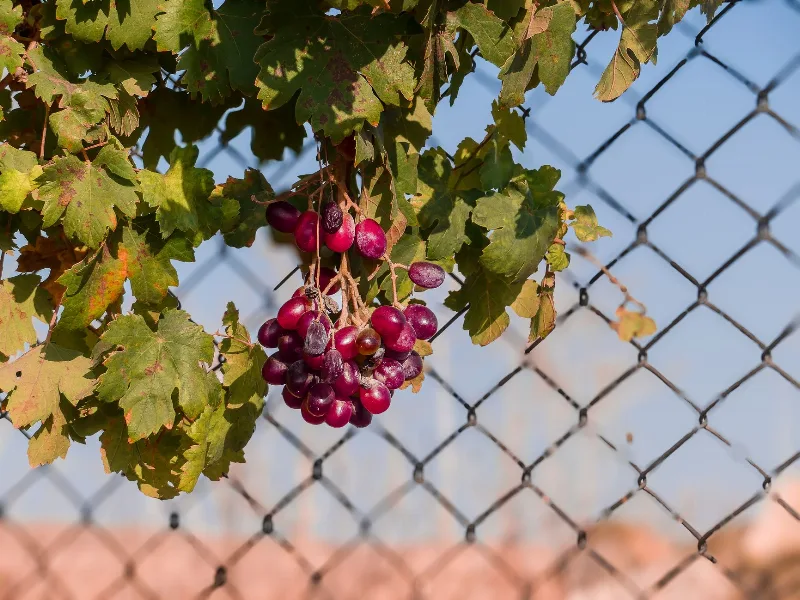
Çal Grapes
Çal grapes come from an elevated plateau in Denizli Province, where stony soils, wide day–night temperature swings and a long vineyard tradition shape both table fruit and wine grapes.
Explore →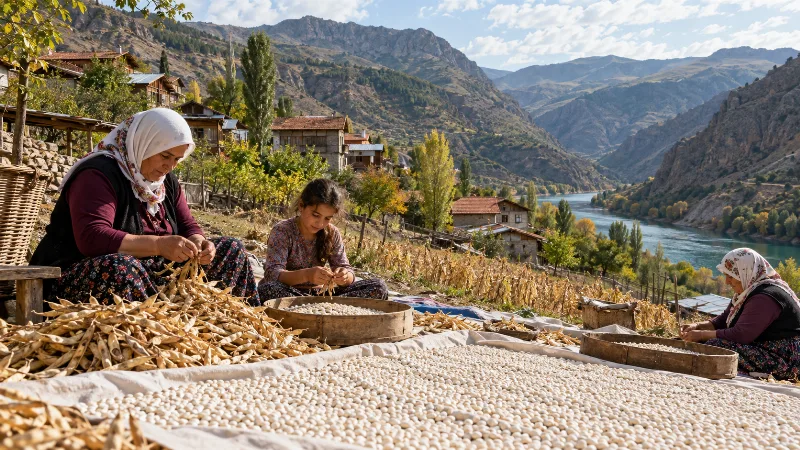
İspir Beans
İspir beans are dried beans grown in the high Çoruh valley of Erzurum province, where cold nights and a short growing season give them a firm texture and earthy flavour prized in Turkish home cooking.
Explore →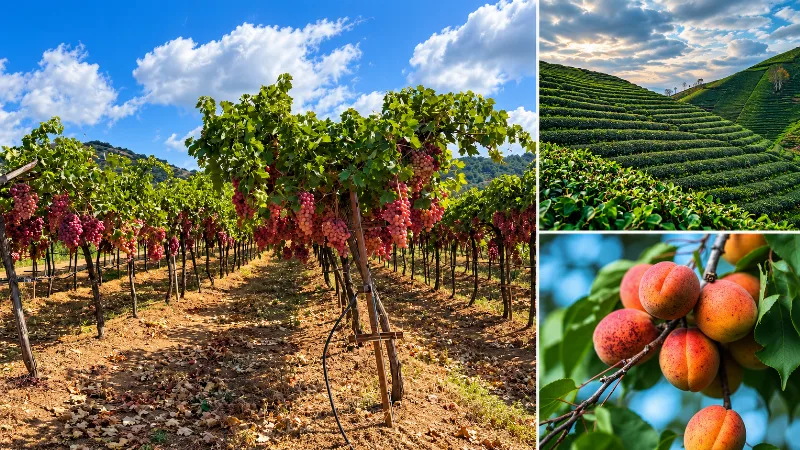
Malatya Apricots
Malatya apricots are the apricots grown in the upper Euphrates basin of eastern Türkiye, where cold winters and hot, dry summers shape the fruit that is mostly dried and traded far beyond the province.
Explore →Related content
Mardin
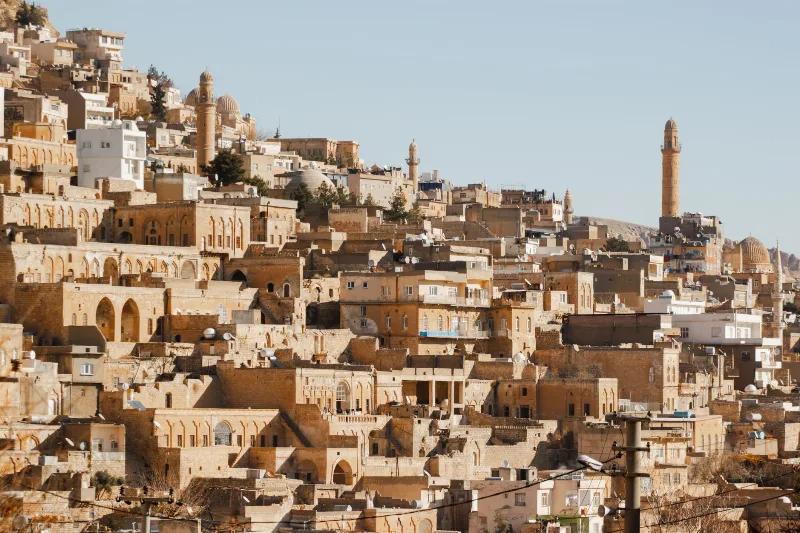
Mardin is a historic city in southeastern Türkiye, built on a rocky hillside above the Mesopotamian plain and known for its honey-coloured stone architecture and Syriac Christian heritage.
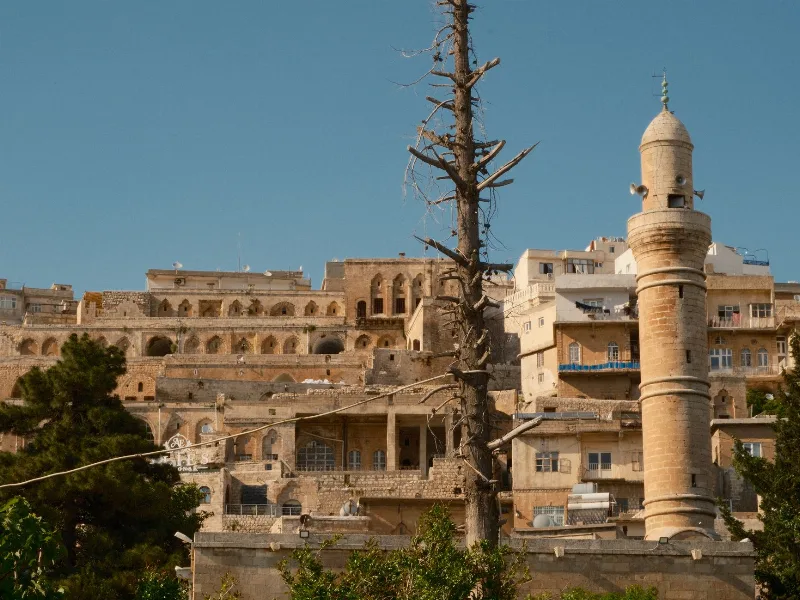
The Architectural Wonders of Mardin
Mardin showcases a blend of ancient architectural styles and natural landscapes, reflecting its rich history and cultural heritage.
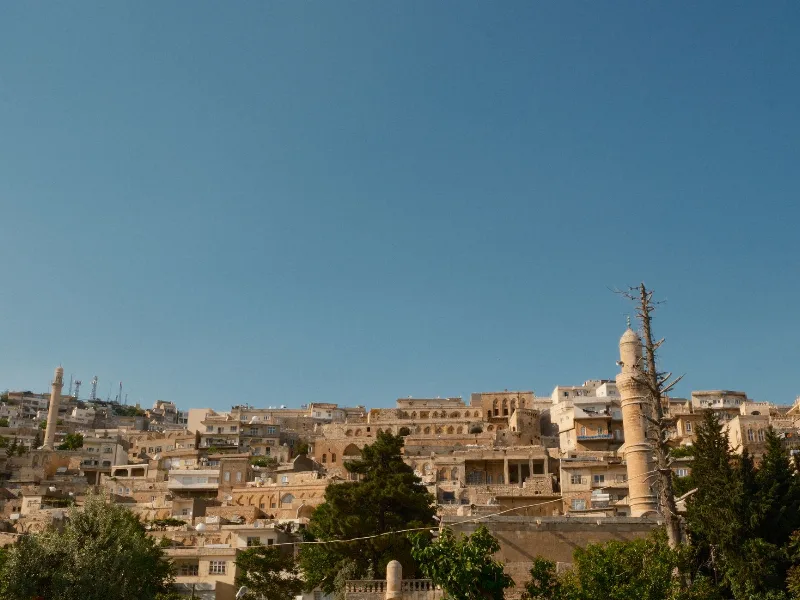
Mardin's Stone Architecture
Mardin is a historic city in southeastern Türkiye where honey-coloured limestone shapes houses, arcades and terraces across a hillside above the Mesopotamian plain.
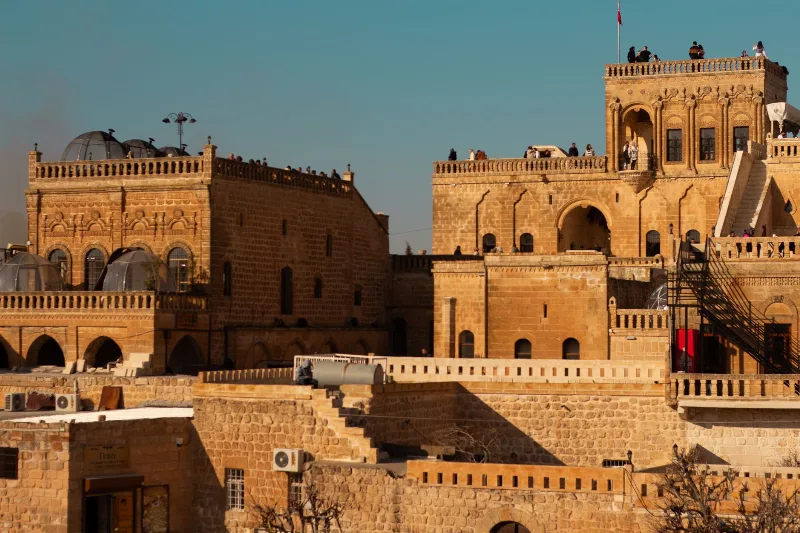
3-Day Mardin and Midyat Route
Explore the stone architecture of Mardin's old city and the historic monasteries of Midyat on this 3-day route through southeast Türkiye. The itinerary starts in Mardin, travels east to Midyat, and visits Deyrulzafaran and Mor Gabriel monasteries.
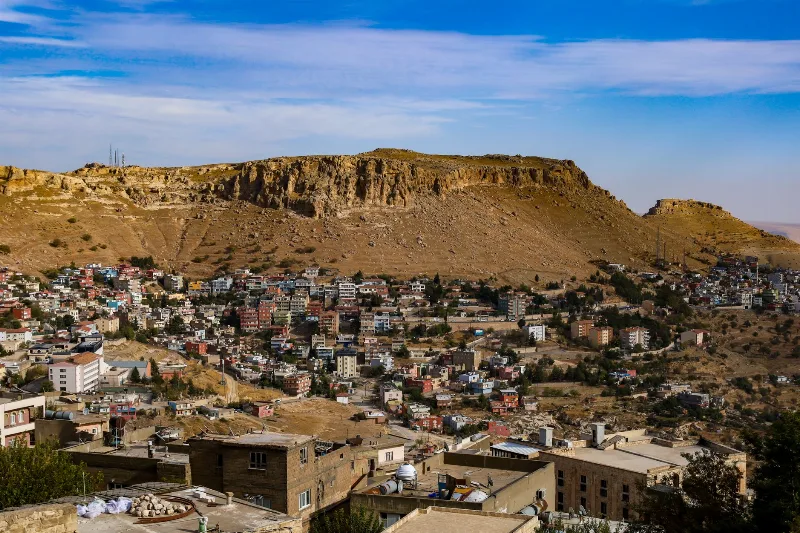
Ottoman Architecture of Mardin
Mardin's historic centre shows how Ottoman design merged with local stone-building traditions in south-eastern Türkiye. Its domes, minarets, hans and courtyard houses form a distinctive urban landscape.
4-Day Southeastern Anatolia Route: Gaziantep to Mardin via Şanlıurfa
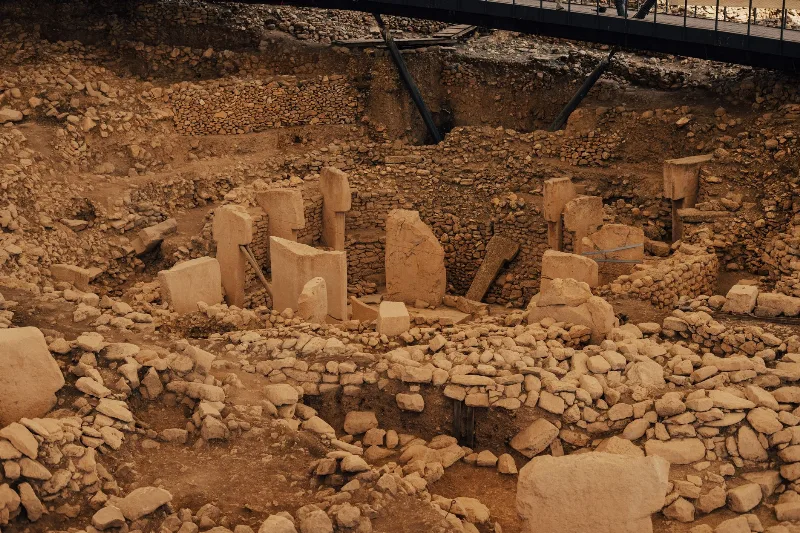
A four-day linear route across Southeastern Anatolia, linking the historic cities of Gaziantep, Şanlıurfa and Mardin by road, with the Neolithic site of Göbeklitepe and the ancient settlement of Harran fitted into the middle of the journey.