
İspir Beans
İspir beans are dried beans grown in the high Çoruh valley of Erzurum province, where cold nights and a short growing season give them a firm texture and earthy flavour prized in Turkish home cooking.
İspir beans are the mature, dried seeds of the common bean plant, Phaseolus vulgaris, grown in and around the İspir district of Erzurum province in eastern Türkiye. İspir sits in the valley of the Çoruh River, where village households have long treated beans as a staple field crop, harvested in late summer and stored dry for the long winter. The district's elevation, its cold continental winters, the short frost-free season and the meltwater-fed soils of the valley floor are the conditions most often linked to the firm texture and full, earthy flavour that have earned the local crop a recognised name among Turkish dried beans.
Where İspir Beans Grow
The crop is tied above all to İspir, the northern district of Erzurum province, and to the villages scattered along the Çoruh valley and its smaller side valleys. Fields here are small and often worked in terraces or on gently sloping valley floors rather than in the broad open plains typical of other parts of Erzurum. Beans are grown both as a household crop, for the family storeroom, and as a cash crop sold beyond the district. The same kind of cultivation continues in neighbouring districts of Erzurum and along the upper Çoruh corridor, but the strongest association, and the name most used by buyers and cooks, remains İspir itself. The town of İspir is the natural reference point for anyone tracing where the beans come from, with the surrounding villages forming the actual growing area.
Why the Valley Climate Suits Bean Cultivation
Eastern Anatolia is a harsh agricultural environment by Turkish standards: winters are long and very cold, spring arrives late and autumn frosts can come early. Beans are not a crop of extreme heat, and they suffer in prolonged drought, so a place that offers reliable moisture and moderate summer warmth is well matched to them. The Çoruh valley provides both. Snow that accumulates on the surrounding high ground feeds streams and irrigation channels through the growing season, and the valley floor holds enough soil moisture to carry the plants through dry spells.
Elevation plays a role as well. Cool nights and a wide difference between daytime and nighttime temperatures are commonly cited by growers in the region as factors that slow the plants' development, allowing the pods to fill gradually rather than ripening too fast in the heat. The dry, sunny autumn that follows is equally important: it lets the crop dry in the field instead of spoiling, which is essential for a product that must be stored for months. Because the bean is a legume, it also fits the local rotation, fixing nitrogen in the soil and leaving the ground in better condition for the cereals and fodder crops grown alongside it.
The Plant and Its Growing Cycle
İspir beans come from the same species as almost all dried beans eaten in Türkiye, but the local populations have been selected over generations for the conditions of the valley. Sowing takes place in spring, once the risk of late frost has passed, usually in prepared, well-drained ground. The plants establish through early summer, flower, and then set pods that lengthen and fill as the season progresses. Because the valley's growing window is limited, the types grown here are the drying beans that are left on the plant until the pods and seeds are fully mature, rather than types picked young and green for fresh use. By late summer and early autumn the plants begin to yellow and dry down, signalling that the seed inside has reached its final size and hardness.
Harvesting, Threshing and Drying
Harvest is a late-summer to early-autumn task across the district. Plants are pulled or cut and left to dry further, either in the field or on prepared ground, before the pods are broken open and the beans released. The seed is then cleaned, winnowed to remove chaff and bits of pod, and spread out to dry in the sun until the moisture level is low enough for safe storage. Households typically store the finished beans in cloth sacks or breathable containers kept in cool, dry rooms, where they hold their quality through the winter. Hand sorting is still common, since a clean, uniformly sized lot is what gives the product its value in the market.
What Sets İspir Beans Apart
The characteristic most often mentioned about İspir beans is their behaviour in the pot. They are described as firm-skinned and slow to break down, holding their shape through long, slow cooking while the interior turns soft and creamy. That combination is what makes them useful in the dishes where beans are cooked for a long time, since they thicken the cooking liquid without collapsing into a paste. Their flavour is mild and earthy rather than strongly savoury, which allows them to absorb the onion, tomato paste, pepper and fat of a traditional preparation. Beans grown in warmer, faster-ripening conditions often soften more quickly and lose shape, and it is this contrast that growers and cooks in the region point to when explaining why the local ones are valued.
İspir Beans in the Kitchen
Dried beans are one of the most important everyday foods in Turkish cooking, and İspir beans are used in the same way as other quality dried beans, though cooks who seek them out usually do so for their texture. They are most often soaked overnight and then simmered slowly with onion, tomato paste and seasoning to make the classic bean stew served alongside rice pilaf and pickles. They also appear in soups, in cold dishes dressed with olive oil and lemon, and mixed into vegetable stews. The bean is a winter staple rather than a seasonal treat, which is precisely why the district's dry, reliable autumn matters so much: a well-dried crop is what makes year-round cooking possible.
Beans in the Life of the District
Bean growing shapes the agricultural rhythm of İspir in a way that is easy to see in the valley landscape, where small bean plots are woven between other crops and grazing land. For many households the bean crop is both food and income, sold on to buyers who carry it to larger cities where the İspir name carries weight in the dried-legume trade. The crop's reputation is a matter of local pride and a rare example of a relatively ordinary field product becoming an identifier for a whole district. Anyone exploring the agricultural character of Erzurum province will find that İspir is known for its beans in the same way that other districts of Türkiye are known for a single crop or fruit, and the bean remains the clearest link between the district's soil, its climate and its kitchens.
Boyoz
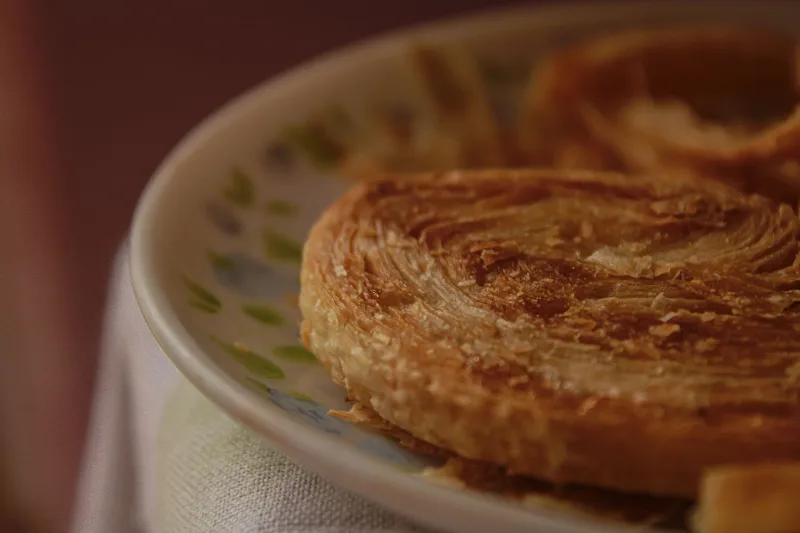
Boyoz is a round, flaky pastry from İzmir, made from a coiled flour-and-oil dough and traditionally eaten at breakfast with a boiled egg and tea.
Explore →
Kuymak
A warm Black Sea dish made with cornmeal, butter and melting local cheese.
Explore →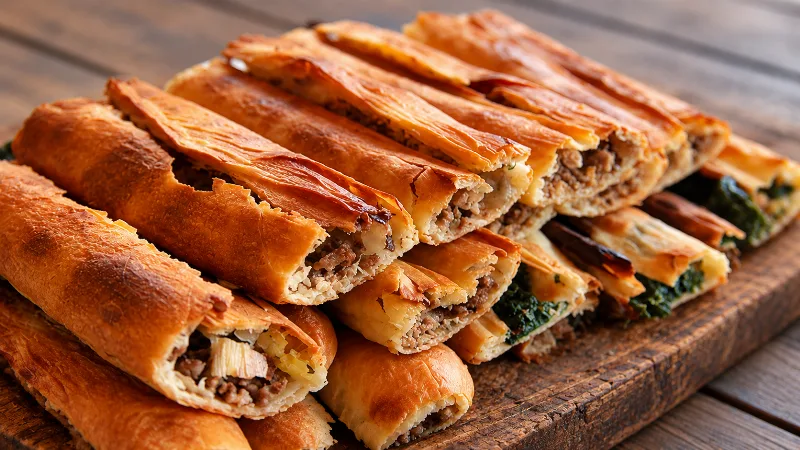
Bafra Pidesi
Bafra Pidesi is a soft, boat-shaped Turkish pide from the Bafra district of Samsun on the Black Sea coast, filled with ground meat, cheese or vegetables and baked quickly in a very hot oven.
Explore →Related content
Erzurum
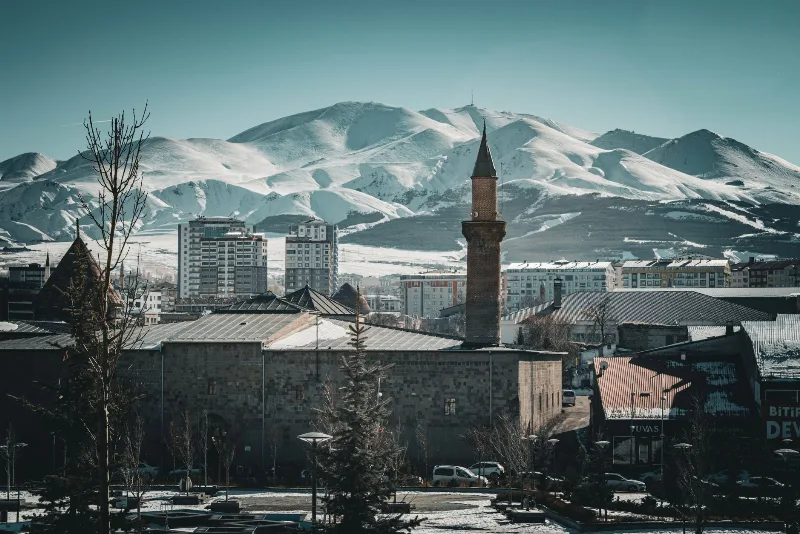
Erzurum is a high-plateau city in eastern Türkiye and the capital of its province, set at roughly 1,900 metres among mountains. It is known for severe winters, the long ski season on Palandöken and a historic centre of Seljuk and Ottoman monuments.
Kaçkar Mountains: Turkey's Eastern Black Sea Alpine Range
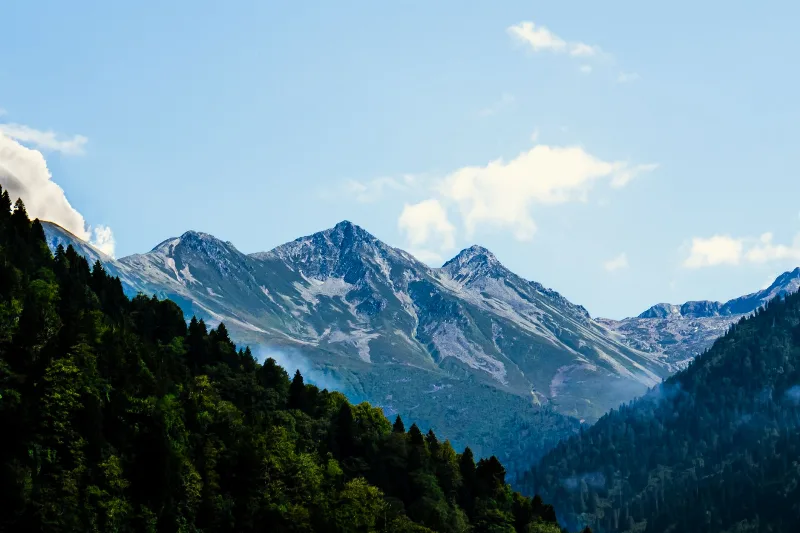
The Kaçkar Mountains form the highest and most glaciated section of Turkey's Pontic range, rising above the eastern Black Sea coast. They combine small glaciers, glacial lakes, high summer pastures and long-distance trekking routes across Rize, Artvin, Erzurum and Bayburt.
Kaçkar Mountains
The Kaçkar Mountains form the highest section of Turkey's Black Sea ranges, a glacially sculpted landscape of sharp summits, cirque lakes and high summer pastures.
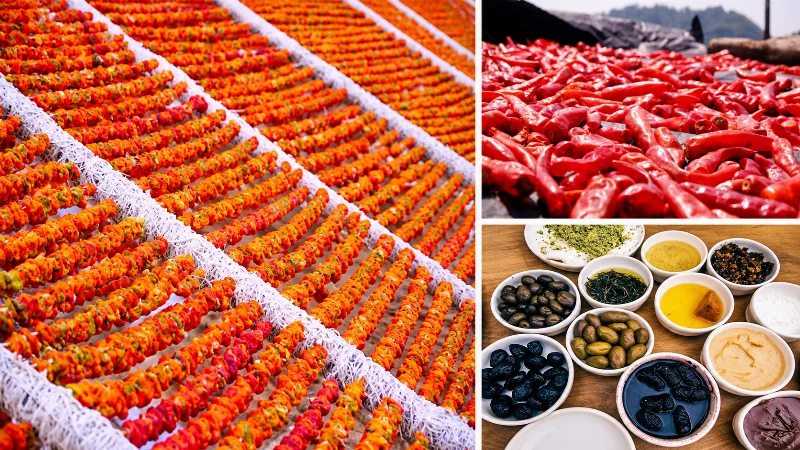
Why Turkish Food Changes from Region to Region
Climate, geography, agriculture and local history shape the ingredients, cooking methods and everyday dishes found across Türkiye. Türkiye’s cuisine is often described as a single national tradition, but food changes considerably from one region to another. Coastal climate, mountain geography, agricultural production, local history and available ingredients all influence what is cooked and how meals are prepared. A dish common on the Black Sea coast may be uncommon in southeastern Türkiye, while ingredients associated with the Aegean can play a much smaller role in the interior. These regional differences form one of the main characteristics of Turkish food culture.
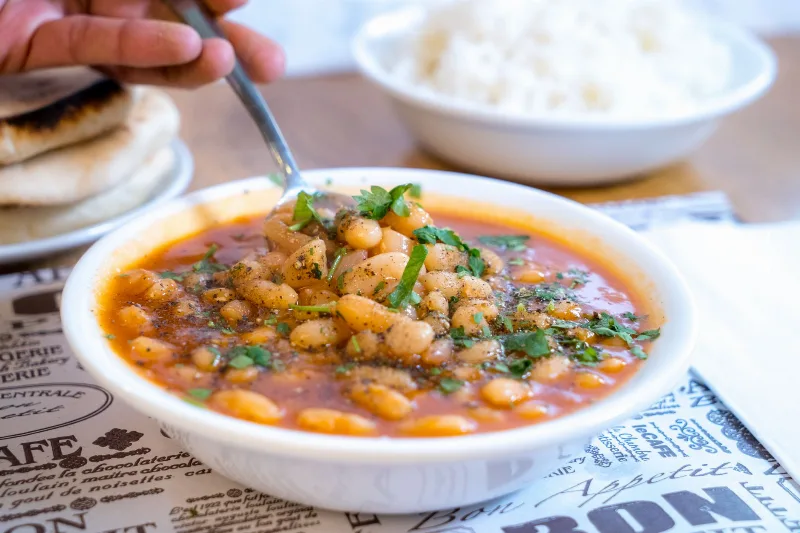
Kuru Fasulye
Kuru fasulye is a traditional Turkish stew of dried white beans slow-cooked with onion, tomato and pepper paste, eaten across the country with rice pilaf and pickles.
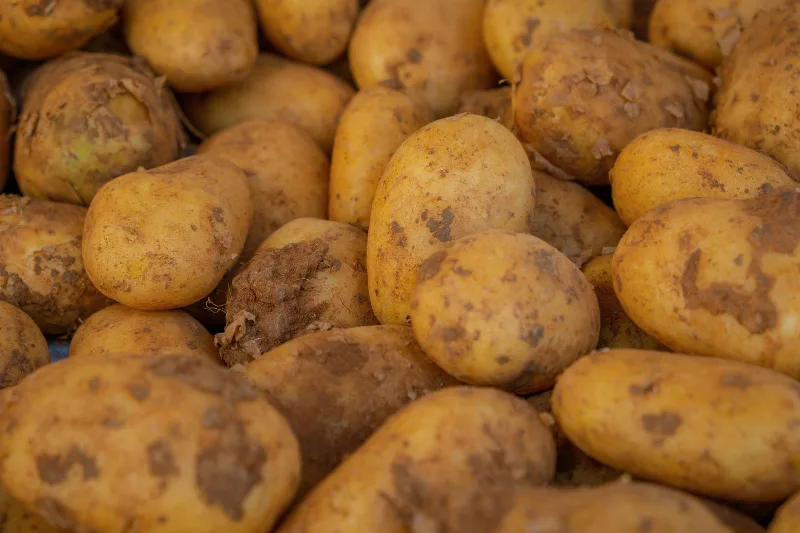
Erzurum Potatoes
Erzurum potatoes are highland potatoes from Erzurum province in Eastern Anatolia, shaped by cool summers, volcanic soils and a short growing season. They are known for their starch-rich texture and full flavour.