Çomakdağ
Colourful wooden details and traditional stone houses distinguish the Çomakdağ villages in the hills between Milas and Lake Bafa.
Colourful wooden details and traditional stone houses distinguish the Çomakdağ villages in the hills between Milas and Lake Bafa.
A group of villages in the hills
Çomakdağ refers to a traditional village area on the slopes between Milas and Lake Bafa in Muğla province. It is more accurately understood as a cluster of rural settlements than as one neatly bounded sightseeing town. The landscape includes rocky hills, agricultural fields and olive-growing areas. Several villages preserve striking examples of local house construction, providing a strong sense of how communities adapted their buildings to the terrain.
Distinctive stone houses
The traditional houses are built with local stone and often feature carefully arranged masonry. Red tile fragments and other small materials can be worked into the walls, giving façades a lively appearance. Timber doors, ceilings and interior details are also notable in the region. The architecture is strongly associated with practical rural life but includes a surprising amount of decoration and craftsmanship.
Decorative woodwork and textiles
Some houses preserve painted or carved wooden elements, particularly around doors, ceilings and cupboards. The region is also known for traditional clothing and textile practices associated with local ceremonies. Together these details reveal that village heritage extends beyond buildings alone. Craft knowledge, material choices and domestic customs help explain the rich visual culture of the Çomakdağ settlements. Because Çomakdağ encompasses several villages, visitors can notice differences in house design and settlement arrangement rather than expecting one fixed architectural pattern. Some houses display more elaborate woodwork, while others emphasize the texture of the masonry. The variety helps demonstrate that regional traditions were adapted by individual households.
Living traditions
Traditional weddings are an important part of the area’s cultural reputation, although they are community occasions rather than guaranteed visitor attractions. The villages are associated with agriculture, olive cultivation and older forms of rural production. Ordinary residential streets and small farms remain central to the landscape. Visitors can appreciate this environment by treating it as an inhabited region with its own rhythms, not merely a backdrop for photographs.
Location and nearby landscape
The villages are reached by local roads from the Milas area. The nearby Beşparmak Mountains and Lake Bafa offer a broader setting of rock formations, olive groves and historical sites. Time spent on the rural roads can help connect individual settlements to the geography around them. Spring and autumn are often comfortable seasons for walking. As many houses are private, respectful observation from public spaces is important.
From the land
Find All →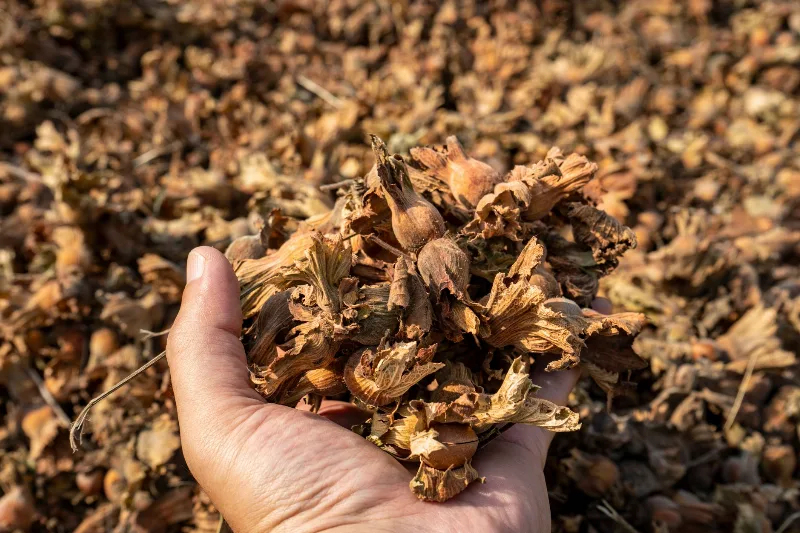
Giresun Hazelnuts
Giresun hazelnuts are the nuts of hazel trees grown on the rainy slopes of Giresun province on Türkiye's eastern Black Sea coast, valued for their rounded kernels, thin shells and high oil content.
Explore →
Antalya Tomatoes
Antalya tomatoes are the greenhouse and field-grown tomatoes of Türkiye's Mediterranean coast, produced in a province whose mild winters and long sunny summers allow harvesting in almost every month of the year.
Explore →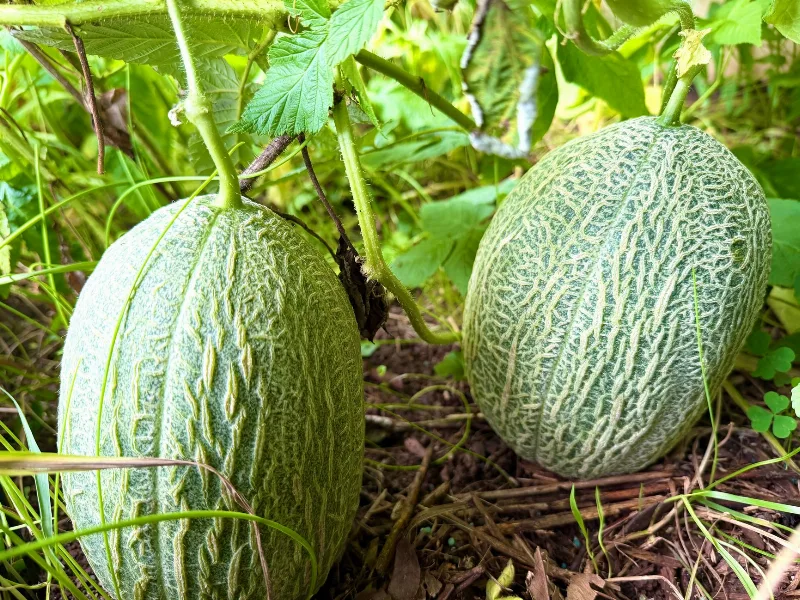
Kırkağaç Melons
Kırkağaç melons are a distinctive melon variety grown around the town of Kırkağaç in Manisa province, western Türkiye, where hot dry summers and fertile valley soils produce large, aromatic fruit that keeps well into winter.
Explore →Related content
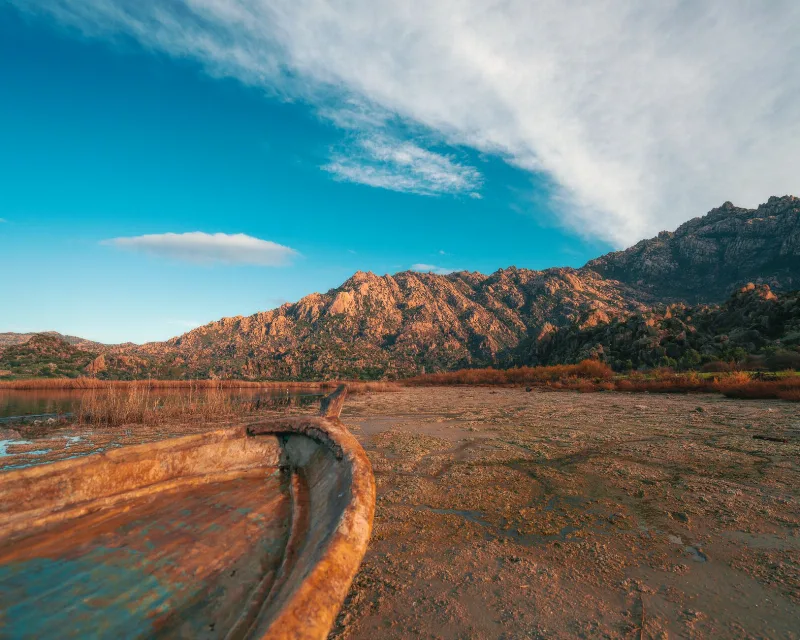
Lake Bafa
Lake Bafa is a brackish lake in southwestern Türkiye, shared between the provinces of Muğla and Aydın. It is the surviving remnant of an ancient Aegean inlet, now enclosed by farmland, the granite slopes of the Beşparmak Mountains and scattered ruins of harbour towns that once stood on open sea.
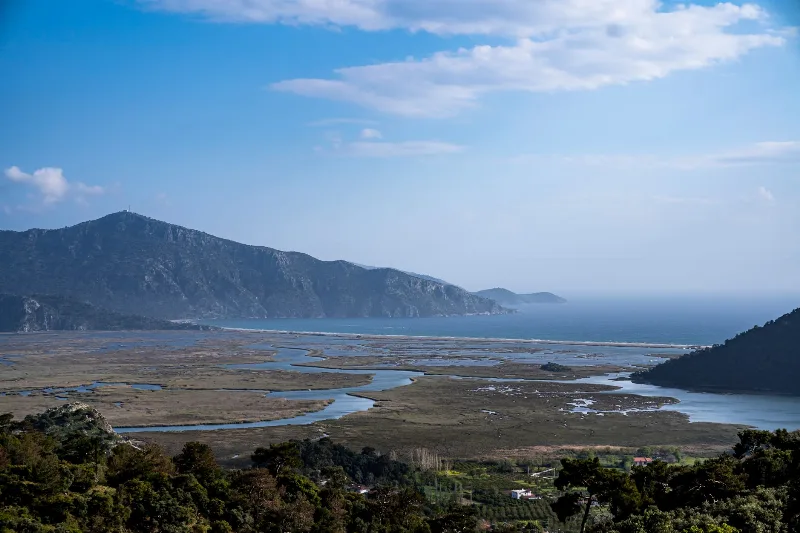
Muğla
Muğla is a captivating province in southwestern Türkiye, renowned for its stunning Aegean coastline and rich cultural heritage.
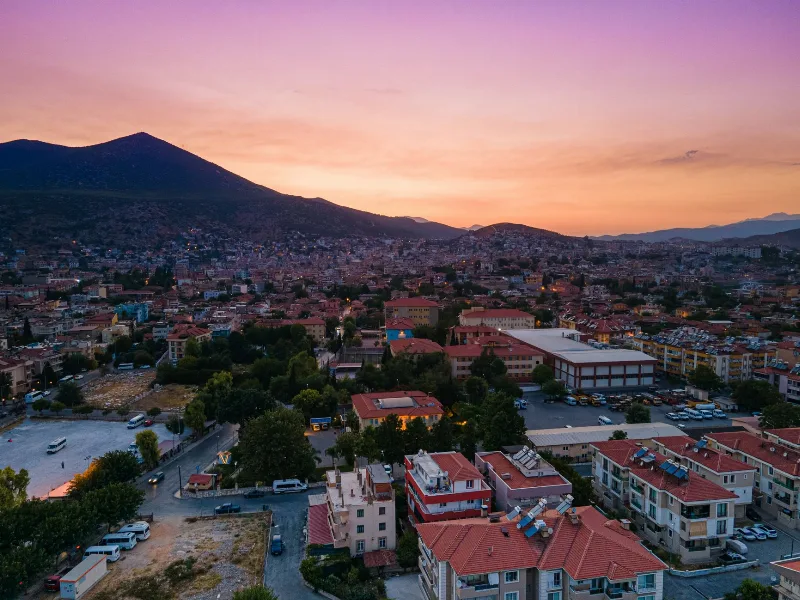
Muğla
Muğla is the inland administrative capital of the province that carries its name, a historic Anatolian city set in a pine-covered high valley behind Türkiye's Aegean and Mediterranean coast.
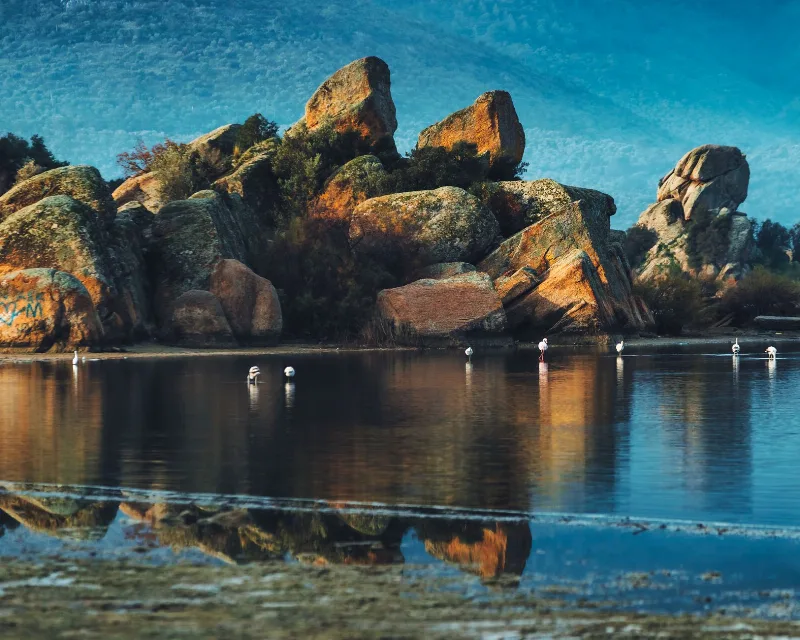
Bird Migration in Lake Bafa, Muğla
Lake Bafa in Muğla sits on a major bird route, and its shallow brackish water fills with migrating and wintering waterbirds during the spring and autumn passages. Timing shifts each year with water levels and weather, which is why the lake is worth visiting across a window rather than on a fixed date.
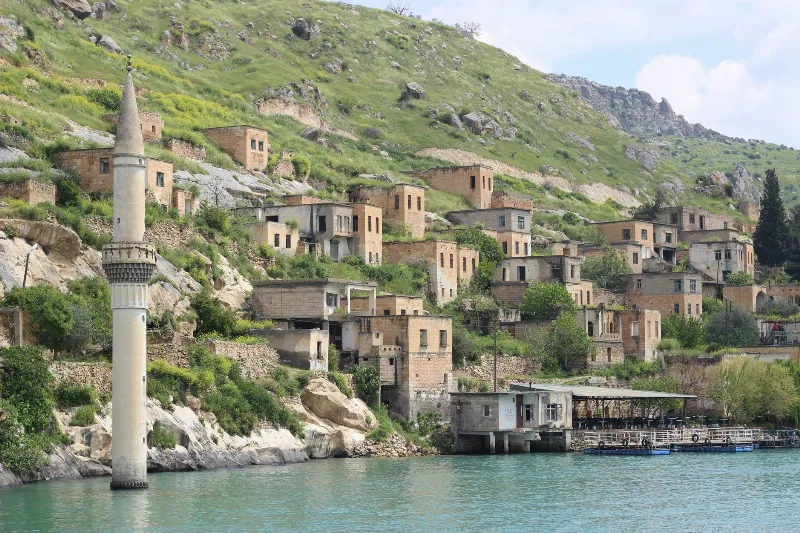
Kapıkırı
Kapıkırı is a small lakeside village in Milas, Muğla, built directly over the ancient city of Herakleia ad Latmum on the southern shore of Lake Bafa. Ancient walls, cut stones and shoreline ruins are woven into the settlement, with the Latmus mountains rising immediately behind it.
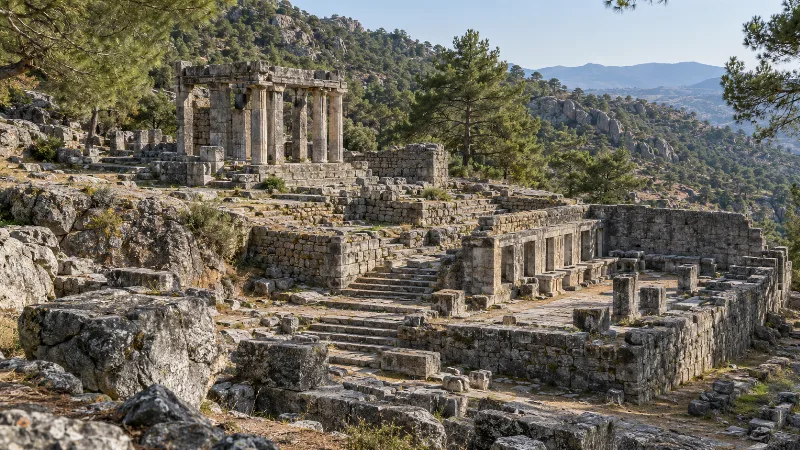
Labranda: The Ancient Carian Sanctuary of Zeus Labraundos
Labranda is an ancient Carian sanctuary of Zeus Labraundos in the hills north-east of Milas, Muğla Province, whose temples, banqueting halls and processional way were largely built in the 4th century BC under the Hekatomnid dynasty.