
Alaçatı
Alaçatı is a small Aegean town on the Çeşme Peninsula in İzmir Province, recognised for its stone houses, hilltop windmills and the steady wind that has made its bay a centre for windsurfing.
Alaçatı is a small town on the Çeşme Peninsula in the west of İzmir Province, about 10 km inland from the district centre of Çeşme and roughly 75 km west of İzmir itself. It lies on the Aegean side of western Anatolia, in a landscape of low hills, olive groves and vineyards. Three features give the settlement its identity: densely packed stone houses built by its former Greek Orthodox residents, a ridge of restored windmills standing above the town, and a wind that blows strongly and consistently enough to have turned the nearby bay into one of Türkiye's best-known windsurfing locations.
Where Alaçatı sits on the peninsula
Alaçatı belongs to the district of Çeşme, which occupies the western tip of the long peninsula that reaches out from İzmir towards the Aegean. The town is not directly on the open sea. It stands a short distance inland, on gently rising ground, with its bay and beach to the south-west and the district centre of Çeşme further west along the same road. The surrounding land is agricultural: olives, grapes and small plots are worked on the flatter ground, while low, scrub-covered hills rise behind the town.
The peninsula has a Mediterranean climate, with hot, dry summers and mild, wet winters. The prevailing northerly summer wind, known locally as the meltem, is a defining part of daily life here and shapes both the sailing conditions and the way the older houses were built.
Streets, stone houses and the old neighbourhoods
The historic core of Alaçatı is compact and best explored on foot. Narrow streets run between two-storey stone houses whose walls are built from local stone and whose upper floors often project outwards over the street in a bay-window form. Wooden shutters, timber balconies, walled courtyards and heavy doors are typical details, and many façades are draped with climbing plants. The effect is a dense, shaded street pattern in which houses sit close together and opening directly onto the lane.
Several old quarters together make up this historic fabric, and walking through them takes only an hour or two. Restoration since the 2000s has brought many of the buildings back into use, while others remain unrestored, so the town shows both the older, weathered appearance of the houses and their repaired state side by side. The streets are cobbled and uneven in places, and they rise and fall with the slope of the ground.
The windmills on the hill
The windmills are Alaçatı's most recognisable landmark. They stand on the ridge to the south-west of the centre, above the last of the houses, and were built to grind grain using the same wind that today fills sails on the bay. Several have been restored, with their round stone towers, wooden frames and sails rebuilt, and they can be reached on foot from the town by following the street that climbs out of the old quarter. From the ridge there is a wide view back over the rooftops of Alaçatı and across the peninsula towards the coast.
Wind, shallow water and windsurfing
The bay south-west of the town, together with the surrounding coastline, is the reason Alaçatı became known beyond İzmir. The water is shallow for a long distance from the shore, and the summer wind is strong and predictable, a combination that suits windsurfing and kiteboarding. The season broadly follows the warm months, from late spring into early autumn, when the wind is at its most reliable in the afternoons. Outside that period the bay is much quieter and the water is used more for ordinary swimming.
It is worth understanding that the windsurfing area and the historic town are two separate places a short drive apart. Visitors interested in one do not automatically get the other on foot.
A Greek Orthodox past and the 1923 exchange
Alaçatı's architecture reflects a community that is no longer there. Until the early 1920s the town was largely Greek Orthodox, with a mixed economy based on agriculture, wine and trade. Under the population exchange between Greece and Türkiye agreed in 1923, the Greek Orthodox inhabitants left and Muslim families from Crete, Thessaloniki and other parts of the Balkans were settled here in their place. The stone houses, churches and windmills are the physical legacy of that earlier period, and the present population's cooking and customs carry traces of both the outgoing and incoming communities.
Wild greens and the local table
The peninsula's kitchen leans heavily on wild edible greens gathered in spring, cooked with olive oil and eaten as meze or as a dish in their own right. This tradition is celebrated in the town's herb festival, held each spring, when the surrounding hillsides and market stalls fill with the season's plants and the local cooking that uses them. Olive oil, vegetables, seafood from the nearby coast and simple grilled dishes are the everyday staples, and the local table is one of the clearest expressions of the town's mixed heritage.
Getting to Alaçatı
Alaçatı lies on the main route along the Çeşme Peninsula. The İzmir–Çeşme motorway runs from the city out to the coast, and the town has its own exit; from there the centre is only a few minutes away. Coaches and minibuses connect İzmir's main bus terminal with Çeşme, passing through or close to Alaçatı, and the nearest airport is İzmir Adnan Menderes, on the south-eastern side of the city. Once in town, the historic centre, the windmills and the bay are all reachable by short local journeys, but the distances between them are not walkable in every case.
When to visit and what the seasons feel like
Spring is the most comfortable time to walk the streets and see the surrounding countryside, with mild temperatures and the herb season in full swing. Summer is hot in the middle of the day, busy and windy, with the strongest conditions on the bay in the afternoon; this is also the period for swimming. Autumn remains warm into September and October, with the wind gradually easing. Winter is mild and quiet, with more rain and a much calmer town, though some seasonal activity stops.
Practical notes before you go
The old streets are cobbled, narrow and sometimes steep, so comfortable footwear matters more than in a flat town. Shade is limited on the windmill ridge, and the summer sun is strong, so walking is best done early in the day. Because the town is inland and the bay is separate, plan transport between the two if both are on your list. The centre is small enough to cover on foot in a few hours, but the surrounding countryside and coast reward a longer stay.
Places nearby on the peninsula
Çeşme, the district centre to the west, has a harbour and a historic castle and is the peninsula's main settlement. Ilıca, on the coast between Alaçatı and Çeşme, is known for its sandy beach. Further along the same coastline, Şifne is known for thermal springs. To the east, back towards İzmir, the peninsula continues through Urla and its own coastal villages, so Alaçatı works naturally as one stop on a longer route around the Çeşme Peninsula rather than an isolated destination.
From the land
Find All →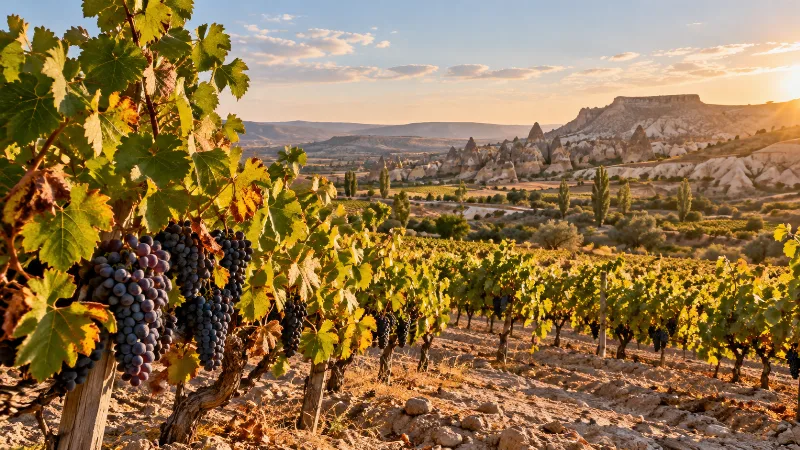
Nevşehir Grapes
Nevşehir grapes come from the volcanic plateau of Cappadocia in central Türkiye, where thin tuff soils, high elevation and dry summers support vineyards grown for wine, grape molasses and drying.
Explore →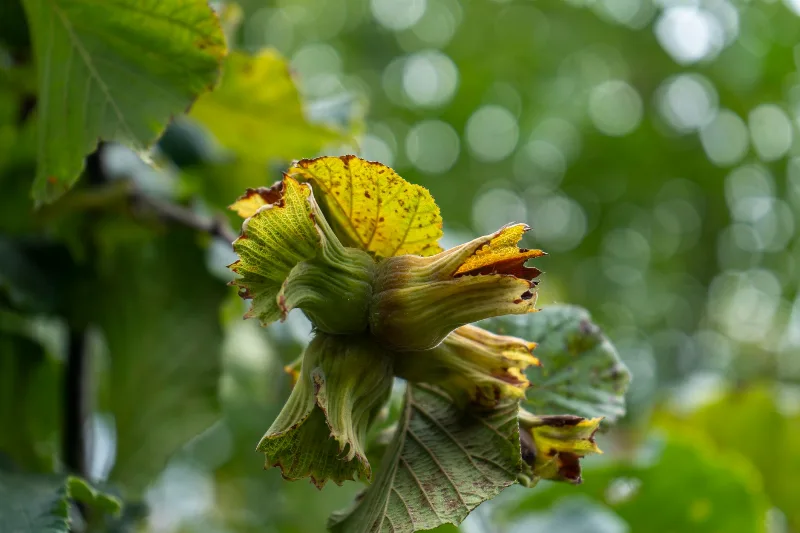
Ordu Hazelnuts
Ordu hazelnuts come from Türkiye's leading hazelnut province on the central Black Sea coast, where humid air, year-round rainfall and steep hillside orchards give the crop its distinctive character.
Explore →
Bursa Figs
Bursa figs are the figs grown in northwestern Türkiye, where the sheltered Marmara climate and fertile soils around Bursa give the fruit its sweet flesh and soft skin, eaten fresh in late summer or dried for the winter months.
Explore →Related content
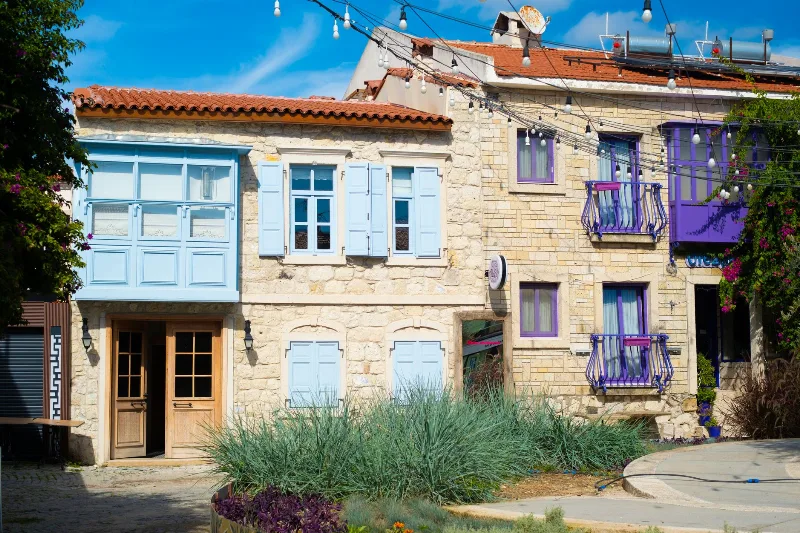
Çeşme
A coastal district at the western tip of İzmir Province, known for its Aegean beaches, thermal springs and the stone houses and windsurfing waters of Alaçatı.
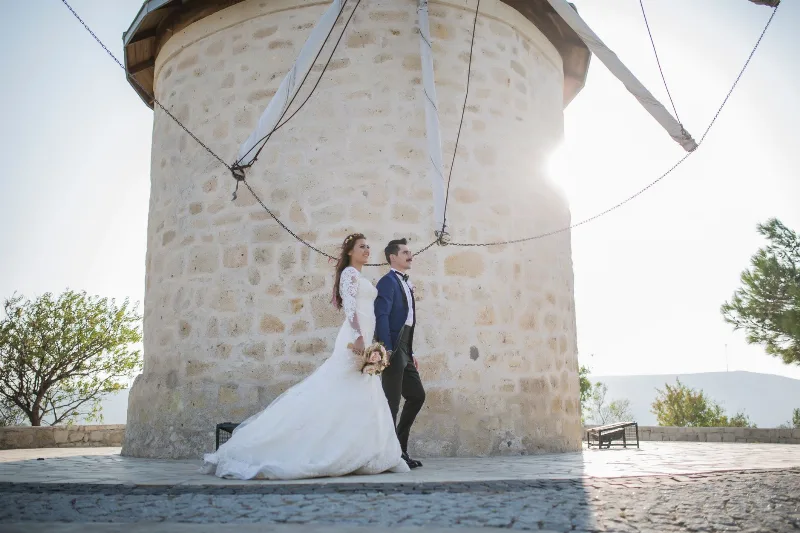
2-Day Alaçatı and Çeşme Route
A compact two-day Aegean route that starts among the windmills and stone lanes of Alaçatı and finishes at the castle, harbour and thermal beaches of Çeşme, all on the same peninsula west of İzmir.
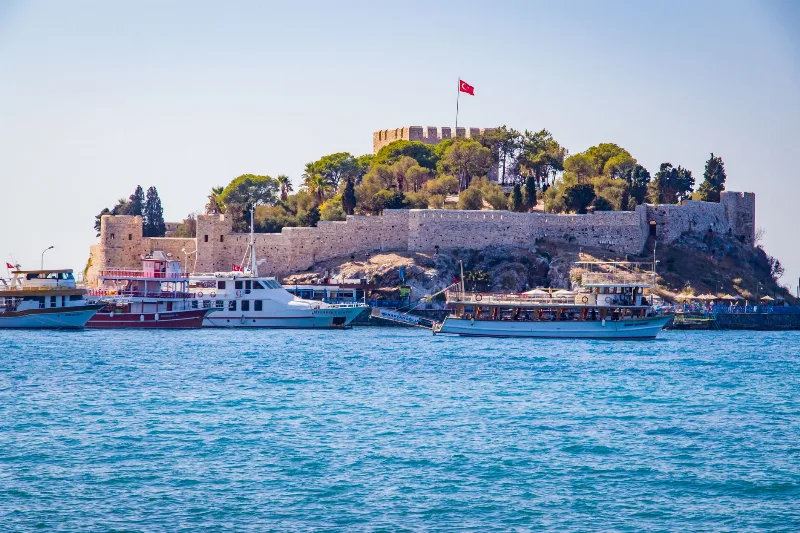
3-Day İzmir and Çeşme Route
A three-day Aegean journey from central İzmir to the Çeşme Peninsula, pairing a historic bazaar and waterfront with a castle, coastal bays, and the stone houses of Alaçatı.
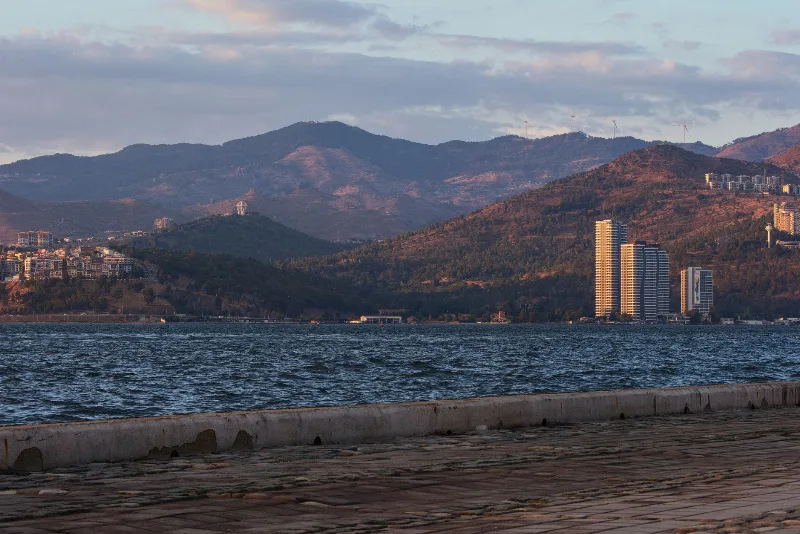
Izmir's Coastal Charm
İzmir is a western Turkish city built around a gulf of the Aegean Sea, where a long waterfront, nearby coves, ancient sites and Aegean cooking shape its coastal character.
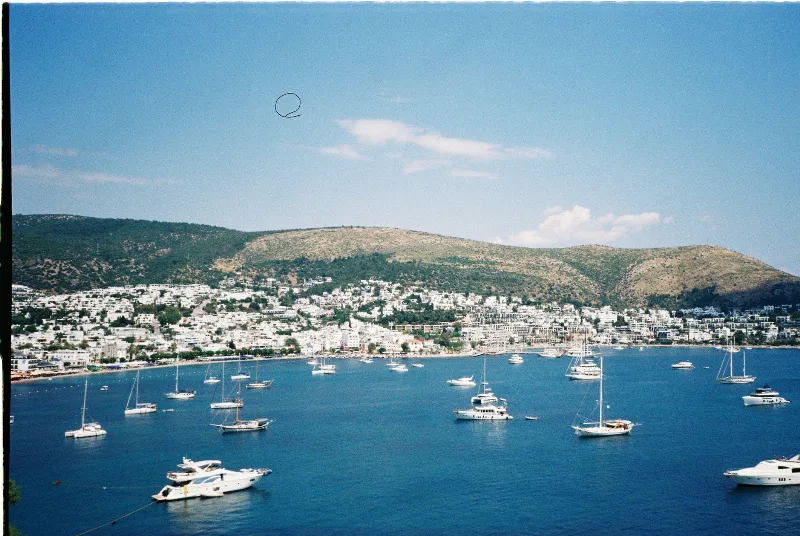
Aegean Coast of Türkiye
Explore the Aegean coast of Türkiye, renowned for its picturesque towns and stunning azure waters.
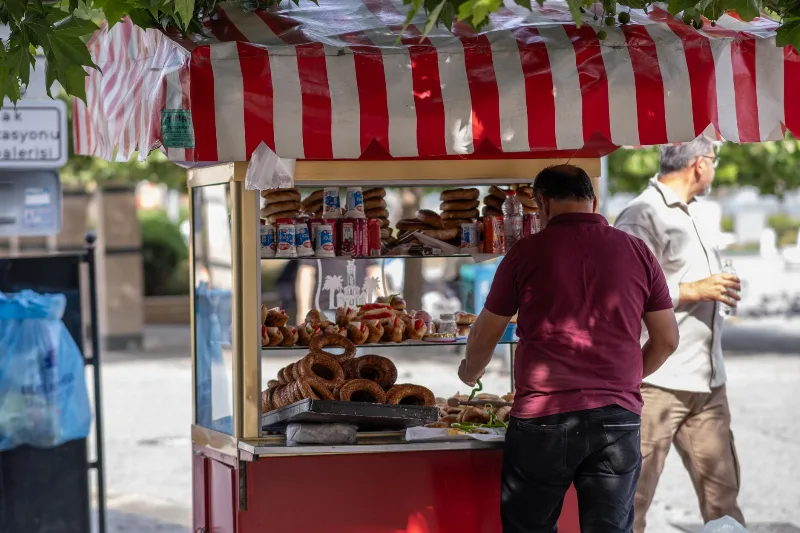
Sampling the Unique Flavors of İzmir's Street Food
İzmir's street food follows its own calendar, from sesame gevrek at sunrise to stuffed mussels and grilled kokoreç after dark. The city's Aegean setting shapes a cuisine built on olive oil, herbs and seafood.