
Pamukkale Travertines
Discover the mesmerizing beauty of Pamukkale's travertine terraces and thermal waters, a unique natural wonder in Türkiye.
The Unique Geology of Pamukkale
The travertines of Pamukkale are composed of calcium carbonate, a mineral deposited by the flowing thermal waters. As the water cools and evaporates, it leaves behind the calcium deposits, gradually building the dazzling white terraces. This process has been ongoing for thousands of years, resulting in the striking landscape visible today. The thermal waters, rich in minerals, are believed to have therapeutic properties, adding another layer of intrigue and appeal to the site.
Exploring the Thermal Waters
Visitors to Pamukkale have the opportunity to experience the warm thermal pools firsthand. Walking barefoot along the terraces, a practice encouraged to protect the delicate formations, offers a unique sensory experience. The thermal waters, with their soothing warmth, provide a relaxing respite amidst the striking white backdrop. Many believe in the healing properties of these waters, making them a popular draw for both wellness seekers and curious travelers.
Historical Significance
Adjacent to the travertines lies the ancient city of Hierapolis, a UNESCO World Heritage site. Founded in the 2nd century BC, Hierapolis was a thriving spa city, capitalizing on the nearby thermal waters. Visitors can explore the well-preserved ruins, including a grand theater, temples, and a necropolis. This blend of natural and historical wonder makes Pamukkale a multifaceted destination, offering insights into both geological processes and ancient civilizations.
Protecting the Natural Wonder
Due to its unique beauty and scientific value, Pamukkale is a protected site, and efforts are continuously made to preserve its pristine condition. Visitors are encouraged to follow guidelines that help maintain the integrity of the travertines. This includes walking only on designated paths and refraining from using soap or other materials that could harm the terraces. Such measures ensure that future generations can continue to enjoy this extraordinary natural wonder.
Related content
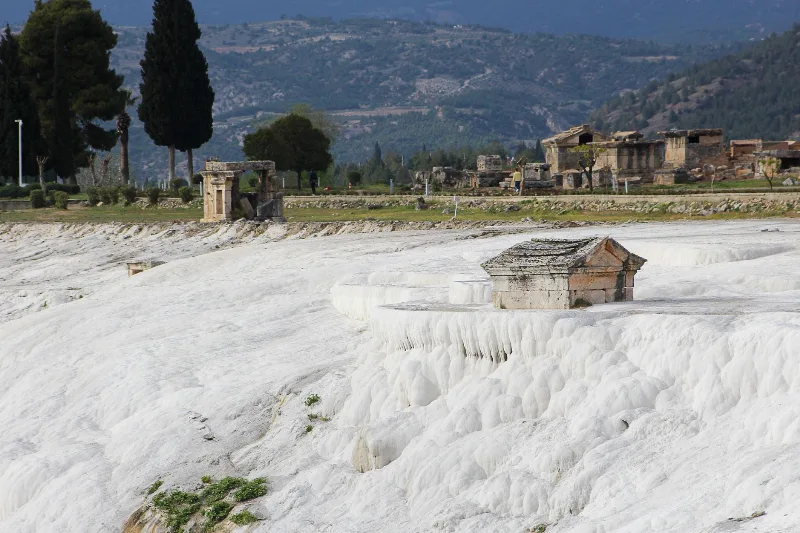
Pamukkale
Pamukkale, Türkiye'nin en etkileyici doğal harikalarından biri olarak bilinir, büyüleyici beyaz termal terasları ve antik Hierapolis kentiyle dikkat çeker.
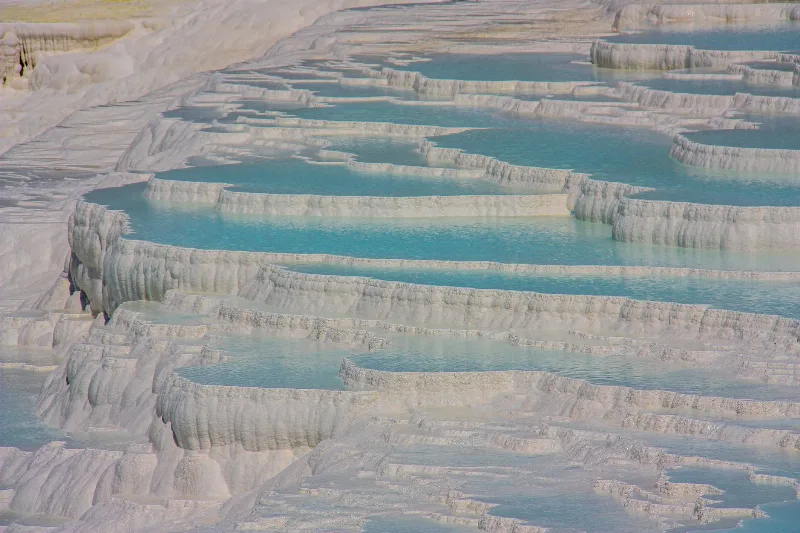
Pamukkale
Pamukkale in Denizli province is a UNESCO World Heritage site where calcium-rich thermal water has built a cliff of white travertine terraces above the ancient city of Hierapolis. Visitors walk barefoot across the terraces, while the plateau above holds Roman baths, a theatre, the Plutonium and one of Anatolia's largest necropolises.
Pamukkale
Pamukkale is a white travertine formation in Denizli Province, built up over millennia by calcium-rich thermal springs that flow down the edge of a plateau beside the ancient city of Hierapolis.
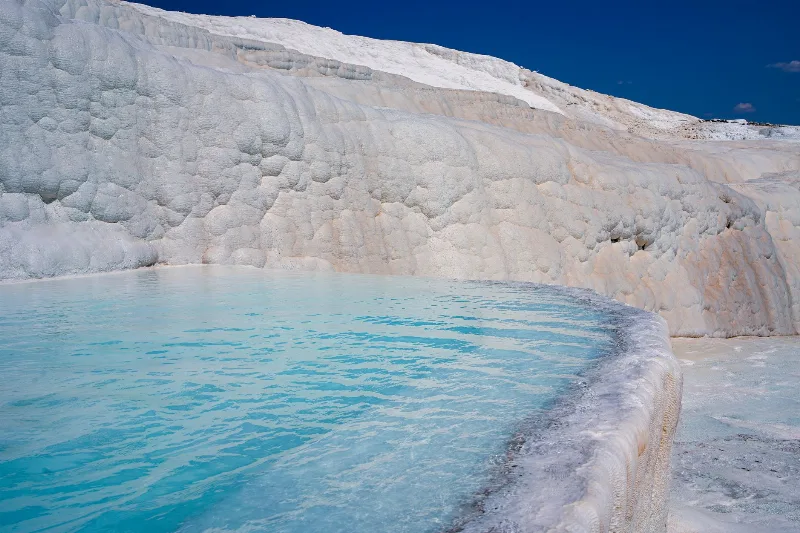
Exploring the Beauty of Pamukkale's Terraces
Discover the unique geological formations and thermal springs of Pamukkale, a remarkable natural wonder in Türkiye.
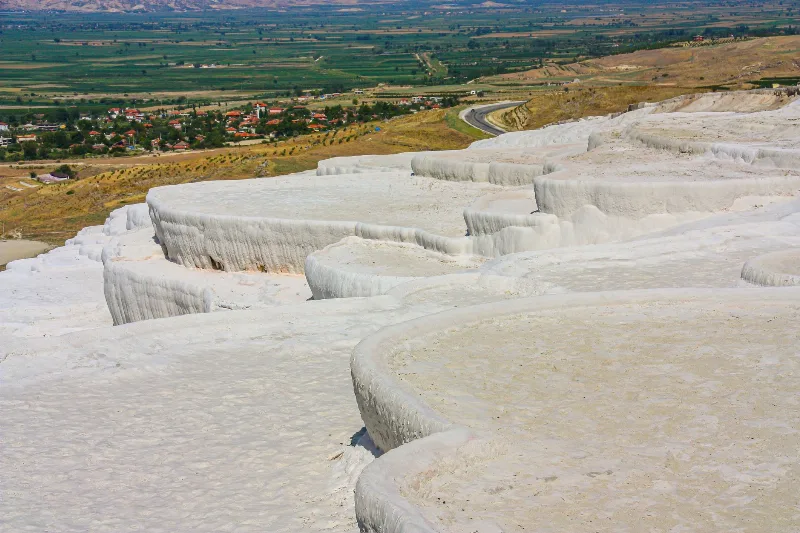
The Natural Wonders of Pamukkale
Pamukkale in Denizli, Türkiye, is a hillside of white travertine terraces and warm mineral springs that has been shaped by geology for millennia.
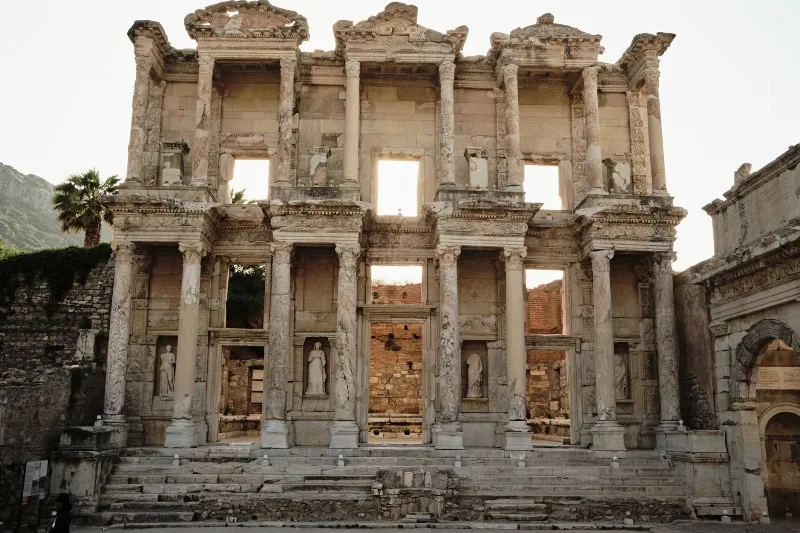
4-Day Ephesus and Pamukkale Route
A four-day west-to-east Aegean route that links the ancient city of Ephesus and the House of Virgin Mary in Selçuk with the white travertine terraces and Hierapolis ruins at Pamukkale, near Denizli.
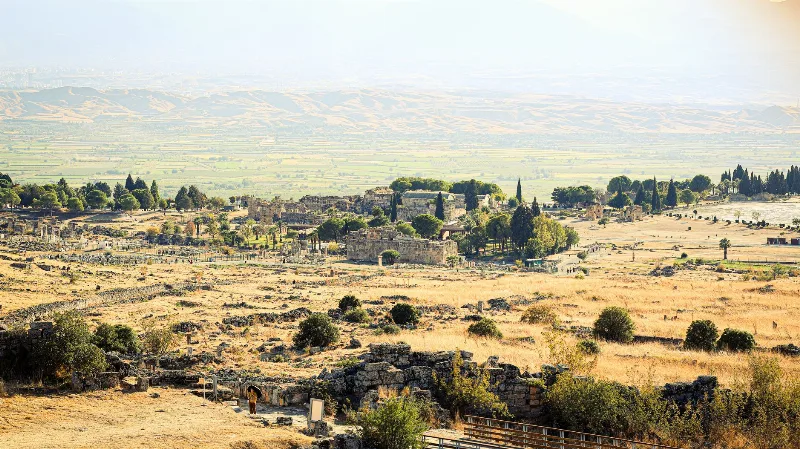
Denizli
Denizli is the inland capital of Denizli Province in Türkiye's Aegean region, known internationally for the Pamukkale travertine terraces and ancient Hierapolis, and at home as a major textile city with its own long-crowing rooster breed.
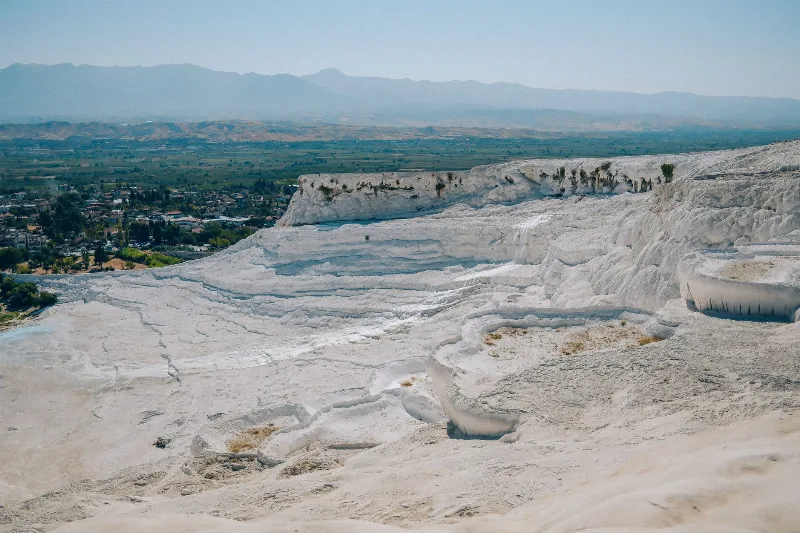
Hierapolis Ancient City and Thermal Pools
Hierapolis is an ancient city in Türkiye whose Greco-Roman ruins sit on a plateau above the white travertine terraces and warm mineral springs of Pamukkale.