Oltu Stone Carving Tradition in Erzurum
Oltu stone is a deep black, jet-like material found near Erzurum in eastern Türkiye, where local artisans carve it into prayer beads, jewellery and ornaments.
In the covered bazaars of Erzurum, in the high plateau country of eastern Türkiye, a quiet craft has been passed from master to apprentice for generations. Artisans sit at small lathes and work a dense black material that comes out of the ground not far away: Oltu stone. Known locally as Oltu taşı, it is cut, drilled and polished into prayer beads, necklaces, rings, cufflinks, brooches and small decorative objects, and it remains one of the most recognisable handmade products of the region.
What Oltu stone actually is
Despite its nickname of "black amber", Oltu stone is not a resin but a form of jet, a compact variety of fossilised wood. It is found in the Oltu district and the surrounding valleys to the north-east of Erzurum, where ancient coniferous timber was buried, compressed and altered over a very long period. The result is a hard, deep black material with a low density, so a finished bead feels surprisingly light in the hand. It takes an exceptionally high polish, and when rubbed it develops a static charge that lets it lift small fragments of paper — a characteristic that local craftsmen have long enjoyed demonstrating.
A craft rooted in the city's bazaars
Carving Oltu stone has been a feature of Erzurum's commercial life for centuries, closely tied to the city's position on historic trade routes and to its strong tradition of small-scale metalwork and jewellery. Workshops are still clustered in and around the historic covered markets, where the smell of polishing compound and the whirr of lathes spill into the arcades. Knowledge is generally transferred through apprenticeship rather than formal training: a young worker begins with rough shaping and simple drilling, then gradually learns the grading of raw stone, the setting of silver fittings and the finishing touches that distinguish a well-made piece.
From raw stone to finished piece
Raw Oltu stone arrives in irregular lumps, and the first task is to assess each one. Craftsmen look for internal cracks, hard inclusions and variations in density, since flaws that are invisible on the outside can open up during turning. The work then follows a fairly consistent sequence:
- Cutting and rough shaping — the lump is reduced with a saw and trimmed close to the intended form.
- Turning — beads and rounded forms are shaped on a small lathe, frequently checked by eye and by hand.
- Drilling — holes for stringing or for silver pins are bored slowly, as the stone is relatively soft and can chip.
- Sanding and polishing — progressively finer abrasives bring up the glossy surface, often finished with a cloth wheel.
- Setting — many pieces are combined with silver caps, filigree or inlay, work usually carried out by a separate silversmith.
Because the material is soft compared with most gemstones, it rewards patience rather than force. A single prayer bead may pass through a craftsman's hands many times before it is considered complete.
Forms, uses and everyday appeal
Prayer beads are the classic expression of the craft, and the gentle weight and warmth of Oltu stone have made them a familiar companion piece for many people across Türkiye. Beyond beads, the workshops produce earrings, bracelets, rings, brooches, tie pins, keyrings and small boxes, as well as decorative panels and letter openers for visitors looking for something local rather than mass-produced. Designs range from plain polished ovals to elaborate pieces where black stone is contrasted with bright silver scrollwork.
Care and distinctive qualities
Oltu stone is warm to the touch and does not feel cold like glass or metal. It is, however, softer than it appears: a sharp knock or a fall onto a hard surface can chip an edge, and prolonged soaking is best avoided. Owners usually clean pieces with a soft dry cloth, storing them separately from harder jewellery that might scratch the polished surface. Over years of handling, some pieces acquire a subtle sheen that many collectors value as a sign of regular use.
Keeping a regional craft alive
Oltu stone carving sits within a wider culture of Anatolian handicrafts, alongside copper work, felt making and silver filigree. Local associations, vocational courses and craft fairs in Erzurum have helped to introduce the material to younger makers and to visitors, while the geological link between the stone and its home district gives finished pieces a clear sense of place. For travellers interested in how a raw material can shape the identity of a city, a look at the Oltu stone workshops of Erzurum offers a direct and unhurried view of a living traditional art.
Related content
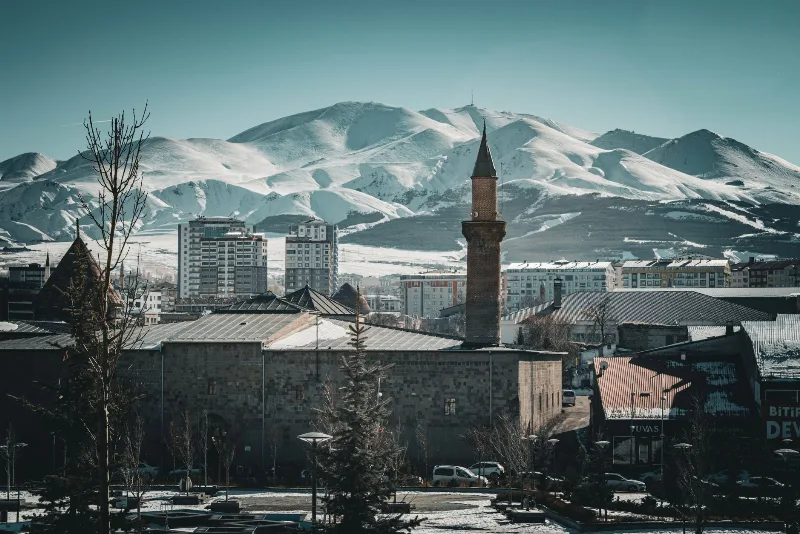
Erzurum
Erzurum is a high-plateau city in eastern Türkiye and the capital of its province, set at roughly 1,900 metres among mountains. It is known for severe winters, the long ski season on Palandöken and a historic centre of Seljuk and Ottoman monuments.
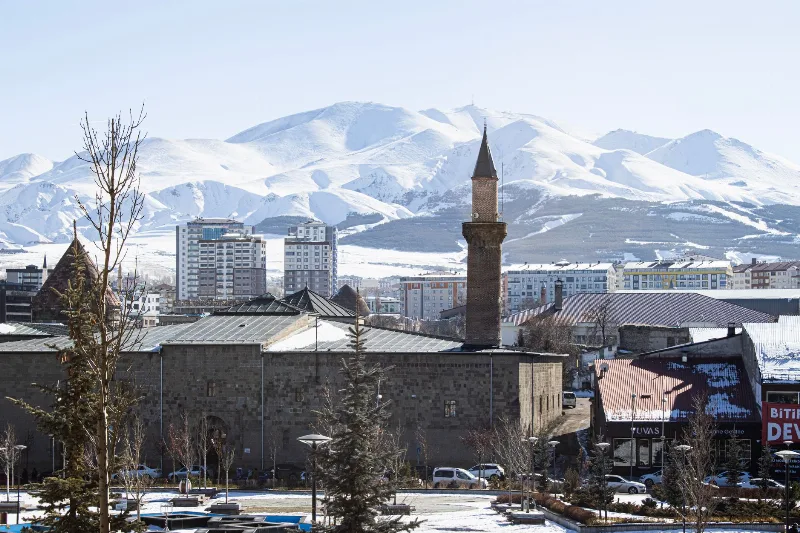
Skiing Escapades in Erzurum
Erzurum is a high-elevation city in eastern Türkiye where long winters and dependable snowfall support skiing and winter sports. Its mountain slopes, historic landmarks and cold-weather cuisine give a snow adventure here a distinct character.
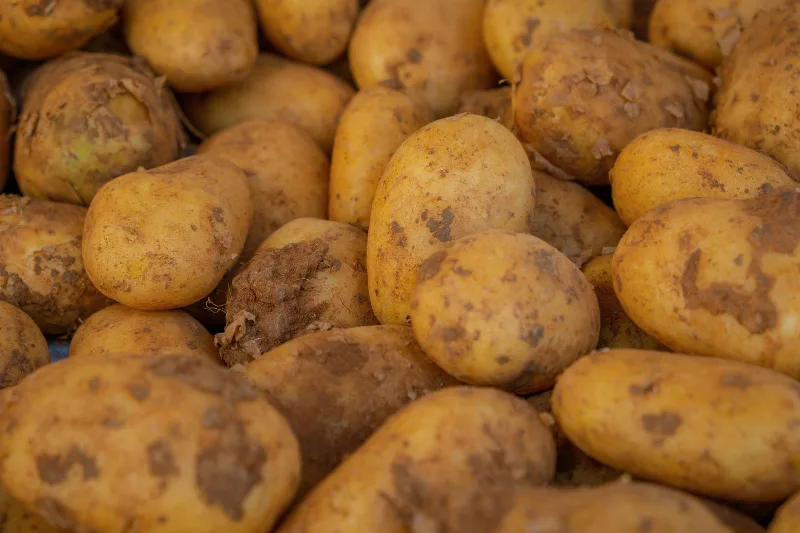
Erzurum Potatoes
Erzurum potatoes are highland potatoes from Erzurum province in Eastern Anatolia, shaped by cool summers, volcanic soils and a short growing season. They are known for their starch-rich texture and full flavour.
Tortum Waterfall and Red Rock Canyon in Erzurum
Fed by a landslide-dammed lake in Türkiye's northeastern highlands, Tortum Waterfall drops roughly 48 metres into a narrow canyon of reddish rock near the village of Uzundere in Erzurum province.
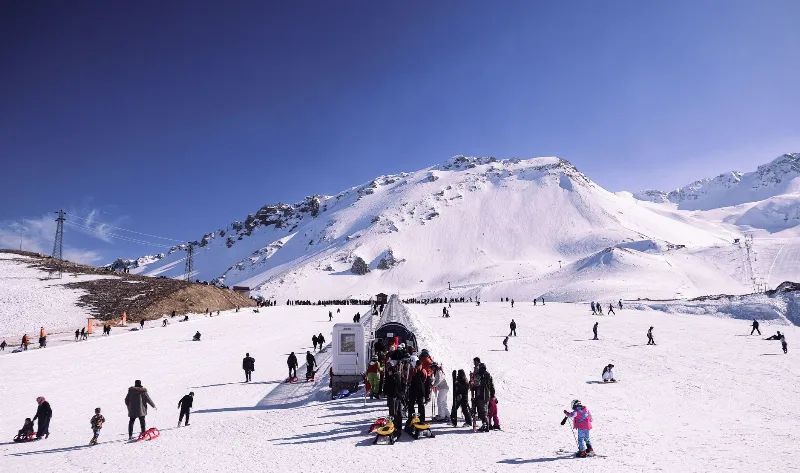
Snow Season in Palandöken, Erzurum
Palandöken, the mountain rising above Erzurum in eastern Türkiye, holds a long snow season that typically runs from December to March. Its dry, cold continental climate produces light powder snow, which is why the area has become one of the country's main winter sports destinations.
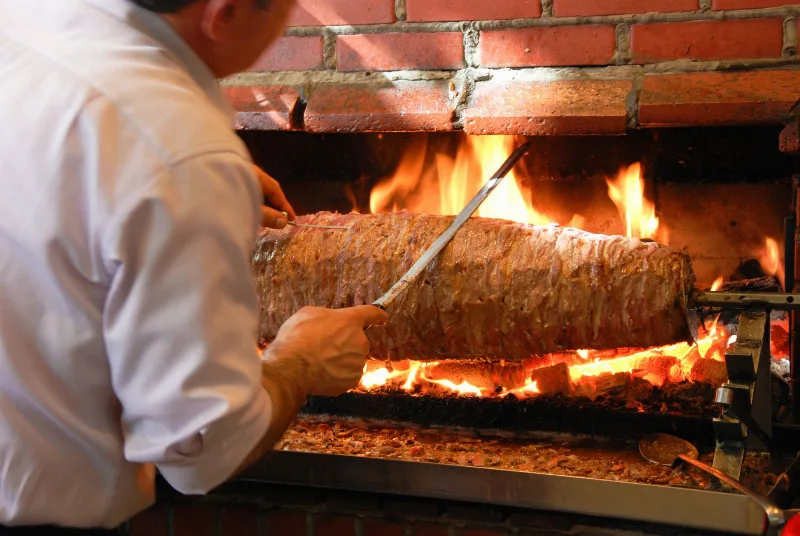
Cağ Kebabı
A regional lamb kebab from Erzurum, Cağ Kebabı is cooked on a horizontal rotisserie and served on skewers. Its tender, juicy meat and simple accompaniments make it a celebrated dish in eastern Turkey.
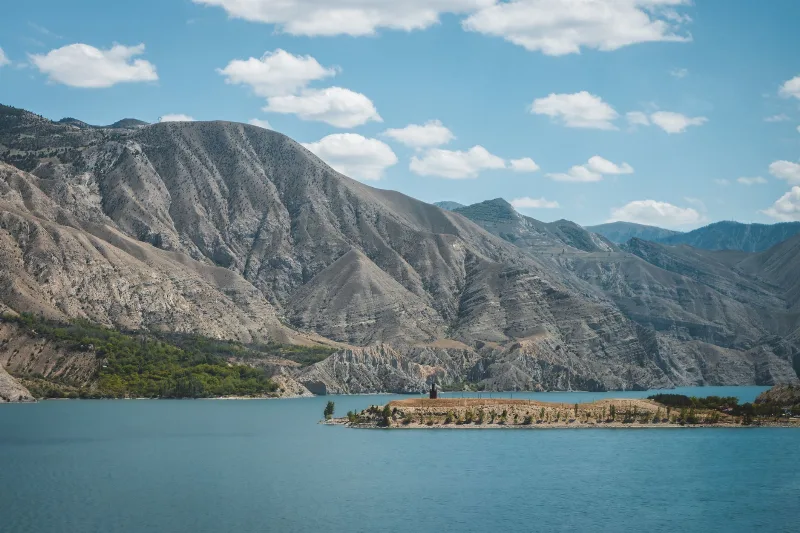
Lake Tortum
Lake Tortum is a landslide-dammed lake in Erzurum Province, northeastern Türkiye, created when a huge rock slide blocked the valley of the Tortum River. Its overflow spills over the Tortum Waterfall, one of the country's best-known cascades.
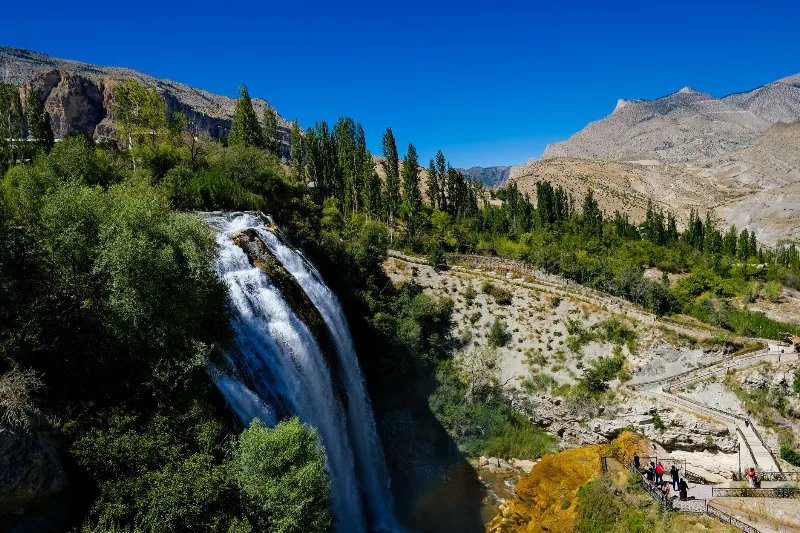
Tortum Waterfall
Tortum Waterfall in Erzurum Province is the outflow of Lake Tortum, a large landslide-dammed lake, and the drop marks where the lake spills over the natural barrier that formed it.