
Cağ Kebabı
A regional lamb kebab from Erzurum, Cağ Kebabı is cooked on a horizontal rotisserie and served on skewers. Its tender, juicy meat and simple accompaniments make it a celebrated dish in eastern Turkey.
Cağ Kebabı is a traditional lamb kebab that originates from Erzurum, a city in eastern Turkey. Its defining feature is the horizontal rotisserie, called a cağ, on which the meat is cooked. The finished kebab is typically served on skewers and is prized for its tender texture and rich flavor. Unlike the more widely known vertical döner, Cağ Kebabı is a regional specialty with a distinct preparation method and a strong connection to Erzurum's culinary identity.
What Is Cağ Kebabı?
Cağ Kebabı is a dish made from lamb that is marinated, stacked on a large skewer, and cooked on a horizontal rotisserie over charcoal or wood fire. The name comes from the Turkish word cağ, which refers to the horizontal spit or rotisserie used in its preparation. The meat is cooked slowly, and as the outer layer browns, it is sliced off in thin pieces. These slices are then served on skewers, often with flatbread and onions. The result is a kebab that is juicy, aromatic, and less greasy than many other grilled meats.
Regional Identity: Erzurum and Its Kebab
Cağ Kebabı is deeply associated with Erzurum, a city in the Eastern Anatolia region of Turkey. Erzurum has a rich culinary tradition that includes hearty dishes suited to its cold winters, and Cağ Kebabı is one of its most celebrated contributions. The dish is a source of local pride and is often served at weddings, family gatherings, and festive occasions. While it can be found in other parts of Turkey, Erzurum remains the place where it is most closely tied to local identity. The exact origins of the dish are not precisely documented, but it has been part of Erzurum's food culture for generations, passed down through families and local eateries.
Ingredients and Marinade
The main ingredient is lamb, typically taken from the leg or shoulder. The meat is cut into thin slices or small pieces before marinating. The marinade usually includes onions, salt, black pepper, and sometimes herbs such as thyme or oregano. Onions are often grated or sliced and mixed with the meat, helping to tenderize it and adding flavor. Some versions may include a small amount of tomato paste or yogurt, but the core marinade is simple and focused on the natural taste of the lamb. The meat is left to marinate for several hours or overnight, allowing the flavors to penetrate.
How Cağ Kebabı Is Traditionally Prepared
After marinating, the meat is stacked onto a large, heavy skewer. The stacking is done carefully to create a compact, even cylinder of meat. This skewer is then placed onto the horizontal rotisserie, which is positioned over a charcoal or wood fire. The rotisserie is turned slowly, either by hand or with a motor, so that the meat cooks evenly on all sides. As the outer layer of meat browns and becomes crisp, the cook slices it off with a long knife. The sliced meat falls onto a tray or plate below. This process continues until all the meat is cooked. The sliced meat is then typically placed onto smaller skewers for serving, or it may be served directly from the tray.
Texture and Flavor
Cağ Kebabı is known for its tender, flavorful meat. The slow cooking over charcoal gives it a smoky aroma, while the marinade adds a mild tang from the onions and a gentle heat from the black pepper. The outer slices have a slightly crispy edge, while the inner meat remains moist and soft. Because the fat drips away during cooking, the kebab is not overly greasy. The flavor of the lamb is prominent, enhanced but not masked by the marinade. This balance of textures and tastes is what sets Cağ Kebabı apart from other lamb kebabs.
Serving and Accompaniments
Cağ Kebabı is traditionally served on skewers, often with lavash (a thin flatbread) and a side of sliced onions mixed with sumac. Grilled tomatoes and green peppers are common accompaniments, as is a portion of rice pilaf or bulgur pilaf. Some people enjoy wrapping the meat and onions in lavash to make a wrap. A refreshing drink like ayran (a yogurt-based beverage) is frequently served alongside. The dish is typically eaten as a main meal, often for lunch or dinner. In Erzurum, it is also common to serve Cağ Kebabı at large gatherings, where it is cooked outdoors on a large scale.
Cağ Kebabı vs. Döner Kebabı
Cağ Kebabı is often compared to döner kebabı, but there are key differences. Döner is cooked on a vertical rotisserie, while Cağ Kebabı is cooked horizontally. Döner is often made from a mixture of meats, including beef, lamb, and chicken, whereas Cağ Kebabı is traditionally made from lamb alone. The seasoning and marinade also differ: döner may have a more complex spice blend, while Cağ Kebabı relies on a simpler onion-based marinade. In terms of serving, döner is commonly served in bread as a sandwich or on a plate with rice, while Cağ Kebabı is typically served on skewers with lavash and onions. Finally, Cağ Kebabı is more regional, strongly tied to Erzurum, while döner is widespread throughout Turkey and beyond.
Cultural Significance and Regional Variations
In Erzurum, Cağ Kebabı is more than just food; it is a symbol of hospitality and celebration. It is often the centerpiece of festive meals and is a point of pride for local cooks. While the basic method remains consistent, minor variations exist. Some families may add different herbs to the marinade, and the cut of lamb can vary. In some restaurants, the meat is served directly from the rotisserie onto the plate, while in others it is skewered. Outside Erzurum, Cağ Kebabı may be adapted to local tastes, but the Erzurum version is considered the reference point. The dish also reflects the broader kebab culture of Turkey, where grilling and rotisserie cooking are central to many regional cuisines.
What Makes Cağ Kebabı Distinct
To fully appreciate Cağ Kebabı, it helps to understand its place in Turkish culinary tradition. It is not a quick street food but a dish that requires time and attention. The horizontal rotisserie allows the meat to cook slowly, basting in its own juices and developing a depth of flavor. The serving style—on skewers with simple accompaniments—highlights the quality of the meat rather than masking it with heavy sauces. For anyone interested in regional Turkish foods, Cağ Kebabı offers a taste of Erzurum's distinct culinary heritage. It is a dish that rewards patience and showcases the natural goodness of lamb prepared with care.
Related content
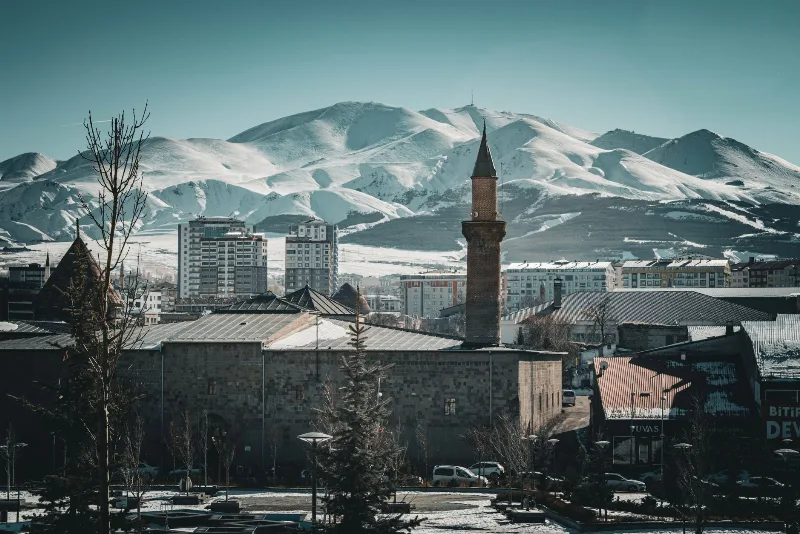
Erzurum
Erzurum is a high-plateau city in eastern Türkiye and the capital of its province, set at roughly 1,900 metres among mountains. It is known for severe winters, the long ski season on Palandöken and a historic centre of Seljuk and Ottoman monuments.
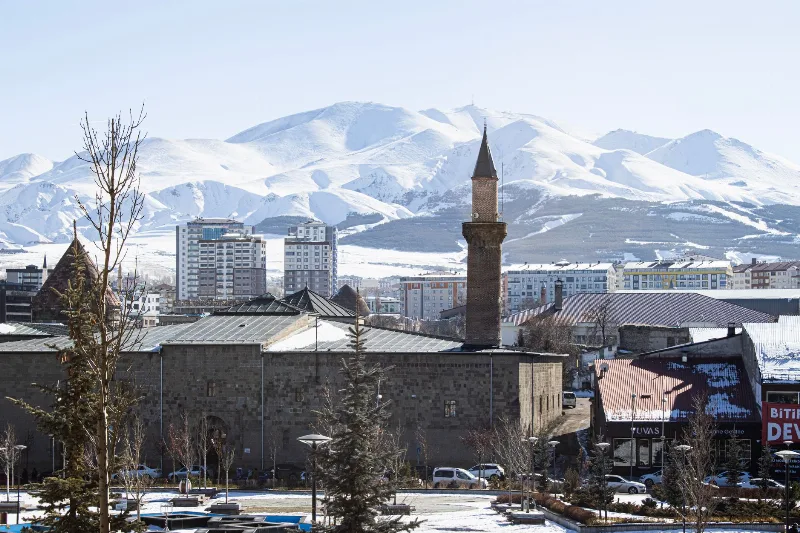
Skiing Escapades in Erzurum
Erzurum is a high-elevation city in eastern Türkiye where long winters and dependable snowfall support skiing and winter sports. Its mountain slopes, historic landmarks and cold-weather cuisine give a snow adventure here a distinct character.

Eastern Anatolia Region
Eastern Anatolia is a region of majestic mountains, vast highlands, beautiful lakes and ancient cultural heritage. Home to Mount Ararat, Lake Van and historic settlements, it offers some of Türkiye's most dramatic natural landscapes alongside distinctive architecture, local traditions and regional cuisine.
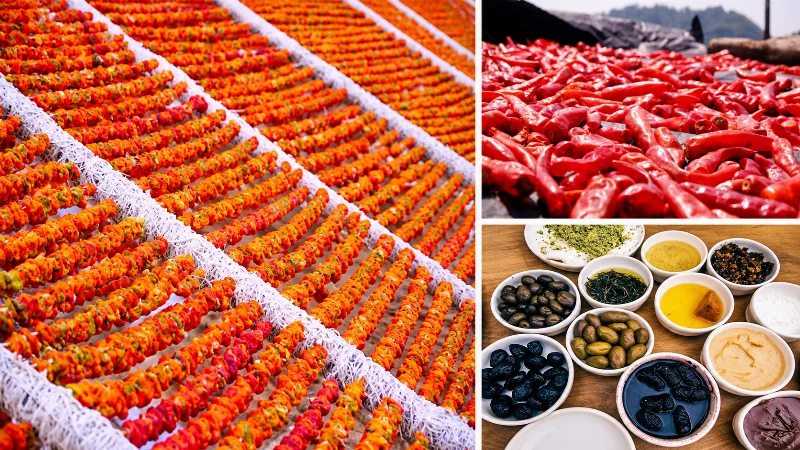
Why Turkish Food Changes from Region to Region
Climate, geography, agriculture and local history shape the ingredients, cooking methods and everyday dishes found across Türkiye. Türkiye’s cuisine is often described as a single national tradition, but food changes considerably from one region to another. Coastal climate, mountain geography, agricultural production, local history and available ingredients all influence what is cooked and how meals are prepared. A dish common on the Black Sea coast may be uncommon in southeastern Türkiye, while ingredients associated with the Aegean can play a much smaller role in the interior. These regional differences form one of the main characteristics of Turkish food culture.
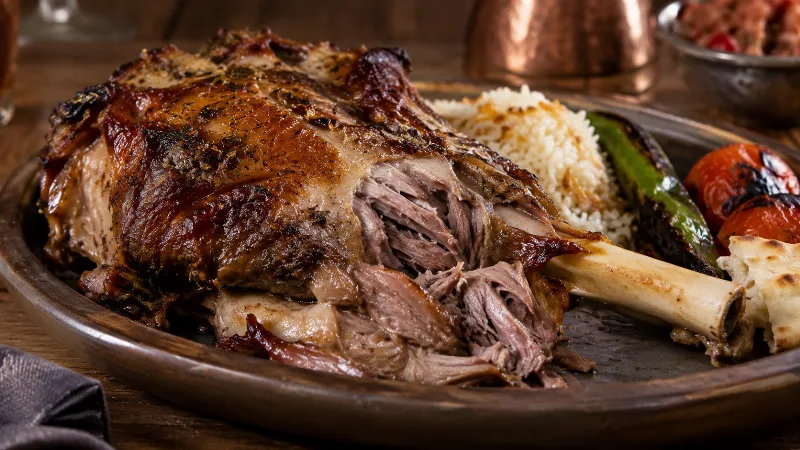
Kuzu Tandır
Kuzu tandır is slow-roasted lamb cooked in a sealed clay tandır oven, a method strongly associated with eastern Anatolia, especially Erzurum, that yields crisp, browned skin and very tender, juicy meat.
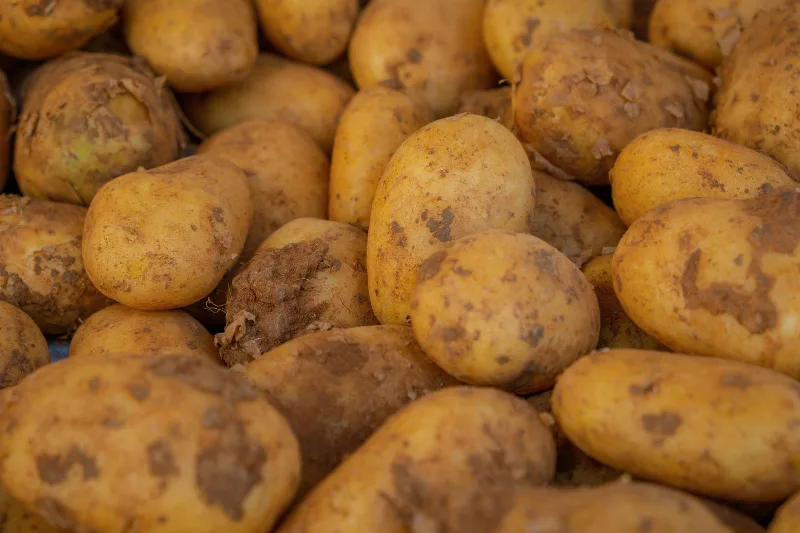
Erzurum Potatoes
Erzurum potatoes are highland potatoes from Erzurum province in Eastern Anatolia, shaped by cool summers, volcanic soils and a short growing season. They are known for their starch-rich texture and full flavour.