Ephesus
One of the best-preserved ancient cities in the Aegean, known for its monumental streets, library, theatre and Roman-era remains.
Ephesus
Ephesus is located near Selçuk in İzmir Province, on Turkey’s Aegean coast. It was one of the most important cities of the ancient Mediterranean and developed into a major centre of trade, administration, religion and urban life.
The archaeological site is especially known for the scale and preservation of its streets and public buildings. Walking through Ephesus reveals a city planned around broad stone avenues, monumental gateways, baths, temples and civic structures.
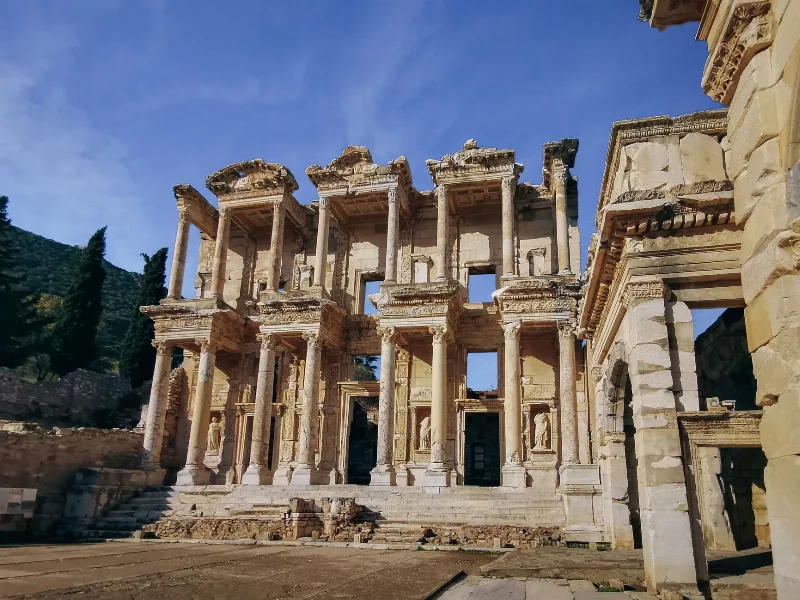
One of the best-known buildings is the Library of Celsus, whose reconstructed façade has become one of the most recognisable structures at the site. The building originally served as both a library and a memorial monument.
Nearby, the Great Theatre rises against the slope of the hill. With its large seating area and commanding position, it shows the importance of public performances and gatherings in the ancient city.
The Marble Street and Curetes Street connect some of the major areas of Ephesus. Columns, fountains, building façades and stone paving remain visible along these routes, giving a strong impression of the ancient urban landscape.
Another important part of the site is the Terrace Houses, where decorated interiors, mosaics and wall paintings reveal aspects of domestic life among wealthier residents.
Ephesus also had a strong religious significance. The nearby Temple of Artemis was one of the major sanctuaries of the ancient world, although only limited remains survive today.
The city changed over many centuries as different political and cultural powers controlled western Anatolia. Greek, Roman and later Byzantine influences can all be seen in the broader archaeological landscape.
The surrounding environment also helps explain the city’s development. Ephesus was once closely connected with the coast and an important harbour, although changes in the landscape gradually altered this relationship over time.
Today, the surviving streets and monuments make Ephesus one of the clearest examples of ancient urban life in western Turkey.
Routes
All routes →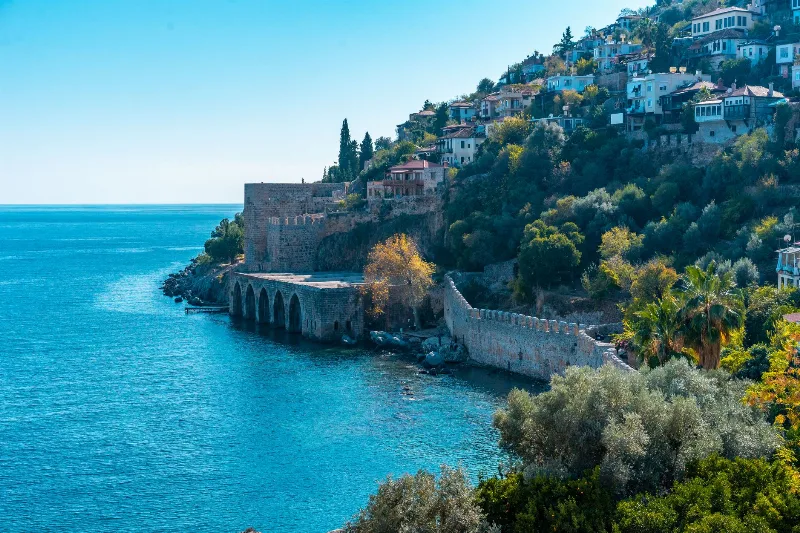
3-Day Alanya and Side Route
A three-day route along Türkiye's eastern Mediterranean coast, starting at Alanya Castle, continuing west to the ancient city of Side, and ending at the Manavgat Waterfalls.
Explore →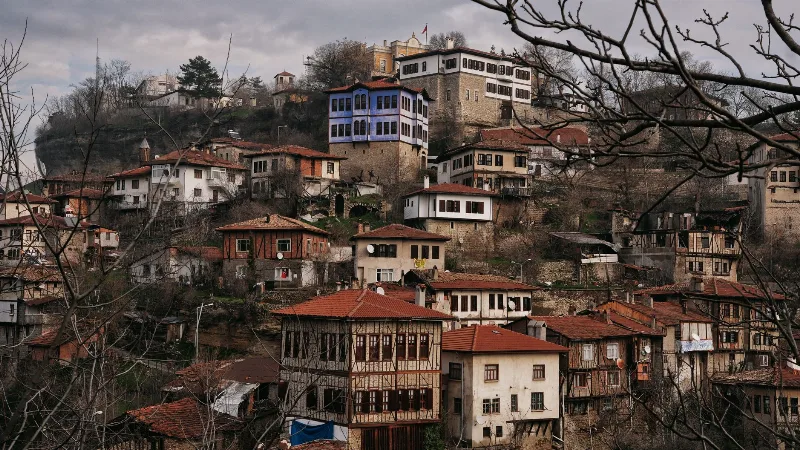
2-Day Safranbolu and Amasra Route
A two-day driving route that starts among the timber-framed houses of Safranbolu, crosses the uplands of Kastamonu and the Küre Mountains, and finishes at the small Black Sea harbour of Amasra.
Explore →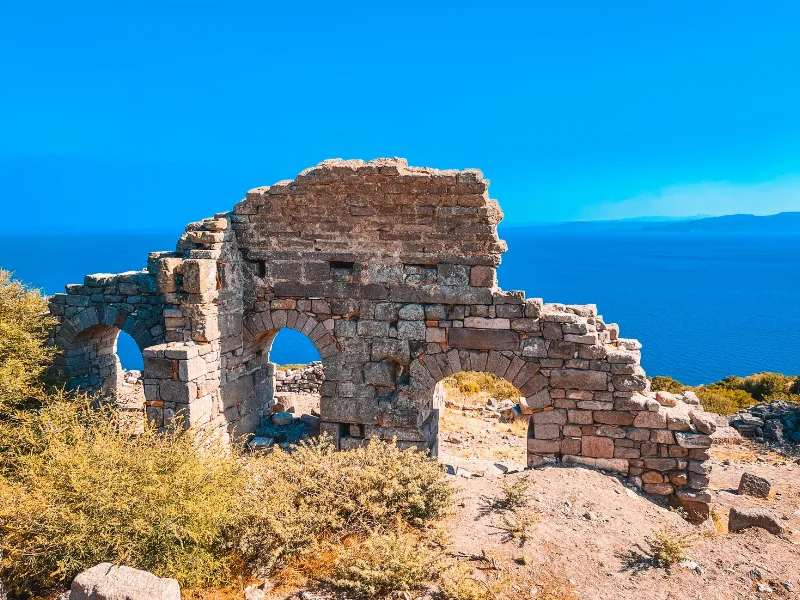
3-Day Assos and Troy Route
A three-day route through Turkey's Troad region, starting in Çanakkale and finishing at the clifftop village and ancient harbour of Assos, with Troy and the lesser-known classical ruins in between.
Explore →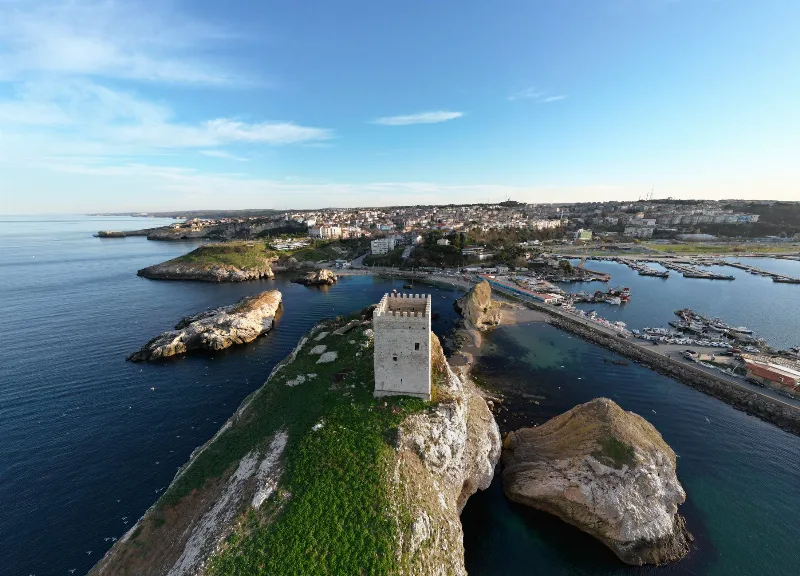
1-Day Sinop Route: Old Town, Castle and Hamsilos Bay
A single-day route through Sinop, from the old harbour and castle walls to the archaeological museum, the historic prison and the wooded bays along the coast west of the city.
Explore →Related content
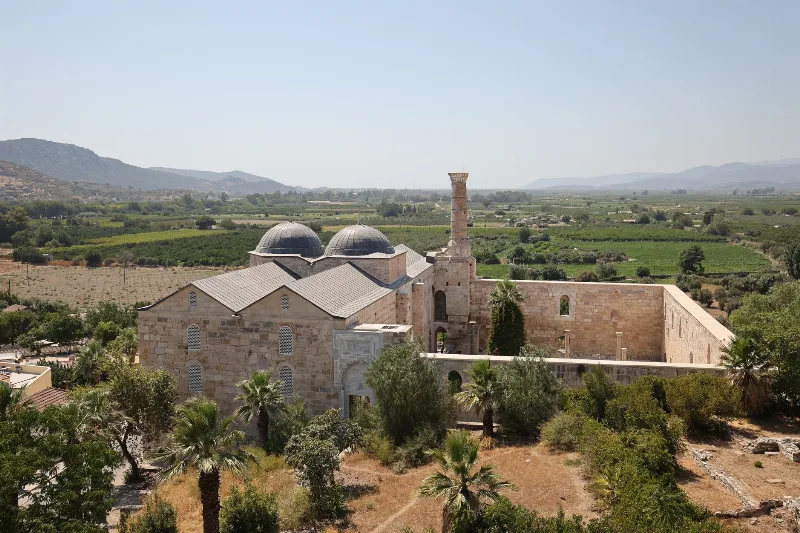
Selçuk
Selçuk is an inland district of İzmir Province in the Aegean region, set in the Küçük Menderes valley near the coast. It is best known as the modern town serving Ephesus, the House of the Virgin Mary and the Basilica of St John.
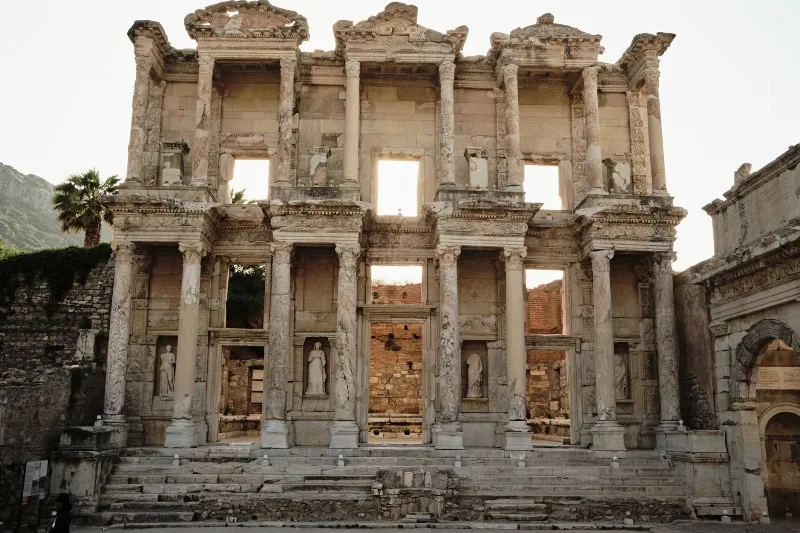
4-Day Ephesus and Pamukkale Route
A four-day west-to-east Aegean route that links the ancient city of Ephesus and the House of Virgin Mary in Selçuk with the white travertine terraces and Hierapolis ruins at Pamukkale, near Denizli.
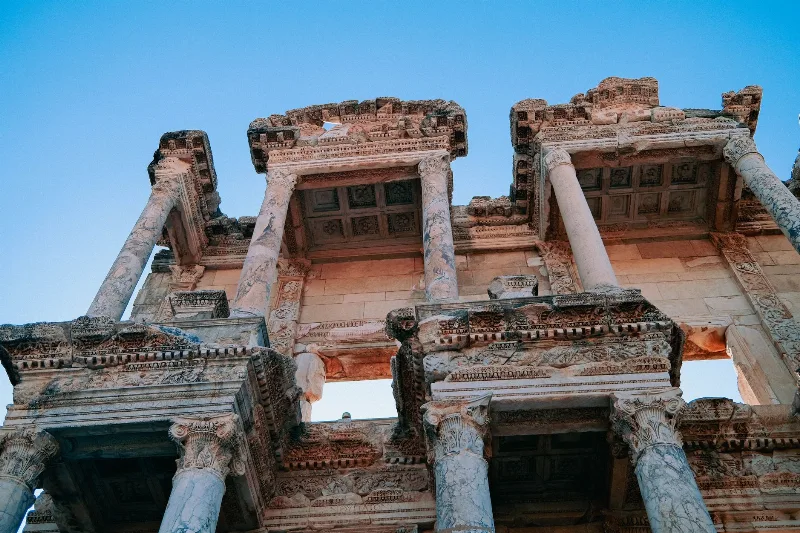
Ephesus: Gateway to Antiquity
Ephesus is a vast archaeological site on the Aegean coast of Türkiye, where marble streets, terraced houses and a hillside theatre trace the life of a major Roman city. Nearby Selçuk adds museums, a hilltop basilica and a fertile farming plain.
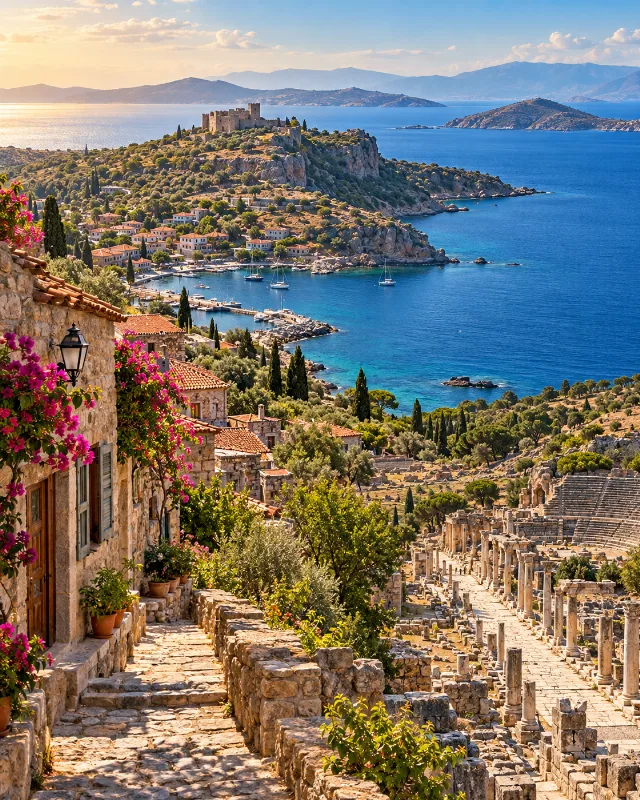
7-Day North Aegean to Ephesus Route
A seven-day southbound route through Troy, Assos, Bozcaada, Ayvalık, Bergama, İzmir and Ephesus, combining archaeology, coastal towns and Aegean culture.
Şirince
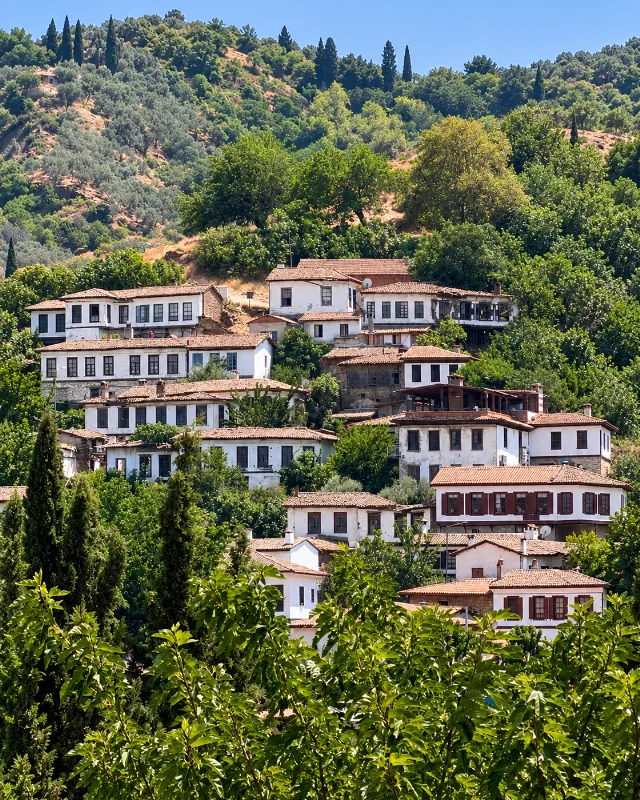
Şirince is a hillside village in İzmir's Selçuk district, known for fruit wine, surviving Greek Orthodox buildings and whitewashed houses with terracotta roofs that climb a slope above the plain.
6-Day Aegean Ancient Cities Route
A six-day linear journey from Izmir to Denizli through the great ancient cities of the Aegean, linking Ephesus, Priene, Miletus, Didyma, Lake Bafa, Pamukkale, Laodicea and Aphrodisias in one coherent corridor.