İçli Köfte (Stuffed Bulgur Dumplings)
İçli köfte combines a finely worked bulgur shell with a savoury filling, then takes different forms across southeastern and eastern Turkey depending on local cooking traditions.
A dish built around two contrasting layers
İçli köfte is a filled dumpling associated especially with southeastern and eastern Anatolian cooking. Its name describes the central idea: a seasoned outer layer surrounds a separate filling. The shell is commonly prepared with fine bulgur, sometimes combined with semolina, flour or other binding ingredients. The filling usually contains minced meat, onion and spices, with walnuts included in some regional recipes. The contrast between the tender grain-based casing and the savoury centre is central to the dish. Although recipes differ from household to household, careful preparation of both layers is what gives içli köfte its recognisable character.
Preparing the bulgur shell
The bulgur is softened and worked until it becomes a pliable mixture that can be shaped without splitting. The amount of water, resting time and kneading technique affect the texture. Some cooks add semolina or flour to improve cohesion, while others rely more heavily on the quality and consistency of the bulgur. The mixture should be fine enough to form a thin casing, but firm enough to hold the filling during cooking. A shell that is too thick can dominate the centre; one that is too fragile may open while being boiled or fried.
The savoury filling and its regional character
Minced lamb or beef is commonly cooked with finely chopped onion until the moisture has reduced. Black pepper, cumin, chilli and other seasonings may be used according to family preference and local style. Walnuts can add a distinct texture and richness, while some recipes include herbs. The filling is normally cooled before it is enclosed in the bulgur shell, helping the shaped dumplings remain stable. In some areas the centre is relatively finely textured; elsewhere, a more pronounced meat and walnut mixture is preferred.
Shaping and cooking methods
Small portions of the bulgur mixture are opened by hand, either between the fingers or around a shaping tool, to create a hollow casing. A measured amount of filling is placed inside, and the opening is carefully sealed. The dumpling is then shaped into an oval or pointed form, depending on local practice. Two common cooking methods are boiling and deep-frying. Boiled içli köfte has a softer exterior and is often served as part of a meal, while fried versions develop a crisp outer surface.
Serving and eating içli köfte
İçli köfte may appear as a main dish, a shared meal item or part of a larger table of regional foods. Lemon, fresh herbs, salad or yoghurt-based accompaniments may be served alongside it, although combinations vary. Because the shell and filling are both seasoned, the dumplings do not require a complicated sauce to be distinctive. They are often prepared for family gatherings and occasions when several people can share the work of shaping them. The time involved explains why the dish is associated with careful home cooking.
Related content
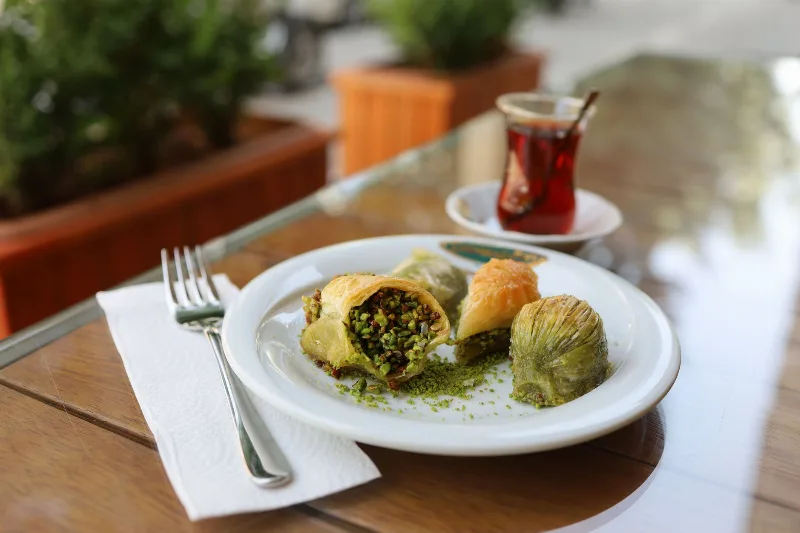
Culinary Delights of Gaziantep
Gaziantep in southeastern Türkiye is known for a regional cuisine built on pistachios, pepper paste, bulgur and slow-cooked dishes that reflect centuries of trade and local tradition.
Urfa Isot Pepper and Traditional Cuisine in Şanlıurfa
Urfa isot is a sun-dried red pepper that gives Şanlıurfa's cooking its dark colour and deep, smoky warmth. Here is how it is grown, prepared and used in southeastern Turkey.
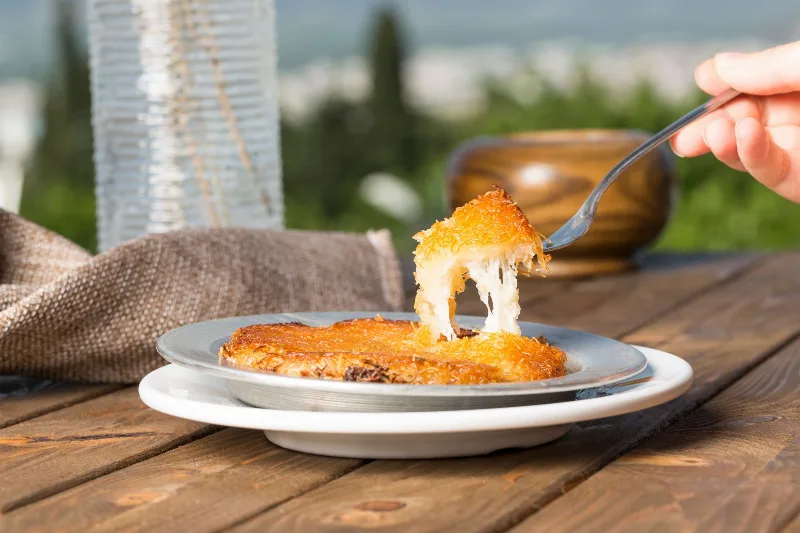
The Local Cuisine of Hatay
Hatay's cuisine reflects centuries of cultural exchange, offering spicy kebabs, vibrant mezze, and distinctive desserts such as künefe. The food traditions of Antakya and the surrounding region are shaped by local ingredients and seasonal rhythms.
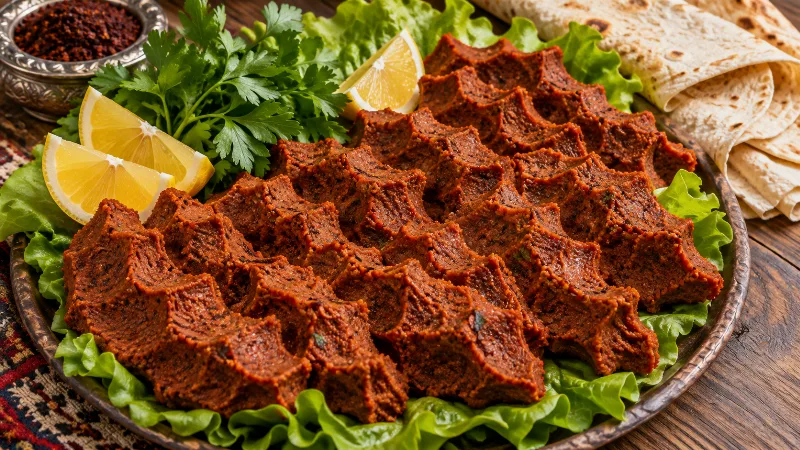
Çiğ Köfte (Turkish Spiced Bulgur Dish)
Çiğ köfte is a finely textured bulgur preparation known for patient kneading, isot pepper and a carefully balanced mixture of spices, herbs and tomato or pepper paste.
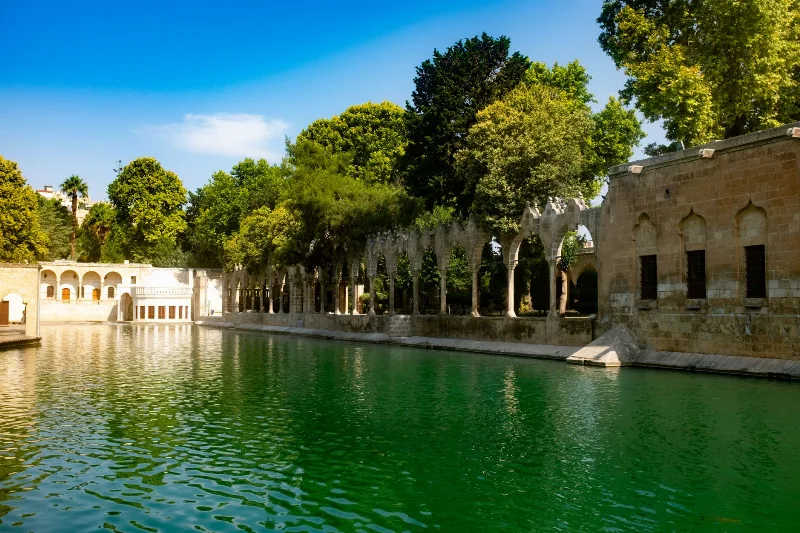
Şanlıurfa's Historical and Cultural Richness
Şanlıurfa in southeastern Türkiye blends Neolithic archaeology, sacred pools, ancient Harran and a lively food and music tradition into one remarkably layered destination.
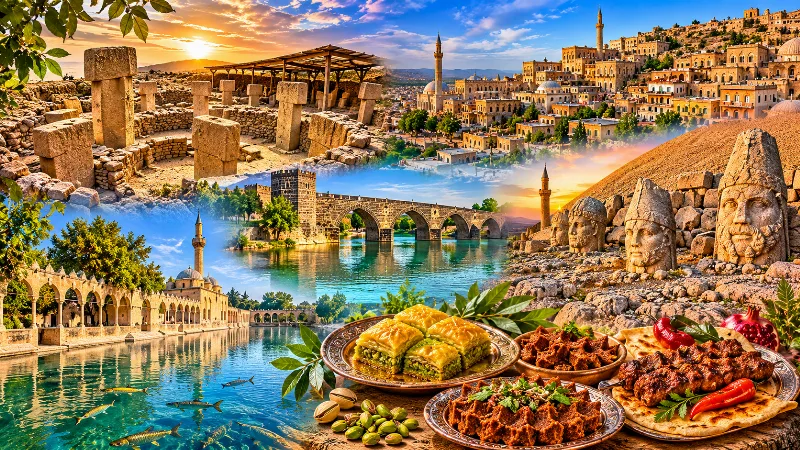
Southeastern Anatolia Region
Southeastern Anatolia is known for its ancient cities, extraordinary archaeological heritage, traditional stone architecture and rich culinary culture. From the historic streets of Mardin to the monumental landscapes of Şanlıurfa and the Euphrates River, the region reflects thousands of years of civilization.