Çiğ Köfte (Turkish Spiced Bulgur Dish)
Çiğ köfte is a finely textured bulgur preparation known for patient kneading, isot pepper and a carefully balanced mixture of spices, herbs and tomato or pepper paste.
A distinctive southeastern Anatolian preparation
Çiğ köfte is closely associated with southeastern Anatolia, particularly the food cultures of Şanlıurfa and Adıyaman. The name is often translated as raw meatball, reflecting an older preparation in which finely minced raw meat was worked with bulgur and seasonings. Today, meatless versions made with bulgur are widely known and commonly served. The dish is not simply a mixture of ingredients: its texture develops through sustained kneading, during which the bulgur absorbs moisture and the seasonings become evenly distributed. Local methods differ, and the balance of heat, acidity and savoury flavour can vary noticeably between households and regions.
Why the kneading process matters
Fine bulgur is combined with ingredients such as tomato paste, pepper paste, onion, garlic and spices. Water or other measured additions help the grains soften, but too much liquid can make the mixture loose. Kneading gradually breaks down the firm texture of the bulgur and helps the ingredients bind. The process also distributes the paste and seasonings through the mixture, creating the characteristic cohesive consistency. Some cooks add ingredients in stages rather than all at once, adjusting the texture as they work.
Isot pepper and the flavour balance
Isot, a sun-dried and processed chilli associated with Şanlıurfa, is one of the ingredients that gives many versions of çiğ köfte their distinctive colour and depth. Its flavour is not limited to heat; depending on its preparation, it can bring smoky, fruity and gently bitter notes. Cumin, black pepper, paprika, salt and other spices may also be included. Lemon juice or another acidic ingredient can brighten the mixture, while pomegranate molasses is used in some serving styles. The aim is balance: the chilli should be noticeable without masking the grain, herbs and other seasonings.
Regional approaches and meatless versions
Meatless çiğ köfte has become a familiar form of the dish in many parts of Turkey, while older regional traditions also include preparations made with raw meat. These versions differ in ingredients, handling requirements and food-safety considerations, so they should not be treated as interchangeable. Modern meatless recipes generally rely on fine bulgur, pastes, spices and herbs to develop flavour and texture. Adıyaman and Şanlıurfa are both strongly associated with çiğ köfte, yet their local styles and claims of origin are not identical.
Serving style and place in the meal
Meatless çiğ köfte is commonly shaped into small portions by hand and served with lettuce leaves, parsley, mint, lemon and thin flatbread. Some tables include fresh spring onions or other seasonal greens. The leaves can be used to wrap the mixture, adding freshness and a crisp contrast to its soft texture. It may be served as a shared starter, a light meal or part of a larger spread. Since the mixture is already strongly seasoned, accompaniments are usually simple. The serving arrangement highlights the balance between the chilli-rich bulgur mixture, fresh herbs and citrus.
Related content
Şanlıurfa
Şanlıurfa, commonly called Urfa, is a large city in southeastern Türkiye and the capital of its province. It is known both as a place tied to the tradition of the Prophet Abraham and as the gateway to Göbekli Tepe, one of the oldest monumental sites ever found.
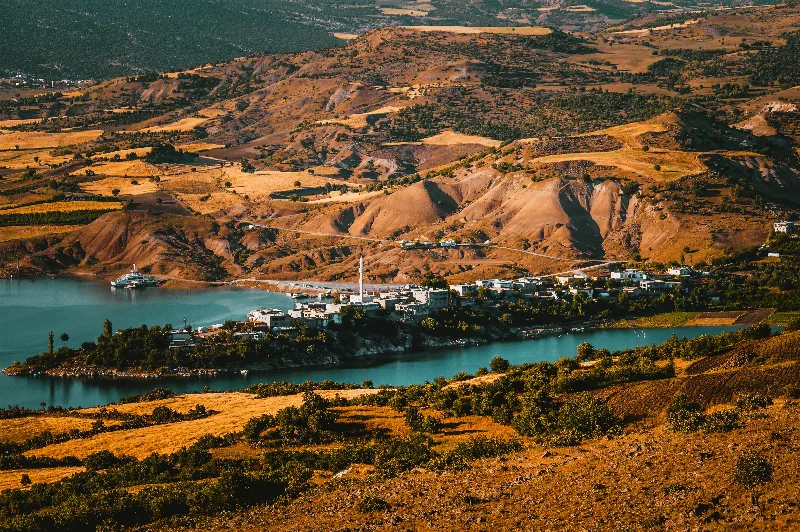
Adıyaman
Explore Adıyaman, southeastern Türkiye: history, standout sights, landscapes, local food and practical travel advice for an unforgettable journey in Türkiye.
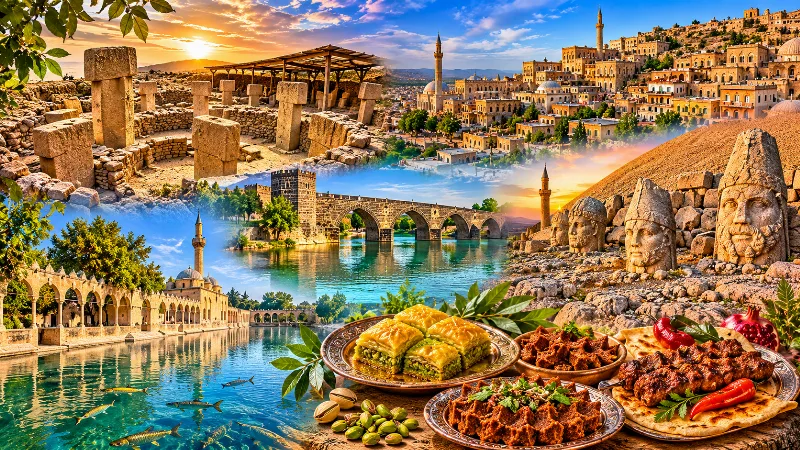
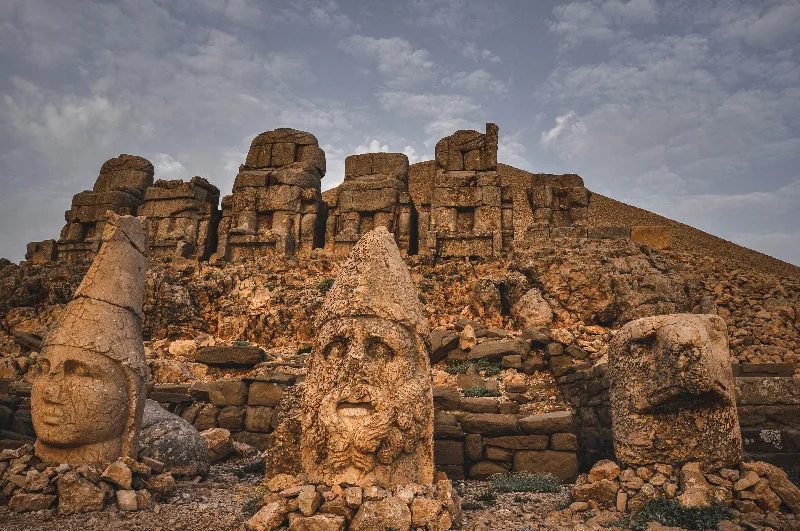
Southeastern Anatolia Region
Southeastern Anatolia is known for its ancient cities, extraordinary archaeological heritage, traditional stone architecture and rich culinary culture. From the historic streets of Mardin to the monumental landscapes of Şanlıurfa and the Euphrates River, the region reflects thousands of years of civilization.
Urfa Isot Pepper and Traditional Cuisine in Şanlıurfa
Urfa isot is a sun-dried red pepper that gives Şanlıurfa's cooking its dark colour and deep, smoky warmth. Here is how it is grown, prepared and used in southeastern Turkey.
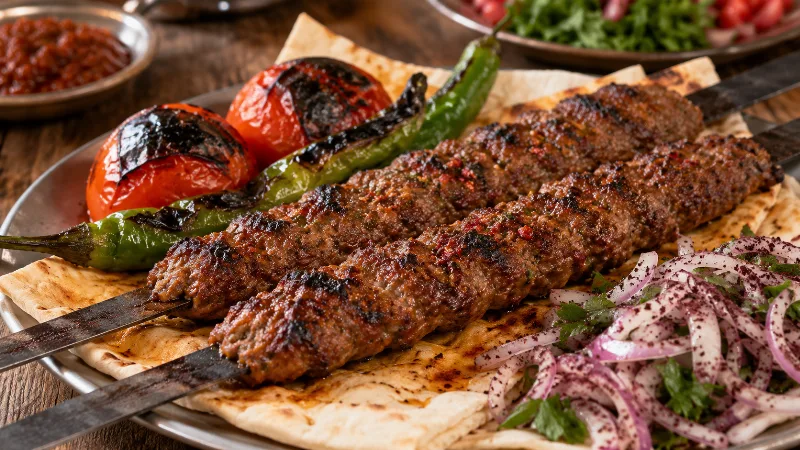
Urfa Kebap
Urfa Kebap is a charcoal-grilled minced lamb kebab from Şanlıurfa, seasoned without hot chilli and shaped around flat skewers. Its mildness is what sets it apart from the region's other minced kebabs.
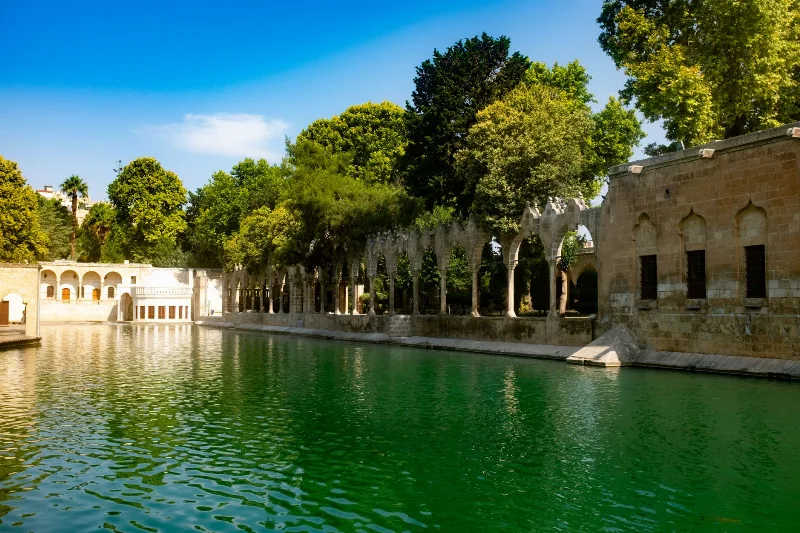
Şanlıurfa's Historical and Cultural Richness
Şanlıurfa in southeastern Türkiye blends Neolithic archaeology, sacred pools, ancient Harran and a lively food and music tradition into one remarkably layered destination.