Cumalıkızık: Ottoman Houses and Silk Production in Bursa
Cumalıkızık is a historic village near Bursa where Ottoman timber houses, cobbled lanes and a long silk-making tradition reveal a quieter side of Anatolian heritage.
Cumalıkızık is a historic village in Bursa Province, set on the lower slopes of Uludağ to the east of the city. It is known for its streets of Ottoman houses, its orchards and its long connection with silk production. The village forms part of the UNESCO World Heritage listing that recognises Bursa and Cumalıkızık as an early centre of Ottoman urban and rural life. Its lanes, courtyards and timber-framed houses offer a compact introduction to the region's architectural and agricultural heritage.
A Village at the Foot of Uludağ
Cumalıkızık lies in a valley on the northern edge of Uludağ, where woodland, farmland and village streets meet. The setting is one of the reasons the settlement has kept a distinct character: steep slopes and narrow approach roads have limited large-scale change, while streams and orchards have shaped everyday life. The village is part of the wider group of historic kızık settlements in the Bursa area, whose names and rural layouts recall the region's early Ottoman period.
From the village, the landscape rises towards the mountain, with views across gardens, mulberry trees and tiled roofs. The surrounding land supports small-scale farming, and the streets are edged by stone walls, courtyards and fruit trees. This close relationship between housing, water and cultivated land is central to Cumalıkızık's identity and helps explain why the village has been preserved as a heritage site rather than absorbed into the modern city.
Ottoman Houses and Traditional Architecture
The village is best known for its Ottoman houses, many of which follow a similar pattern. Ground floors are often built of stone, while upper floors use timber framing, whitewashed walls and projecting bay windows known as cumbas. Tiled roofs, wooden shutters and interior courtyards are common features. The houses are arranged along narrow cobbled lanes that were designed for pedestrians, animals and carts rather than motor traffic.
Many of the buildings have been restored, and some serve as small museums, craft rooms or community spaces. Their details reveal how households combined living space with storage and production: cellars, courtyards and upper rooms could be adapted for drying produce, keeping animals or working at looms. The architecture is not grand or monumental; its interest lies in the practical way it responds to climate, family life and the agricultural rhythms of the village.
Silk Production and Rural Craft
Silk has been important to Bursa for centuries, and Cumalıkızık's rural economy reflects that wider history. Mulberry trees were grown around the village, and silkworms were traditionally reared in homes before their cocoons were boiled, reeled and spun. The work fitted into a household schedule shared with fruit growing, vegetable plots and animal husbandry. Silk was not simply an urban trade; it began in villages like this one, where families tended trees and caterpillars alongside other crops.
Handlooms and small workshops once allowed villagers to weave cloth and ribbons, and traces of this activity survive in the village's craft traditions and restored buildings. Today, silk production in Cumalıkızık is less widespread than in the past, but demonstrations and small-scale work help keep the process visible. The village's association with silk is a reminder of Bursa's role as a textile centre and of the many rural skills that supported it.
Village Life, Food and Local Traditions
Cumalıkızık remains a residential village as well as a heritage destination. Its daily life is tied to gardens, orchards and seasonal produce. Local kitchens make use of village ingredients such as yoghurt, bread, eggs, herbs and fruit, and the surrounding farms supply mulberries, cherries and vegetables. Traditional dishes and preserves reflect the domestic economy of the region, where surplus fruit was dried, bottled or turned into jams and syrups.
The village has a long tradition of hospitality, but its character is quiet rather than commercial. Small stalls and workshops may sell local produce and handmade items, while festivals and community events mark the agricultural year. Visitors who walk the lanes, visit the courtyards and observe the old production spaces gain a clearer sense of how Ottoman village life combined home, garden and craft.
Heritage and the Surrounding Landscape
Cumalıkızık was included in the UNESCO World Heritage listing of Bursa and Cumalıkızık in 2014, recognising the village as part of the early Ottoman settlement pattern in the region. Conservation work has focused on the houses, streets and public spaces, while the surrounding orchards and wooded slopes form a buffer against urban expansion. The result is a place where heritage protection and ordinary village life coexist.
The village is close enough to Bursa for a half-day visit, yet its setting on the lower slopes of Uludağ gives it a distinctly rural atmosphere. Nearby routes lead towards mountain scenery, woodland and other villages in the district, and the city's Ottoman monuments, markets and museums lie a short drive away. Cumalıkızık's appeal lies in this combination: a compact historic settlement, a working landscape and a craft history that connects the village to the wider story of Bursa.
Related content
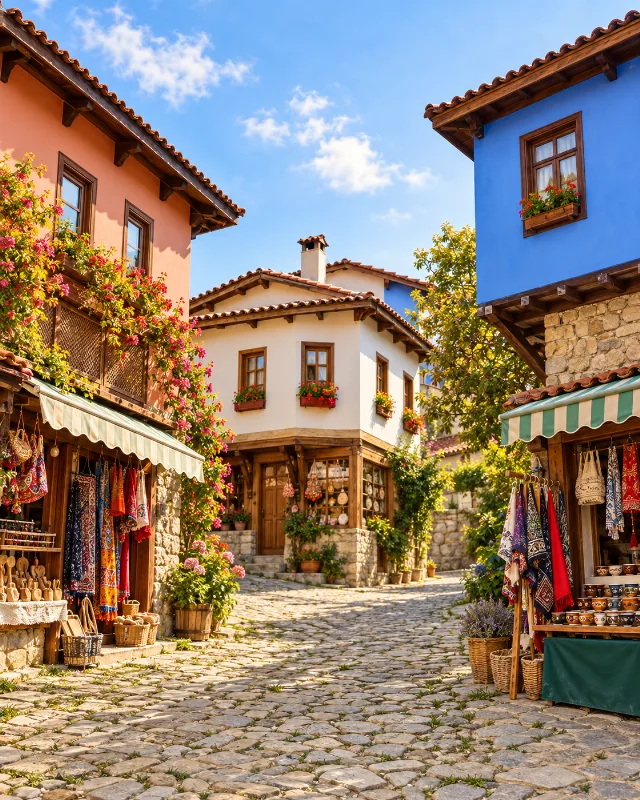
Cumalıkızık
Cumalıkızık is a historic Ottoman village in Bursa, Turkey, known for its well-preserved houses and cobblestone streets. It is part of the UNESCO World Heritage Site 'Bursa and Cumalıkızık: the Birth of the Ottoman Empire'.
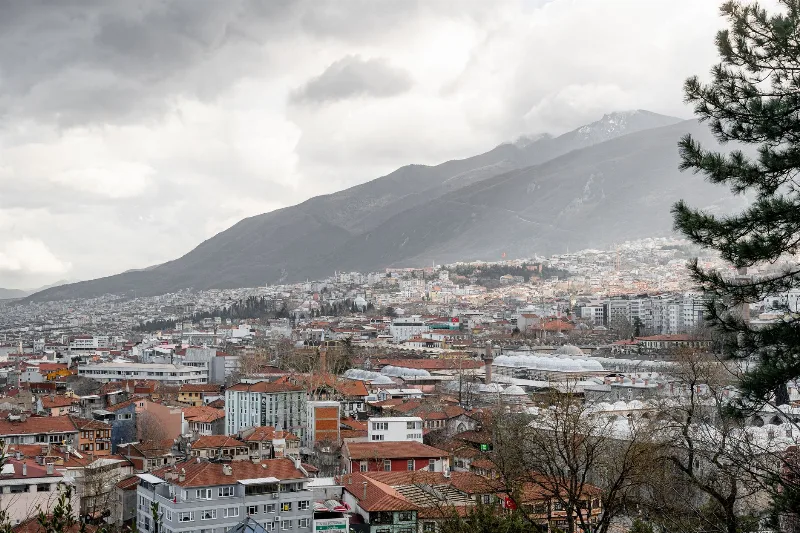
Bursa
Bursa is a major metropolitan city in northwestern Türkiye and the first great capital of the Ottoman Empire, known for its silk heritage, thermal springs and the mountain of Uludağ rising directly behind it.

3-Day Istanbul to Bursa Route
Explore the first Ottoman capital on a three-day route from Istanbul to Bursa, combining historic city sites, the mountain landscapes of Uludağ, and the preserved village of Cumalıkızık.
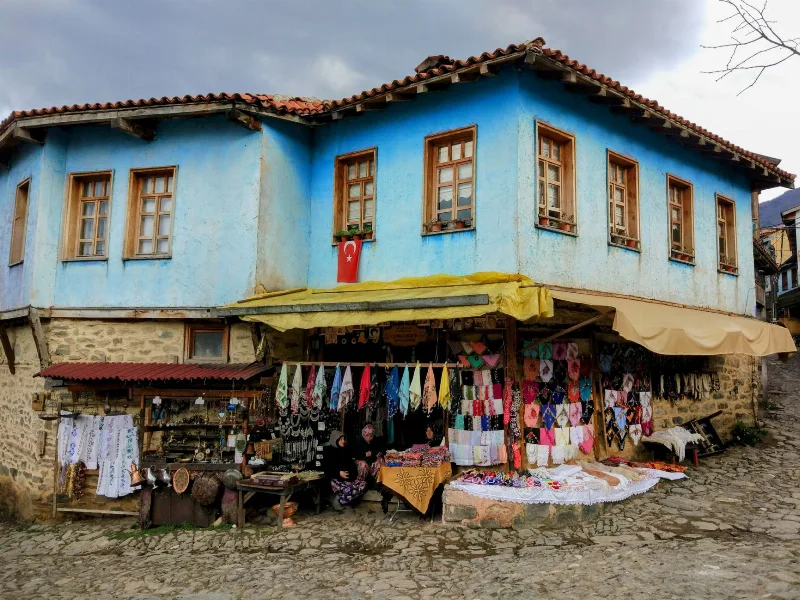
The Ottoman Village of Cumalıkızık Near Bursa
Cumalıkızık, a preserved Ottoman village on the slopes of Uludağ near Bursa, is known for its cobblestone lanes, painted historic houses and long-standing rural traditions that continue today.

2-Day Bursa and Uludağ Route
A two-day route through Bursa's Ottoman monuments and up to the Uludağ National Park by cable car, combining city walking with mountain hiking or skiing.
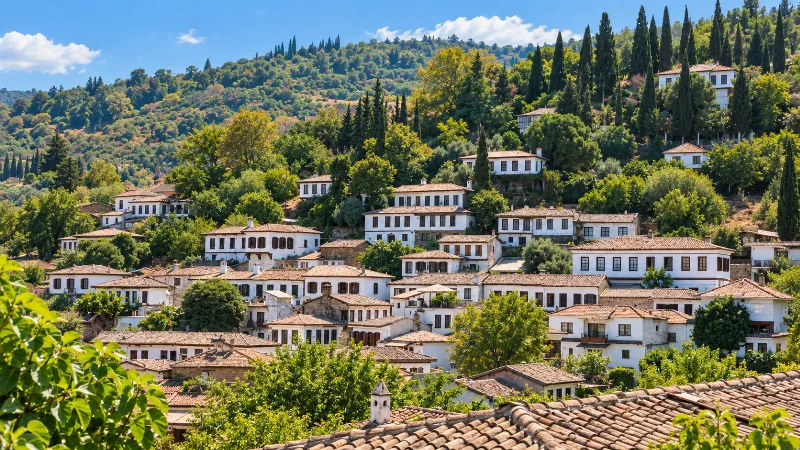
Villages
Small settlements, traditional architecture and rural landscapes across Türkiye.
Cultural Heritage of Anatolia
Anatolia's cultural heritage spans millennia, blending ancient civilizations, architectural marvels, and living traditions across Türkiye.
Traditional Villages of Türkiye
Türkiye's traditional villages blend stone houses, timber balconies and seasonal customs into landscapes that reveal the country's rural heritage.