Zonguldak
Zonguldak is a Black Sea port city in northern Türkiye, historically shaped by coal mining, railways and industrial development. The provincial capital occupies steep coastal terrain where wooded hills descend toward the sea. Its wider province includes fishing settlements, beaches, forests and historic towns, creating a landscape that combines maritime and industrial heritage.
Zonguldak is a Black Sea port city in northern Türkiye, historically shaped by coal mining, railways and industrial development. The provincial capital occupies steep coastal terrain where wooded hills descend toward the sea. Its wider province includes fishing settlements, beaches, forests and historic towns, creating a landscape that combines maritime and industrial heritage.
Geography and Landscape
The province is dominated by rugged hills and valleys running toward the Black Sea. Dense forests cover substantial inland areas, while short rivers cut through the terrain toward the coast. Settlement clusters along harbours, valleys and transport corridors where building space is available. The rocky shoreline, green hillsides and changing coastal weather give the region a recognisably western Black Sea character.
Coal mining history and the steep coastal landscape are closely linked in the capital's development. Elsewhere, beaches, caves and older port towns reveal a broader provincial identity that extends beyond the industrial city.
History and Heritage
Coal deposits played a central role in Zonguldak's modern history, influencing the growth of mines, railways and the port. The city became an important centre of industrial labour and energy production in Türkiye. Older communities along the coast preserve different histories of fishing and trade. The mining heritage remains a significant part of how the provincial capital is understood today.
For a fuller understanding of Zonguldak, it helps to separate the provincial capital from the wider administrative area. The main urban centre contains everyday commercial and civic life, while individual districts preserve their own landmarks, settlement patterns and rural traditions. The location of a site within the province matters: a landscape, archaeological monument or coastal settlement may require travel well beyond the capital. Reading a provincial map alongside local district names makes the variety of the area clearer.
Places to Visit
The Zonguldak Mining Museum introduces the region's industrial story. Coastal viewpoints and waterfront areas give a sense of the city's steep setting. Gökgöl Cave is a notable natural attraction near the capital. In the wider province, Ereğli has its own historic port identity, while Filyos combines coastal scenery with nearby archaeological remains. Different sites highlight the variety of the western Black Sea region.
Local Culture and Cuisine
Zonguldak's culture is strongly associated with mining communities, railway history and maritime work. Black Sea food traditions include seasonal fish, vegetables and local baked dishes, while inland villages maintain agricultural routines. Cultural activities and museums reflect the province's industrial past. Coastal districts have different everyday rhythms from mining neighbourhoods and forested rural settlements.
Climate and Seasons
The climate is generally humid, with rain possible throughout the year. Summers are often warm rather than extremely hot, while winters can be cool and wet, with snow on higher ground. Forests stay green across much of the growing season, and autumn changes the colours of inland slopes. Coastal winds and rain can affect outdoor plans at any time of year.
Getting There and Around
Zonguldak is accessible by road and rail from other northern and inland Turkish destinations. The Çaycuma area contains the regional airport, with services subject to available schedules. Steep urban terrain can make short distances less straightforward than they appear on a map. Trips to Ereğli, Filyos, caves and other districts need additional road travel beyond the provincial capital.
Discover Food in Türkiye
All food →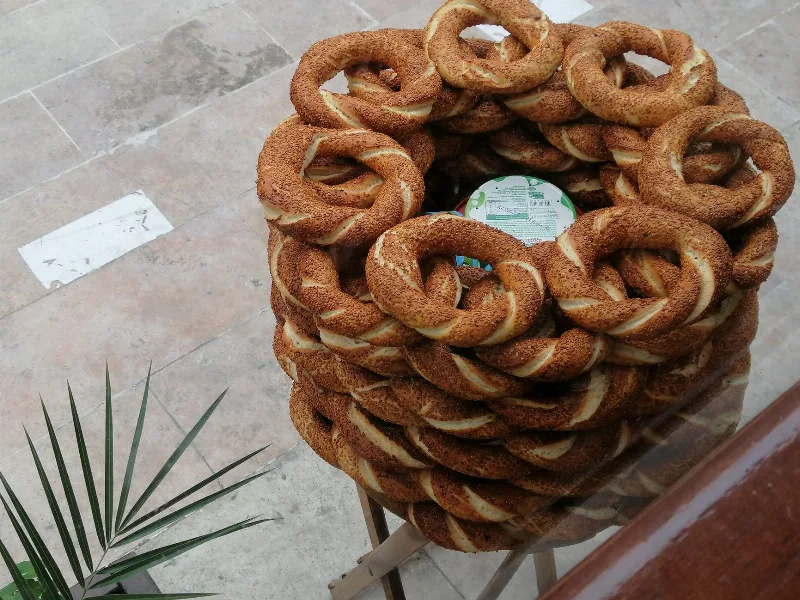
Simit
Simit is a ring-shaped Turkish bread covered in sesame seeds, strongly associated with Istanbul and sold as everyday street food. It is eaten fresh, most often with tea, and has a crisp crust around a chewy crumb.
Explore →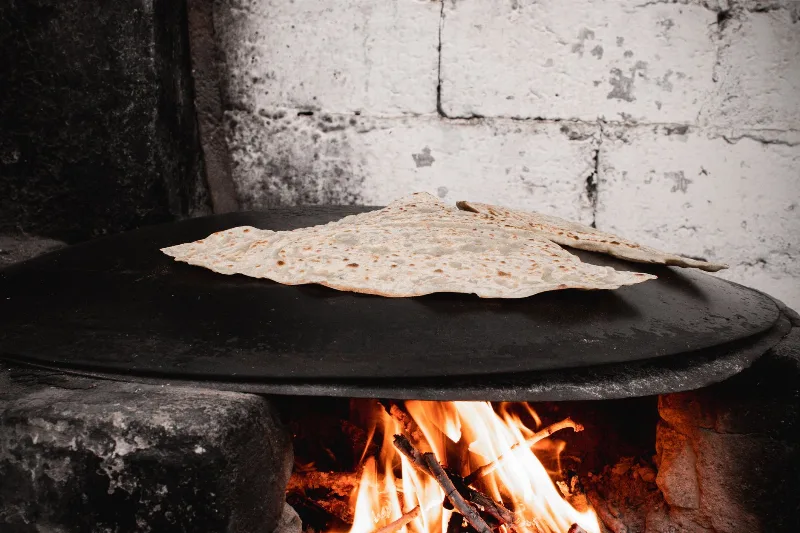
Bazlama
Bazlama is a soft, thick Turkish flatbread made from a leavened dough and cooked on a hot griddle. It is a staple of village baking across Anatolia, eaten warm with butter or used to wrap other foods.
Explore →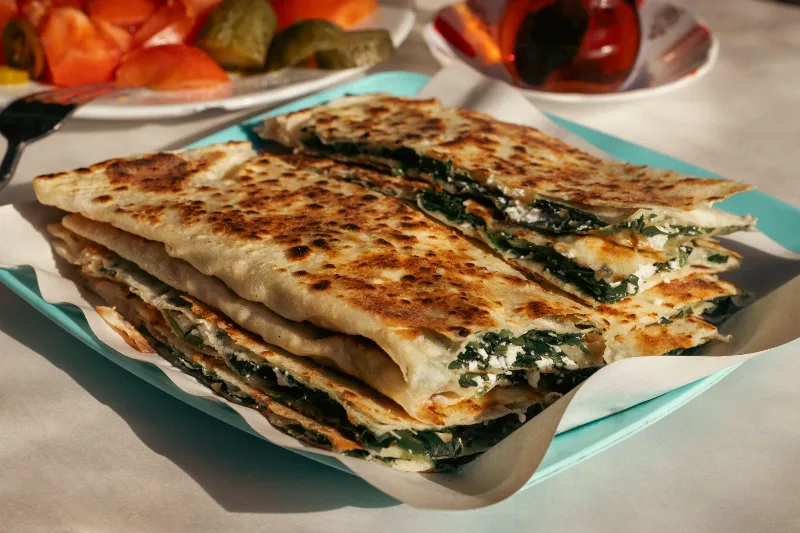
Gözleme
Gözleme is a thin, hand-rolled Anatolian flatbread folded around savory fillings such as cheese, spinach, or minced meat and cooked on a sac griddle. The article covers its regional variations, cooking method, texture, and traditional serving style.
Explore →Related content
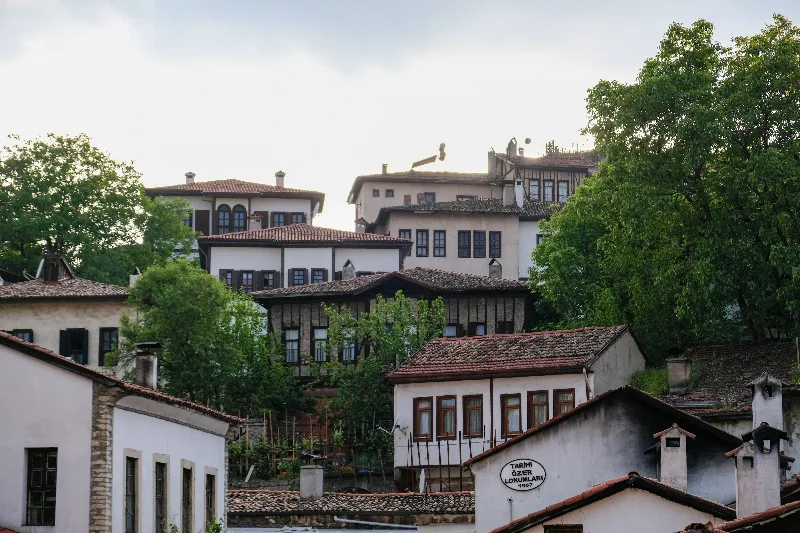
Karabük
Karabük is an inland city in Türkiye's western Black Sea region, built around the country's first integrated iron and steel works. It also serves as the practical base for reaching the UNESCO-listed historic town of Safranbolu just to its north.
Bartın
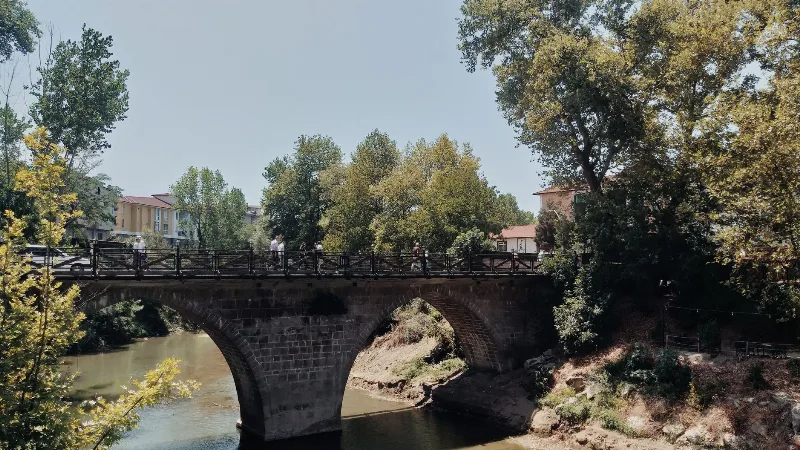
Bartın is a city in Türkiye's Western Black Sea region, built along the navigable Bartın River and known for its traditional wooden houses and the coastal town of Amasra within the same province.
Amasra
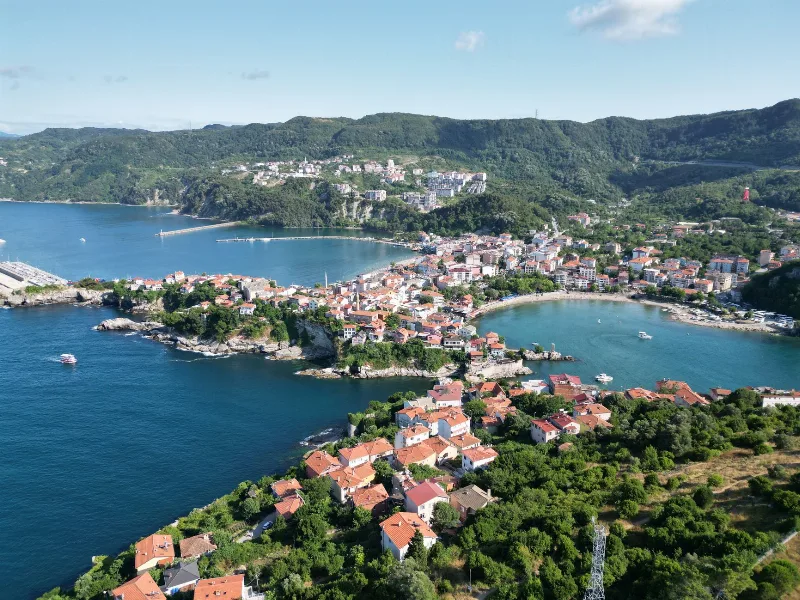
Amasra is a small district town in Bartın Province, built on a fortified peninsula on Turkey's Black Sea coast, with two sheltered bays, Byzantine and Genoese walls, and a long history reaching back to the ancient city of Amastris.
Kilis
Kilis is a small provincial capital in southern Türkiye near the Syrian border. Its compact centre, historic stone buildings and agricultural surroundings distinguish it from larger metropolitan destinations. The city stands within a landscape of olive groves and cultivated fields, and its local identity reflects centuries of cultural exchange in the northern.
Kocaeli
Kocaeli is a heavily urbanised province in northwestern Türkiye, situated east of Istanbul between the Sea of Marmara and the Black Sea. Its administrative centre is İzmit, an industrial and transport hub on the Gulf of İzmit. Beyond the urban corridor, the province includes forested hills, coastal settlements and areas used for outdoor recreation.
Kütahya
Kütahya is an inland city in western Türkiye best known for its centuries-old ceramic and tile-making tradition. The provincial capital lies among hills and agricultural valleys, away from the Aegean coastline. Historic buildings, workshops and nearby thermal areas give the province an identity that combines craftsmanship, urban heritage and the landscapes of inland western Anatolia.